As an Amazon Associate, we earn from qualifying purchases. Some links on this site are affiliate links at no extra cost to you. Our recommendations are based on thorough research and editorial judgment.

Using Palms to Define Outdoor Living Spaces

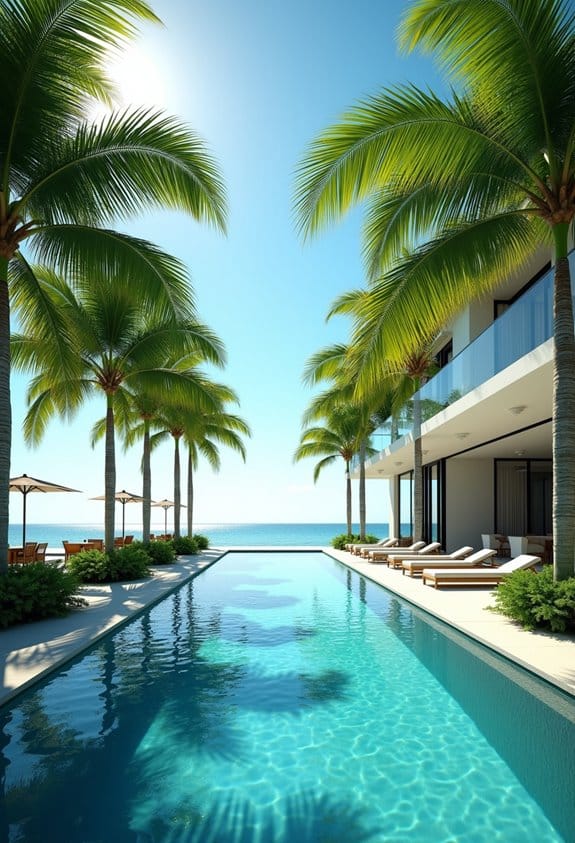
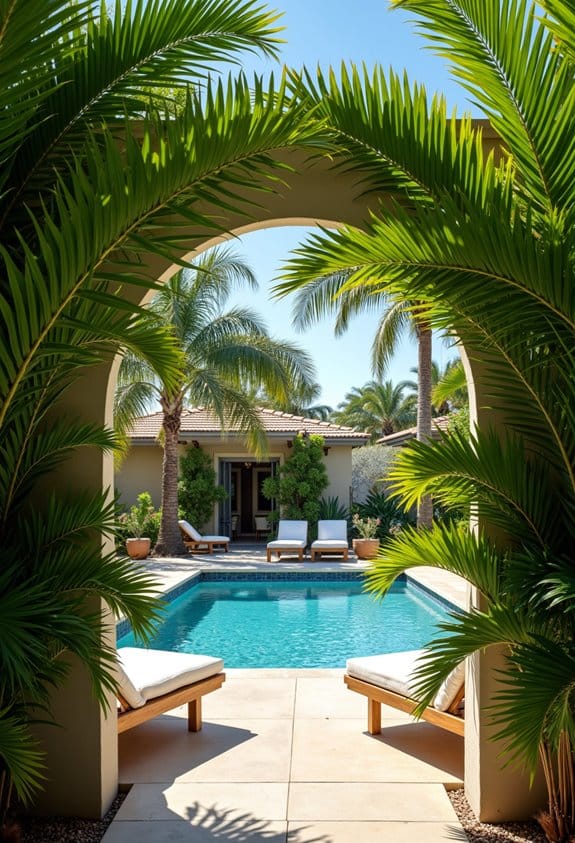
Using palms as natural boundaries in outdoor living spaces offers privacy with airflow and sunlight preservation. Select palms suited for USDA zones 9 to 11, with heights from 6 to 20 feet for customization. Medium-sized palms spaced 4 to 6 feet apart create effective visual screens, while clusters near seating enhance intimacy. Combine palms with plants like golden bamboo or hibiscus for layered texture. Proper pruning, watering, and pest monitoring guarantee healthy landscapes. Further details reveal strategic placement and maintenance techniques.
Key Takeaways
- Palms serve as natural visual and physical boundaries, enhancing privacy while allowing airflow and sunlight.
- Clustering medium-sized palms 4 to 6 feet apart creates effective privacy screens and layered textures.
- Combining palms with complementary plants like bamboo and flowering species adds depth and vibrant contrast.
- Selecting palms based on size and climate adaptability ensures healthy growth and suits specific outdoor layouts.
- Regular maintenance, including pruning and pest control, keeps palm boundaries attractive and thriving.
Benefits of Using Palm Trees as Natural Boundaries
When carefully placed, palm trees serve as effective natural boundaries, providing both a visual screen and physical separation between distinct outdoor zones. Their tall, slender trunks and lush fronds create a privacy screen that delineates outdoor living spaces without blocking airflow or sunlight. Planting palms in clusters enhances their impact, producing textured, layered natural boundaries ideal for modern landscape design. These trees vary in height, typically ranging from 6 to 20 feet, allowing customization to fit space requirements while maintaining a tropical theme. Splashes of color appear as new fronds unfurl, adding subtle vibrancy to the environment. Utilizing palm trees in this manner not only enhances privacy but also contributes to a serene atmosphere, promoting relaxation and enjoyment within carefully structured outdoor zones. Many palm tree privacy screens feature UV-resistant materials that ensure durability and longevity in outdoor environments.
Recommended Products

[Premium Natural Cedar Wood Privacy Fence] Crafted from genuine FSC-certified wood, each board features unique grain patterns, color variations, and natural knots, delivering an authentic aesthetic unmatched by vinyl privacy fence panels. Enjoy a truly natural privacy screen outdoor experience.

PLEASE NOTE THIS PLANT DOES NOT SHIP TO CALIFORNIA - Farm-Grown Quality: Nurtured with care on our farm, ensuring healthy and vibrant growth.
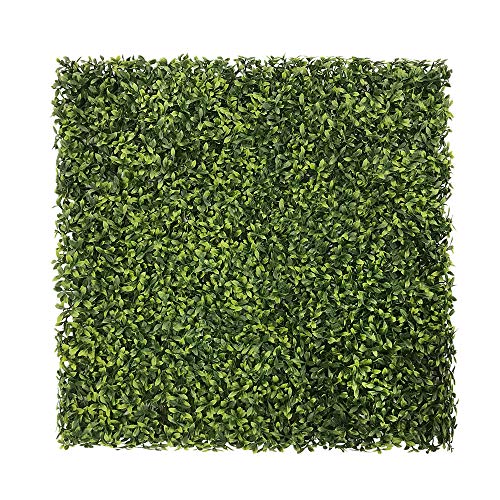
HIGH QUALITY PE MATERIAL: Our artificial fencing panel is made of high density polyethylene, UV&weather-resistant and not easy to fade. It is durable for long-term use and maintenance-free, saving your time and cost-effective.
Selecting Palm Species for Outdoor Living Areas
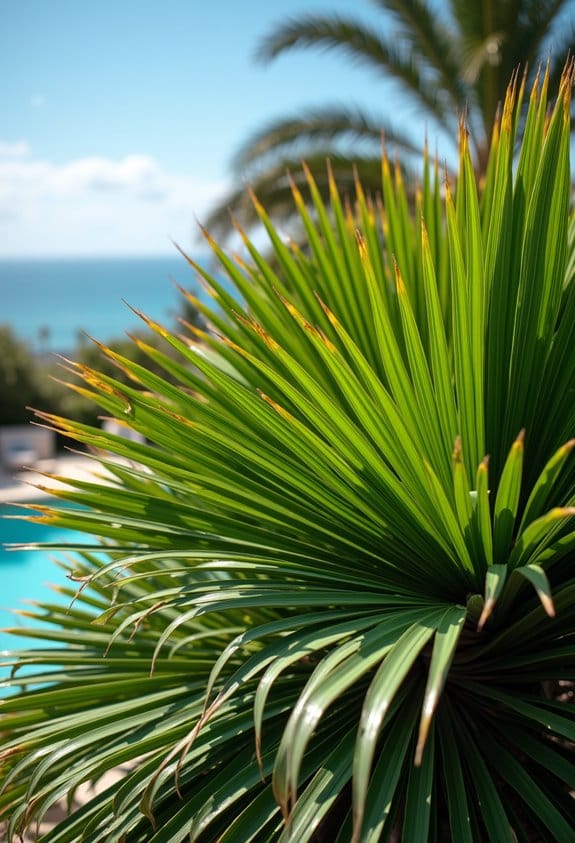
Although size may be a key consideration, selecting palm species for outdoor living areas also requires matching the plant to the available space—larger palms like the Canary Island Date Palm can create dramatic focal points up to 40 feet tall, while dwarf varieties such as the Pygmy Date Palm remain compact at about 6 feet. Climate adaptability is essential; palms like the Areca Palm thrive in warm, tropical landscapes, offering dense foliage yet maintaining sunlight flow. Incorporating palms with distinctive trunk patterns, such as the Foxtail Palm, enhances visual interest. Proper spacing accommodates root systems, supporting healthy growth. Selecting palms must align with specific climate zones, ensuring survivability and ideal display. Thoughtful choice of palm species lays the foundation for attractive, well-functioning outdoor living areas designed for longevity and aesthetic appeal. For coastal environments, prioritizing palms with durability and weather resistance ensures they withstand salty air and strong winds without compromising beauty.
Recommended Products

🔥 BUILT FROM REAL RIDER FEEDBACK – The Romeo Pro 3 is designed based on what riders actually want—longer range, quicker acceleration, smoother suspension, and improved safety. Whether you're commuting, running errands, or heading out for a weekend ride, it delivers a more comfortable, reliable, and enjoyable experience every day.

6 Palm Tree Swivel Bar Stools 30"H Seat Cushions Included, Walnut Color

PREMIUM QUAlITY WOOLEN COMFORT RUG : Crafted from high-quality wool, providing a soft and cozy texture underfoot, enhancing the comfort and warmth in your living spaces.
Strategic Placement of Palms to Enhance Privacy and Shade
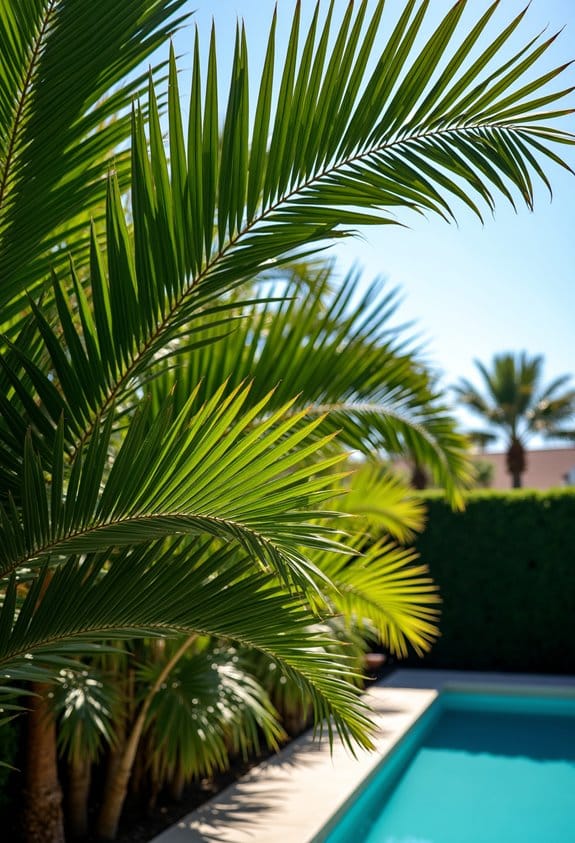
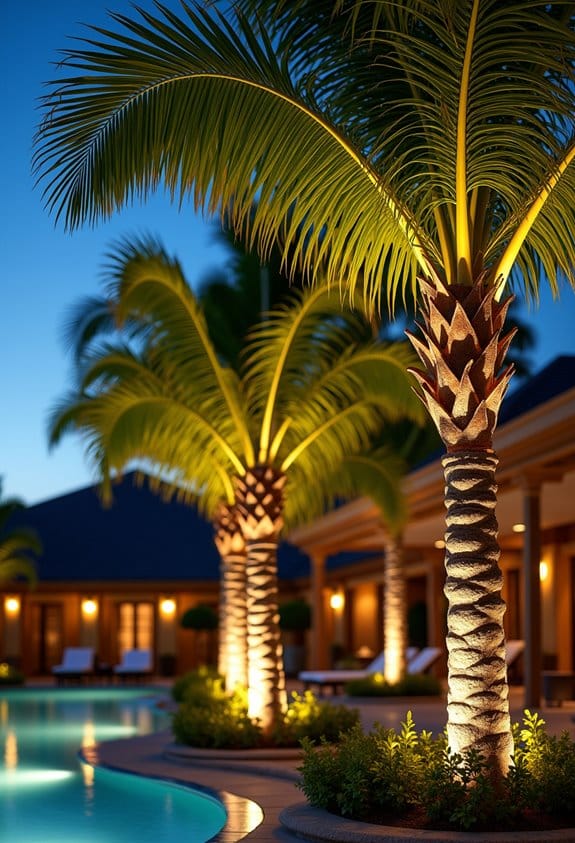
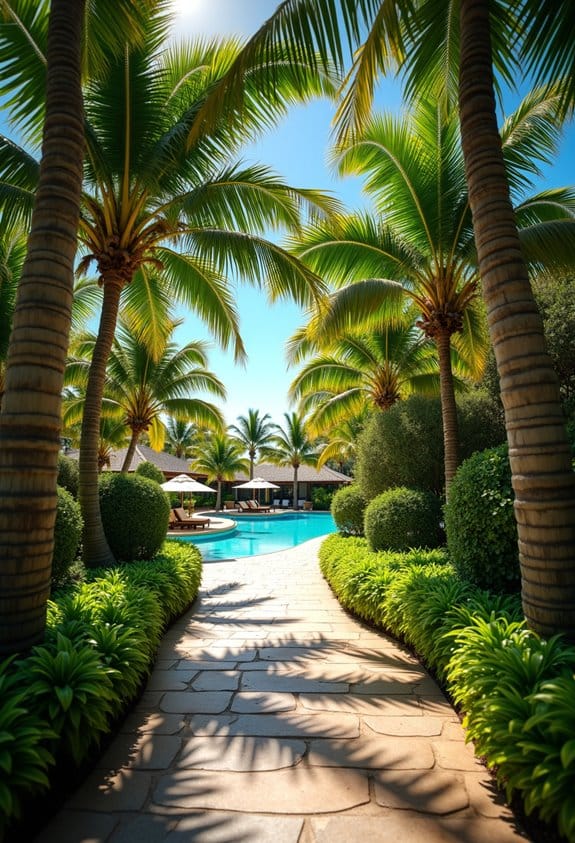
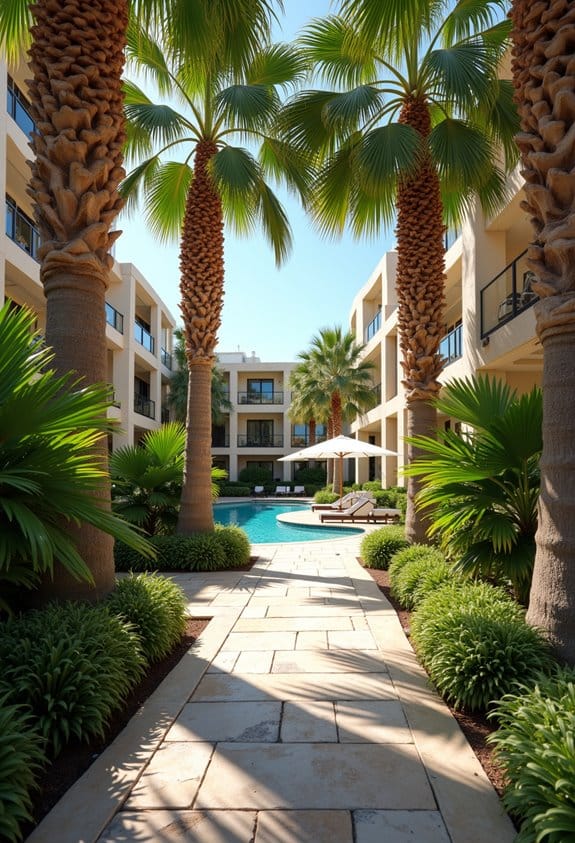
Strategic placement of palms plays an essential role in shaping outdoor living spaces by combining function with aesthetic appeal. Palm trees, such as Piru Queen Palms™, excel at providing dense shade and creating a natural privacy screen around pool areas and patios. Strategically placing palms in rows or clustering around patios forms effective barriers that block unwanted views while preserving airflow and light. Tall palms offer shelter from sun exposure, reducing temperatures by up to 10°F in their shade, which enhances comfort in tropical landscapes. Using medium-sized palms spaced 4 to 6 feet apart guarantees a balanced privacy screen without overcrowding. Clustering palms near seating areas reinforces intimacy and strengthens the tropical vibe, making outdoor spaces visually appealing and functional with enhanced privacy and rejuvenating shade. Additionally, selecting palms with UV-resistant and waterproof materials ensures durability and long-lasting beauty in outdoor environments.
Recommended Products

【ABUNDANT LEDS】: Up to 220 warm white micro LED bulbs nestled on the palm tree cast a subtle glow that adds warmth to your home pool, living room or any setting

【Realistic Tall Trees Artificial】: Our AnTing artificial palm trees are crafted from durable, top-of-the-line plastic material. With vivid colors and a sturdy form, these faux palm trees offer everlasting beauty that won't fade over time. Perfect for indoor and outdoor display, they effortlessly enhance any corner of your space.

Prelit Palm Tree with 3 Coconuts: The palm tree is designed by brown straight trunk and green palm fronds with LED lights. This coconut tree can add some tropical style to your patio, pool, Hawaiian party, tiki bar, Palm Sunday, Christmas decoration, etc
Combining Palms With Complementary Plants and Design Elements
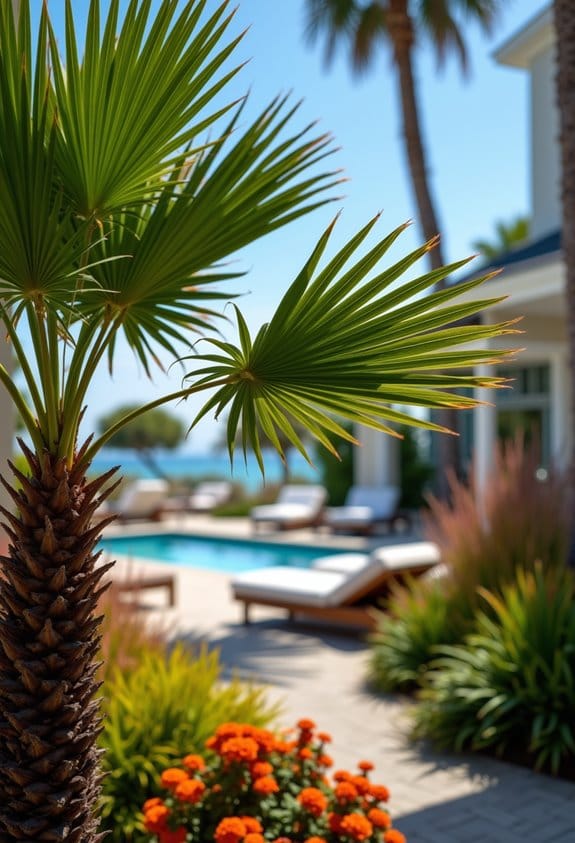
Combining palms with complementary plants considerably elevates the functionality and visual appeal of outdoor living spaces. Incorporating palm trees alongside Golden Bamboo creates an effective privacy screen while reinforcing a tropical aesthetic suited for USDA zones 9-11. Layering smaller palms like Pygmy Date near taller species adds depth and fills gaps around patios or pools. Including flowering plants such as hibiscus and bird of paradise introduces vibrant color contrasts that enliven the landscape. Ornamental grasses and low shrubs soften palm tree bases, enhancing texture and maintaining a cohesive tropical theme. Selecting complementary plants with similar maintenance requirements—including light exposure and watering—ensures reliable growth and reduces care complexity. This strategic combination balances visual interest and practicality, resulting in inviting, well-defined outdoor environments. Additionally, incorporating UV-resistant artificial palm trees can provide year-round greenery with minimal maintenance, perfect for coastal or high-sun areas.
Recommended Products
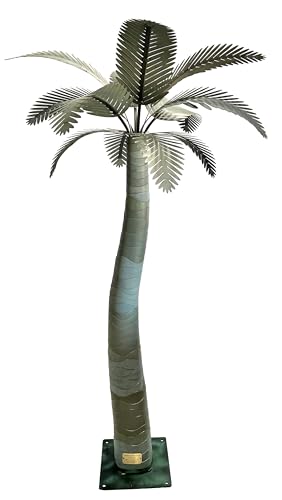
TRUE HANDCRAFTED METAL ART Every Designer Palm is individually shaped by hand—no mass production. Each tree is one-of-a-kind, making it a true statement piece, not just décor.

Palm Leaf Metal Wall Art: This metal wall decoration is a set of three pieces made of palm leaves, creating a natural forest feel. Combining palm leaf elements with modern design, each piece shows the lush tropical leaves, bringing exotic elegance to your space and giving you a sense of returning to nature
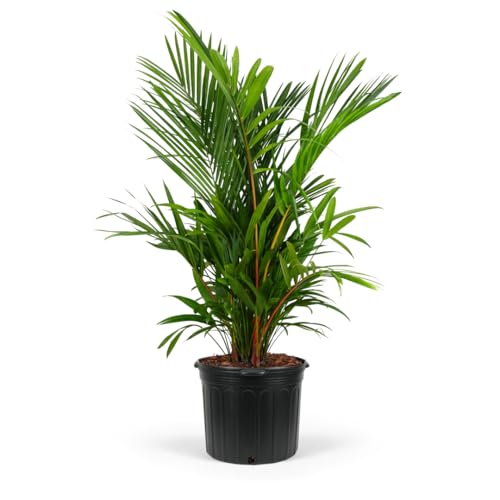
Exotic Beauty: Unique Lipstick Palm with striking red stems and glossy green foliage for a bold, tropical look.
Maintenance Tips for Healthy and Attractive Palm Landscapes
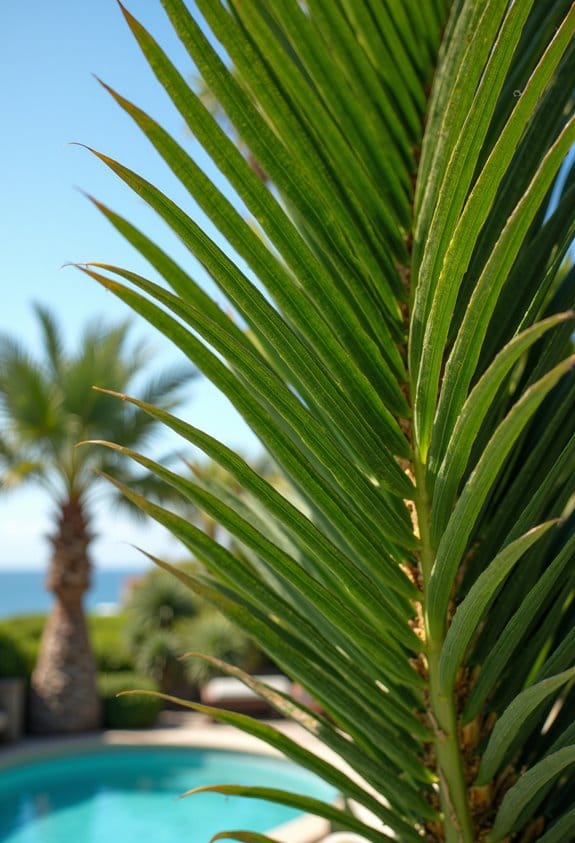
Maintaining palm landscapes requires consistent attention to pruning, pest management, watering, fertilizing, and soil conditions to keep palms healthy and visually appealing. Regular pruning removes dead fronds, promoting new growth and a tidy appearance for many tropical palm trees, particularly in USDA zones 9-11. Monitoring for pests like spider mites or scale insects is crucial, as infestations can quickly weaken palms. Proper irrigation involves watering deeply every 7-14 days during dry spells but avoiding soggy soil to prevent root rot. Ensuring excellent drainage through sandy, well-draining soil reduces disease risk. Applying palm-specific fertilizers with a balanced NPK ratio, typically 8-2-12 plus micronutrients, encourages vibrant foliage and strong growth. These maintenance tips create a sustainable, healthy landscape that enhances the tropical ambiance of outdoor living spaces. Additionally, selecting all-weather artificial palms with UV-resistant materials can provide a low-maintenance alternative that retains visual appeal year-round.
Frequently Asked Questions
Can Palms Live Outdoors?
Palms can live outdoors when suitable palm varieties are selected according to climate for palms. Outdoor palm care includes soil drainage, shade consideration, palm maintenance tips, and monitoring palm pests issues, promoting sustainable palm options and healthy palm growth conditions.
Do Palm Trees Increase Property Value?
Palm trees skyrocket property enhancement, boosting outdoor appeal with tropical aesthetics and landscaping benefits. Real estate trends reveal increased curb appeal, higher investment potential, aligned with buyer preferences, reduced maintenance costs, and positive environmental impact—transforming properties into coveted treasures.
What Is the Symbolism of a Palm Tree?
Palm trees symbolize tropical mythology, embodying resilience representation and peace association. They evoke vacation imagery, exotic beauty, and luxury lifestyle while reflecting cultural significance, growth potential, and isolation effect, reinforcing their powerful and timeless tropical symbolism worldwide.
What Is a Metaphor for a Palm Tree?
A palm tree is a metaphor for resilient giants, graceful dancers swaying like natural umbrellas. Their serene silhouettes evoke tropical paradise and coastal charm, serving as eco friendly features and garden sculptures with exotic allure, sought by sunshine seekers.