As an Amazon Associate, we earn from qualifying purchases. Some links on this site are affiliate links at no extra cost to you. Our recommendations are based on thorough research and editorial judgment.

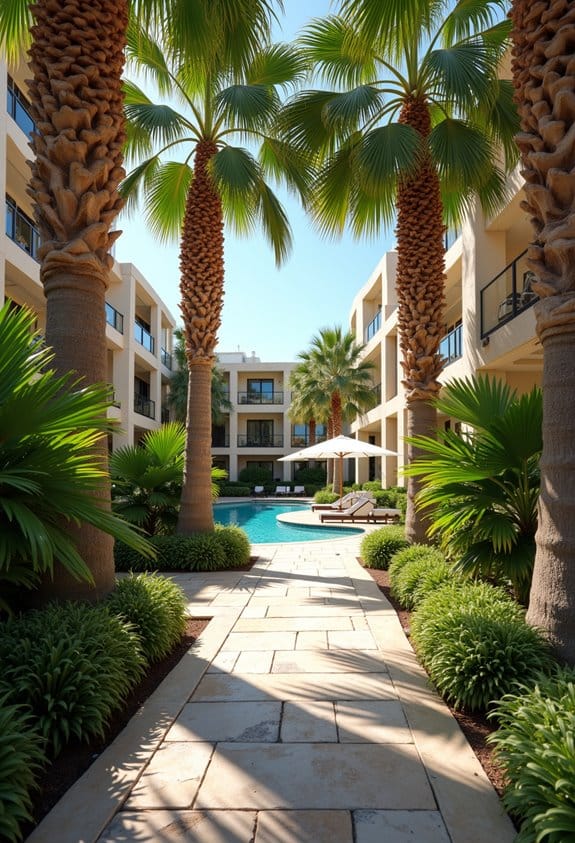
Incorporating Hardscape Elements in Palm-Dominated Landscapes

In palm-dominated landscapes, incorporating hardscape elements like natural stone pathways and permeable pavers enhances durability and visual appeal while supporting water drainage and erosion control. Materials should resist UV exposure and reflect sunlight, maintaining comfort around 80–95°F average climates. Curved pathways avoid palm root damage and blend with organic palm shapes. Including raised terraces and shade structures reduces surface temperatures by up to 20°F. Proper design balances function and aesthetics, fostering sustainable, inviting outdoor spaces. Further insights explore detailed planning and maintenance.
Key Takeaways
- Use natural stone and light-colored permeable pavers to enhance durability, water drainage, and comfort around palms.
- Design curved pathways elevated slightly to protect palm roots and add visual appeal and stability.
- Incorporate retaining walls and terraced areas to manage erosion, support planting, and define outdoor spaces.
- Add wooden decks, pergolas, or synthetic thatch shade structures to improve usability and complement tropical aesthetics.
- Regularly maintain hardscape elements by sealing surfaces, trimming palms, and inspecting for damage from root activity.
Benefits of Hardscaping in Palm-Dominated Landscapes
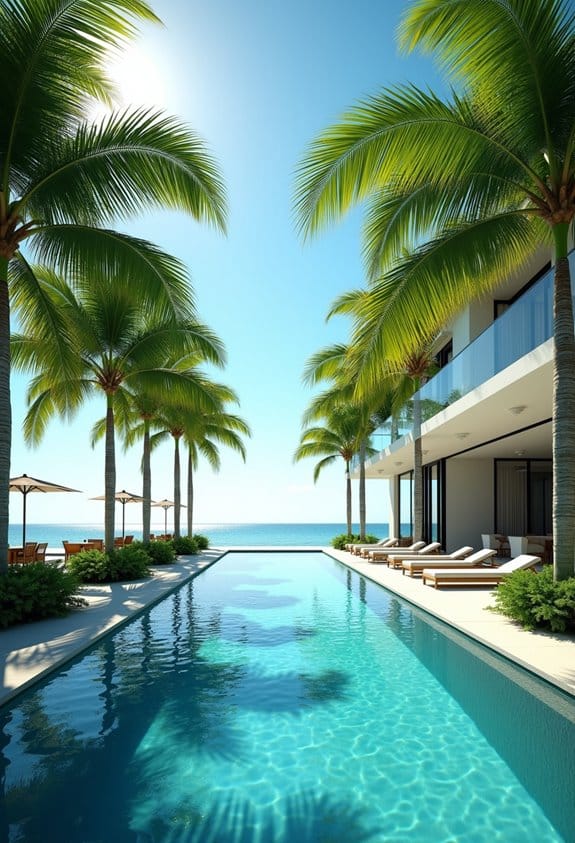
Although palm trees naturally evoke tropical aesthetics, incorporating hardscape elements such as patios, walkways, and retaining walls markedly enhances both the functionality and visual appeal of palm-dominated landscapes. These hardscape materials provide durable, minimal maintenance surfaces that conserve water and complement drought-tolerant plants thriving in zones 9-11. Hardscape elements create defined, functional outdoor spaces ideal for gatherings, dining, or leisure, thereby enhancing usability year-round. Additionally, features like retaining walls effectively support soil, aid in stormwater management, and prevent erosion, which is common due to palms’ shallow roots. Using natural stone or concrete pavers introduces visual contrast against the greenery, adding depth and structure. Incorporating various hardscape materials and designs enables palm landscapes to balance aesthetic charm with practical benefits, essential for sustainable, low-maintenance outdoor environments in tropical and subtropical regions. Furthermore, selecting weather-resistant designs for integrated elements ensures durability and minimal upkeep alongside the palm trees.
Selecting Appropriate Hardscape Materials for Tropical Settings
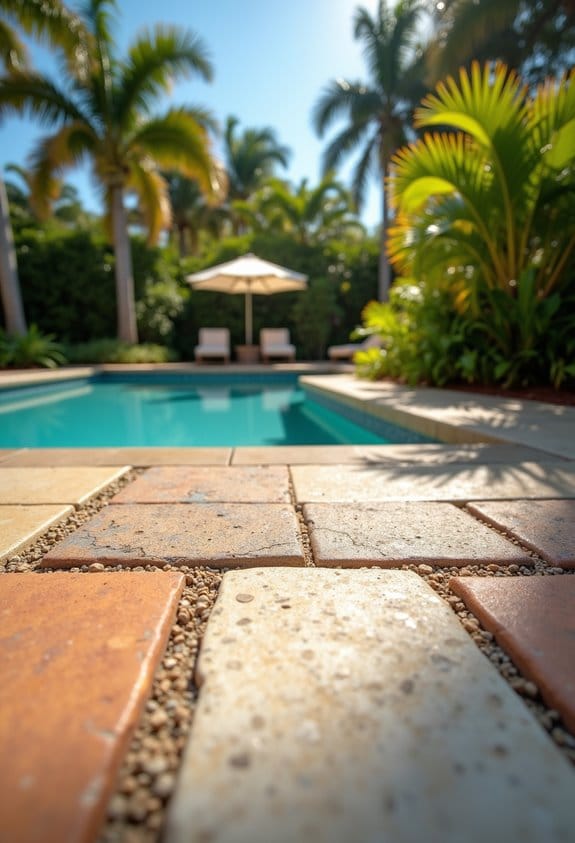
Several key factors influence the selection of hardscape materials in tropical settings, especially within zones 9-11 where palms thrive. Natural stone pathways offer durability and aesthetic appeal, resisting heat and humidity typical of these climates. Durable pavers, especially light-colored ones, reflect sunlight, reducing surface temperature and enhancing outdoor comfort. Incorporating permeable pavers guarantees proper drainage, mitigating water runoff that could harm fragile ecosystems in palm-dominated landscapes. Rounded edges on installed features harmonize with organic palm shapes, creating flowing, natural contours. Sustainability is prioritized by selecting locally sourced materials that reduce transportation impact and support regional ecology. Together, these strategies promote eco-friendly landscaping that withstands tropical stressors while complementing native flora, achieving longevity and environmental responsibility for outdoor living spaces in hot, humid tropical zones. Additionally, incorporating weather-resistant materials rated IP65 or higher ensures the hardscape elements are durable against heavy rain and humidity common in such climates.
Recommended Products

SQ Ft Package - Units - With Installation Anchors! Slide and Lock Technology

DURABLE AND ECO-FRIENDLY: Crafted from 100% recycled PPE plastic, our gravel paver system delivers exceptional strength and longevity; This set includes 11464 units with a 1-inch depth, covering an area of 4350 square feet

Dimensions: 24 x 24 x 1.2 inch - Per Paver
Designing Pathways That Complement Palm Trees
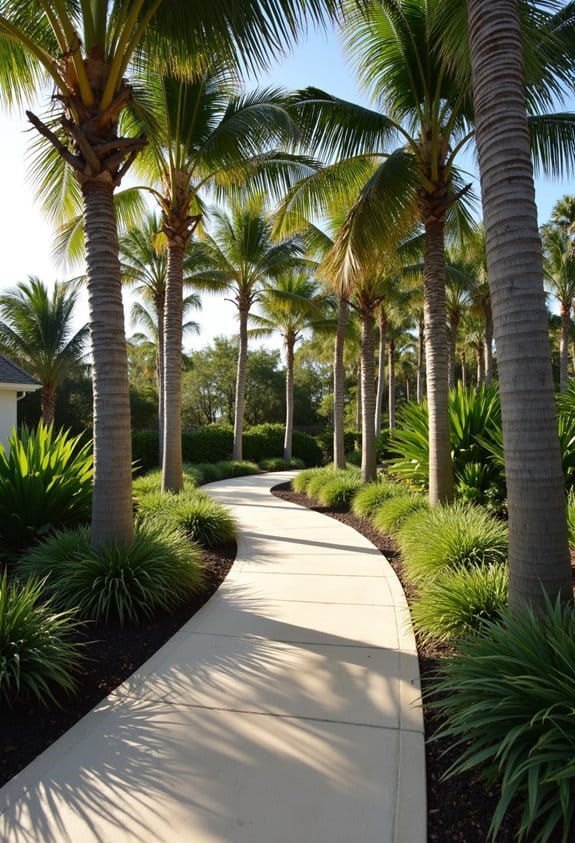
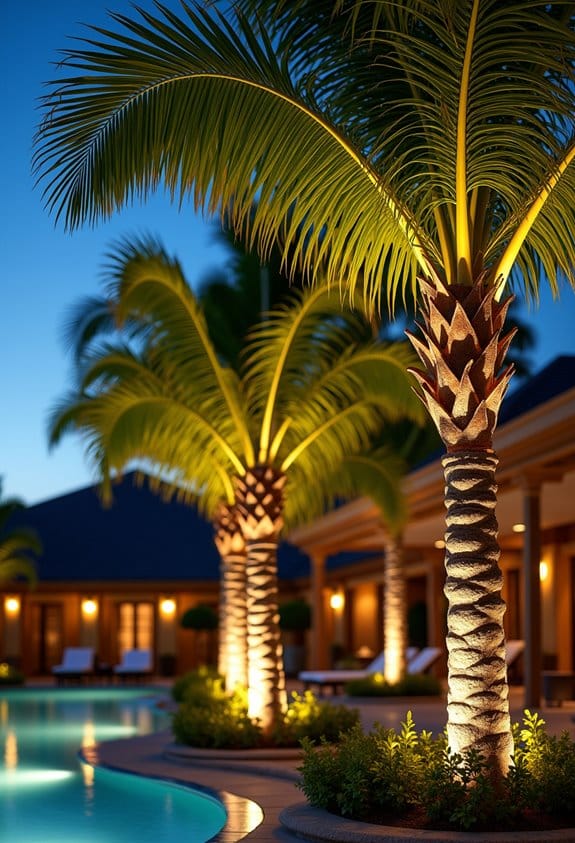
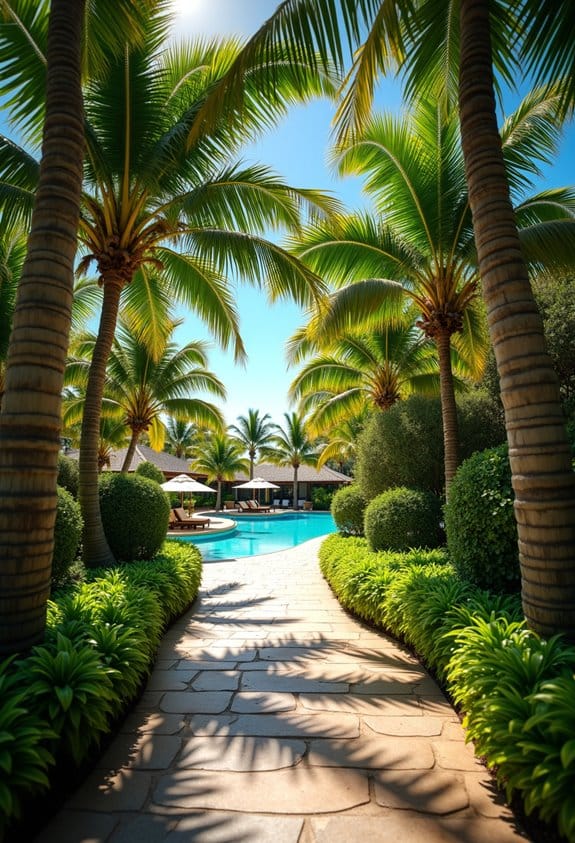
When designing pathways in palm-dominated landscapes within USDA zones 9-11, it is essential to use materials like natural stone or durable pavers that withstand temperatures ranging from 30°F to over 100°F while providing slip resistance during humid conditions. Effective hardscape design incorporates curved, meandering pathway designs that echo the organic shapes of palm trees, enhancing visual appeal and creating an inviting atmosphere. Utilizing permeable materials aids in managing water runoff, supporting the local ecosystem and preserving palm root health. Slight pathway elevation avoids root damage, ensuring stability for mature palms. Strategic lighting along paths highlights palm trees and improves nighttime safety, extending outdoor usability. These design elements together balance function and aesthetics, ensuring pathways harmonize with the surrounding palms while promoting longevity and environmental care. For enhanced visual interest and minimal upkeep, consider incorporating artificial palm trees with LED lighting options along walkways to create ambiance without additional maintenance.
Recommended Products
DURABLE AND ECO-FRIENDLY: Crafted from 100% recycled PPE plastic, our gravel paver system delivers exceptional strength and longevity; This set includes 488 units with a 1-inch depth, covering an area of 1450 square feet

GREAT GARDEN DECORATION – This impressive adornment was specifically created for garden landscaping and supporting heavy fixtures like rain barrels and A/C units. Also great for backyard patios, barbecue pads, walkways, grass-to-garden borders, stepping stones, pool pump slabs, lawn accents, and more.

COLOR ENHANCING SEALER: Protect your natural stone, brick, concrete and more while enriching their natural colors with Stain Proof Color Enhancing Sealer.
Creating Functional Outdoor Living Spaces With Hardscape Features
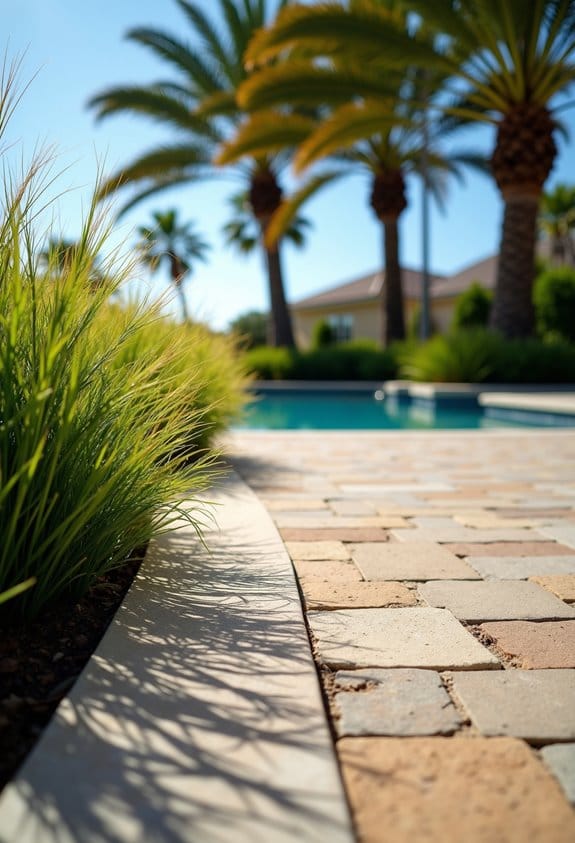
Crafting outdoor living spaces within USDA zones 9-11 involves integrating hardscape features like patios and walkways that balance function with aesthetic appeal amidst palm trees. Creating functional outdoor living spaces includes durable materials such as natural stone and pavers, which withstand temperatures above 90°F and high humidity, ensuring longevity. Fire pits and outdoor kitchens establish inviting social areas tailored for recreation and relaxation. Retaining walls construct terraced areas that improve visual appeal while managing soil erosion on sloped sites. These walls also facilitate diverse planting opportunities that complement palm vegetation. Thoughtful placement of hardscape features enhances accessibility and defines zones, allowing smooth movement throughout. Together, these components form cohesive, durable landscapes designed specifically for tropical conditions typical of palm-dominated environments. To maintain the vibrant look of palm settings year-round, incorporating UV-resistant palm trees is essential for long-lasting outdoor aesthetics.
Recommended Products

Wooden Outdoor Gazebo: This gazebo is crafted from high-quality wood and is perfect for barbecues and parties. You can enjoy BBQ time or party time on the outdoor deck, lawn, garden and backyard! In addition: Additional water based stain is recommended for better protection and Longer service life

MOST PREFERRED PAVING MATERIAL by home and landscape professionals

For use inside or out on a variety of surfaces including sanded grout, flagstone, terra cotta, limestone, sandstone and more to protect against water, stains and slippage
Enhancing Aesthetic Appeal Through Contrasting Textures
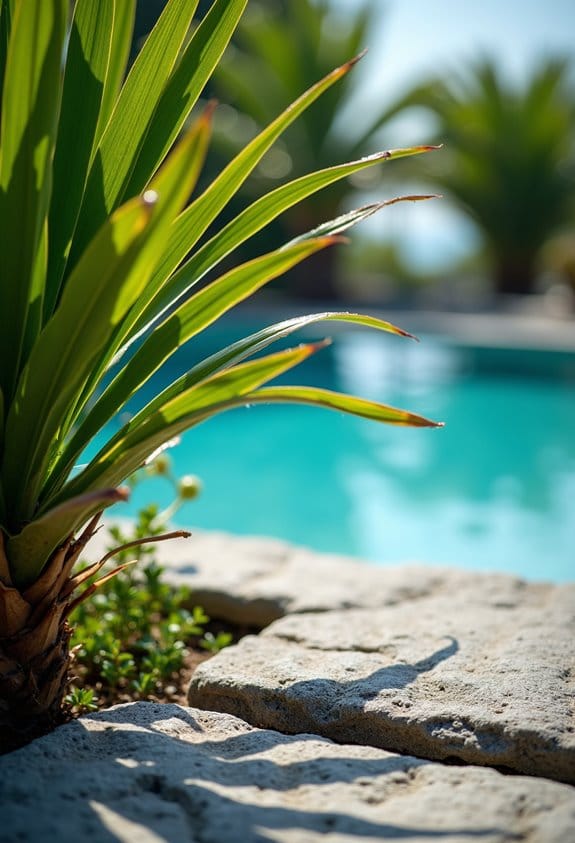
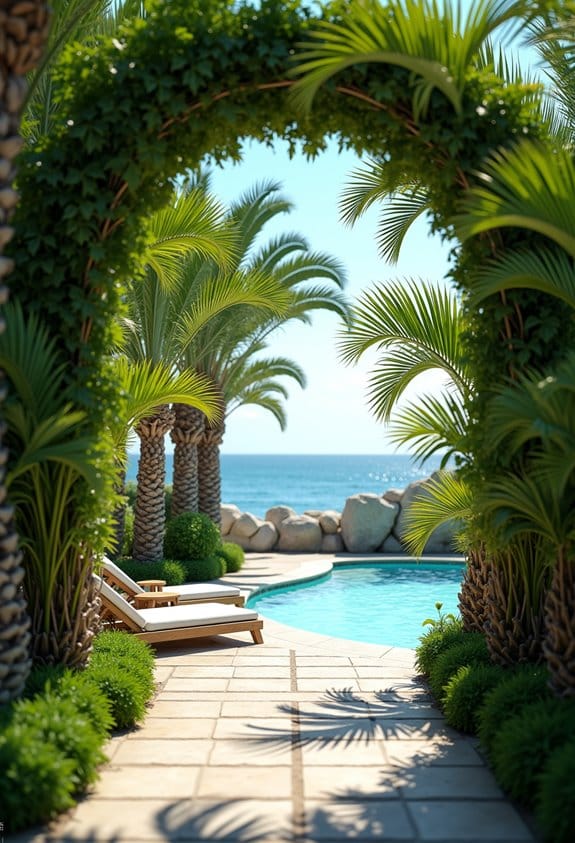
Enhancing the visual impact of palm-dominated landscapes often involves incorporating contrasting textures through well-chosen hardscape elements. Stone pathways, crafted from rustic pavers or natural flagstone, introduce ruggedness that balances the softness of palm fronds, boosting visual appeal by creating dynamic contrast. These textured materials add dimensionality to landscape design and highlight the vibrant greens of palm foliage, especially when warm earth tones are selected. Wooden decks or pergolas positioned near palm clusters not only provide functional seating areas but also form cohesive outdoor areas that merge hardscape texture with natural palm elegance. Thoughtful placement of these elements defines spatial flow and guides foot traffic efficiently, enhancing both aesthetic appeal and usability. Such deliberate textural contrast furthers visual interest, making palm-centric landscapes more engaging and inviting without sacrificing harmony. Incorporating durable materials like rust-resistant metal and natural fibers in planters complements hardscape elements while ensuring the health and longevity of palm trees.
Integrating Water Features to Amplify Tropical Ambiance
Water features such as fountains, ponds, or waterfalls serve as vital design elements that elevate the tropical ambiance in palm-dominated landscapes across USDA zones 9 to 11. Integrating water features creates a visual focal point while promoting a serene atmosphere through the gentle sound of flowing water. Aquatic plants like water lilies enhance biodiversity and reinforce the tropical aesthetic. Strategically placing these elements reflects sunlight, producing dappled light patterns that add depth and visual interest to surrounding palm foliage. Additionally, water features contribute to effective drainage and stormwater management, essential for managing heavy rainfall common in these zones. Properly designed water elements balance both aesthetic appeal and ecological function, proving indispensable in creating lush, dynamic palm-dominated landscapes with sustainable, vibrant tropical ambiance. Incorporating solar-powered lighting around water features can further enhance the nighttime ambiance while maintaining energy efficiency.
Recommended Products

Sold on Amazon
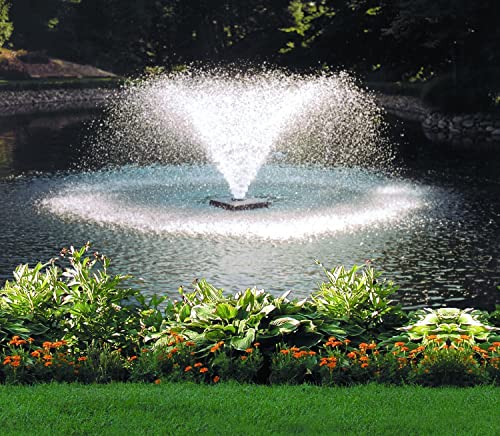
The DA-20 Display Aerator Is the Work Horse of the Scott Aerator Product Line, Forcefully Moving 450 Gallons of Water per Minute in a Cascading, Funnel Shaped Pattern. Flow Rates Like the Ones the DA-20 Produces Clears Most Surface Debris From a Pond While Maintaining Clean and Clear Water. All While Adding a Large Amount of Oxygen to the Pond. The DA-20 Lines Are Fantastic Lake Aerators.

STATEMENT CENTERPIECE: Standing nearly 7 feet tall, this 4-tier garden water fountain for outdoors, topped by a sculpted pineapple finial, delivers the visual impact of a hand-cast stone fountain without the commitment. The largest tier measures 43.5" diameter x 6" H, the next tier is 27.5" diameter x 5" H, the next tier is 20" diameter x 4" H, and the top tier is 14" diameter x 3" H. The bottom of the patio fountain measures 17.5" diameter x 20" H. The fountain weighs 114 lb when assembled.
Using Shade Structures to Balance Sun and Shade
Integrating shade structures such as pergolas or shade sails in palm-dominated landscapes within USDA zones 9 to 11 addresses the intense sunlight common in these regions, providing comfort and usability to outdoor spaces. These structures manage heat effectively, reducing temperatures by up to 20 degrees Fahrenheit compared to unshaded areas, thereby enhancing functionality for social gatherings and relaxation. Incorporating vertical elements like trellises encourages climbing plants to add natural shade while enriching aesthetic appeal. Carefully positioned shade structures create balanced sun and shade, promoting plant health and supporting biodiversity by offering varied habitats. The combination of shade sails or pergolas with palms contributes significant visual interest, transforming outdoor environments into inviting spaces that thoughtfully integrate hardscape and living elements. Additionally, using synthetic thatch roofing on shade structures can enhance the tropical ambiance while providing durable, weather-resistant cover.
Recommended Products
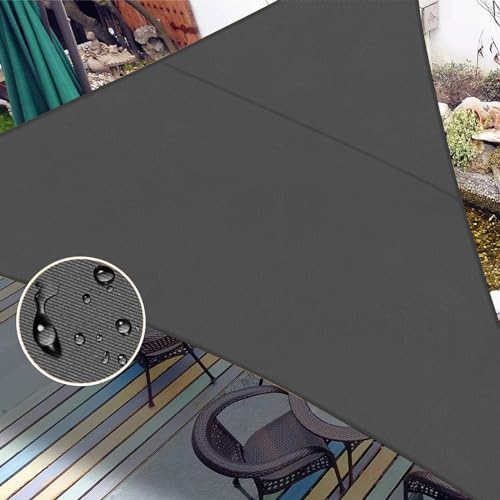
【About Measurement】Please refer to the diagrams before purchasing. You’ll need to leave 0.5-1 ft of space for accessories to avoid buying an oversized shade. Due to the characteristics of this fabric, there may be a tolerance of ±2 inch from the outer edge of one D-ring to the outer edge of the other D-ring

【UV Block Cooling】Constructed from high-density 200GSM HDPE, this sun sail filters out harsh UV rays and drops ambient temperatures by 10-15°F, delivering cool and comfortable shade for decks, lawns or playgrounds.

Package Includes: Package includes 1 shade sail which is made of waterproof oxford fabric measuring 14x18 feet with D-rings and 4 sun shade sail ropes. Our sun shade sail is made of excellent material with 4 sizes and many colors and is durable, outdoor shade sail will protect your flowers, plants and cars from the sun exposure, making your patio private and cool.
Combining Hardscape and Softscape for Environmental Sustainability
When hardscape elements such as permeable pavers and retaining walls are combined thoughtfully with softscape features like palms and drought-tolerant plants, landscapes within USDA zones 9 to 11 can achieve significant environmental sustainability. Integrating xeriscaping techniques with drought-resistant plants conserves water resources while supporting local climate adaptation. Using eco-friendly materials for hardscape and landscape elements reduces a project’s carbon footprint, fostering sustainable practices. Softscape landscaping with native palms and heat-tolerant species enhances biodiversity, promoting ecosystem resilience. Additionally, creating functional spaces that blend water features made from sustainable materials provides natural cooling and wildlife habitats. This balanced approach mitigates stormwater runoff and encourages better drainage, reinforcing environmental sustainability while maintaining aesthetic appeal in palm-dominated landscapes. Selecting palm tree canopies with waterproof ratings of IP65 or higher ensures durability and continuous environmental benefits through all weather conditions.
Considering Climate and Drainage in Hardscape Planning
Although palms thrive in USDA zones 9 to 11 with moderate rainfall, hardscape planning must carefully address drainage to prevent water accumulation near root zones. Effective drainage planning in palm-dominated landscapes focuses on facilitating consistent water runoff while reducing root rot risks. Incorporating permeable hardscape materials, such as permeable pavers and gravel, supports sustainable practices by allowing water to infiltrate soil efficiently. Considering the local climate’s rainfall and flooding potential guides the elevation of hardscaping elements like patios at least 4 to 6 inches above soil grade. Integrating drainage features, including French drains or swales, captures excess water, directing it away from palms. These well-designed elements prevent pooling and soil saturation, preserving palm health while ensuring hardscapes withstand seasonal storms and intense precipitation without damage. Additionally, selecting UV resistant materials for outdoor hardscape components helps maintain their durability and appearance under prolonged sunlight exposure.
Maintenance Tips for Hardscape Elements in Palm Landscapes
Because palm roots can extend under and disrupt hardscape surfaces, regular inspections for cracks or shifting should occur at least twice yearly, especially in USDA zones 9 through 11. These maintenance tips help preserve structural integrity in patios and walkways heavily exposed to root activity. Applying sealant to pavers or concrete materials every two to three years protects against moisture absorption and staining from palm sap or fallen fruit. Cleaning hardscape surfaces with a pressure washer quarterly removes debris and slippery palm fronds buildup. Regularly trimming palm fronds prevents damage from heavy fronds scratching or wearing surfaces. Installing edging around patios or walkways creates a barrier to invasive roots while defining landscape boundaries. Together, these measures prolong hardscape element longevity in palm-dominated landscapes, combining functionality with aesthetic appeal. Additionally, incorporating UV-resistant artificial palm trees can reduce root-related hardscape damage while maintaining tropical aesthetics.
Professional Design Strategies to Harmonize Hardscaping With Palm Foliage
Effective design strategies integrate hardscape elements with palm foliage to create a cohesive outdoor environment, especially in USDA zones 9 through 11. Professionals recommend using varied materials like natural stone pavers and concrete with palm-inspired patterns to enhance the landscape’s visual interest and value. Curvilinear designs mimic palm frond shapes, creating flow and guiding movement while contrasting pathways or patios balance the lightness of palm foliage. Incorporating raised garden beds or retaining walls that reflect palm bark colors further strengthens aesthetic unity. Strategically placed hardscape features provide shaded areas beneath palms, improving functionality without disrupting natural beauty. These design techniques collectively create a harmonious relationship between hardscape and palm foliage, enhancing the overall outdoor space’s appeal and usability across palm-dominated landscapes.
Frequently Asked Questions
What Is the Rule of 3 in Landscaping?
The rule of 3 in landscape design emphasizes grouping elements to achieve visual balance and color harmony. It guides plant selection, texture variety, and hardscape integration, enhancing focal points, seasonal interest, sustainable materials, and maintenance tips for cohesive landscapes.
What Is an Example of a Hardscape Item in the Landscape?
Stone pathways serve as striking hardscape solutions, showcasing sturdy walkways materials. Alongside patio design, retaining walls, and water features, these decorative stones enhance outdoor kitchens, fire pits, garden benches, and fencing options, fostering functional, fashionable landscapes.
What Are the Elements of Hardscape?
The elements of hardscape include pathway materials, outdoor seating, water features, retaining walls, decorative stones, garden structures, fire pits, fencing options, landscape lighting, and various hardscaping techniques that enhance both functionality and aesthetics.
What Are the 4 Types of Cultural Landscapes?
Ironically, cultural landscape examples range from designed to vernacular, historic, and ethnographic types. These reflect human-environment interaction, historical landscape influences, and indigenous practices, shaping urban and rural cultural landscapes with preserved heritage, memory significance, and aesthetic values.