As an Amazon Associate, we earn from qualifying purchases. Some links on this site are affiliate links at no extra cost to you. Our recommendations are based on thorough research and editorial judgment.


Creating Windbreaks in Coastal Gardens Using Palms

Creating coastal windbreaks with palms requires choosing salt-tolerant species like Sabal palmetto or Washingtonia robusta, which withstand winds up to 80 mph and thrive in sandy, saline soils. Plant holes should be twice the root ball width, with bases slightly above ground, ensuring good drainage and pH near 6.0-6.5. Regular trimming and watering support strong roots and reduce storm damage. Proper maintenance promotes resilient palms that stabilize soil effectively. Further insights explore ideal species selection and soil management.
Key Takeaways
- Choose salt-tolerant palm species like Sabal palmetto and Washingtonia robusta for effective coastal windbreaks.
- Plant palms in well-drained soil with holes twice the root ball size and base slightly above ground level.
- Regularly trim fronds to maintain structural balance and reduce wind resistance during storms.
- Ensure consistent watering during the first year to develop strong root systems for wind resilience.
- Use palms with flexible fronds and single-trunk design to minimize storm damage and stabilize soil.
Benefits of Palms for Coastal Windbreaks
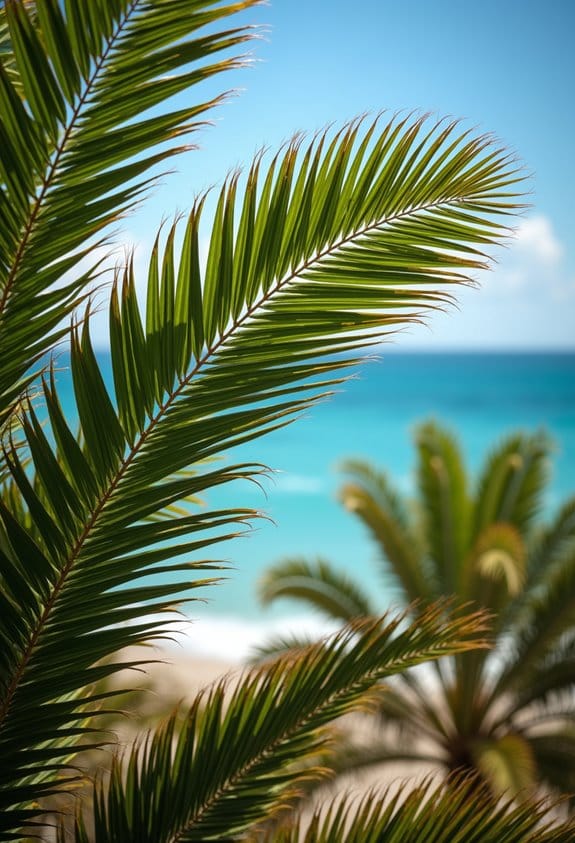
Palms like Sabal palmetto and Washingtonia robusta are excellent choices for coastal windbreaks due to their unique single-trunk design and flexible fronds, which withstand winds up to 80 mph. These palm species exhibit significant wind resistance, bending rather than breaking during storms, preserving structural integrity. In coastal landscaping, their salt-tolerant nature helps maintain health in saline soils, improving soil stabilization and reducing erosion. Incorporating fast-growing palms such as Butia capitata adds valuable aesthetic appeal while enhancing protective diversity. Proper maintenance, including moderate trimming and disease control, guarantees palms remain resilient and effective windbreaks. Their combination of durability, growth rate, and salt tolerance provides a reliable solution for strengthening coastal gardens against harsh weather without sacrificing visual charm or practicality. Additionally, selecting palms with heavy-duty bases and ground stakes ensures stability against strong coastal winds and weather conditions.
Selecting Salt-Tolerant Palm Species
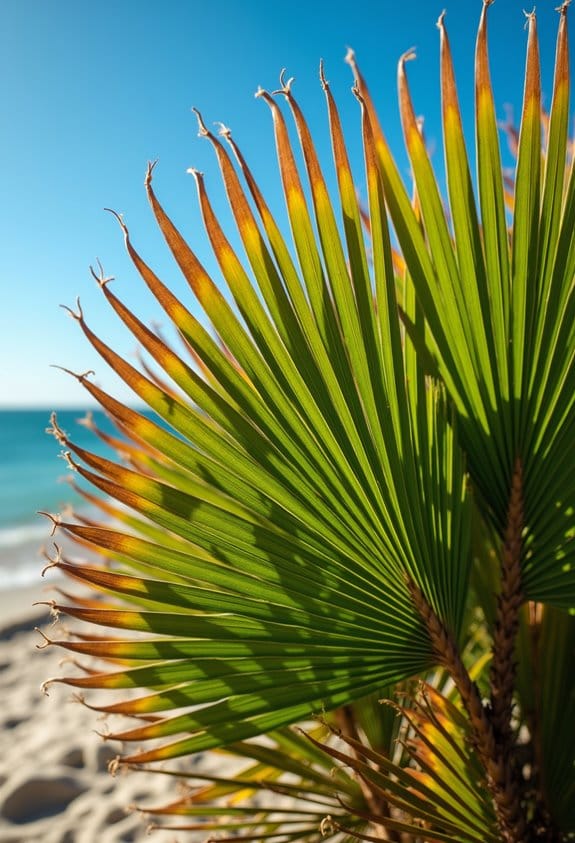
Selecting salt-tolerant palm species is critical for establishing effective coastal windbreaks capable of withstanding ocean spray and saline soil conditions. Sabal palmetto, well-known for its flexible fronds, bends during high winds, reducing damage while thriving in sandy soils typical of coastal gardens. Phoenix canariensis offers both elegance and sturdiness, tolerating salt exposure and providing reliable wind resistance. Washingtonia robusta grows rapidly, reaching heights over 70 feet, making it ideal for tall windbreaks that shield against severe coastal gusts. These salt-tolerant palms require attentive moisture management, ensuring roots do not dry out despite sandy, fast-draining soils. Selecting species adapted to salt spray, strong winds, and coastal soil conditions is essential to craft enduring, functional windbreaks that protect garden environments with both form and resilience. Additionally, incorporating UV-resistant fronds from artificial palm trees can enhance windbreak durability where natural palms may struggle.
Recommended Products


🌴 Lifelike Phoenix Palm Tree – Standing 7ft tall, this artificial phoenix palm tree features 18 oversized fronds made of premium PE material and real palm silk. The large, vibrant feather-like leaves are more realistic and durable than ordinary silk, keeping a lush tropical look all year round.

【Realistic Palm Tree】-- 2 Pack Artificial Areca Palm Tree is designed according to the appearance of tropical palm plants, each leaf has a natural and bright luster and a real touch. Every detail has been carefully designed to achieve the realistic effect of real trees.
Planting and Establishment Tips
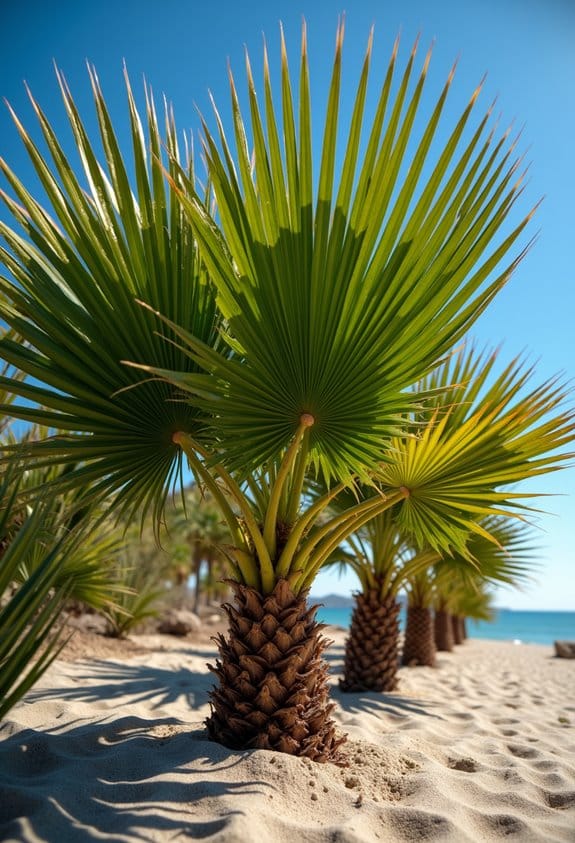
Establishing windbreak palms requires careful site preparation, including digging planting holes at least twice the root ball’s width and positioning the base slightly above grade to prevent water accumulation. In coastal areas, selecting salt-tolerant species enhances wind resistance and guarantees survival in sandy, low-nutrient soils. Effective planting techniques emphasize developing robust root systems through regular watering, especially during the first year. Although palm trees are generally low maintenance, monitoring for pests and diseases during establishment protects vigor and structural integrity. Moderate, frequent trimming contributes to healthier palms that better withstand strong winds. By adhering to these guidelines, gardeners can create resilient windbreaks that thrive under coastal conditions while minimizing upkeep demands. These steps collectively support the successful integration of palms as durable, efficient barriers against coastal winds. For outdoor windbreaks, choosing palms with UV resistance enhances color retention and material durability under intense sunlight.
Maintenance Practices for Storm Resilience
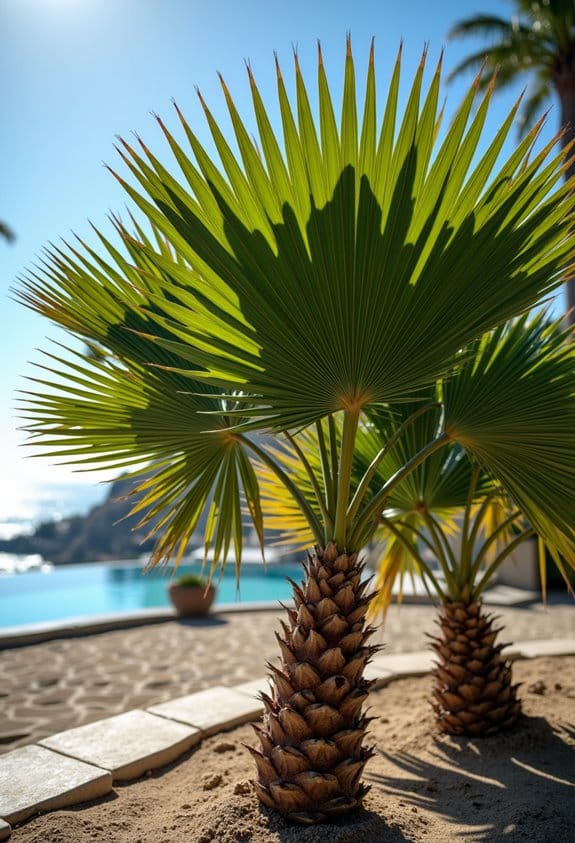
Maintaining windbreak palms in coastal gardens demands regular trimming of fronds to preserve structural balance and minimize wind resistance during storms. Winter trimming, especially for palm varieties like Sabal palmetto and Washingtonia robusta, supports strong root development and enhances overall storm resilience. Consistent moisture is essential during establishment, encouraging root systems that secure these wind-resistant trees against gusty conditions. Disease management through timely inspections detects fungal infections or pests, reducing vulnerabilities that compromise structural integrity. After storms, removing damaged fronds allows palms to redirect energy toward recovery and growth. Conducting regular inspections every 4 to 6 weeks enables early intervention, optimizing windbreak performance. These maintenance practices collectively prolong palm health, ensuring coastal gardens remain protected from severe weather with minimal wind damage and sustained shelter benefits. Additionally, selecting palms with durability features such as UV resistance and weather-resistant materials helps maintain their protective function over time.
Recommended Products

COMPLETE PALM TREE FOOD: Lutz Palm Tree Manganese Spikes offer a balanced tree fertilizer spike formula tailored for palms and ferns. With essential nutrients like manganese (20%), magnesium (6%), sulfur (16%), and nitrogen (4%), these plant food spikes combat common deficiencies and promote lush growth in your garden, making them an ideal choice for enriching your tree spikes fertilizer routine.

Finally Available On Amazon! You Asked And We Listened, So The Most Popular Fertilizer For Palms Is Now On Amazon.

12-4-12
Managing Soil Conditions in Coastal Areas
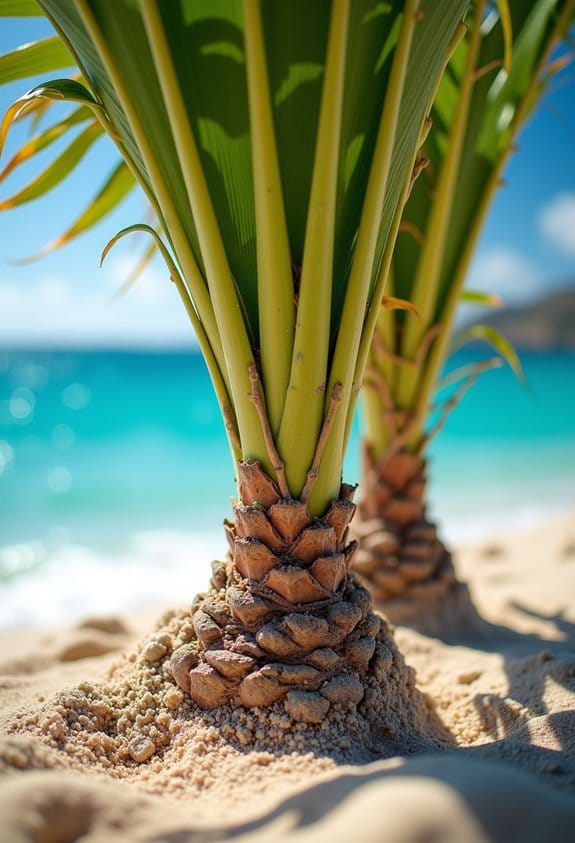
Addressing soil conditions effectively is crucial for supporting palm growth in coastal gardens, where pH levels ideally range between 6.0 and 6.5 to sustain root function and nutrient uptake. Palms thrive in well-drained soils; poor drainage increases the risk of root rot, particularly in sandy coastal environments. Effective soil management includes incorporating organic amendments like compost or mulch, which enhance soil structure and nutrient levels. Regular soil testing is necessary to monitor pH and essential nutrients, facilitating timely adjustments that support plant health. Coastal palm varieties require salt tolerance, as excessive salinity stresses root systems and reduces growth. Maintaining balanced soil conditions through attentive management promotes strong, resilient palms that contribute effectively to windbreaks while ensuring long-term garden health in challenging coastal landscapes. For garden areas where natural palms struggle, fake palm trees could serve as a durable and attractive alternative.
Designing Effective Palm Windbreaks
Creating an effective palm windbreak begins with selecting species that withstand coastal salt spray and wind pressures common in USDA zones 9 to 11. Palms like Sabal Palmetto offer excellent wind resistance due to their flexible fronds, which bend but rarely break under gusts. Implementing staggered configurations enhances airflow disruption, improving protection for gardens behind the windbreak. Incorporating a diverse mix of palms increases ecological resilience, minimizing damage from pests or diseases while adding visual interest. Maintenance plays a vital role, with regular moderate trimming and disease monitoring preserving structural integrity. In coastal gardens, these combined strategies create windbreaks that adapt well to harsh environments, optimizing wind protection and longevity while requiring minimal intervention. Ultimately, thoughtful design guarantees sustainable shelter tailored to coastal microclimates and variable wind conditions. Using artificial Kentia palms with UV-resistant materials can provide a maintenance-free, durable option to supplement natural windbreaks in semi-outdoor spaces.
Recommended Products

The Palm Tree decorated with 96 LED light, more for trunk. Material Type: Plastic

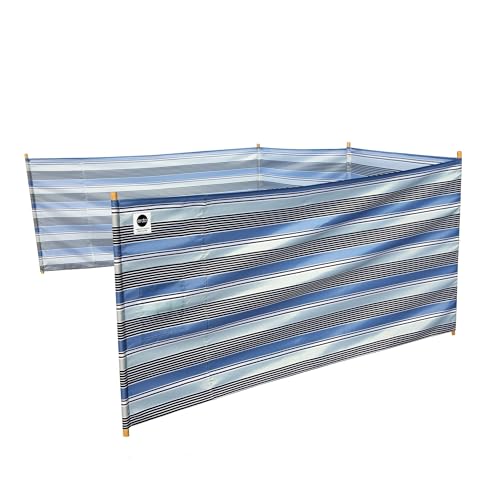
UPGRADE YOUR BEACH SPOT - Block wind and blowing sand | Create privacy | Define your personal space | Keep your beach spot organized and secure.
Frequently Asked Questions
Do Palm Trees Help With Wind?
Palm trees provide significant wind resistance, influencing wind patterns and reducing storm damage. Their varying tree height and specific palm species enhance coastal protection, offering landscaping benefits and positive environmental impact within garden design strategies focused on durability and resilience.
What Is the Most Effective Windbreak?
Like a woven tapestry, the most effective windbreaks combine diverse palm species with strategic planting techniques and soil preparation, enhancing wind resistance in coastal gardening. Tree maintenance guarantees sustainability while fostering microclimates and elevating landscape aesthetics in garden design.
Why Do People Cut the Top of Palm Trees?
People cut the top of palm trees to enhance palm tree aesthetics and maintain uniform height, despite palm tree pruning risking palm tree growth issues. Proper palm tree maintenance guarantees palm tree health, preventing palm tree diseases and supporting palm tree nutrition.
How Strong Does the Wind Have to Be to Knock Down a Palm Tree?
How strong must wind be to topple a palm? Apparently, over 100 mph mocks the sturdy Sabal palmetto, whose wind resistance mocks lesser trees. Palm types, growth patterns, and tree health defy typical storm damage in tropical coastal climates.