As an Amazon Associate, we earn from qualifying purchases. Some links on this site are affiliate links at no extra cost to you. Our recommendations are based on thorough research and editorial judgment.

How to Revive a Struggling Outdoor Palm Tree

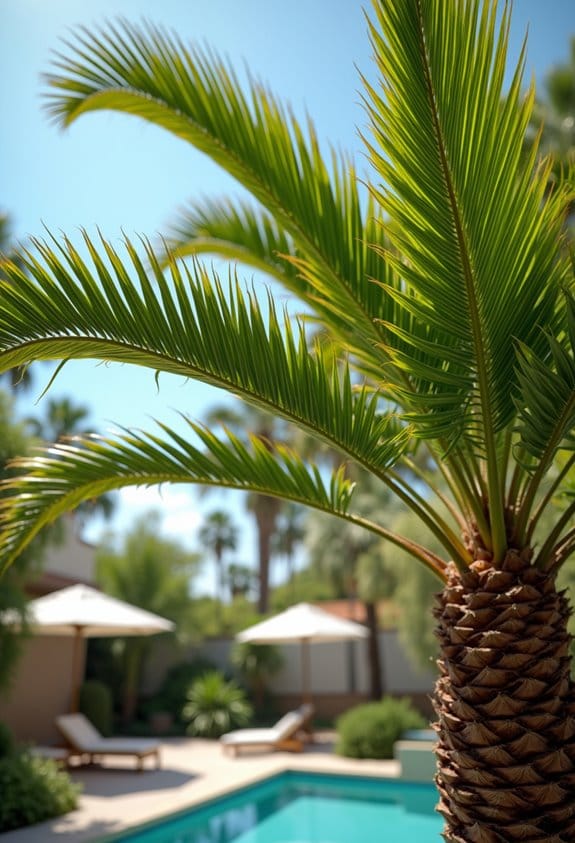
To revive a struggling outdoor palm tree, first identify browning fronds or wilting as stress signs. Water daily for two weeks post-planting, soaking the entire root ball and adjusting frequency in hot weather. Apply high-quality, slow-release fertilizer during spring, keeping it two feet from roots. Prune only fully brown fronds using sharp shears between February and April. Inspect regularly for pests like spider mites and maintain well-draining soil with 30% sand. Additional steps can optimize palm recovery and health.
Key Takeaways
- Deeply soak the root ball with water daily for the first two weeks to ensure proper hydration and prevent drought stress.
- Remove only fully dead or brown fronds using clean, sharp shears to preserve the tree’s nutrients and avoid damage.
- Apply a high-quality, slow-release palm fertilizer in spring or summer, keeping a two-foot distance from the root ball.
- Inspect leaves regularly for pests like spider mites and treat with systemic insecticide every 4-6 weeks if necessary.
- Improve soil drainage by mixing sand (about 30%) and mulch the root zone in winter to stabilize soil conditions and protect roots.
Identifying Signs of Stress in Your Palm Tree
How can one accurately identify signs of stress in an outdoor palm tree before damage becomes irreversible? Browning fronds are often the first visible indicator, signaling possible nutrient deficiency or environmental strain. Nutrient deficiency typically results in yellowing or browning leaves, especially in newly planted palms adjusting to their surroundings. Inspecting the underside of leaves is essential for detecting pests such as spider mites or scale insects, which weaken trees by feeding on sap. Monitoring for wilting, stunted growth, or discoloration provides early warning. Evaluating soil drainage and root health is recommended, as poor conditions amplify stress symptoms. Timely, detailed observation of these signs, paired with routine checks, enables swift intervention to prevent irreversible damage in palms growing in USDA zones 9 through 11 with temperatures above 50°F, fundamental for their resilience and liveliness. Additionally, selecting palm varieties with appropriate weather resistance ratings can reduce the likelihood of stress caused by harsh coastal conditions.
Proper Watering Techniques for Recovery
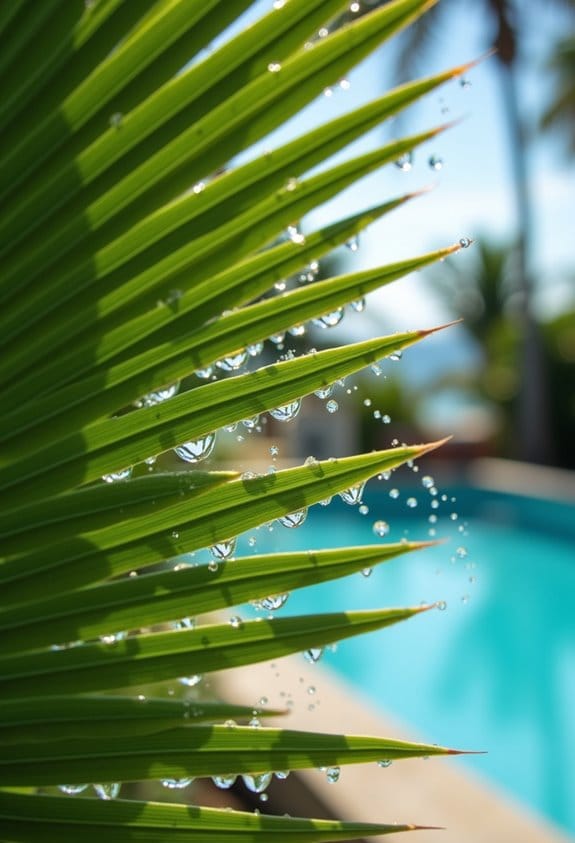
Proper watering plays a vital role in the recovery of stressed palm trees, especially those acclimating in USDA zones 9 through 11 where temperatures consistently stay above 50°F. Proper watering techniques require thoroughly soaking the root ball, ensuring deep moisture penetration to prevent leaves from turning brown due to dehydration or lack of nutrients. During the first two weeks after planting, daily watering supports root establishment, while frequency should be adjusted seasonally—more frequent in hot months and less in cooler periods to avoid overwatering. Using a soil mix with 30% sand enhances drainage, reducing root rot risk. Regular monitoring of soil moisture balances hydration without waterlogging. Neglecting proper watering often causes stress symptoms in palms, such as browning fronds, signaling the need for careful hydration management during recovery. Additionally, using well-draining soil with an adequately sized pot is crucial for healthy root development and overall palm vitality.
Recommended Products

FEEDS UP TO 6 MONTHS: Miracle-Gro Potting Mix is a gardening soil for outdoor containers that feeds all types of potted plants, including flowers, vegetables, shrubs, annuals, and perennials for up to 6 months

Foxfarm most popular potting soil, Ocean Forest is a powerhouse blend of aged Forest products, sphagnum peat Moss, earthworm castings, bat guano, fish emulsion, and crab meal.
![GARDENERA Palm Tree Potting Mix - The Ultimate Soil for Strong and Healthy Palms - Top Choice for Palm Tree Growers ? [20 Quart Bag]](https://m.media-amazon.com/images/I/41rjBl0HKvL._SL500_.jpg)
🌴 Ideal for all types of palm trees: Our potting mix works great for all palm trees, including common varieties like the Kentia Palm, Phoenix Palm, and Areca Palm. This 10 quart bag provides a large amount of mix for multiple potted palm trees or larger outdoor palm trees.
Essential Fertilization and Soil Management
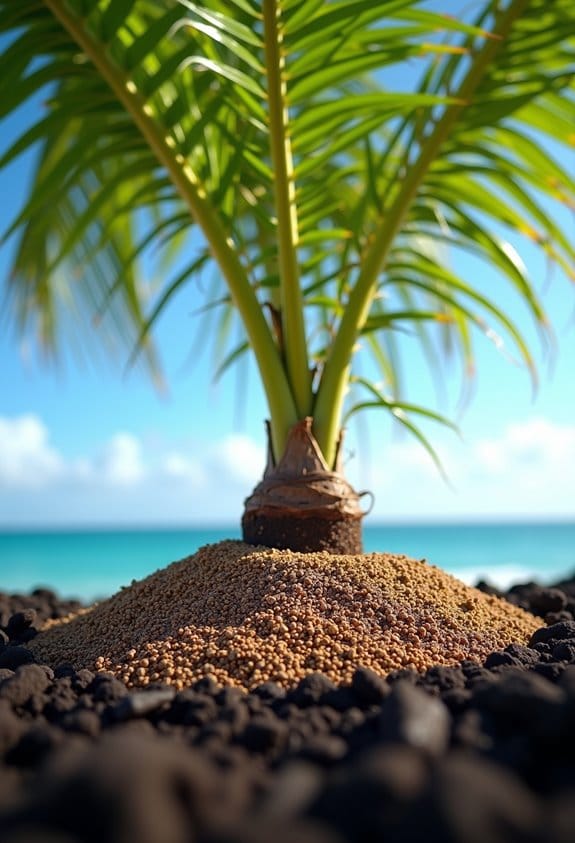
Although outdoor palm trees in USDA zones 9 through 11 can be hardy, critical fertilization and soil management greatly influence their recovery success. Applying a high-quality, slow-release palm fertilizer during spring and summer supports essential nutrient uptake, yet it’s important to maintain at least a two-foot distance from the root ball to prevent root burn. Soil quality must be regularly assessed, ensuring it is well-draining to encourage healthy root growth and reduce risks like root rot. Incorporating a soil mix containing 30% sand improves drainage, especially in heavier soils that retain excess moisture. Such careful soil management paired with precise fertilizer application enhances overall palm vigor, aiding in the revival of struggling trees by maintaining an ideal root environment balanced for nutrient and water absorption. Additionally, choosing palm varieties with durability and stability suited for your climate can further improve long-term health and stress resistance.
Recommended Products

Package contains 160 tree and shrub fertilizer spikes and are produced to avoid wasteful runoff, mess, hazards and smells

COMPLETE TREE FOOD SPIKES: Lutz Iron Chlorosis Spikes offer a balanced tree fertilizer spike formula tailored for trees and shrubs. With essential nutrients like Iron (16%), Nitrogen (5%), Sulfur (4.8%), Phosphaate (3%), Potassium (3%), these plant food spikes combat common deficiencies and promote lush growth in your garden.

COMPLETE PALM TREE FOOD: Lutz Palm Tree Maintenance Spikes offer a balanced tree fertilizer spike formula tailored for palms and ferns. With essential nutrients like manganese (6%), magnesium (6%), potassium (6%), sulfur (10%), iron 1%), and copper (0.5%), these plant food spikes combat common deficiencies and promote lush growth in your garden, making them an ideal choice for enriching your tree spikes fertilizer routine.
Pruning Dead and Damaged Fronds Correctly
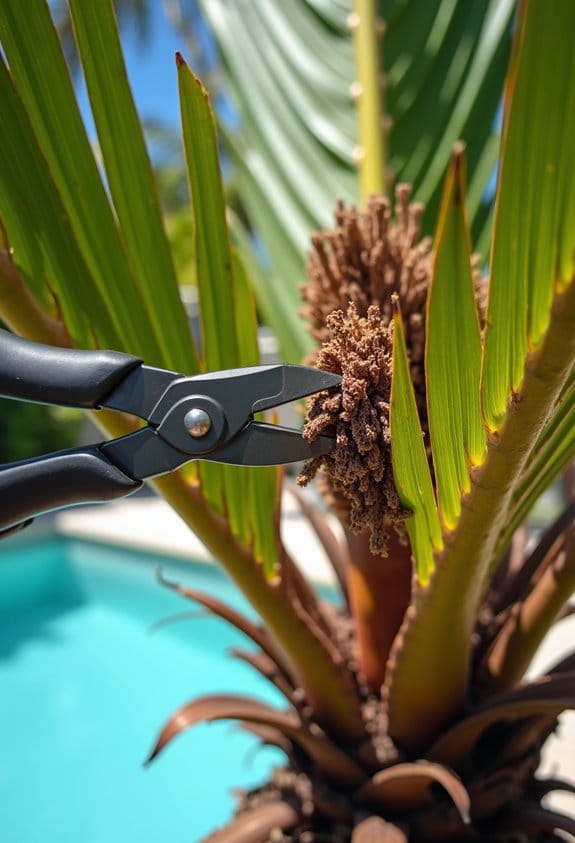
Carefully removing only fully dead or brown palm fronds promotes healthier growth by preserving essential nutrients within the tree’s canopy. Pruning should target only those dead fronds that are completely brown, as prematurely cutting yellowing fronds risks depriving the palm of important nutrients still absorbed. Proper pruning requires clean, sharp shears to prevent damage to surrounding healthy tissues and reduce disease risks. The ideal time for pruning is late winter to early spring, between February and April, when palms in USDA zones 9 to 11 shift into growth phases. Avoid pruning during hurricane season, roughly June to November, since dead fronds buffer wind stress. By following these guidelines, one can maintain the palm’s structural integrity and stimulate vibrant, nutrient-efficient new frond development essential for the tree’s full revival. Additionally, protecting the root zone with mulch during winter can help insulate and support the palm’s recovery by maintaining stable temperature and moisture levels essential for winter dormancy.
Recommended Products

This tree pruning kit includes everything you need to get the job done in one convenient package

SMOOTH, SWIFT CUTS with non-stick coated blades

2-in-1 Versatile Design: This electric pole pruner features a dual-function design, working as a standalone electric pruning shear or attached to an extendable pole for high branch trimming. Ideal for backyard trees, tall hedges, and orchard maintenance, it covers both low and high pruning tasks, offering convenience, efficiency, and precise cuts in one tool
Protecting Palms From Pests and Diseases
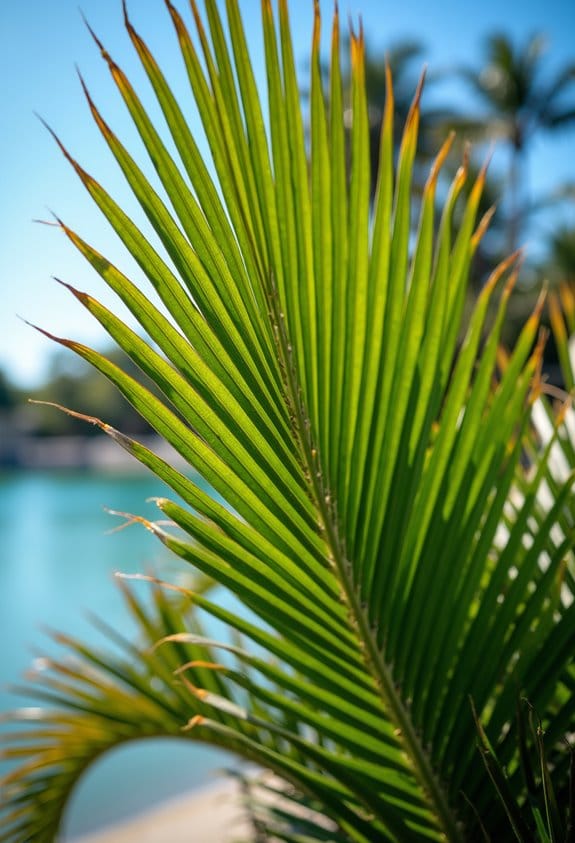
How can palms maintain resilience against common pests and diseases that threaten their survival in outdoor environments? Effective protection for palm trees begins with regular inspection of both leaf surfaces for pests like spider mites, which damage fronds and stunt growth. Applying a systemic insecticide every 4-6 weeks targets hidden infestations, supporting a struggling or dying palm’s recovery. Planting palms in well-drained soil prevents root rot, an essential factor in disease resistance. Additionally, a fungicidal drench applied quarterly to roots and fronds controls fungal infections. Maintaining adequate fertilization—using a balanced NPK fertilizer at 2 pounds per 100 square feet—and consistent watering strengthens the palm’s immune response. For personalized guidance, consulting customer service experts from local nurseries guarantees tailored care plans that optimize palm health in various USDA zones. Using UV-resistant materials or selecting palms suited for your USDA zone can also enhance long-term resilience to environmental stressors.
Recommended Products

MAXIMIZE YIELDS – Grow healthier plants with Grower’s Ally Spider Mite Control. This natural miticide for spider mites kills and repels common soft-bodied insects, including adult and nymph spider mites.

LISTED INSECT KILLER: 12 Month Tree & Shrub Insect Control kills Japanese Beetles (adult), Emerald Ash Borers, Adelgids, Leafminers, Aphids, and other listed insects that damage trees and shrubs

Research shows that Imicide is one of the most effective preventative and multi-season control treatments for the Emerald Ash Borer as well as other labeled insects.
Choosing the Right Palm Species for Replacement
Selecting the appropriate palm species for replacement greatly affects long-term success in various USDA hardiness zones, typically ranging from 9 to 11. Cold hardy replacement palms such as the King Alexander Palm (Archontophoenix alexandrae) offer rapid growth and adaptability, making them ideal for diverse landscapes. The Bottle Palm (Hyophorbe tagenicaulis), with its distinctive swollen trunk, suits small gardens and requires minimal maintenance. For those seeking fast establishment with drought tolerance, the Foxtail Palm (Wodyetia bifurcata) provides a striking, visual accent. It is essential to choose palms healthy and pest-free to reduce transplant shock and guarantee swift root development. Matching species to specific soil types and climatic conditions improves resilience, maximizing the chances these replacement palms will thrive in outdoor settings following installation. Consider incorporating UV-resistant materials in artificial palms for long-lasting visual appeal and durability in outdoor gardens.
Recommended Products
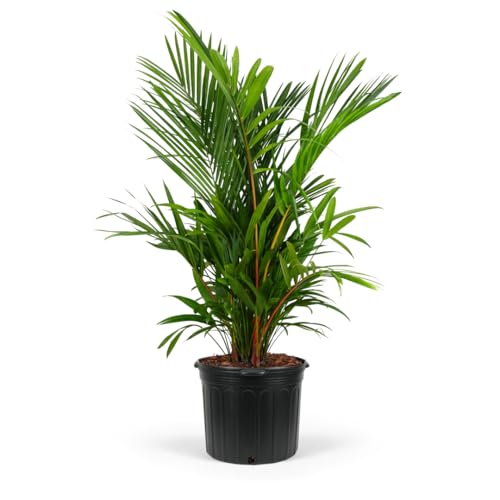
Exotic Beauty: Unique Lipstick Palm with striking red stems and glossy green foliage for a bold, tropical look.

【Solid Heavy-duty Structure】Die-cast brass housing and integrated glare guard with high rigidity, transparent convex glass lens.

Farm-Grown Quality: Expertly nurtured to ensure robust growth and a well-formed trunk with striking diamond-shaped leaf scars. PLEASE NOTE THIS PLANT DOES NOT SHIP TO CALIFORNIA
Frequently Asked Questions
How Do I Bring My Palm Tree Back to Life?
To revive a palm tree, one must balance watering techniques to prevent root stress, guarantee adequate sunlight requirements are met, and apply suitable palm tree fertilizers to provide essential nutrients, thereby supporting steady recovery and healthy growth.
How Do You Treat a Sick Palm Tree?
Palm tree diagnosis involves identifying nutrient deficiencies and improper watering practices. Treatment includes correcting watering schedules, applying palm-specific fertilizers, trimming damaged fronds, and using fungicides to prevent infections, ensuring gradual recovery through consistent care and monitoring.
What Does Epsom Salt Do for Palm Trees?
Epsom salt benefits act as a nourishing rain, replenishing palm tree nutrition by supplying magnesium, the missing thread in the green tapestry. It combats magnesium deficiency, restoring vibrant leaves and strengthening palms against environmental stress.
Why Does My Palm Tree Look Like It’s Dying?
A palm tree may look like it is dying due to palm tree diseases, nutrient deficiencies, or environmental stressors such as extreme temperatures and poor light. These factors weaken the tree, causing browning and declining vigor.