As an Amazon Associate, we earn from qualifying purchases. Some links on this site are affiliate links at no extra cost to you. Our recommendations are based on thorough research and editorial judgment.

Low-Maintenance Palm Species for Busy Homeowners

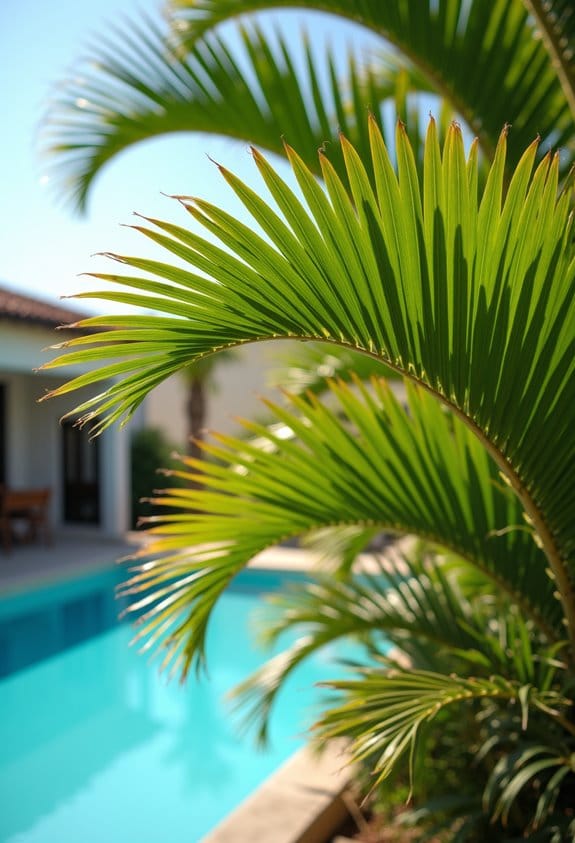
Low-maintenance palms for busy homeowners include cold-hardy species like Windmill Palm (Zones 7-11), tolerating temperatures down to 5°F (-15°C) and growing 10–30 feet tall. Drought-tolerant types such as Saw Palmetto and Pindo Palm minimize watering after establishment and remain compact. Full sun lovers like Foxtail Palm need six hours of direct light daily, while slow-growing Bottle Palm fits small spaces at 8–10 feet tall. Further insights cover light needs, pest control, and landscape design options.
Key Takeaways
- Windmill Palm is drought-tolerant, cold-hardy, and requires minimal watering and pruning once established.
- Saw Palmetto and Bottle Palm are compact, slow-growing, and ideal for low-maintenance small spaces.
- Foxtail Palm thrives in full sun with minimal pest issues and grows quickly for fast landscape appeal.
- Sago Palm and Pygmy Date Palm need little attention and adapt well to indoor or shaded environments.
- Using low-maintenance companion plants like Liriope and Blue Fescue reduces watering and weed control needs.
Understanding USDA Hardiness Zones for Palm Selection
Although selecting palm species might seem straightforward, understanding USDA Hardiness Zones is essential for ensuring their survival and growth. These zones classify regions by minimum winter temperatures, guiding choices about which palm species can thrive. For example, the Chinese fan palm and European fan palm flourish in USDA Zones 8 to 11, tolerating moderate winters. Cold-hardy species, such as the Windmill palm, withstand temperatures as low as 5°F (-15°C), allowing successful cultivation in USDA Zone 7. Recognizing specific zone requirements helps homeowners avoid selecting palms prone to damage from freezing conditions. Mastery of USDA Hardiness Zones consequently empowers gardeners to pick palm species that maintain health and vigor throughout the year, ensuring low-maintenance, resilient landscapes tailored to local climate conditions. Additionally, choosing palm trees with salt spray tolerance is important for coastal gardens to enhance longevity and reduce maintenance needs.
Cold-Hardy Palms Suitable for Various Climates
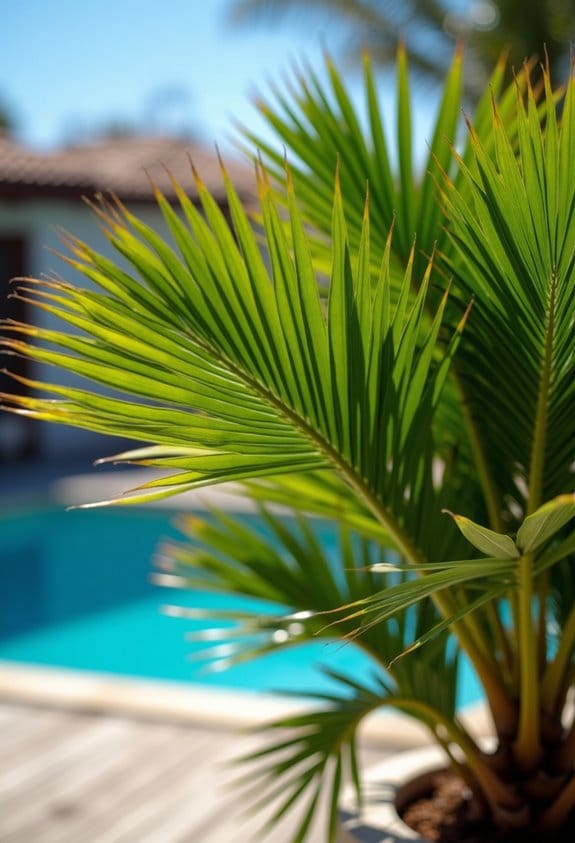
When selecting palms for colder regions, cold-hardy varieties like the Windmill Palm (Trachycarpus fortunei) offer outstanding resilience by thriving in USDA Hardiness Zones 7 through 11, tolerating temperatures as low as 5°F (-15°C). These palms typically grow between 10 to 30 feet tall, with mature specimens averaging 10 to 20 feet, making them suitable for various climates. The Chinese Fan Palm, also known as Trachycarpus fortunei, adds a tropical look while tolerating cold conditions up to zone 8. Cold-hardy palms are drought-tolerant, particularly as they mature, minimizing watering needs for busy homeowners. Their adaptability extends to indoor and outdoor environments, provided well-draining soil and sufficient sunlight are available. Selecting such palms allows maintenance of lush landscapes without concern for winter damage. For those desiring an even lower-maintenance option with year-round appeal, artificial palm trees provide a durable and customizable alternative that requires no watering or pruning.
Recommended Products
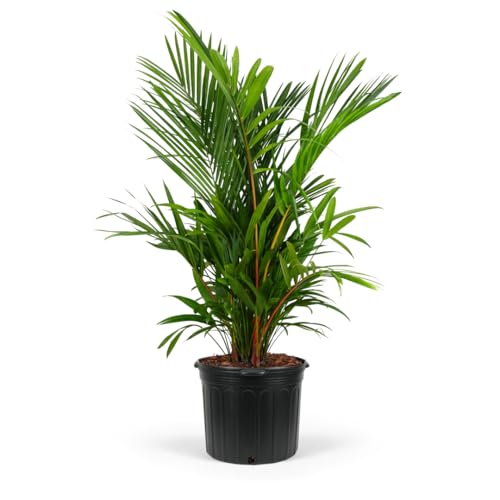
Exotic Beauty: Unique Lipstick Palm with striking red stems and glossy green foliage for a bold, tropical look.

Farm-Grown Quality: Expertly nurtured to ensure robust growth and a well-formed trunk with striking diamond-shaped leaf scars. PLEASE NOTE THIS PLANT DOES NOT SHIP TO CALIFORNIA

PLEASE NOTE THIS PLANT DOES NOT SHIP TO CALIFORNIA - Farm-Grown Quality: Nurtured with care on our farm, ensuring healthy and vibrant growth.
Heat-Tolerant Palm Species Thriving in Full Sun
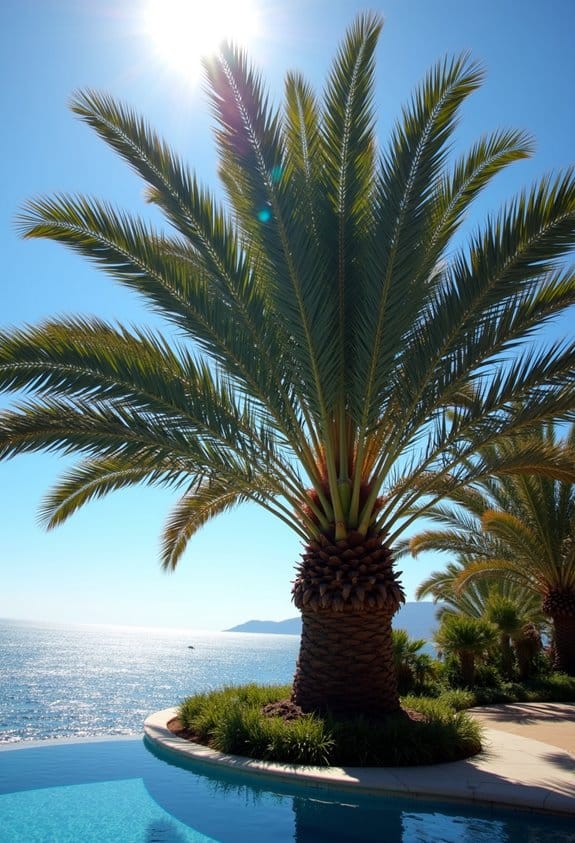
Selecting heat-tolerant palms such as the King Palm (Archontophoenix cunninghamiana) and Foxtail Palm (Wodyetia bifurcata) assures robust growth under full sun exposure, especially in USDA Hardiness Zones 9 through 11. Both palms thrive in bright, hot conditions, making them excellent choices for homeowners seeking low maintenance palms that provide shade and visual appeal. The King Palm can reach heights of up to 40 feet, while Foxtail Palms grow between 10 and 30 feet tall. These palms require regular irrigation during extended dry periods and well-draining soil to maintain health. Their fast growth and heat-tolerant nature allow landscapers to create attractive, durable environments that withstand high temperatures. Incorporating these species assures strong performance with minimal ongoing care. For homeowners looking to enhance outdoor spaces with minimal upkeep, UV-resistant features in artificial palm trees offer a complementary option that withstands harsh sunlight while maintaining vibrant appearance.
Recommended Products

CoolMesh Venting System that provides 60% more airflow and increased heat dissipation
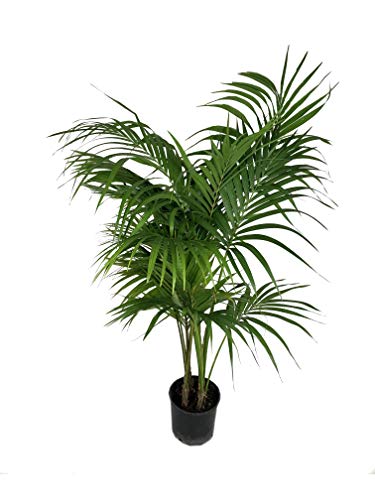
The Kentia Palm is known for its lush fans of foliage and tropical island vibes. An excellent air purifier, this popular houseplant is a slow grower which blossoms new fronds from the center of its narrow trunk.
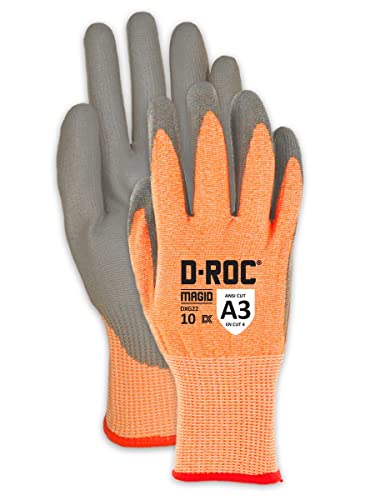
DX Technology: 18-gauge work gloves feature coreless construction without the discomfort associated with fiberglass or steel; Up to 20 percent lighter than HPPE
Drought-Tolerant Palms for Low Maintenance
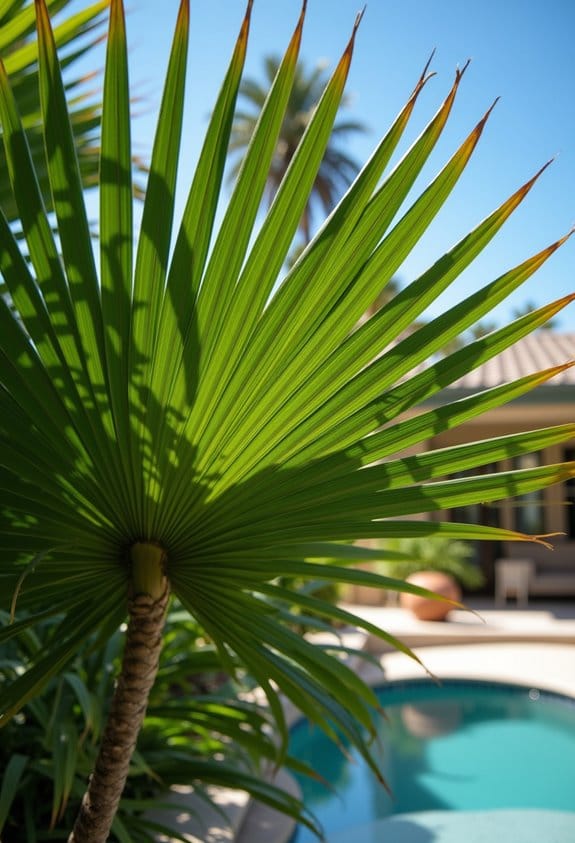
Drought-tolerant palm species offer significant advantages for low-maintenance landscaping, especially in USDA Hardiness Zones 7 through 10 where water conservation is important. Palm varieties like the Windmill Palm (Trachycarpus fortunei) withstand dry conditions and require minimal irrigation once established, thriving in zones with temperatures down to 5°F (-15°C). The Saw Palmetto (Serenoa repens) suits compact spaces and demands little upkeep, making it ideal for busy homeowners. Foxtail Palms (Wodyetia bifurcata) grow slowly and perform well in hot, dry climates needing infrequent watering. The Pindo Palm (Butia capitata) offers drought resistance alongside small edible fruits, adding both aesthetic and practical benefits. These drought-tolerant palms guarantee manageable care routines by reducing watering frequency, essential for low maintenance landscapes in water-restricted environments. For homeowners seeking a no-fuss alternative, faux palm trees provide vibrant, maintenance-free greenery without the need for watering or pruning.
Recommended Products

Farm-Grown Quality: Carefully nurtured on our farm, ensuring healthy, strong growth and a well-shaped trunk.

PLEASE NOTE THIS PLANT DOES NOT SHIP TO CALIFORNIA - Striking Appearance: Features unique silvery-blue fronds that can reach up to 5 feet long, adding a stunning focal point to your landscape.

THIS PLANT DOES NOT SHIP TO CALIFORNIA - Farm-Grown Quality: Nurtured with care on our farm, ensuring robust health and vibrant growth for your Queen Palm.
Slow-Growing Palm Varieties Ideal for Busy Homeowners
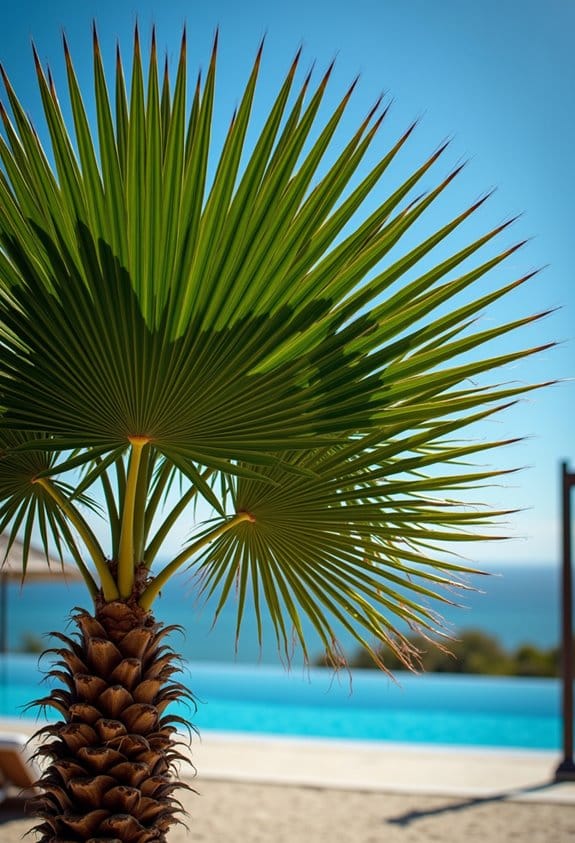
How can busy homeowners incorporate manageable palms without sacrificing style or space? Slow-growing, low-maintenance palms offer an ideal solution. The Bottle Palm (Hyophorbe lagenicaulis) remains compact at 8 to 10 feet, perfect for small areas needing minimal care. Similarly, the Sago Palm (Cycas revoluta), reaching up to 10 feet, is drought-tolerant and thrives with little attention once established. The Pygmy Date Palm (Phoenix roebelenii) matures between 6 to 12 feet, adapting well indoors or outdoors while requiring minimal upkeep. The Cat Palm (Chamaedorea cataractarum) grows to 8 feet, tolerates low light, and only needs consistently moist soil. Finally, the Windmill Palm (Trachycarpus fortunei) grows moderately to 10-20 feet, is cold-hardy and drought-tolerant, providing a durable, slow-growing palm choice for varied climates. For those considering outdoor privacy, pairing slow-growing palms with UV stabilized palm leaf screens can enhance both seclusion and protection from sun exposure.
Recommended Products

Constructed from Durable HDPE Material and Designed to be Stable and Sturdy

Soothing Airjet Massage System: The Coleman SaluSpa Atlantis spa features 140 bubble jets that create a warm and relaxing spa experience for up to 6 people, right from the comfort of your home.
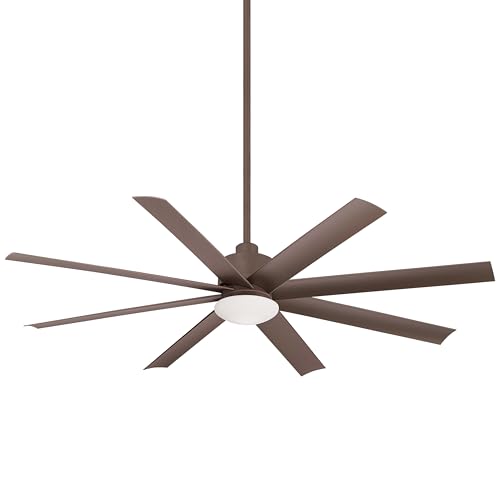
DESIGN: Sleek industrial design, the Minka-Aire Slipstream is designed in a Oil Rubbed Bronze finish and Eight Oil Rubbed Bronze Blades for indoor or outdoor use
Palms That Require Minimal Pruning
Although palms often require occasional grooming, certain species naturally minimize pruning needs due to their growth habits and structural characteristics. The dwarf palm, such as Pygmy Date Palm (Phoenix roebelenii), demands minimal pruning thanks to its compact size, rarely exceeding 6 to 10 feet, and slow growth rate. Similarly, the Sago Palm (Cycas revoluta), retaining a tidy, symmetrical shape, requires little maintenance despite not being a true palm. The Cat Palm (Chamaedorea cataractarum) grows in dense clumps, naturally maintaining a neat appearance without frequent trimming. Windmill Palm (Trachycarpus fortunei) drops fronds on its own, reducing pruning efforts. The Bottle Palm (Hyophorbe lagenicaulis), with a stout, compact trunk, also fits the low-maintenance category, needing only occasional cleanup to preserve its tidy form, ideal for busy homeowners seeking minimal pruning palms. For those considering an alternative to live palms, artificial sago palms offer an even lower-maintenance option with the added benefit of year-round vibrant greenery without pruning or watering.
Recommended Products

FINISHED SIZE (exact size of the tarp you will receive): 96 ft. 2 in. X 98 ft. We recommend you buy based on FINISHED SIZE as this is the closest measurement to the tarp you will receive.The Cut Size refers to the size before any finishing.
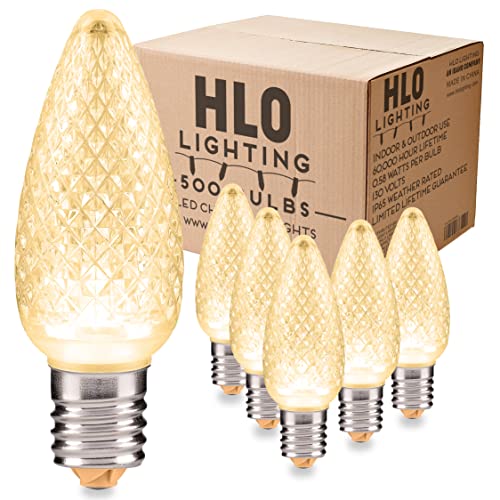
Premium Quality LED C9 Christmas Lights: Elevate your holiday décor with Holiday Lighting Outlet's premium quality LED C9 Christmas Lights. These C9 Christmas Lights LED are designed for both indoor and outdoor use, ensuring your home shines brightly throughout the festive season. Each C9 light bulb
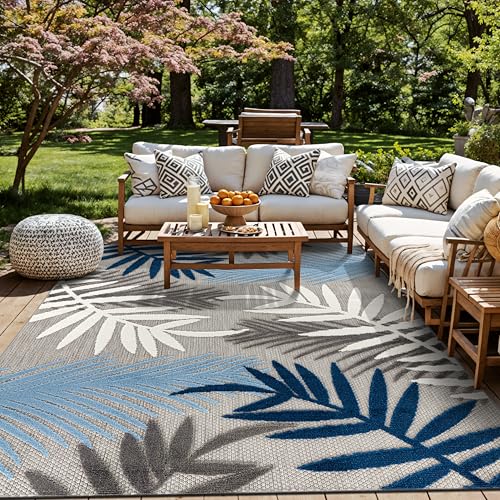
Weather-Ready Durable Build: Machine-made with a 100% polypropylene pile and low-profile flatweave that stands up to sun, rain and daily wear—ideal for patios, decks, balconies, entryways and busy indoor spaces.
Soil and Water Requirements for Easy Palm Care
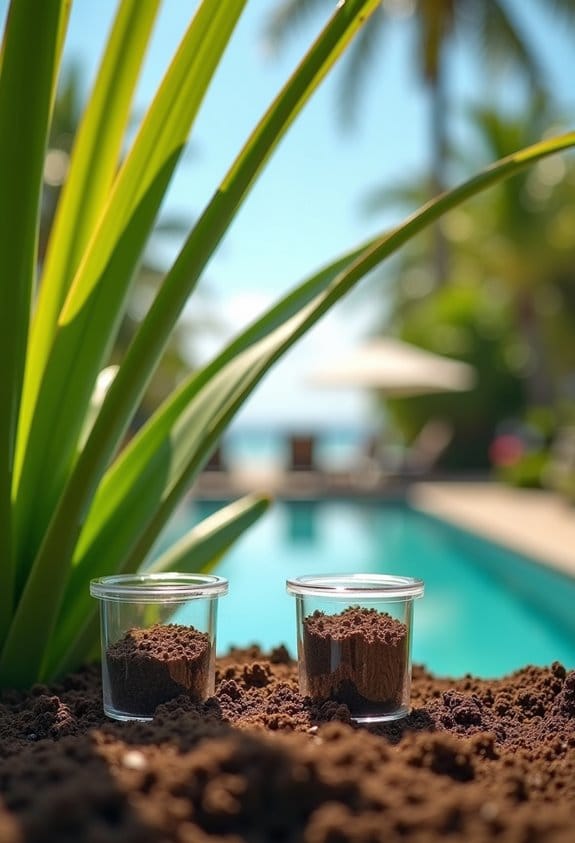
Proper soil composition and watering practices form the foundation for maintaining healthy palms with minimal effort. Palms thrive in well-draining soil enriched with organic material and sand, promoting moisture retention without waterlogging. Soil pH should range between 6.0 and 7.0, slightly acidic to neutral, supporting ideal nutrient uptake. Regular watering is essential, allowing the top inch of soil to dry before the next irrigation to avoid root stress. During prolonged droughts, supplemental watering preserves palm vibrancy, though selecting species with drought tolerance can greatly reduce water demand. Applying a 2-3 inch mulch layer around the palm base further retains soil moisture and moderates temperature. These combined practices guarantee robust growth while easing maintenance, fitting well within planting zones 9 to 11 for most low-maintenance palm varieties preferred by busy homeowners.
Light Preferences and Placement Tips for Palms
Because light exposure directly influences palm growth and overall health, selecting the right placement according to species-specific light preferences is essential. Low-maintenance palm species like Kentia Palm thrive best in bright, indirect light, making them ideal for indoor or shaded patio locations. Placement tips for palms such as the Foxtail Palm involve full sun exposure, requiring at least six hours of direct sunlight daily to maintain robust growth. Species like Cat Palms prefer partial shade, shielding them from intense midday sun to prevent leaf stress. Versatile palms like Windmill and Chinese Fan tolerate a range—from full sun to partial shade—accommodating diverse landscape spots efficiently. Avoid prolonged shade for sun-loving species to prevent weak, leggy development, ensuring palms display healthy, vibrant fronds consistent with their light preferences. For balcony spaces, selecting optimal palm tree dimensions helps maintain a balanced, uncluttered environment that complements their light needs.
Fertilizing Schedules and Pest Management
Nutrient management plays an essential role in maintaining the vibrant health of low-maintenance palms such as Windmill Palm and Pygmy Date Palm. Fertilizing schedules typically involve applying a balanced, slow-release fertilizer once or twice yearly, ideally in early spring and late summer, to support steady nutrient uptake. Effective pest management includes routine inspections for spider mites and mealybugs, which, if caught early, can be treated with targeted insecticides to prevent damage. Homeowners should avoid overwatering, as excess moisture encourages root rot and weakens palms against pests. Maintaining soil moisture at moderate levels strengthens plant defenses. Additionally, clearing debris and dead fronds reduces pest habitats and improves air circulation. This combined approach guarantees palms remain vigorous with minimal intervention suitable for busy homeowners managing landscapes in USDA zones 8 through 11. For added protection during colder months, mulching root zones helps insulate palms and protect them from frost damage, enhancing their winter survival winter dormancy assistance.
Designing a Low Maintenance Landscape With Palms
When designing a low maintenance landscape with palms, selecting species based on growth rate, water needs, and sunlight tolerance is essential for reducing long-term care. Opting for low-maintenance palm species such as the slow-growing Bottle Palm or drought-tolerant Spindle Palm minimizes water use and pruning frequency. Small palm trees like the Windmill Palm provide self-cleaning fronds, reducing ongoing cleanup efforts considerably. Selecting the right palmate leaf palms, including the Saw Palmetto, combines durability with aesthetic appeal suitable for zones 9b to 11. Additionally, choosing palms adapted to full sun or partial shade, such as the Cat Palm or Foxtail Palm, supports healthy growth without extra intervention. This strategic plant selection forms the backbone of an easy-care, visually striking landscape, ideal for homeowners seeking both efficiency and charm. For those looking to enhance outdoor spaces with minimal upkeep, incorporating UV-resistant fake palm trees can be an excellent option for year-round greenery.
Best Companion Plants to Enhance Palm Landscapes
Selecting appropriate companion plants enhances the appeal and functionality of palm landscapes while maintaining low upkeep. Low-maintenance ground covers like Liriope or Blue Fescue, growing 6-12 inches tall, suppress weeds and retain soil moisture effectively in USDA zones 7-10. Vibrant Hibiscus shrubs, flowering from spring to fall, add colorful blooms without demanding extensive care. Ornamental grasses, including feather-like varieties reaching 2 feet, contribute texture and movement while thriving in similar climate and soil conditions. Employing self-cleaning palms such as Windmill Palm alongside drought-tolerant companion plants reduces leaf litter and watering needs. For layered depth, Cat Palm, growing 3-6 feet, placed before taller palms, optimizes space in compact gardens. These companion plants, selected for low maintenance and visual harmony, markedly enhance the beauty and ease of palm landscapes. Incorporating low-maintenance artificial palms can further reduce care while preserving lush greenery year-round.
Frequently Asked Questions
Can Low-Maintenance Palms Be Grown Indoors Year-Round?
Low-maintenance palms can be grown indoors year-round if adequate indoor lighting and humidity levels are maintained. Proper container selection guarantees root health and growth, supporting palm vigor within indoor environments despite seasonal changes.
Are There Any Low-Maintenance Palms Safe for Pets?
Like a gentle breeze, pet friendly varieties such as Parlor Palm pose low palm toxicity levels, ensuring safety. Indoor safety tips include placing palms out of pets’ reach and monitoring for any allergic reactions to maintain a secure environment.
How Tall Do These Low-Maintenance Palm Species Typically Grow?
Palm growth heights for easy care tropicals typically range from 6 to 15 feet, making them ideal backyard palms. These moderate sizes allow them to fit seamlessly into residential landscapes without extensive maintenance or space requirements.
Do These Palms Produce Any Seeds or Fruit That Require Cleanup?
These palms generally have minimal seed production concerns, with few dropping fruits that require cleanup. Seasonal maintenance tips include occasional removal of fallen seeds or fruits to maintain tidiness, reducing effort for homeowners throughout the year.
Can Low-Maintenance Palms Tolerate Occasional Neglect or Irregular Watering?
Studies show 85% of drought-tolerant palms demonstrate significant neglect resilience. These palms manage irregular watering and lower watering frequency effectively, making them ideal for environments where consistent care is challenging, maintaining health despite occasional neglect.