As an Amazon Associate, we earn from qualifying purchases. Some links on this site are affiliate links at no extra cost to you. Our recommendations are based on thorough research and editorial judgment.

Fertilizing Palm Trees: What Nutrients They Really Need

Palm trees require a balanced supply of nitrogen to promote lush green fronds, potassium for pest and disease defense, and magnesium to prevent yellowing in older leaves. Trace elements like manganese and iron support chlorophyll production and enzymatic activity essential for growth. Applying a palm-specific slow-release fertilizer every three months around the dripline, avoiding trunk contact, enhances nutrient uptake while minimizing leaching. Proper timing in spring and regular soil checks guarantee sustained palm vigor. Further details explain optimizing fertilization techniques and environmental adaptations.
Key Takeaways
- Palm trees require nitrogen for lush green fronds and potassium to boost pest and disease resistance.
- Magnesium prevents yellowing in older leaves, maintaining vibrant fronds.
- Trace elements like manganese and iron are crucial for chlorophyll production and enzymatic functions.
- Use slow-release, palm-specific fertilizers quarterly to ensure balanced nutrient uptake without harmful spikes.
- Evenly spread fertilizer within the dripline, avoid trunk contact, and water well for optimal absorption.
Essential Nutrients Needed for Palm Tree Health
A variety of essential nutrients are required to maintain ideal palm tree health, with nitrogen (N) and potassium (K) playing pivotal roles. Nitrogen (N) supports lush, green fronds by enhancing photosynthesis, while potassium (K) strengthens the palm’s resistance to pests and diseases. Additionally, magnesium (Mg) is critical for sustaining vibrant foliage, especially preventing yellowing in older leaves. Beyond these macronutrients, trace elements like manganese (Mn) and iron (Fe) are important for enzymatic functions and chlorophyll production. Deficiencies in these nutrients can cause significant damage if unaddressed. A balanced fertilization strategy that includes nitrogen (N), potassium (K), magnesium (Mg), and essential trace elements guarantees palms thrive, particularly in nutrient-poor soils. Proper nutrient management maximizes growth and long-term palm health. For palms growing in coastal settings, it is essential to consider the salt spray tolerance of the species to ensure nutrient uptake is not compromised by environmental stressors.
Recommended Products

COMPLETE PALM TREE FOOD: Lutz Palm Tree Manganese Spikes offer a balanced tree fertilizer spike formula tailored for palms and ferns. With essential nutrients like manganese (20%), magnesium (6%), sulfur (16%), and nitrogen (4%), these plant food spikes combat common deficiencies and promote lush growth in your garden, making them an ideal choice for enriching your tree spikes fertilizer routine.

Finally Available On Amazon! You Asked And We Listened, So The Most Popular Fertilizer For Palms Is Now On Amazon.

Potassium Fertilizer
Signs Your Palm Tree Is Nutrient Deficient

Visible changes in palm tree foliage often signal nutrient deficiencies that require timely attention to prevent lasting damage. Yellowing fronds typically indicate nitrogen or Potassium Deficiency, both integral to maintain green leaves and vigorous growth. Symptoms of Magnesium Deficiency often include brown leaf tips, warning that the palm needs magnesium to sustain liveliness. Additionally, potassium deficiency may present as yellow, orange, or brown flecks and necrotic edges on older leaves, signaling the urgency to fertilize your palms appropriately. Stunted growth can also suggest phosphorus lack, essential for root development. Recognizing these signs allows for targeted fertilization, ensuring palms receive balanced nutrition. Monitoring palm trees regularly for such visual cues is important in maintaining their health across USDA zones 9-11, where palms commonly flourish. For outdoor palms, choosing a UV-resistant model also helps maintain vibrant foliage despite exposure to harsh sunlight.
Understanding Potassium’s Role in Palm Trees
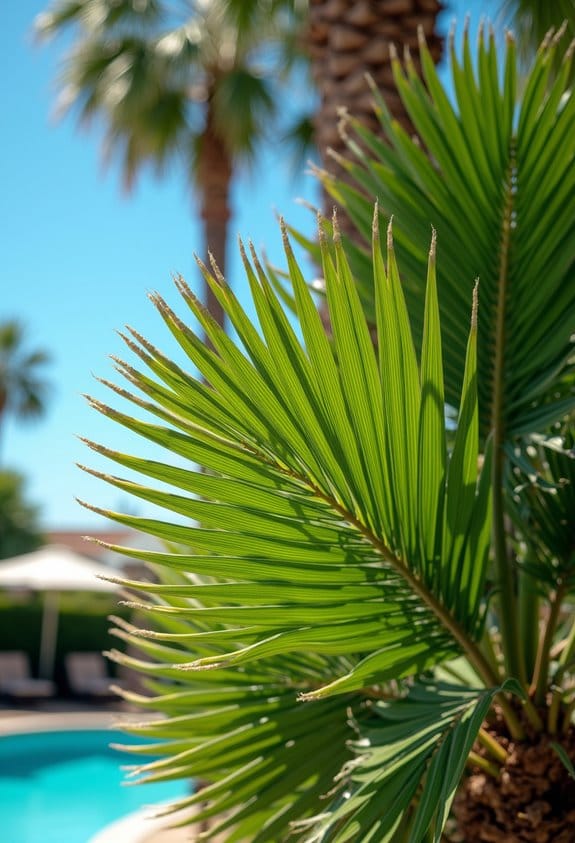
Potassium acts as an essential nutrient regulating multiple physiological processes in palm trees, particularly boosting their resistance to pests and diseases common in USDA zones 9-11. This mineral supports overall vitality, reducing symptoms caused by deficiency such as bronzy, orangey speckled leaves and necrotic margins. To fertilize palm trees effectively, especially those growing in sandy soils prone to nutrient leaching, potassium must be replenished regularly through targeted fertilizers. Specialized fertilizer spikes delivering measured potassium doses can arrest decline and restore health. Although potassium works closely with other nutrients like magnesium, it is imperative to address potassium needs individually to maintain leaf color and structural strength. Routine soil testing guarantees appropriate nutrient balance, preventing the common deficiency signs that threaten palms’ long-term survival and robust growth. Additionally, incorporating durable palm tree varieties can complement nutrient management by enhancing overall plant resilience in diverse conditions.
Recommended Products


Package contains 160 tree and shrub fertilizer spikes and are produced to avoid wasteful runoff, mess, hazards and smells

COMPLETE TREE FOOD SPIKES: Lutz Iron Chlorosis Spikes offer a balanced tree fertilizer spike formula tailored for trees and shrubs. With essential nutrients like Iron (16%), Nitrogen (5%), Sulfur (4.8%), Phosphaate (3%), Potassium (3%), these plant food spikes combat common deficiencies and promote lush growth in your garden.
Why Magnesium Is Critical for Palm Growth
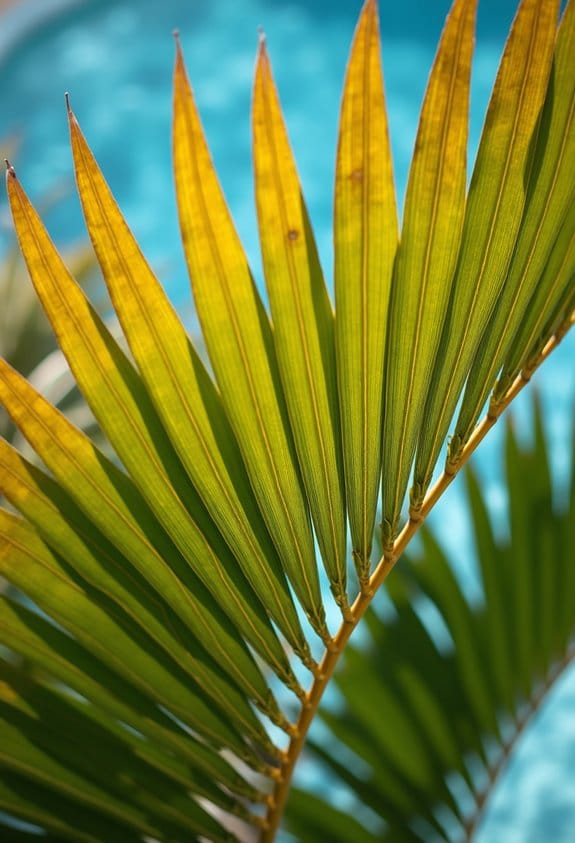
Magnesium plays a key role in maintaining palm tree health by supporting chlorophyll production, which drives photosynthesis and energy creation. This essential nutrient is fundamental for all palm trees, as it facilitates vibrant green foliage and robust growth. When palms experience magnesium deficiency, their leaf edges yellow while central areas remain green, signaling a lack of this crucial nutrient. If untreated, deficiencies may cause necrotic leaflet tips and stunt growth, especially in species like date palms that are highly susceptible. Palm trees need magnesium supplementation through specific methods, such as magnesium-enriched fertilizer spikes, calibrated by trunk diameter and deficiency severity. Using these targeted treatments guarantees palms receive adequate magnesium, helping them thrive and maintain health year-round in USDA zones 9-11, where palms commonly grow. Selecting the proper treatment also aligns with the durability and maintenance considerations necessary for palms to withstand environmental stressors effectively.
The Importance of Manganese in New Leaf Development
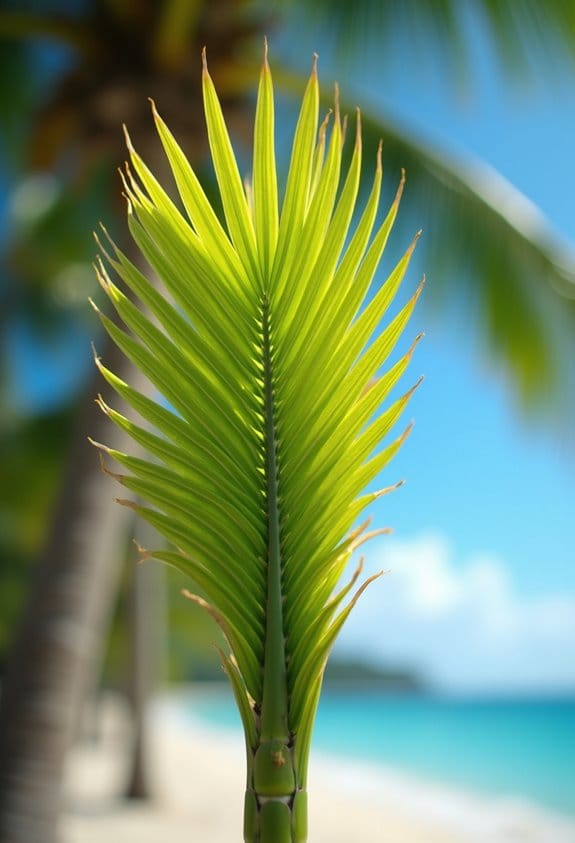
Although often overlooked, manganese is essential for the photosynthesis process in palms, specifically supporting chlorophyll formation in emerging leaves. This nutrient directly influences the healthy growth of new leaves, enabling vibrant green coloration and proper development. Manganese deficiencies in palm trees typically show as yellowing and necrosis between leaf veins on young fronds, causing a frizzled, unhealthy appearance if untreated. Species such as Queen, Paurotis, and Royal palms are particularly susceptible to manganese shortages, which can severely stunt growth or lead to fatal outcomes. To address deficiencies, applying 2 to 10 TreeHelp Palm Manganese Supplement Spikes, based on trunk size and deficiency severity, effectively restores adequate manganese levels. Maintaining proper manganese availability guarantees robust new leaf formation and overall vigor in palm trees. Ensuring the palm tree’s durability and health is similar in importance to ensuring inflatable palm trees are made from thick, reinforced materials to withstand environmental stress.
Recommended Products

100% WATER SOLUBLE: This manganese sulfate monohydrate fertilizer dissolves easily in water, making it an ideal choice for hydroponic and aeroponic agriculture. Great for Palm and Citrus Trees to prevent "frizzle top"

No More Sickly Trees: Tackle manganese deficiency at the root with our 1-0-1 (NPK) tree fertilizer. It helps reverse chlorosis and restores vibrant green leaves.

13% CHELATED MANGANESE FOR MAXIMUM ABSORPTION – EDTA chelation delivers 3-5x better bioavailability than manganese sulfate; plants absorb chelated nutrients with lower energy expenditure for faster deficiency correction; see results in new growth within two to three weeks of application
How Iron Impacts Palm Leaf Color and Vigor
Iron is an essential micronutrient that directly influences chlorophyll production, which determines the vibrant green color and overall vigor of palm leaves. When iron is deficient, chlorophyll synthesis slows, causing yellowing primarily between leaf veins, especially in younger fronds. This yellowing signals impaired photosynthesis, reducing the plant’s energy and growth rate. Maintaining balanced soil nutrients and proper pH—ideally between 5.5 and 6.5—is critical since high pH above 7.5 restricts iron availability, leading to chlorosis. To correct iron deficiency, using fertilizer sources like Milorganite, which contains over 2% non-staining iron, can be effective. Regular monitoring for leaf color changes enables timely intervention, helping palms maintain lush green foliage and sustained vigor, essential for outdoor palms in zones 9 through 11. For palms grown in outdoor settings, selecting plants with UV-resistant materials helps protect foliage and supports long-term health under direct sunlight exposure.
Selecting the Right Fertilizer for Your Palm
When selecting fertilizer for palms, it is essential to choose slow-release formulations designed specifically for palm species to guarantee a steady nutrient supply over several months. A balanced fertilizer with an N-P-K ratio such as 8-0-12, supplemented by 4 percent magnesium, supports nutrients your palm needs for ideal growth. Palm trees thriving require adequate potassium and magnesium, which foster strong roots and vibrant fronds. Avoid turfgrass fertilizers near palms, as they often contain high nitrogen with insufficient potassium, potentially causing imbalances. Apply fertilizer evenly within a 15-foot radius around the palm base, ensuring thorough soil absorption. Consistent use of a palm-specific slow-release fertilizer maintains nutrient availability, promoting sustained health and resilience against environmental stressors. This approach provides essential nourishment without risk of sudden nutrient spikes. Additionally, supplementing fertilization with mulching the root zone during winter can help insulate palms and protect root health.
Best Practices for Fertilizing Palm Trees
Successful palm fertilization relies on following a structured schedule, ideally every three months, to maintain consistent nutrient levels in the soil throughout all seasons. Fertilizing palm trees with a balanced palm fertilizer containing nitrogen, potassium, magnesium, and trace elements supports healthy growth during the growing season. The best practices include evenly spreading the fertilizer within the dripline, avoiding direct contact within six inches of the trunk to prevent root burns. Newly planted palms benefit from soil incorporation of Milorganite based on height, establishing strong roots early. Monitoring for common deficiencies, such as yellowing fronds or brown leaf tips, allows timely adjustments. These steps guarantee nutrient balance, promote vigor, and minimize stress, forming a reliable foundation for robust palm health year-round. For outdoor palms, selecting species and treatments that offer UV resistance protects them from environmental stressors and color fading.
Timing and Frequency of Palm Tree Fertilization
Maintaining a quarterly fertilization schedule in February, May, August, and November supports steady nutrient availability amid seasonal shifts. In regions with sandy soils, such as Florida, it is essential to fertilize palm trees three to four times annually due to nutrient leaching. The timing of fertilization should align with the onset of spring growth, when the palm’s nutrient demand intensifies. Applying fertilizer outside this window may reduce uptake efficiency. After fertilizing, thorough watering is vital to assist root absorption of nutrients. Regular soil monitoring also informs any necessary adjustments to timing and frequency, ensuring maximum nutrient delivery. This disciplined approach helps maintain vigorous growth and resilience in palms by precisely meeting their nutritional needs throughout the year in challenging soil conditions. Choosing the right material quality for palm tree care products can further enhance the health and longevity of your palms.
Frequently Asked Questions
What Is the Best Fertilizer for Palm Trees?
The best palm fertilizer types include slow release options tailored to prevent nutrient deficiencies signs. Organic alternative choices support health, with seasonal application timing essential for effectiveness, ensuring balanced nutrient delivery suited to palms’ unique requirements.
What Month Do You Fertilize Palm Trees?
Palm trees are fertilized primarily in March, aligning with spring fertilization tips. Fertilization supports summer growth stages, addresses nutrient deficiency signs, and aids fall preparation strategies, while seasonal weather impacts nutrient uptake and overall palm health throughout the year.
Is 10-10-10 a Good All Around Fertilizer?
The 10-10-10 efficiency is limited for palms due to its equal NPK ratio, which doesn’t meet their specific fertility requirements. This imbalance can hinder ideal nutrient balance and palm growth, necessitating specialized formulations instead.
Is September Too Late to Fertilize Trees?
Much like the final brushstrokes before twilight, September fertilization is not too late. Late summer care supports nutrient uptake, aligning with fall tree maintenance and seasonal growth cycles, ensuring trees prepare adequately for winter rest.