As an Amazon Associate, we earn from qualifying purchases. Some links on this site are affiliate links at no extra cost to you. Our recommendations are based on thorough research and editorial judgment.

Cold-Hardy Palm Trees That Survive Near-Freezing Temperatures

Cold-hardy palm trees survive near-freezing temperatures from 10°F to 30°F, thriving in USDA zones 5 to 7 with proper care. Notable varieties include Trachycarpus fortunei, tolerating down to 10°F and growing 20-40 feet tall, and Chamaerops humilis, hardy to 12°F with a more compact 6-15 feet stature. These palms feature robust trunks and fibrous fronds, requiring well-drained soil, deep watering, and winter mulch for protection. Further insights help optimize their growth and resilience.
Key Takeaways
- Trachycarpus fortunei withstands temperatures as low as 10°F, making it a top choice for near-freezing climates.
- European Fan Palm (Chamaerops humilis) tolerates cold down to 12°F and adapts to various sun exposures.
- Needle Palm and Cabbage Palm survive near-freezing temperatures and suit smaller landscapes or slower growth preferences.
- Mexican Blue Palm (Brahea armata) thrives in temperatures around 15°F with distinctive blue-gray leaves.
- Proper winter care, including mulching and frost protection, is essential for palm survival near freezing temperatures.
What Defines a Cold-Hardy Palm Tree
Cold-hardy palm trees are defined primarily by their capacity to survive temperatures ranging from 10°F to 30°F, typically found in USDA hardiness zones 5 through 7. These palms exhibit notable cold hardiness, adapting structurally to withstand prolonged exposure to low temperatures without critical damage. Key physical traits include thick trunks that insulate inner tissues, robust root systems securing nutrient uptake during frost, and durable fronds engineered to resist cold winds and ice accumulation. Survival depends not only on inherent species tolerance but also on microclimate factors such as wind exposure and soil drainage. Cold-hardy palms like Sabal palmetto and Trachycarpus fortunei demonstrate these features, thriving where many tropical palms cannot. Understanding these adaptations clarifies why only select species qualify as cold-hardy, able to endure near-freezing conditions seasonally. Additionally, the use of UV-resistant materials in artificial palm designs inspires innovations for enhancing the durability of real palms in harsh climates.
Top Cold-Hardy Palm Varieties and Their Temperature Ratings
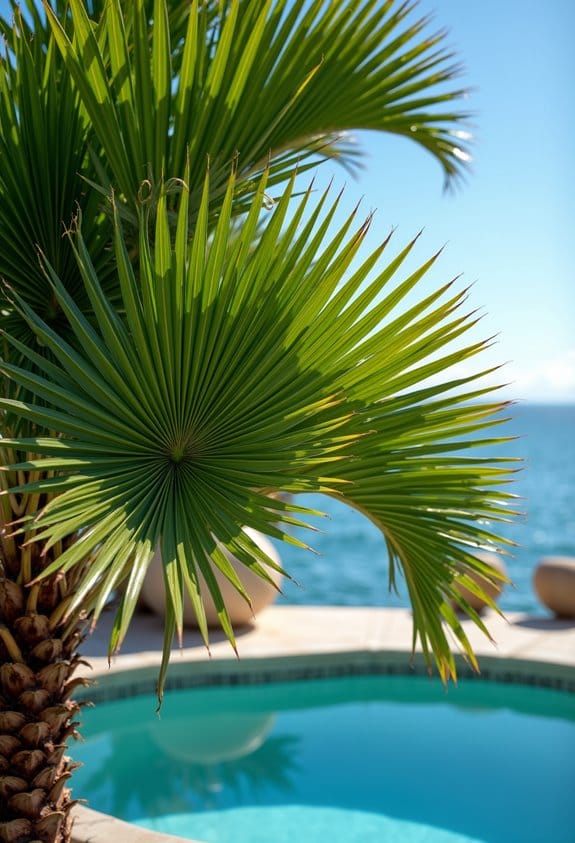
Several palm varieties have proven their resilience by thriving in USDA zones 5 through 7, enduring temperatures as low as 10°F (-12°C). The Trachycarpus fortunei, or Chinese Windmill Palm, tolerates these low temperatures and features distinctive fan-shaped leaves. Similarly, Chamaerops humilis, known as the European Fan Palm, withstands temperatures down to 12°F (-11°C) and displays a clumping growth habit with robust fan-shaped leaves. Other notable cold hardy palms include Brahea armata, the Mexican Blue Palm, which endures 15°F (-9°C) and boasts striking blue-grey palmate leaves. Butia capitata, the Jelly Palm, also survives 15°F (-9°C) with durable feather-like fronds. Finally, Rhapis excelsa, or Lady Palm, tolerates slightly higher minimums of 22°F (-6°C), favored for indoor adaptability, though less cold hardy outdoors. Choosing palms with weather-resistant designs can enhance their longevity in variable climates.
Recommended Products
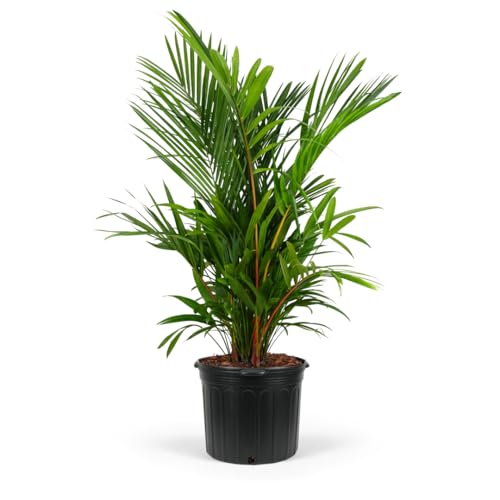
Exotic Beauty: Unique Lipstick Palm with striking red stems and glossy green foliage for a bold, tropical look.

Farm-Grown Quality: Expertly nurtured to ensure robust growth and a well-formed trunk with striking diamond-shaped leaf scars. PLEASE NOTE THIS PLANT DOES NOT SHIP TO CALIFORNIA

PLEASE NOTE THIS PLANT DOES NOT SHIP TO CALIFORNIA - Farm-Grown Quality: Nurtured with care on our farm, ensuring healthy and vibrant growth.
Characteristics of the Most Resilient Cold-Hardy Palms
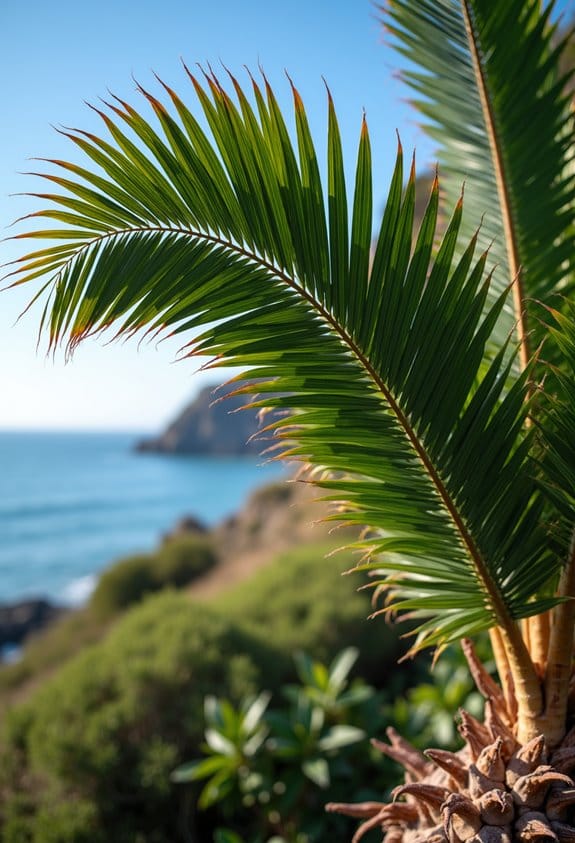
Although palms are typically associated with warm climates, certain resilient species thrive in USDA zones 5 through 9, enduring temperatures as low as 10°F (-12°C). The most resilient Hardy Palm Trees exhibit traits like compact or sturdy growth forms, allowing them to better withstand cold temperatures and occasional frosts. For example, the Windmill Palm reaches 20-40 feet with a dense trunk, while the European Fan Palm remains smaller, standing 6-15 feet tall with versatile sunlight tolerance. Additionally, cold-hardy varieties often showcase tough, fibrous fronds or bushy growth, such as the Saw Palmetto‘s drought-resistant ground cover reaching 15°F (-9°C). Some palms, like the Mexican Blue Palm, present striking silver-blue foliage, combining aesthetic appeal with resilience. These characteristics enhance survival rates during near-freezing conditions, defining true hardy palms. Furthermore, selecting palms constructed from durable materials ensures they can withstand not only cold but also harsh environmental factors like moisture and wind.
Native Regions and Climate Adaptations of Cold-Hardy Palms
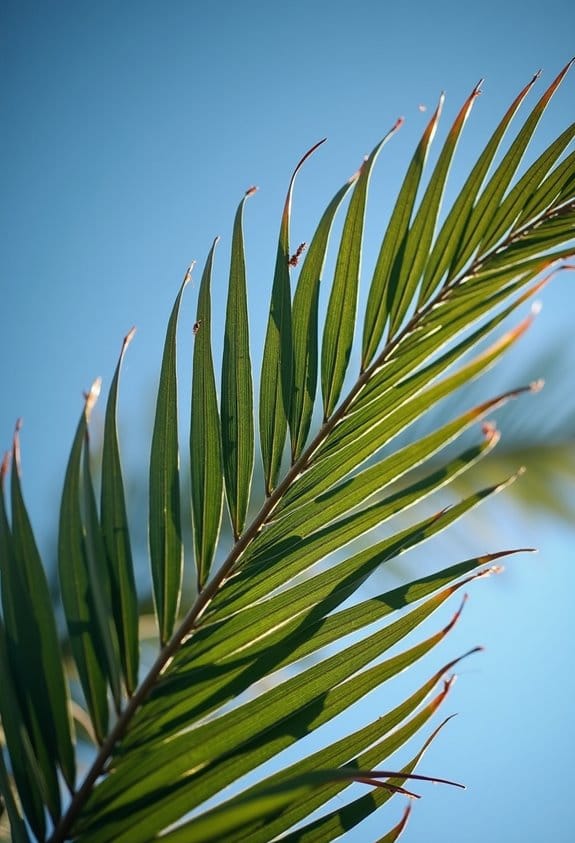
The native origins of many cold-hardy palm species span tropical and subtropical regions, where they’ve gradually developed adaptations to thrive in temperate zones like USDA zones 5 through 9. Examples include the Needle Palm and Cabbage Palm from the Southeastern U.S., which withstand brief near-freezing conditions through thick trunks and strong root systems. The Lady Palm and Puerto Rican Thatch Palm tolerate temperatures as low as 18°F and 28°F respectively, showing remarkable temperature tolerance outside their original warmer climates. The California Fan Palm, native to deserts, resists cold damage down to 15°F, enduring frost and snow. These hardy palms benefit from microclimates offering shelter from harsh winds, reducing cold damage risks. Understanding their native regions assists in selecting appropriate planting sites for ideal survival near freezing temperatures. For outdoor settings in challenging climates, incorporating UV-resistant materials can help protect palms from sun damage and prolong their appearance and durability.
Growth Habits and Size Expectations
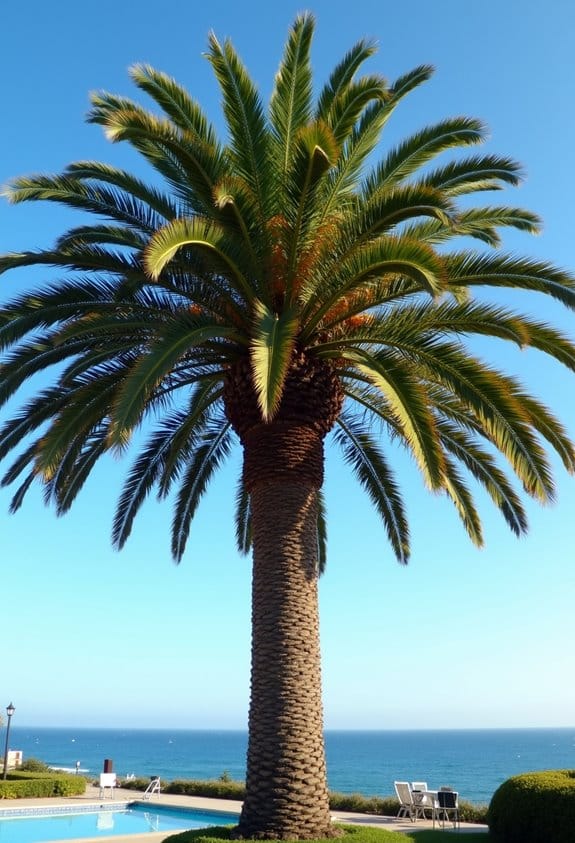
Cold-hardy palm trees display diverse growth habits and size ranges, which influence their placement in landscape designs suited for USDA zones 5 through 9. Varieties like the Needle Palm remain compact at 3-6 feet, perfect for small-scale gardens in cold weather environments. In contrast, the Date Palm reaches 50-80 feet, requiring more space and careful site selection. Many species, such as the Cabbage Palm and Queen Palm, have a slow growth rate, eventually growing between 25-50 feet with single trunks that offer vertical interest. The Lady Palm’s height of 6-15 feet suits mixed shrub borders, while the Puerto Rican Thatch Palm grows 12-25 feet and thrives in full sun. Understanding each palm’s size and growth habit within hardiness zones guarantees sustainable, visually balanced landscapes. For outdoor settings, selecting palms with weather-resistant materials ensures durability and longevity in garden installations.
Leaf Types and Aesthetic Features
Several leaf types define the aesthetic character of cold-hardy palm trees, primarily fan-shaped (palmetto) and feather-shaped (pinnate) varieties, each offering distinct visual impacts in USDA zones 5 through 9. Fan-shaped leaves, like those on the Cabbage Palm (Sabal palmetto), display broad, expansive fronds often reaching 3 to 5 feet across, providing shade and texture to landscapes. Feather-shaped leaves, seen on species such as the Queen Palm (Syagrus romanzoffiana), form soft, arching fronds up to 6 feet long that impart an elegant, flowing appearance. The Mexican Blue Palm (Brahea armata) distinguishes itself with striking grey-blue fan-shaped fronds, adding cool contrast. Additionally, the Lady Palm (Rhapis excelsa) displays lush, bamboo-like foliage ideal for shaded spots, enriching the diversity of leaf types and overall aesthetic features in cold climates. For those seeking low-maintenance options, maintenance-free artificial palms provide a realistic and durable alternative that enhances tropical aesthetics without the need for watering or pruning.
Optimal Sunlight and Placement for Cold-Hardy Palms
How much sunlight does a cold-hardy palm require to reach its full potential in USDA zones 5 through 9? Most cold hardy palms thrive under full sunlight, ideally receiving six to eight hours daily to maximize photosynthesis and growth. Placement should prioritize south-facing areas to shield palms from cold winds, which can reduce leaf damage. Avoid overcrowding, as shade from neighboring plants limits crucial sunlight critical for development. Additionally, selecting sites with well-draining soil prevents waterlogging, which cold-hardy palms are sensitive to during near-freezing temperatures. Proper drainage and soil conditions facilitate root health, supporting palms’ ability to utilize available light efficiently. Seasonal sunlight shifts may warrant repositioning to maintain full exposure, ensuring these palms flourish even in challenging climates. For enhanced year-round greenery with minimal effort, consider integrating UV-resistant palm trees designed for outdoor conditions.
Essential Care and Maintenance Tips
Proper watering and nutrient management are essential to sustaining the health of palms grown in USDA zones 5 through 9. To water cold-hardy palms effectively, apply deep irrigation once every 7 to 10 days during spring and summer, reducing frequency in winter to prevent root rot. A thick layer of mulch, approximately 3 to 4 inches, should be spread around the palm’s base to insulate roots against temperatures near freezing. Applying a palm-specific fertilizer in early spring and midsummer supports nutrient uptake during active growth phases. Regular inspections for frost damage, timely trimming of old fronds, and ensuring adequate drainage also promote resilience. During harsh freezes, wrapping young palms with frost cloth safeguards delicate tissue, further enhancing survival near their cold hardiness limits. Using artificial palms made from UV-resistant materials can provide year-round greenery in areas where natural palms struggle to survive cold temperatures.
Soil, Watering, and Fertilization Practices
A well-draining soil environment plays an essential role in promoting the health of cold-hardy palms, especially in USDA zones 5 through 9. These palms prefer sandy or sandy-loam soils with slightly acidic to neutral pH levels between 6.0 and 7.0, preventing root rot during cold, wet winters. Watering should be deep but infrequent throughout summer to encourage roots extending beyond 12 inches for stability and nutrient uptake, while reducing moisture in winter as palms enter dormancy. Fertilization using a palm-specific blend containing nitrogen, phosphorus, and potassium is recommended during spring and summer growth periods. Additionally, applying mulch around the base helps retain moisture and buffers the root zone from temperature swings. Monitoring soil nutrient levels regularly guarantees these cold-hardy palms benefit from ideal soil, watering, and fertilization practices for long-term resilience. For outdoor settings, ensuring the use of UV-resistant materials is important to maintain plant durability and color retention.
Protecting Palms During Winter and Freezing Conditions
When temperatures approach freezing in USDA zones 5 through 9, safeguarding cold-hardy palm trees requires strategic measures that minimize root damage and bolster survival. Protecting palms begins with planting in well-draining soil to prevent waterlogged roots, which freeze easily and cause cold damage. Applying a 3- to 4-inch layer of organic mulch around the base insulates roots and maintains steady soil temperatures near 40°F to 50°F, vital for winter hardiness. Wrapping young palms with frost cloth or burlap shields fronds from harsh winds and freezing air, especially during dips below 28°F. Installing windbreaks, such as fences or dense shrubs, reduces chilling effects that exacerbate cold damage. Finally, monitoring soil moisture guarantees roots remain dry before freezes, as wet soil conduction increases freeze risk, making these practices essential for winter palm care. Using artificial Areca palms with UV-resistant technology can provide a low-maintenance alternative for decorative purposes in colder climates.
Selecting the Right Cold-Hardy Palm for Your Landscape
How can selecting the right cold-hardy palm improve landscape resilience and aesthetics in cooler climates? Choosing species such as Trachycarpus fortunei enhances durability, surviving temperatures as low as 10°F, making it ideal for cold regions. Similarly, Sabal palmetto, the Cabbage Palm, thrives in USDA zones 8-10 withstanding 10-15°F, adding robust texture to landscape palms. Rhapis excelsa, or Lady Palm, is suited for shady sites tolerating 18°F, offering flexibility for diverse garden areas. For sunnier spots, Queen Palm (Syagrus romanzoffiana) endures temperatures down to 20°F, creating a tropical effect with broad fronds. Proper planting conditions, including well-drained soil and wind protection, further enhance survival rates. These careful selections guarantee landscape palms flourish despite harsh temperatures, blending aesthetic appeal with functional resilience.
Recommended Products

THIS PLANT DOES NOT SHIP TO CALIFORNIA - Farm-Grown Quality: Nurtured with care on our farm, ensuring robust health and vibrant growth for your Queen Palm.

PLEASE NOTE THIS PLANT DOES NOT SHIP TO CALIFORNIA - Striking Appearance: Features unique silvery-blue fronds that can reach up to 5 feet long, adding a stunning focal point to your landscape.
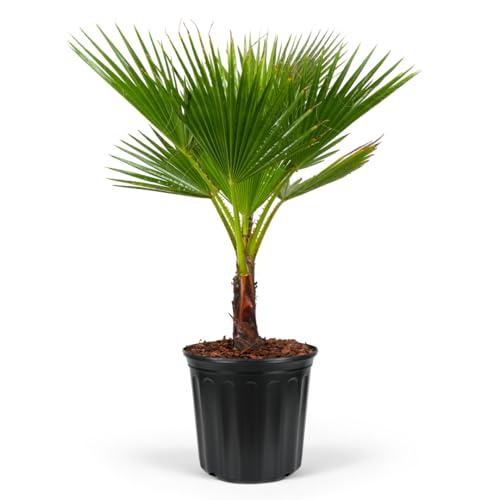
Fast-Growing Beauty: Reaches heights of up to 100 feet, creating a stunning focal point in any landscape.
Frequently Asked Questions
What Kind of Palm Trees Can Survive Cold Weather?
Cold resistant varieties such as Windmill, Needle, and Cabbage palms demonstrate notable climate adaptability. Successful growth requires winter care, including protection from frost and cold winds, ensuring these palms thrive in cooler environments.
What Are the Cold Hardy Palms in Zone 7?
Zone 7 palms, like steadfast guardians, include Trachycarpus fortunei, Rhapidophyllum hystrix, Sabal minor, and Chamaerops humilis. Native palms endure cold, requiring winter care to thrive, balancing resilience with careful protection against freezing temperatures.
What Temperature Is Too Cold for Palm Trees?
Temperatures below 10°F typically exceed palm tree resilience, causing significant damage. Effective winter protection and climate adaptation strategies are essential to preserve palms, especially during prolonged cold spells that challenge their survival in less favorable environments.
What Is the Most Cold Hardy Pinnate Palm?
Long before smartphones, the Date Palm stands as the most cold hardy pinnate palm, mastering frost resistance techniques. Among palm tree varieties, its cold climate adaptations enable survival down to 15°F, excelling where others falter.