As an Amazon Associate, we earn from qualifying purchases. Some links on this site are affiliate links at no extra cost to you. Our recommendations are based on thorough research and editorial judgment.

Common Palm Tree Diseases and Natural Treatment Methods

Common palm tree diseases include Fusarium wilt, lethal yellowing, and leaf spot infections, often seen in USDA zones 9 to 11. Symptoms like yellowing fronds, water-soaked lesions, and premature fruit drop indicate infection. Natural treatments emphasize pruning dead fronds with disinfected tools, improving soil drainage to prevent root rot, and selecting resistant palm species. Timely care reduces fungal spread and preserves canopy health. Effective management strategies and detailed preventative measures offer essential guidance for maintaining resilient palms.
Key Takeaways
- Yellowing leaves, dark spots, and premature fruit drop are common palm disease symptoms indicating leaf spot, Fusarium wilt, and lethal yellowing.
- Fusarium wilt thrives in poorly drained soils; improve drainage and prune infected fronds to manage its spread naturally.
- Use proper sanitation and disinfect pruning tools to prevent disease transmission and maintain palm health.
- Plant palm varieties resistant to local diseases and avoid excess moisture to naturally prevent root rot and bud rot.
- Regularly inspect palms for early disease signs and seek professional care for persistent or complex infections.
Recognizing Symptoms of Palm Tree Diseases
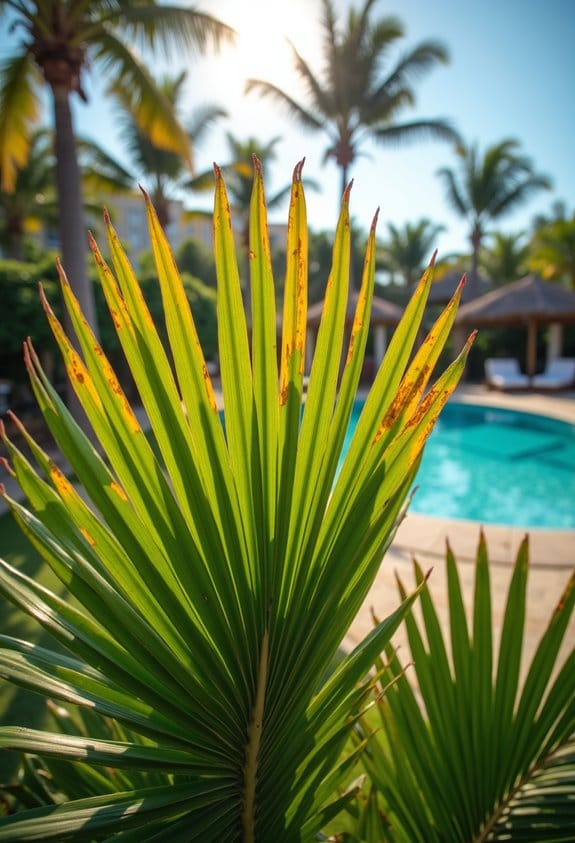
Although palm trees are resilient to many environmental challenges, recognizing symptoms of common diseases early is essential for effective treatment and preservation. Typical signs include yellowing or frizzled leaves, withered older fronds, and dark spots indicative of leaf spot infections. Observing water-soaked lesions or asymmetrical leaf death, especially on Canary Island date palms, can signal Fusarium Wilt, while premature fruit drop hints at Lethal Yellowing presence. An inflicted tree with mushy roots alongside declining foliage often points to root rot caused by excess moisture or poor drainage. Quickly identifying these symptoms allows caretakers to prevent the disease’s spread and maintain a healthy palm. Routine inspections focusing on frond coloration, lesion formation, and fruit retention size—usually 10-15 cm in affected areas—support early diagnosis and intervention. Using UV resistance treatments can help protect outdoor palms from additional environmental stress that may exacerbate disease symptoms.
Leaf Spot Diseases Overview
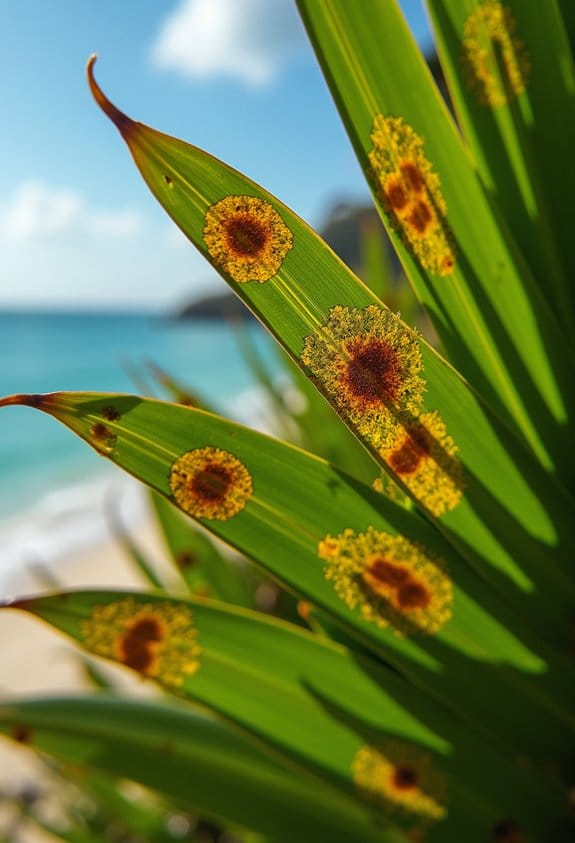
When palm trees develop fuzzy or dark fungal spots on fronds, it often signals the onset of leaf spot diseases that require prompt attention. Leaf spot diseases in palms are caused by various fungal pathogens, with symptoms including yellowing or browning leaves that may eventually fall off. Effective palm tree care involves pruning tools sterilized before and after use to prevent the spread of infection. Removing heavily infected fronds minimizes fungal growth, while applying copper fungicides can curb further damage. Proper watering practices, such as avoiding wet foliage overnight, reduce fungal development. Monitoring palms in USDA zones 9-11 regularly for early signs helps maintain plant health. Additionally, keeping the area clear of debris and disposing of infected material properly decreases new infections, ensuring a clean and robust environment for palms to thrive. Incorporating UV-resistant materials in nearby palm decorations can also help minimize fungal growth by reducing moisture retention on fronds.
Causes and Effects of Fusarium Wilt
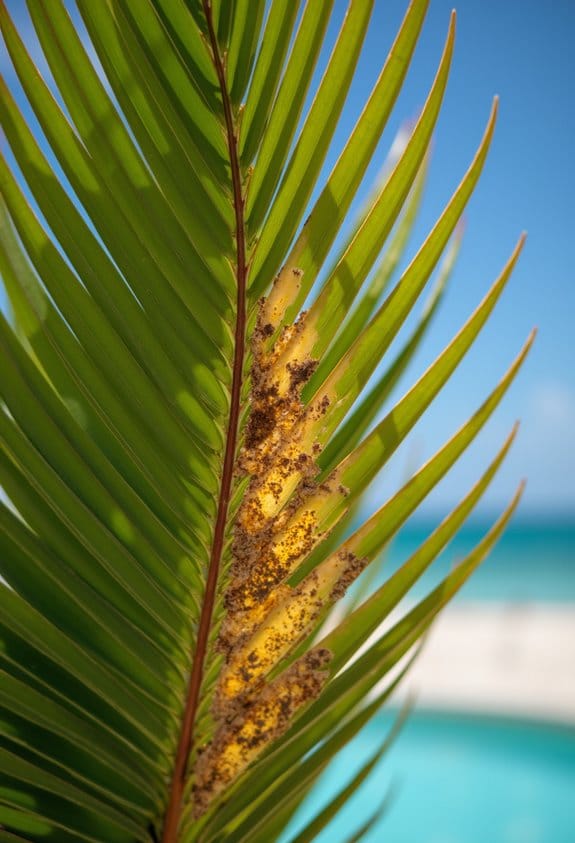
Fusarium Wilt is a serious vascular disease caused by the soil-borne fungus *Fusarium oxysporum f. sp. canariensis*, primarily targeting Canary Island date palms. This disease affects palm trees by blocking water transport, causing one-sided leaf death, yellowing fronds, and hanging dead leaves as symptoms progress. Fusarium Wilt thrives in poorly drained soils where wilt stresses increase, emphasizing the importance of proper care such as ensuring well-drained planting sites and avoiding waterlogged conditions. Although there is no cure, early detection helps manage the disease by pruning infected fronds to reduce fungal spread and minimizing additional wilt stresses. Severely affected palms often require removal to protect healthy trees. Understanding these causes and effects allows for better prevention strategies to maintain palm health and longevity under challenging conditions. Selecting palm trees with well-drained sandy soil and appropriate wind protection, as recommended for coastal climates, can reduce the risk of disease stresses and improve overall tree resilience.
Recommended Products

Finally Available On Amazon! You Asked And We Listened, So The Most Popular Fertilizer For Palms Is Now On Amazon.

Finally Available On Amazon! You Asked And We Listened, So The Most Popular Fertilizer For Palms Is Now On Amazon.

Produces deep green, faster growing foliage versus unfed plants
Identifying Diamond Scale on Palms
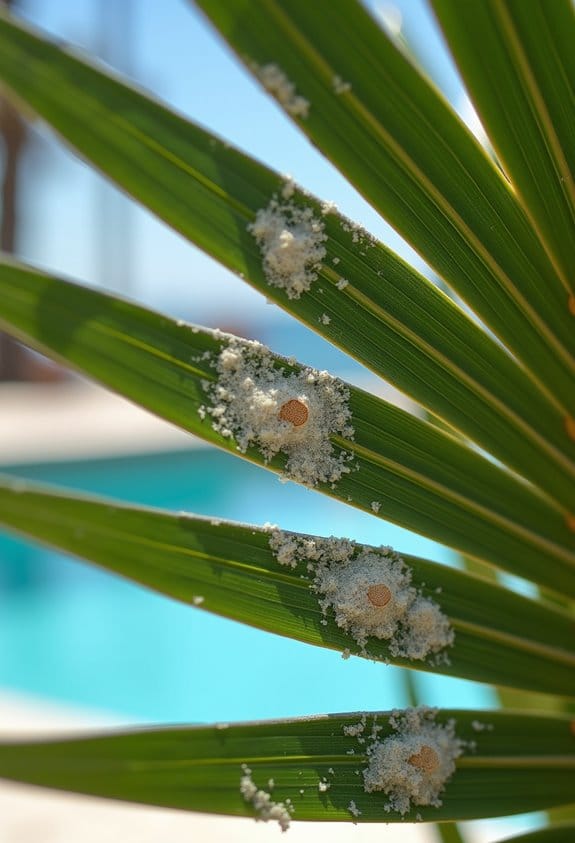
Attention to fungal threats on palms extends beyond Fusarium Wilt, as Diamond Scale presents unique challenges, especially for California fan palms. This disease, caused by *Phaeoisariopsos neowashintoniae*, produces watery dark lesions on leaves, clearly visible under close inspection. Symptoms include reduced leaf significance and diminished photosynthesis, leading to canopy thinning. Diamond scale fungal spores thrive in humid environments above 60% relative humidity, mainly in USDA zones 9-11. Proper care involves ensuring at least 10 feet of spacing between palms to improve air circulation and decrease moisture buildup. Regular monitoring helps detect early symptoms. Managing infection requires pruning heavily affected fronds and applying recommended fungicides like chlorothalonil. These steps reduce fungal spore presence and slow disease progression. Consistent, vigilant care is essential for preserving health and appearance in California fan palms vulnerable to Diamond Scale. For optimal palm health in outdoor environments, selecting palms with UV resistance can also help mitigate stress factors that make palms more susceptible to diseases.
Understanding Lethal Yellowing Disease
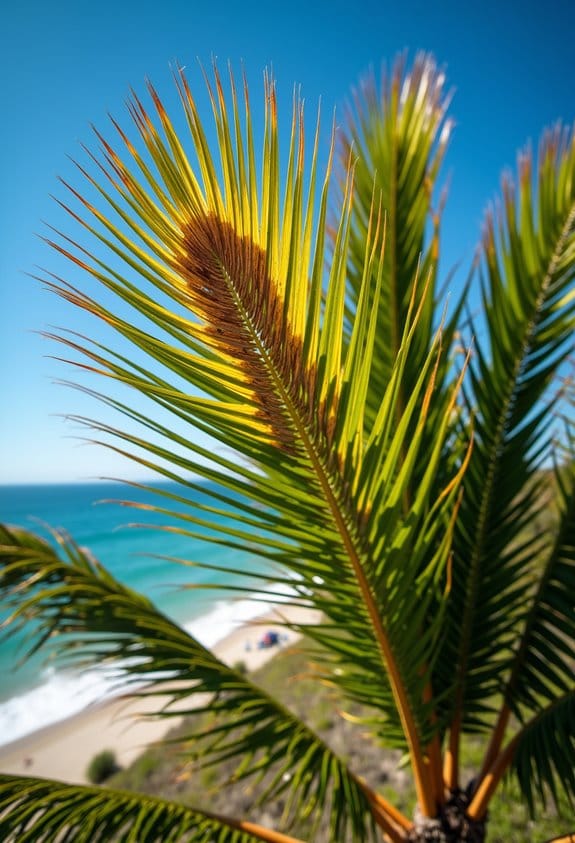
How does one identify and manage Lethal Yellowing, a serious threat to coconut and other palm species? This disease, caused by a phytoplasma pathogen, leads to progressive yellowing of older leaves on an infected tree, followed by premature leaf death and fruit drop. The affected palm ultimately appears aged and unhealthy, which can considerably reduce its fruit production and visual appeal. Spread primarily by sap-sucking planthoppers, Lethal Yellowing requires vigilant monitoring to detect early symptoms and control these insect vectors. While no permanent cure exists, temporary relief is sometimes achieved with tetracycline antibiotic injections. Ensuring proper care, including regular inspection and good sanitation, is essential to slowing disease spread and helping palms maintain their health and productivity in vulnerable zones. Additionally, choosing durable, weather-resistant palm trees can enhance garden resilience and aesthetic value despite challenges like disease.
Common Root Rot and Its Prevention
Although palm trees thrive in tropical and subtropical climates, they are vulnerable to common root rot, a disease primarily caused by excessive soil moisture and poor drainage. This condition results in mushy roots and yellowing leaves, signaling declining health. Prevention focuses on maintaining good soil drainage by planting palms in well-aerated soil, avoiding waterlogged spots especially in USDA zones 9-11. Overwatering must be avoided; palms require watering only when the top inch of soil dries out, typically every 7-10 days depending on temperature and humidity. Mulching can conserve moisture but should be placed 6 inches away from the trunk to prevent damp environments encouraging root rot. Additionally, balanced fertilization supports root vigor, increasing resistance to common root rot and ensuring robust growth in challenging climates. For outdoor planting, selecting palms with UV-resistant materials can further protect the plant’s integrity in direct sunlight while reducing maintenance needs.
Natural Methods for Treating Leaf Spot Diseases
Managing leaf spot diseases in palm trees involves several natural approaches that focus on removing infection sources and enhancing environmental conditions. Pruning affected fronds with sanitized pruning tools reduces fungal load and improves air circulation, especially important in zones 8 to 11 where humidity promotes disease. Applying copper fungicide spray early, at 1–2 oz per gallon, limits spore spread and protects healthy tissues. Watering palms in mornings rather than evenings decreases leaf moisture by afternoon, mitigating fungal growth favored at temperatures between 68°F and 86°F. Regular monitoring every two weeks guarantees prompt detection of new lesions under 5 mm, enabling timely treatment adjustments. Together, these methods form a practical management plan to control leaf spot, sustaining palm health through precise, consistent care while minimizing chemical reliance. Incorporating UV-resistant treatments can also enhance palm tree durability and reduce stress factors that contribute to disease susceptibility.
Recommended Products
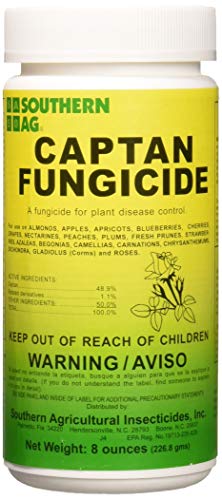

PROVEN BROAD-SPECTRUM FUNGUS PREVENTION: Gunner 14.3 MEC contains 14.3% propiconazole; the same active ingredient as Banner Maxx, the fungicide golf, landscape, and nursery pros trust for proven protection against more than 20 plant fungi.
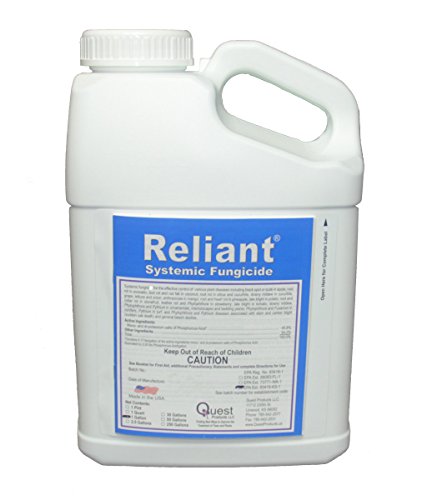
Same formulation & strength as Agri-Fos and Garden-Phos (LG3307)
Managing Fusarium Wilt in Your Landscape
Recognizing Fusarium Wilt early involves identifying the one-sided leaf death typical in Canary Island date palms, particularly vulnerable in USDA zones 9 to 11. This disease, caused by Fusarium oxysporum f. sp. canariensis, shows irreversible damage, demanding focused efforts on managing symptoms rather than cure. Proper care includes timely pruning of severely affected leaves to minimize fungal spread, combined with irrigation practices that reduce palm stress. Regular fungicide applications, especially those containing thiophanate-methyl, help manage opportunistic infections but do not eradicate Fusarium Wilt. Selecting disease-resistant palm species offers a strategic advantage in landscape planning, improving resilience. Overall, providing proper care and monitoring disease progression extends palm health, supporting landscape aesthetics despite Fusarium Wilt’s persistent challenge in susceptible palm species. Additionally, incorporating UV-resistant materials and durable palms can help maintain landscape appearance even when disease management is ongoing.
Best Practices for Disease Prevention in Palms
How does one effectively safeguard palms against common diseases that thrive in USDA zones 8 through 11? Selecting palm trees resistant to local climate and soil conditions is vital, as care can greatly reduce vulnerability to pathogens. Maintaining proper drainage prevents water accumulation, which can lead to Bud Rot and Root Rot. Regularly inspect palms for early signs of infestations or infections, allowing prompt treatment before disease spreads. Applying fertilizers rich in high-nitrogen and high-potassium supports robust growth and improves resilience. Attention to watering schedules avoids excessive moisture that encourages fungal growth. While maintaining these standards, gardeners protect palms using evidence-backed strategies. This integrated care approach guarantees palm health, combining genetic resistance with cultural practices for disease prevention throughout subtropical to warm temperate zones. Additionally, using artificial palms with UV-resistant materials can supplement garden aesthetics without the disease risks of live plants.
Tools and Techniques for Safe Pruning
Pruning palms safely requires using clean, disinfected tools such as manual saws or hand pruners, especially within USDA zones 8 to 11 where disease pressure is high. Employing tools and techniques for safe pruning helps prevent pathogen introduction by making certain all equipment is sanitized before and between cuts. Proper pruning techniques involve cutting fronds at a slight angle just above the bud to promote healthy regrowth and minimize water pooling, reducing infection risk. It is essential to prune only dead or severely infected fronds to minimize stress on the palm’s vascular system. Additionally, sanitizing tools between trees prevents cross-contamination, while responsible disposal of pruned material, such as bagging or burning, limits pathogen spread. Clean, disinfected pruning tools paired with precise techniques guarantee palm vitality and long-term health maintenance. Using weather-resistant materials in the garden can further protect palms from disease by providing a durable environment resistant to moisture and temperature fluctuations.
When to Seek Professional Palm Tree Care
Although many common palm tree issues can be managed at home, professional palm tree care becomes essential when symptoms escalate or persist beyond initial treatment efforts. In tropical and subtropical regions where palm trees thrive, diseases that affect palm can appear complex, requiring expert diagnosis and treatment. Arborists utilize specialized products, often unavailable to homeowners, increasing control over infections. One should seek expert care particularly if discoloration, wilting, or fungal growth worsens after two weeks of natural treatments. Additionally, professionals apply proper tools and safe pruning methods, minimizing damage risk. Regular consultations every six to twelve months help prevent disease onset and maintain healthy palms, supporting the tree’s vigor and landscape beauty. Early intervention by experts greatly improves survival chances amid challenging palm diseases.
Recommended Products

Product used as a sprayable or drench application on ornamentals in nursery, greenhouse and landscapes

100% Natural Jute Burlap
Frequently Asked Questions
How to Treat a Diseased Palm Tree?
How can one guarantee effective palm tree care amid challenges? Proper pruning techniques, disease prevention, addressing nutrient deficiencies, and maintaining soil health are crucial. Early intervention and consistent monitoring optimize the tree’s recovery and long-term vigor.
What Does Epsom Salt Do for a Palm Tree?
Epsom salt provides Epsom benefits by correcting magnesium deficiency in palms, enhancing palm nutrition and chlorophyll production. It improves soil health and complements fertilizer effects, promoting greener foliage and stronger growth without replacing extensive fertilization regimes.
What Does a Diseased Palm Tree Look Like?
A diseased palm tree looks like a fading torch, with leaf discoloration, trunk damage, and root rot often visible. Disease identification also involves spotting pest infestation, guiding timely intervention to prevent further decline and preserve vigor.
How to Bring a Palm Tree Back to Health?
To bring a palm tree back to health, one should focus on palm tree pruning, addressing nutrient deficiency with proper fertilization, improving soil drainage, implementing pest control measures, and reducing environmental stress for ideal recovery and growth.