As an Amazon Associate, we earn from qualifying purchases. Some links on this site are affiliate links at no extra cost to you. Our recommendations are based on thorough research and editorial judgment.

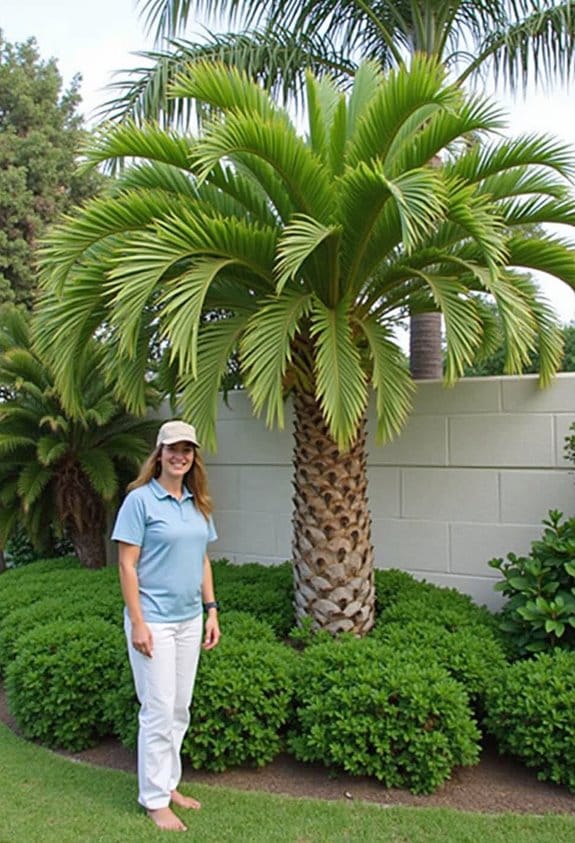
How Salt Spray Affects Tropical Plants and How to Protect Them

Salt spray deposits microscopic seawater droplets up to half a mile inland, causing salt injury on tropical plants’ leaves, especially on wind-facing sides. This results in browning, dieback, and impaired nutrient uptake, mimicking drought stress. Protection involves planting dense windbreaks 120 to150 feet from vulnerable plants using evergreen, salt-tolerant species like mangroves or cabbage palms. Regular washing of salt after storms and soil management with low-salt fertilizers also aid recovery. Exploring further reveals detailed strategies for lasting coastal plant resilience.
Key Takeaways
- Salt spray deposits salts on leaves, causing leaf scorch, wilting, and stunted growth by disrupting nutrient uptake and water absorption in tropical plants.
- Sodium and chloride ion toxicity from salt exposure leads to osmotic stress, reducing photosynthesis and overall plant vigor.
- Planting salt-tolerant species like mangroves, cabbage palms, and hibiscus enhances coastal garden resilience against salt spray damage.
- Installing dense, evergreen windbreaks 120-150 feet from sensitive plants effectively reduces wind velocity and salt spray impact.
- Washing foliage after storms, maintaining soil moisture, and using mulch and low-salt fertilizers aid recovery and prevent salt accumulation.
Understanding Salt Spray and Its Sources
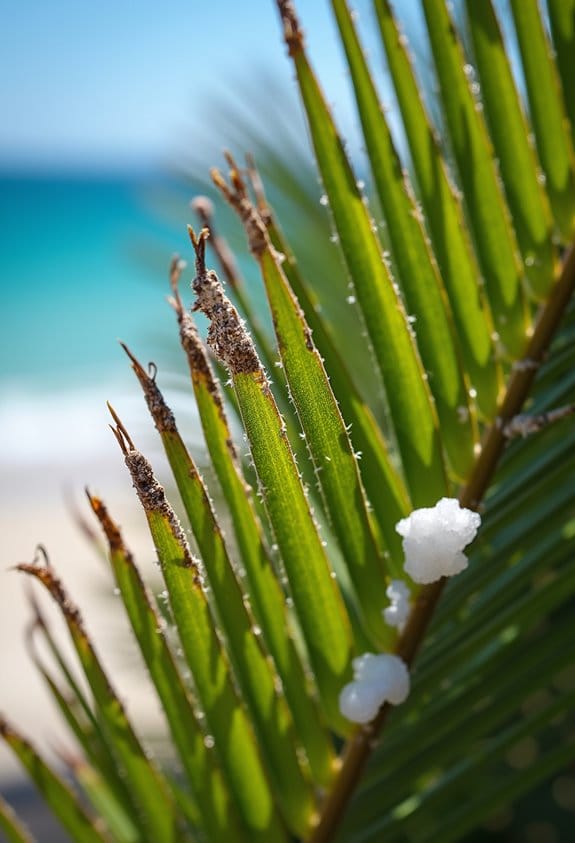
Salt spray consists of microscopic droplets of seawater propelled inland by winds, typically traveling up to half a mile from coastal shorelines. This phenomenon arises mainly from waves crashing on shores and is intensified during storms or strong winds, increasing salt exposure for coastal plants. Salt spray carries dissolved salts, which deposit on leaf surfaces as water evaporates, causing salt injury marked by tissue damage. Coastal plants within this half-mile zone must endure fluctuating salt concentrations and mechanical stress from relentless strong winds. The accumulation of salt disrupts cellular functions in leaves, weakening plant health and resilience. Understanding these sources—crashing waves, active wind patterns, and storm surges—enables better prediction and management of salt spray effects on tropical plants inhabiting coastal and nearshore environments. For plants in these challenging environments, selecting species or materials resistant to UV and temperature extremes can improve longevity and appearance.
Symptoms of Salt Spray Damage on Tropical Plants
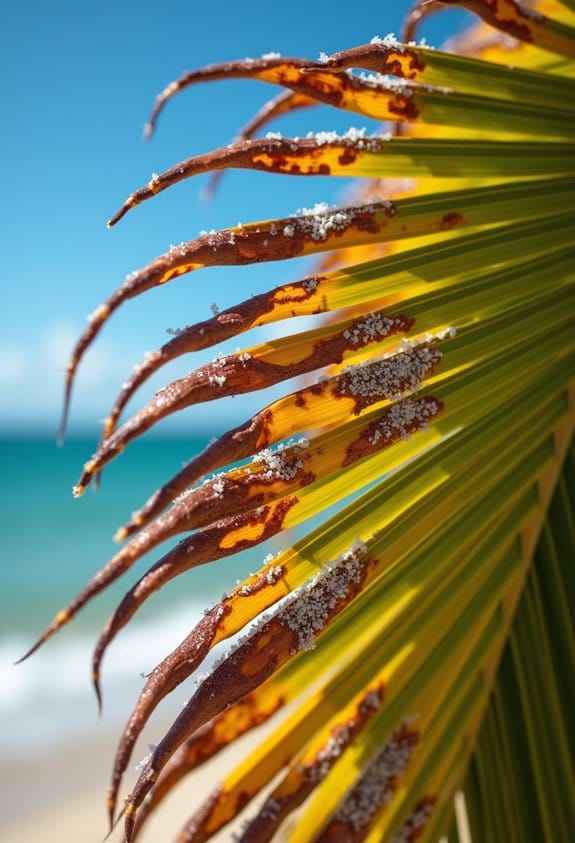
When tropical plants grow within the half-mile coastal zone exposed to saline aerosols, they often display distinctive symptoms that indicate salt spray damage. The symptoms of salt damage typically include scorched foliage with browning and dieback along leaf tips and edges, often resembling drought stress. Salt spray damage causes visible salt crusting on leaves after water evaporation, leading to further tissue burn. Leaves may wilt, and excessive leaf loss can occur, threatening plant health. Damage is usually most severe on wind-facing sides during coastal storms. Stunted growth results from impaired nutrient uptake related to salt exposure. Recognizing these symptoms of salt damage on tropical plants helps gardeners identify and mitigate the adverse effects of salt spray promptly and effectively, protecting valuable coastal vegetation. Using plants with UV resistance can help improve durability and reduce the severity of damage in harsh coastal environments.
How Salt Spray Impacts Plant Physiology
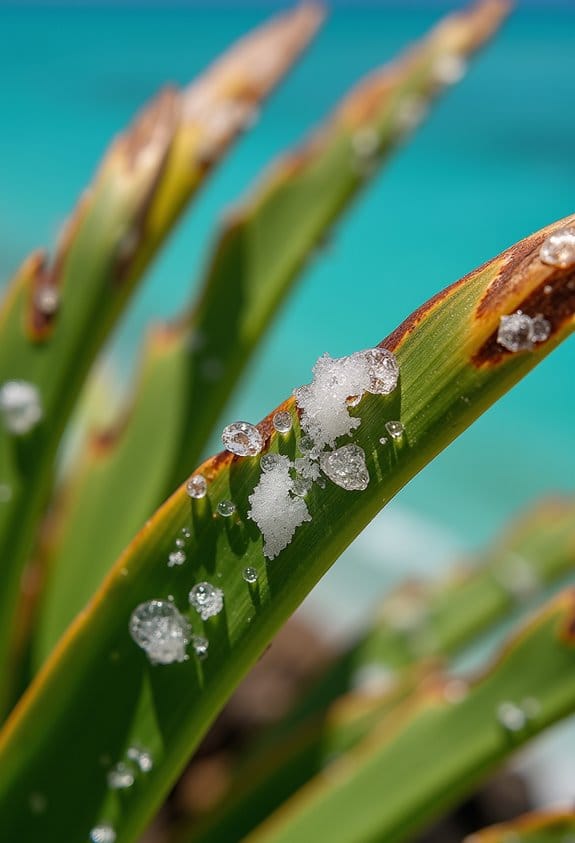
Although coastal breezes bring invigorating air, they also carry saline aerosols containing sodium chloride that can disrupt tropical plants’ internal functions. Salt Damage occurs primarily due to ion toxicity, as excessive sodium and chloride ions interfere with nutrient absorption and cellular metabolism. Salt accumulation on leaf surfaces induces osmotic stress, which reduces water uptake by roots, mimicking drought-like dehydration. This stress often results in leaf scorch, with brown edges and tips signaling cell damage. Photosynthesis rates decline, slowing overall growth and weakening plants’ vigor. While salt-tolerant plants manage ion balance more effectively, most tropical species suffer prolonged stress that increases susceptibility to pathogens. Understanding these physiological impacts aids in managing and protecting tropical plants exposed to salty coastal environments, particularly those within USDA hardiness zones 10 through 12, where salt spray occurs regularly. Using waterproof fabrics in outdoor plant setups can help reduce damage from environmental moisture and salt exposure.
Identifying Salt-Tolerant Tropical Plant Species
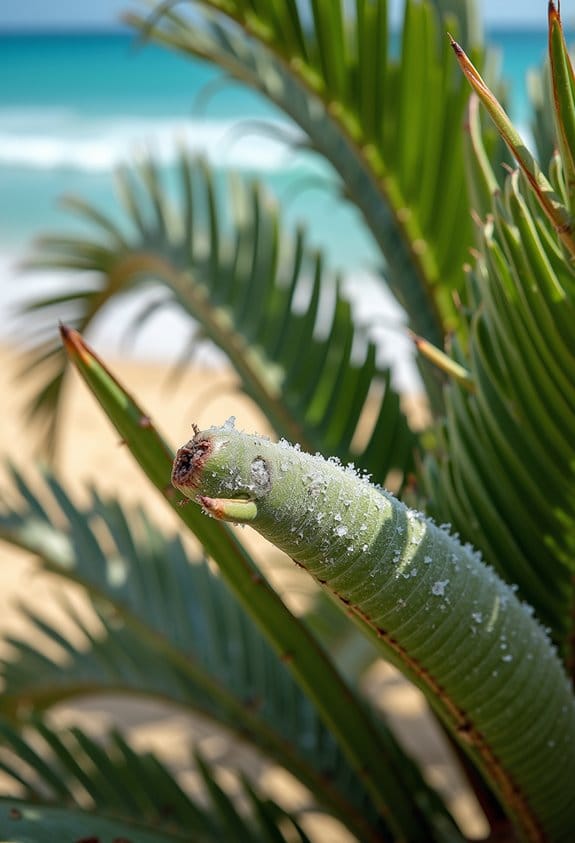
Recognizing tropical plants that withstand regular exposure to saline aerosols is essential for sustainable landscaping in coastal zones 10 through 12. Salt tolerant tropical plants like red, black, and white mangroves demonstrate exceptional resilience to salt spray, often thriving in wet coastal soils. Palms such as cabbage palms and saw palmettos are also reliable salt growers, tolerating salt deposition close to sea breezes. Additionally, live oak and southern red cedar contribute to ecological stability while resisting salt damage in coastal landscapes. Flowering shrubs including hibiscus, firebush, and plumeria show moderate to high salt tolerance, adding aesthetic appeal. Incorporating native species such as wild coffee and necklace pod enhances biodiversity, promoting natural salt resistance. Together, these species offer a practical palette for gardeners aiming to withstand the harsh saline effects common to tropical shorelines. For coastal outdoor spaces, choosing UV-resistant palm trees ensures durability and long-term decorative appeal in salty conditions.
Recommended Products

Farm-Grown Quality: Carefully nurtured on our farm, ensuring healthy, strong growth and a well-shaped trunk.

THIS PLANT DOES NOT SHIP TO CALIFORNIA - Farm-Grown Quality: Nurtured with care on our farm, ensuring robust health and vibrant growth for your Queen Palm.

Farm-Grown Quality: Nurtured with care on our own farm, ensuring robust health and vibrant growth.
Creating Effective Windbreaks to Reduce Salt Exposure
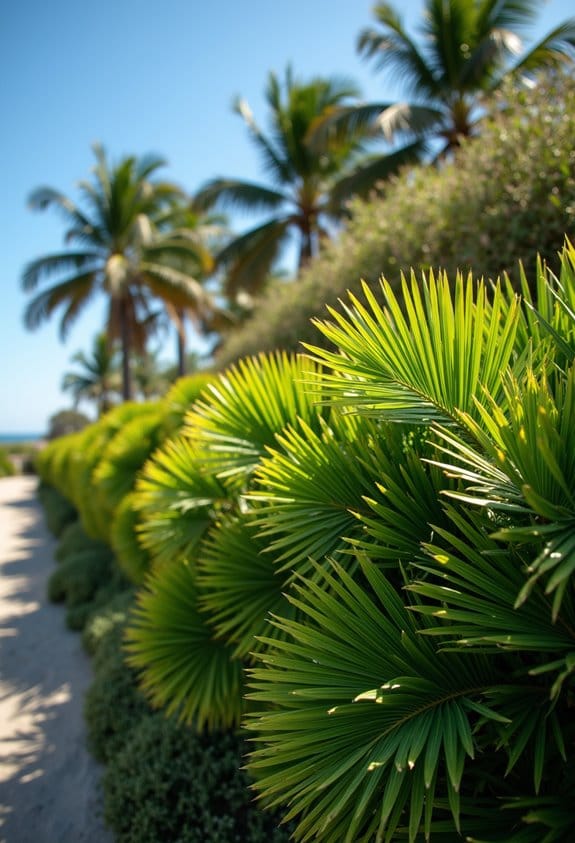
Establishing effective windbreaks is an essential strategy for protecting tropical plants from harmful salt spray in coastal zones 10 through 12. Windbreaks reduce wind velocity and salt spray by serving as barriers, improving moisture retention essential for sensitive plants. Dense rows of salt-tolerant trees and shrubs, ideally evergreen species, provide year-round protection by filtering salt-laden winds. These windbreaks should be at least 12 to 15 feet tall and placed approximately 120 to 150 feet away from sensitive tropical plants, creating an effective buffer zone. Proper maintenance, including regular trimming and replanting, guarantees sustained performance. By strategically implementing and managing these windbreaks in coastal areas, the exposure of sensitive plants to salt spray decreases substantially, preserving their health and promoting growth despite challenging environmental conditions. Incorporating palms with UV-resistant materials into windbreak designs can enhance durability against salty air and prolong their protective function.
Best Practices for Planting Locations Near Coastal Areas
When selecting planting locations near coastal areas, it is crucial to prioritize salt-tolerant species such as live oak, southern red cedar, and cabbage palms that thrive in zones 10 to 12 with saline soil and frequent salt spray. Salt-sensitive woody plants should be avoided within one-eighth of a mile from the coast to reduce salt damage risks from wind-borne spray. Establishing a protective barrier using salt-resistant shrubs like rugosa rose effectively traps salt spray, safeguarding weaker plants behind them. Deciduous perennials can also minimize salt accumulation by shedding leaves each fall. Additionally, regular irrigation during dry spells is essential for supporting coastal plants, as fresh water helps alleviate salt stress and promotes healthy growth. These combined strategies guarantee ideal plant health near salt-exposed coastal environments. For locations where live plants struggle, incorporating coastal artificial palm trees can provide a durable, low-maintenance tropical aesthetic resistant to salt spray and harsh sunlight.
Soil Management Strategies to Combat Salt Stress
Effective soil management is essential for maintaining plant health in coastal zones 10 to 12 where salt spray frequently increases soil salinity. Incorporating organic matter boosts water retention and nutrient availability, allowing roots to better withstand salt stress. Applying mulch around plants helps preserve soil moisture by limiting evaporation, which reduces salt buildup near root zones. Regularly watering during dry spells can leach excess salts beyond the root zone, lowering soil salinity to safer levels. Conducting periodic soil testing assists in identifying salinity concentrations, guiding targeted amendments to optimize soil chemistry. Additionally, planting cover crops during off-seasons improves soil structure and stimulates microbial activity, naturally breaking down salts and enhancing overall soil health. These combined strategies form a robust approach to managing soil conditions and protecting tropical plants in salt-exposed coastal settings. Using UV-resistant materials in plant protection can further enhance durability against harsh environmental conditions.
Recommended Products

OMRI (Organic Materials Review Institute) Listed: OMRI listed means that a product is safe to use in organic production, processing, and handling & are allowed to be used in certified organic operations under the USDA National Organic Program (NOP). Salt Hay is the highest quality natural mulch available for vegetable gardens.

Soil Saver is an OMRI listed, 100% organic soil amendment

Large 1.76 Cu Ft Bag: Great value size for indoor gardening and outdoor containers.
Practical Care Tips for Salt-Damaged Tropical Plants
Salt spray can cause visible harm to tropical plants, especially in coastal zones 10 to 12, where storm surges frequently coat leaves with harmful salt deposits. Immediate washing of salt from foliage after storms reduces leaf damage and salt concentration. Regular irrigation during dry spells maintains soil moisture, crucial for recovery and diluting soil salinity. Applying low-salt fertilizers encourages new growth without exacerbating soil salinity, unlike traditional fertilizers. Monitoring plants for severe leaf injury helps determine if professional pruning or replacement with salt-tolerant tropical plants is necessary. Additionally, placing sensitive tropical plants away from roadways and salt-exposed areas enhances protection. These practical care tips mitigate salt spray impacts, ensuring tropical plants withstand and recover from coastal environmental stresses effectively. For sustained outdoor health, consider incorporating UV-resistant palm trees which provide durable and vibrant greenery resistant to harsh weather conditions and salt exposure.
Recommended Products

Finally Available On Amazon! You Asked And We Listened, So The Most Popular Fertilizer For Palms Is Now On Amazon.

TRULY ORGANIC YOU CAN TRUST - OPM Lawn Food is Alive with GroBiotics️: Amino & Humic Acids, Beneficial Biology️ and Complete Nutrition — These are the ABC’s of Organic Growing... With GroBiotics you will grow gorgeous grass better than ever before!

Easy-to-use liquid plant food mix and soil ammendment.
Selecting Mulch and Groundcovers to Mitigate Salt Effects
Although tropical plants may endure occasional salt spray, selecting appropriate mulch and groundcovers effectively reduces salt intrusion into the soil and protects delicate root systems. Organic mulch, such as 2-4 inch layers of wood chips or coconut coir, retains moisture and acts as a barrier against salt penetration. Combining these with salt-tolerant groundcovers like beach sunflower or railroad vine further mitigates salt accumulation by stabilizing soil and reducing erosion. These groundcovers thrive in USDA zones 9-11 typical of coastal environments. Regularly replenishing mulch maintains its protective function, especially during temperature extremes above 85°F when salt stress intensifies. Together, mulch and groundcovers support nutrient availability and foster resilience, making them essential choices for managing salt exposure in tropical garden settings. Using UV-resistant materials in plant protection can further enhance longevity in environments affected by salt spray.
Frequently Asked Questions
How Do You Reverse Salt Damage to Plants?
Reversing salt damage involves leveraging salt tolerance mechanisms by managing soil salinity through irrigation and organic matter. Foliar spray methods wash salt off to prevent leaf tip burn, while light fertilization aids recovery without exacerbating salt stress.
What Is the Downside of Sea Salt Spray?
The downside of sea salt spray includes salt toxicity, which diminishes plant resilience and hinders coastal adaptation. Effective mitigation strategies are essential to prevent permanent damage, reduce disease susceptibility, and guarantee survival in salt-prone environments.
Is Salt Spray Good for Plants?
A coastal mangrove thriving near saline waters illustrates salt spray benefits through salt tolerance mechanisms and coastal plant adaptations. Foliar salt absorption can aid some plants’ hydration, but overall, salt spray is rarely beneficial without specific adaptations.
Can Plants Recover From Salt Poisoning?
Plants can recover from salt poisoning through effective recovery strategies that enhance salt tolerance. Maintaining plant health with proper watering, nutrient management, and mitigation techniques is essential to reduce damage and promote successful recovery over time.