As an Amazon Associate, we earn from qualifying purchases. Some links on this site are affiliate links at no extra cost to you. Our recommendations are based on thorough research and editorial judgment.

Understanding Microclimates in Coastal Garden Design

Microclimates in coastal garden design involve variations in temperature, wind, humidity, and sunlight that affect plant health and growth. Coastal Oregon zones 8a to 9b experience winter lows between 10°F and 25°F, with southern exposures receiving 10–20% more sun and 2–4°F higher temperatures. Strong winds up to 65 mph and salt spray require hardy plants like lavender and azaleas. Raised beds 8–12 inches high improve drainage in saturated soils. Understanding these details enables smarter plant choices and garden layouts that thrive near the ocean. More insights follow.
Key Takeaways
- Coastal microclimates influence temperature, humidity, and wind, affecting plant growth and garden design choices near the ocean.
- Southern-facing exposures offer more sunlight and warmth, crucial for selecting site-appropriate plants in coastal gardens.
- Wind and salt spray necessitate planting hardy, salt-tolerant species and using natural windbreaks for protection and soil preservation.
- Raised beds improve drainage in saturated coastal soils, preventing root rot and supporting healthy plant development.
- Selecting short-season vegetables and UV-resistant plants maximizes growth and resilience within the diverse microclimates of coastal gardens.
Defining Microclimates and Their Importance
Although often overlooked, microclimates represent small-scale climate variations shaped by factors like temperature, humidity, and wind, which greatly influence plant health and growth. In coastal gardening, these localized conditions modify growing conditions within gardens, affecting sunlight exposure, soil moisture, and temperature shifts often driven by the nearby ocean’s marine layer. For example, southern-facing exposures typically receive 10-20% more sunlight and maintain temperatures 2-4°F warmer than northern, shaded areas. Recognizing such microclimates helps gardeners select plants best suited to site-specific climate niches, optimizing survival and bloom periods. Additionally, understanding microclimates informs irrigation plans, ensuring water application aligns with spatial moisture differences caused by coastal winds or fog. This precise management bolsters plant vigor and extends a garden’s productive season in zones 9 through 11, common along many coastal regions. Choosing plant varieties with UV resistance can further improve longevity and appearance when exposed to intense coastal sunlight.
Characteristics of Coastal Microclimates
When coastal gardens are near large bodies of water, their microclimates exhibit distinct characteristics such as frequent marine layers that produce low clouds and cooler temperatures, especially during late spring and early summer. These microclimates within small garden areas can vary widely due to differences in wind exposure, sunlight, and moisture. Strong coastal winds, often gusting between 45 and 65 mph, create challenges for plant protection and influence garden design. Hardiness zones along coasts generally range from 8a to 9b, impacting which plants will thrive. The growing season is often moderated by ocean influence, extending frost-free periods but also causing cooler daytime temperatures. Understanding these specific conditions allows gardeners to select appropriate plants and design strategies that effectively respond to local coastal microclimates. Selecting palms adapted to USDA zones 9-11 can also support local ecosystem health and garden resilience.
USDA Plant Hardiness Zones on the Oregon Coast
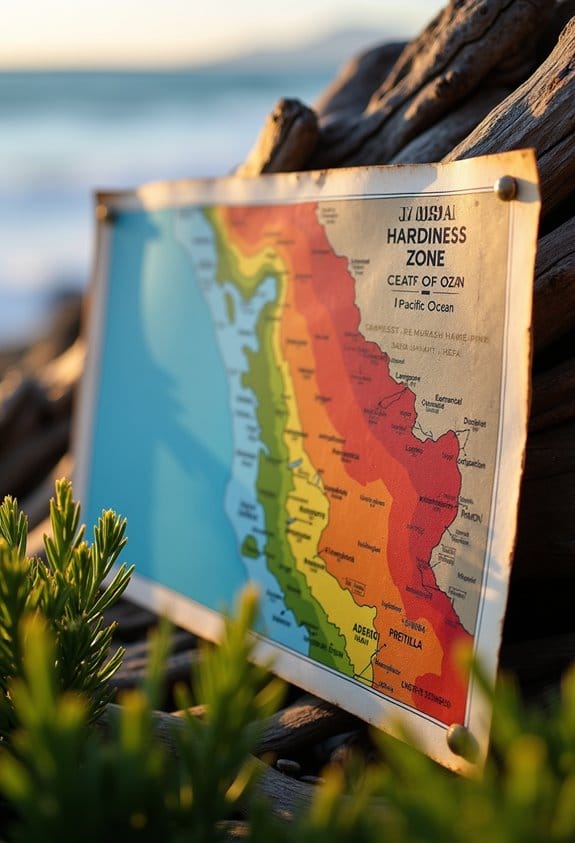
USDA Plant Hardiness Zones along the Oregon coast primarily range from 9a to 9b, with select regions dipping into 8a and 8b, reflecting average extreme minimum winter temperatures between 10°F and 25°F. These zones provide essential guidance in selecting plant varieties that withstand occasional frost and mild winters typical of coastal areas. Unique microclimates arise from the ocean’s moderating influence, influencing temperature stability despite the assigned zone. Variations in topography and wind exposure further create distinct conditions within the same USDA Plant Hardiness Zones, requiring careful evaluation by gardeners. Recognizing the precise zone and local microclimate nuances allows for more confident garden planning and improves plant survival rates in this dynamic environment. Gardeners benefit from integrating these detailed insights for successful coastal garden design. Additionally, selecting outdoor plants with weather resistance can enhance their longevity and performance along the coast.
Recommended Products

Care Guidelines: Succulent plants are known for their low maintenance care. Place in bright, indirect sunlight and water sparingly, allowing soil to fully dry between watering. Proper airflow helps keep your live succulents healthy and thriving.
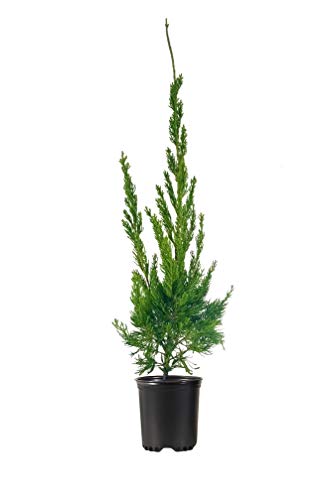
The artistic appearance of its twisted, rustic form makes this a wonderful landscape accent. An excellent evergreen for use as a topiary specimen in containers and formal gardens. Well-suited for cooler coastal regions.
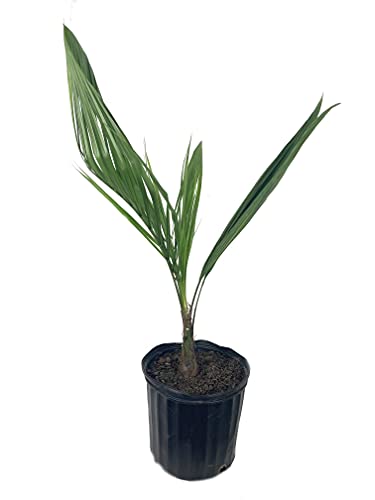
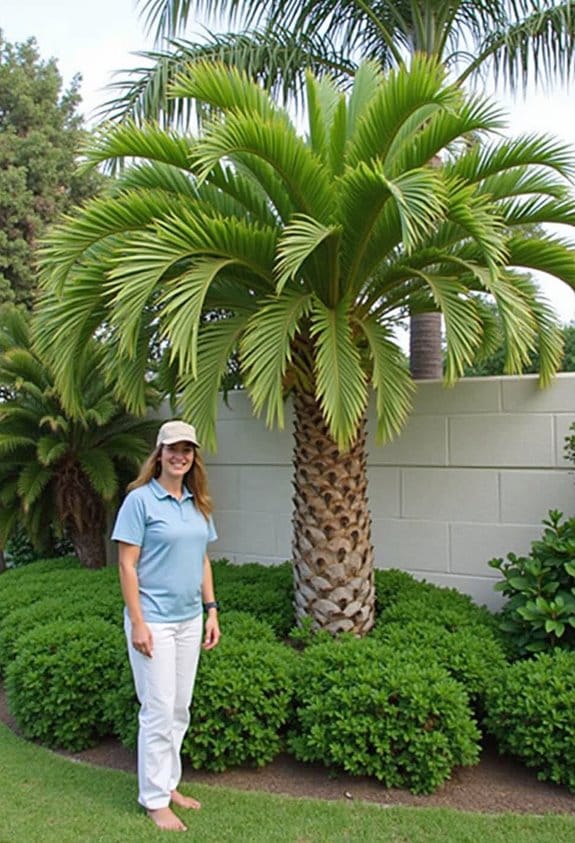
xButiagrus nabonnandii a hybrid from the Pindo and the Queen palms. Both of these palms are cold hardy and together they have produced an equally cold hardy offspring.
Natural Factors Influencing Coastal Microclimates
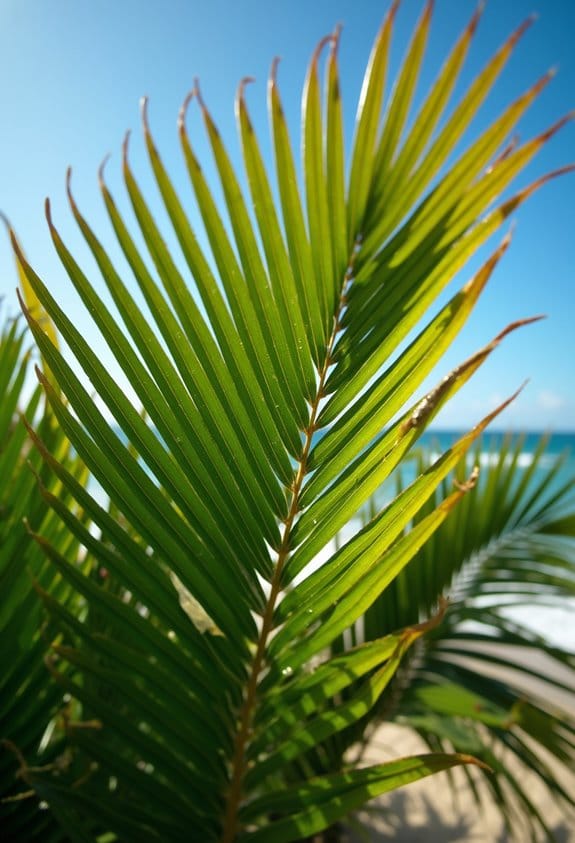
Because the Pacific Ocean profoundly shapes temperature and moisture patterns, coastal microclimates exhibit diverse conditions essential for garden planning. Proximity to the ocean often results in a persistent marine layer that creates low-level cloud cover, cooling air temperatures by 5 to 10°F, which affects plant growth cycles. Topographic features such as hills and valleys modify these microclimates by trapping moisture and altering temperature variation across zones, sometimes by as much as 8°F. Sun exposure varies with garden orientation: south-facing slopes receive six to eight hours of sunlight daily, ideal for sun-loving species, while north-facing areas offer shaded microclimates for shade-dependent plants. Wind exposure greatly influences coastal gardens, as winds averaging 15 to 25 mph cool temperatures and raise evaporation rates, necessitating careful consideration in garden design to protect sensitive plants without yet addressing salt spray effects. Selecting plants with weather resistance ratings suitable for coastal conditions is crucial to ensure garden resilience in these microclimates.
Impact of Wind and Salt Spray on Plant Selection
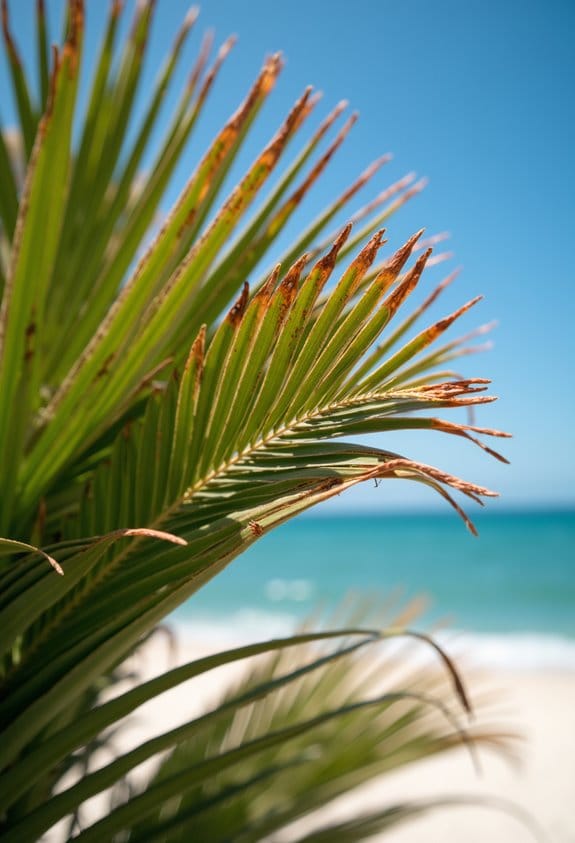
Coastal gardens frequently endure strong wind gusts ranging between 45 and 65 mph, which can physically damage plants and increase evaporation rates, influencing soil moisture levels. Wind exposure demands careful plant selection to guarantee resilience. Salt spray from ocean waves further stresses vegetation by depositing saline moisture on foliage and soil. Consequently, plants must withstand both mechanical wind stress and salt-induced dehydration. Hardy species like azaleas, lavender, and Mexican sage demonstrate adaptability by tolerating these harsh conditions. Additionally, positioning plants in sheltered microclimates reduces direct salt spray and mitigates wind impact, improving survival rates. Implementing natural or constructed windbreaks also enhances protection, preserving soil integrity and moisture. This multifaceted approach to plant selection underlines the importance of understanding wind exposure and salt spray effects to create thriving coastal landscapes. For enhanced outdoor durability, incorporating UV resistant palm trees can provide robust, low-maintenance greenery that withstands intense sunlight and environmental stressors.
Recommended Products

Realistic Artificial Plants: Fake plant pots are made of friendly plastic, using superb craftsmanship to give them realistic forms, plump shapes and vibrant colours, making them look just like natural plants. Different plants are paired together to make them more lush, adding a touch of natural greenery and vitality to your home and bringing you a good mood.
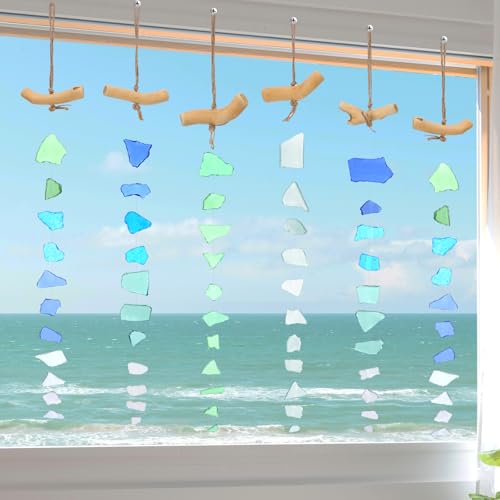
Gradient Design: features 6 individual wind chimes of blue, green, and white, each with a distinct color pattern for visual depth; Measuring 18 inches in total length, the sea glass pieces are arranged from larger at the top to smaller at the bottom, creating a harmonious flow

USES: Perfect for adding a touch of coastal charm to any room, this hanging rope planter brings a refreshing beach-inspired aesthetic to your home, ideal for displaying plants or small decorative items.
Identifying Sunlight Patterns in Coastal Gardens
How do sunlight patterns influence plant growth in coastal gardens with their unique atmospheric conditions? Sunlight patterns in coastal gardens exhibit distinct variability due to frequent fog and marine layers that reduce direct sunlight, especially from late spring through early summer. South- and west-facing exposures capture the most sunlight, providing ideal conditions for sun-loving plants, often receiving 6-8 hours of direct light daily. In contrast, north-facing areas remain cooler, supporting shade-tolerant species adapted to lower light levels. Eastern exposures benefit from morning sun, promoting early soil warming and faster crop development. Wind-sheltered zones near structures or large vegetation also gain increased sunlight exposure. Gardeners in coastal gardens should regularly monitor these patterns seasonally, adjusting plant placement to align with fluctuating light availability, thereby optimizing growth potential in microclimate-specific zones. Using weather-resistant materials in garden features can help maintain aesthetics despite the challenging coastal climate.
Soil Moisture Variability and Drainage Considerations
While proximity to oceans or bays often raises humidity levels, soil moisture in coastal gardens varies considerably due to local terrain and rainfall patterns. Soil moisture variability results from differences in soil texture—such as sandy soils that drain quickly and clay soils that retain water—impacting water availability for plants. Proper drainage is essential to prevent waterlogged conditions, which can cause root rot and stunt plant growth in coastal zones. Implementing raised beds, typically 8 to 12 inches high and 3 to 4 feet wide, improves drainage by elevating root zones above saturated soil layers, benefiting many vegetable crops. Regular soil moisture assessments using tensiometers or probes enable gardeners to adjust irrigation precisely, addressing coastal gardens’ rapid moisture changes and promoting healthier, more resilient plant development. Additionally, selecting plants adapted to varying moisture levels and temperature ranges can enhance garden durability in challenging microclimates, similar to how UV-resistant materials enhance the longevity of outdoor decor.
Recommended Products
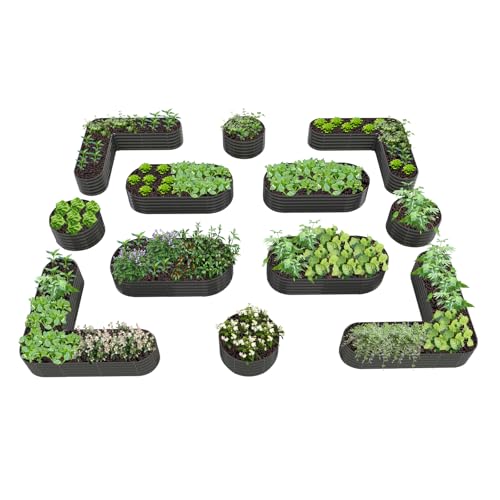
12-PIECE BACKYARD GARDEN SYSTEM – 4 oval, 4 heart, 4 round beds; all 18" deep in matching quartz grey; modular setup for fence lines, patio borders and focal points; one coordinated kit organizes your whole backyard farm garden; galvanized raised garden beds outdoor system for vegetables and flowers

16.5" deep to accommodate large, deep-rooted plants

100% Natural Western Red Cedar from North America: Our raised garden beds are made from 100% natural western red cedar from North America, a naturally weather-resistant and durable wood.
Designing Gardens to Harness Coastal Microclimates
Maximizing garden productivity near shorelines requires careful use of local microclimates, which can be influenced by wind patterns, sunlight angles, and natural barriers. In coastal gardening, placing raised beds in sheltered areas reduces exposure to strong winds reaching 45–65 mph, thereby protecting delicate plants. Utilizing shrubs or fences as windbreaks creates favorable microclimates that promote healthier plant growth by stabilizing temperature and humidity. Additionally, orienting garden elements southward optimizes sunlight exposure, enhancing growth rates, especially for fast-growing crops like cherry tomatoes. Incorporating structures like greenhouses and light covers further extends the growing season by maintaining warmer air around plants. These targeted strategies successfully harness coastal microclimates, improving soil warmth and moisture retention while shielding against harsh environmental factors, essential for sustained plant growth in sandy, nutrient-poor coastal soils. Choosing trees with strong wind resistance further enhances garden protection by minimizing damage during coastal storms.
Recommended Products
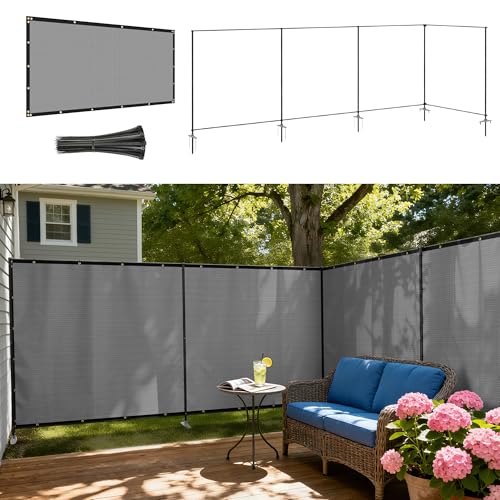
Quality Upgrade: The fence posts are upgraded to high-quality iron, which is sturdy and durable and not easy to bend. The surface is specially painted, rust-proof and durable; the fence fabric is made of heavy-duty polyethylene, suitable for outdoor use, provides good privacy protection, and can be rolled up for quick removal and storage

UPGRADE YOUR BEACH SPOT - Block wind and blowing sand | Create privacy | Define your personal space | Keep your beach spot organized and secure.

★【Virgin, UV Stabilized Compounds & Thick Material】: Actual height is 7' 9", fits perfectly on 8 footer fence. The only fence screen product on the market that are made of 170 GSM 100% virgin (Non-recycled) HDPE material. Went through 20000 hours of laboratory UV testing and it is proved to be 70% more durable than recycled HDPE under sun exposure, fabric has been treated with UV stabilized compound, preventing fence screen from dried out, tearing and fading, significantly extend the lifespan.
Recommended Plants for Diverse Coastal Microclimates
Although coastal microclimates present challenges such as cooler temperatures averaging 55–65°F and humidity levels around 70%, selecting appropriate plants can lead to thriving gardens. Recommended ornamental plants for coastal regions include azaleas, heathers, and lavenders, which tolerate saline conditions and wind exposure typical of these environments. Mexican sage and Japanese maples add color and structure while withstanding coastal stresses. Vegetable gardeners should focus on short-season varieties maturing in 75–85 days, like cherry and grape tomatoes, to maximize growth within limited warm periods. Understanding microclimate specifics, such as proximity to water and elevation, guides effective plant selections that promote garden health and resilience. These precise choices guarantee diverse coastal microclimates support robust, visually appealing landscapes. Additionally, incorporating UV-resistant plants can enhance durability and appearance in coastal garden designs.
Recommended Products

Tropical Elegance: The Green Malayan Coconut Palm offers a striking tropical feel, perfect for creating a beach-like atmosphere indoors or outdoors.

Crabapple Tree 'Prairiefire' – Celebrated for its intense pink-red spring flowers, vibrant purple-tinged foliage, and small maroon fruit that lasts into winter

Broad canopy provides dense shade ideal for yards parks and open spaces where fast-growing trees are needed for coverage
Frequently Asked Questions
How Do Microclimates Affect Pest and Disease Management in Coastal Gardens?
Microclimates influence pest and disease prevalence in coastal gardens, shaping pest resistance strategies and enabling tailored disease forecasting methods. Effective integrated pest management adapts to these conditions, optimizing control measures and minimizing environmental impact within variable microclimatic zones.
Can Microclimates Influence the Timing of Garden Maintenance Tasks?
Approximately 70% of coastal gardeners adjust garden timing based on microclimates. Microclimates influence seasonal adjustments and maintenance planning by dictating when tasks like pruning and watering are most effective for plant health and pest control.
What Role Do Local Wildlife Play in Shaping Coastal Microclimates?
Local wildlife interactions, particularly involving native species, contribute importantly to ecosystem balance by influencing vegetation patterns and soil conditions. These activities subtly shape coastal microclimates, affecting temperature, humidity, and wind flow within garden environments.
How Can Garden Structures Modify Microclimates to Benefit Plants?
Garden structures such as shade structures reduce excessive sunlight, windbreak benefits shield plants from harsh coastal winds, and heating features provide warmth during cooler periods, collectively creating favorable microclimates that promote healthier plant growth and resilience.
Are There Cost-Effective Tools for Monitoring Microclimate Conditions at Home?
Affordable sensors like home weatherstations and soil moisture meters provide cost-effective tools for monitoring microclimate conditions at home. These devices offer real-time data, enabling gardeners to optimize plant care and environmental adjustments efficiently.