As an Amazon Associate, we earn from qualifying purchases. Some links on this site are affiliate links at no extra cost to you. Our recommendations are based on thorough research and editorial judgment.

Outdoor Room Concepts Using Palms as Natural Walls

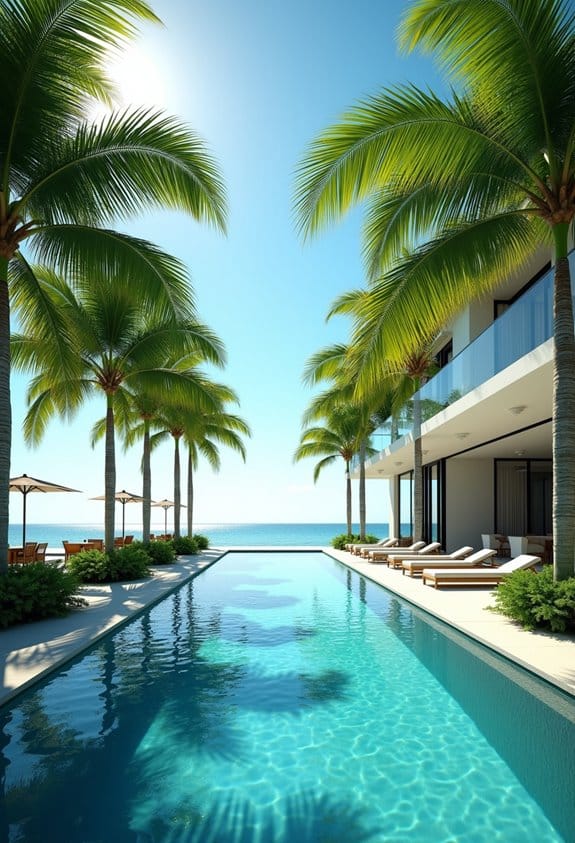
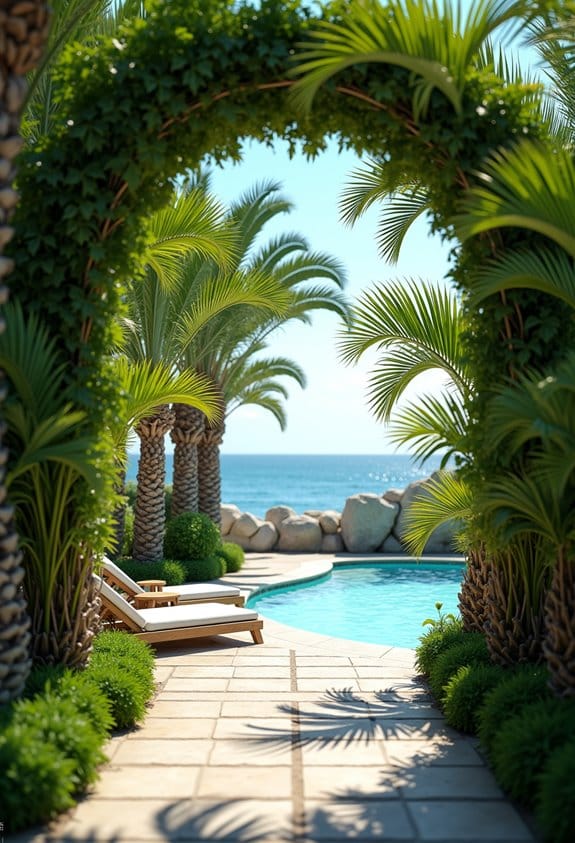
Outdoor rooms often use palms as natural walls, providing 10 to 30-foot vertical privacy and lush, dense screening that balances sunlight and airflow. Tall varieties like Areca and Trachycarpus fortunei serve well in warmer or cooler climates, spaced three to five feet apart for ideal airflow and disease prevention. Layering palms from 6 to 12 feet adds depth, while combining palms with ferns or flowering plants enhances tropical aesthetics. Seasonal care includes pruning, balanced fertilization, and frost protection if temperatures approach 32°F. Exploring palm-based outdoor designs reveals practical layouts and maintenance for durable privacy solutions.
Key Takeaways
- Use tall palms like Areca or Trachycarpus fortunei as natural vertical walls to create enclosed, private outdoor rooms.
- Arrange palms in semicircles or clusters around seating areas to promote intimacy and define space boundaries.
- Layer palms of different heights and frond densities to add depth, visual interest, and ensure effective privacy screening.
- Combine palms with complementary greenery like ferns or climbing vines for lush, textured, and thematic living walls.
- Maintain strategic spacing (3-8 feet) between palms to promote airflow, prevent overcrowding, and enhance health and aesthetics.
Benefits of Using Palm Trees as Natural Walls
Palm trees provide an effective solution for creating vertical privacy in outdoor spaces, forming natural walls that typically reach heights between 10 and 30 feet depending on species and growing conditions. Taller palms create lush, dense screens that filter sunlight while maintaining airflow, ideal for defining patios or garden rooms. Sago palm, a smaller species often under 6 feet tall, complements taller palms by filling lower areas without obstructing views or light. These palms reduce noise pollution through their fronds, contributing to a quieter, more relaxing atmosphere. Additionally, palm trees require minimal maintenance, making them practical for long-term privacy without intensive care. Their tropical aesthetic enhances the ambiance, introducing natural textures and vibrant greenery that visually separate outdoor areas with style and ease. For those seeking a low-maintenance alternative, artificial palm trees offer realistic appearance and durability with minimal upkeep, suitable for outdoor privacy screens.
Selecting Palm Varieties for Privacy Screens
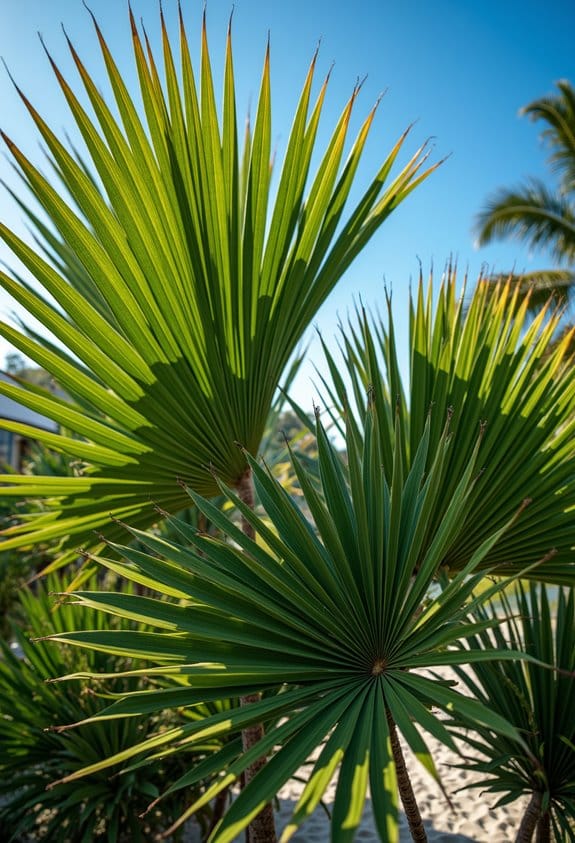
Choosing the right palm varieties is fundamental to creating effective privacy screens that balance height, density, and climate adaptability. Tall types of palm, such as the Areca palm, can reach up to 30 feet, providing extensive coverage ideal for large outdoor rooms. For cooler climates, the Trachycarpus fortunei, or windmill palm, offers hardiness with lush green fronds for visual screening. Denser fronds, like those on the Mexican Fan palm, maximize visual obstruction, enhancing privacy. Sago palms, growing between 3 and 10 feet, serve well in smaller spaces requiring structured barriers. Fast-growing palms, such as the Queen palm, quickly establish privacy but may need more maintenance. Ultimately, selecting the appropriate type of palm depends on desired height, foliage density, growth rate, and climate zone, ensuring a natural yet functional outdoor privacy wall. Considering UV-resistant materials in artificial palms can also be beneficial for durable and low-maintenance privacy solutions.
Designing Outdoor Spaces With Palm Tree Layouts
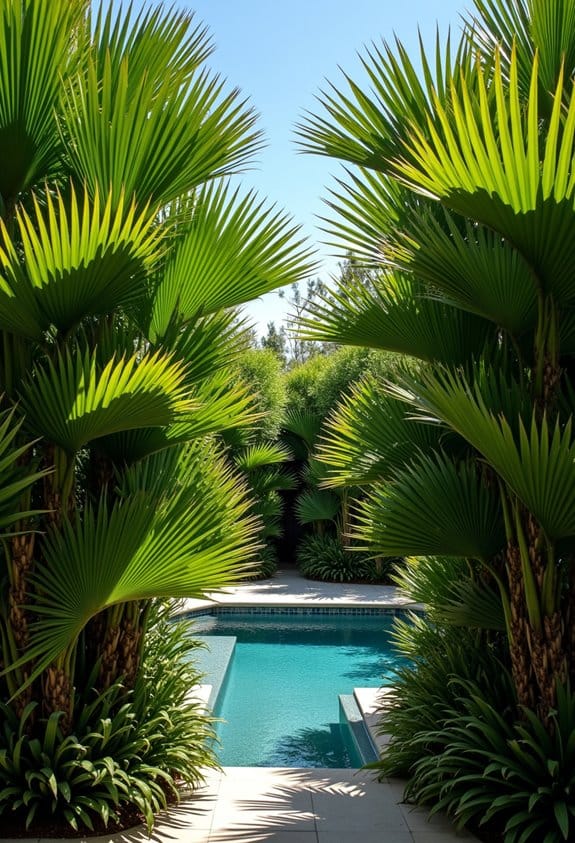
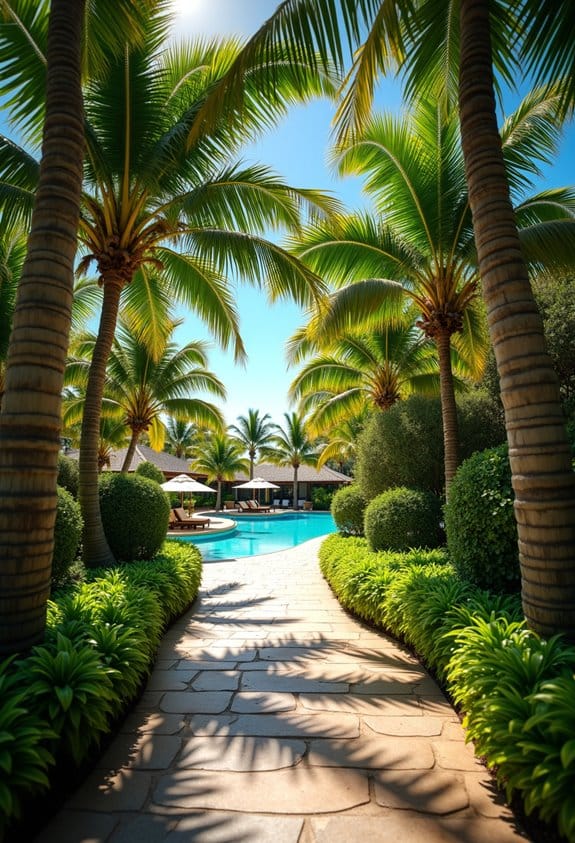
A well-planned layout of palm trees can transform an outdoor area into a defined, functional space suitable for relaxation or gatherings. Using tall palms as natural wall alternatives helps create privacy and establish boundaries effectively. Outdoor layout inspiration often includes semicircular arrangements, which enclose seating areas or fire pits while promoting intimacy. Incorporating palms with varied frond shapes and colors enhances palm tree aesthetics, adding a tropical flair. Layering palms of different heights—ranging from 6 to 12 feet—provides depth and visual interest. Strategic spacing, at least 8 feet apart, accounts for mature growth, preventing overcrowding and maintaining openness. These thoughtful layouts guarantee the outdoor room remains visually appealing and functional, balancing screening and openness in zones 9 to 11 with average temperatures of 55°F to 80°F. Selecting palm species with proven salt spray tolerance is essential for coastal garden designs to ensure their longevity and resilience.
Combining Palm Trees With Other Greenery
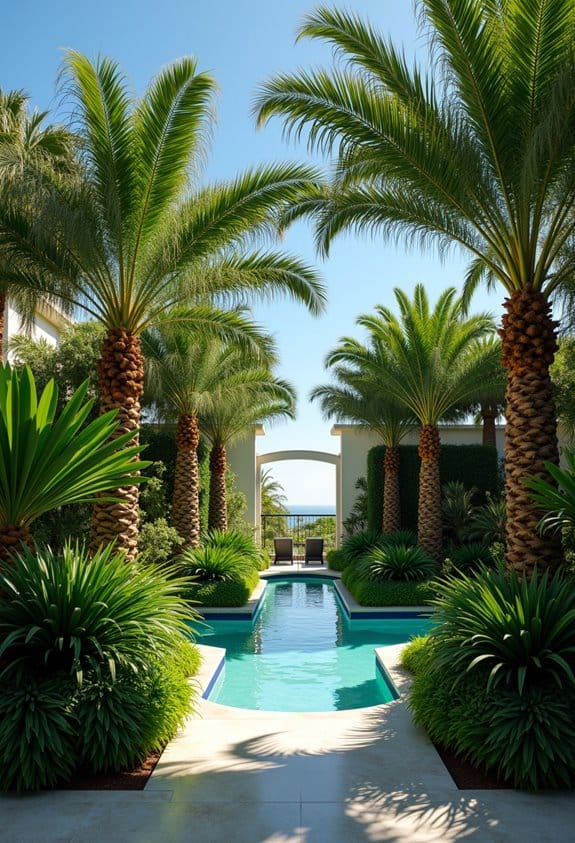
Integrating palms with complementary greenery enriches outdoor rooms in zones 9 to 11, where average temperatures range from 55°F to 80°F. Effective palm combinations include ferns and philodendrons that contribute lush, tropical textures and enhance the natural wall effect. Introducing climbing plants or vines along palm trunks intensifies foliage contrasts by adding vertical greenery, deepening the layered appearance. Utilizing varying plant heights, such as ground covers around 6 to 12 inches and medium shrubs reaching 3 to 5 feet, balances the composition without overpowering palms that typically grow between 8 and 20 feet. Seasonal flowering plants can also be incorporated to bring year-round color variety. These strategies collectively create a dynamic, inviting outdoor environment, emphasizing contrast and texture, while maintaining a cohesive tropical aesthetic suitable for warm climates. For low-maintenance alternatives in these outdoor rooms, consider incorporating UV resistant artificial palm trees to ensure vibrant greenery year-round without the need for watering or pruning.
Planning Palm Tree Heights for Layered Effects
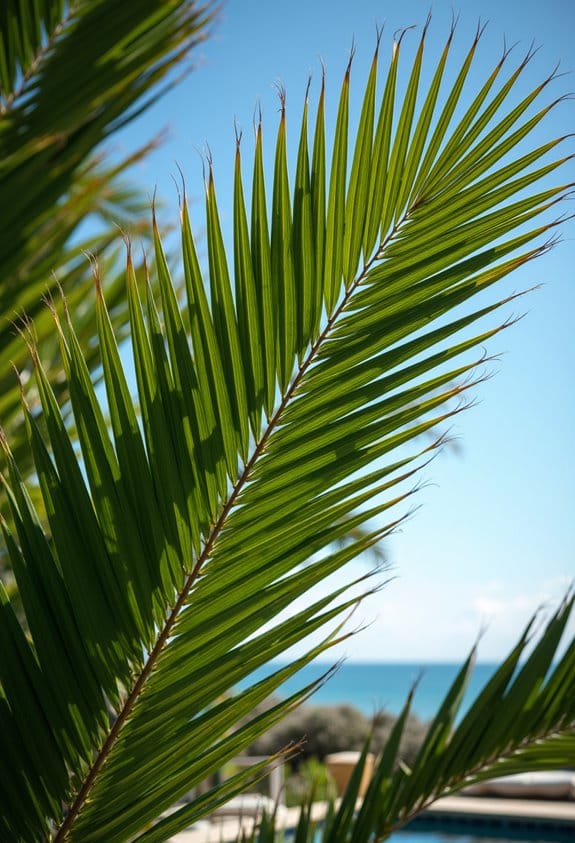
When establishing distinct layers in an outdoor room, varying palm tree heights plays an important role in defining spatial depth and visual hierarchy. Taller palms like the Areca, reaching up to 20 feet, form an effective backdrop, creating a natural wall effect. Medium-sized palms such as the Kentia, growing 10 to 12 feet, work well in the midground to add dimension. Smaller palms like the pygmy date, under 6 feet high, can occupy the foreground, enhancing layered planting. Adequate palm tree spacing—typically 6 to 12 feet apart—prevents overcrowding and allows for species-specific palm growth habits, including height and spread. Careful consideration of these growth patterns guarantees a balanced, multi-dimensional outdoor room, maximizing both aesthetic impact and healthy development across all palm layers. Utilizing palm tree hanging planters sized between 12 to 16 inches can complement these layers by providing additional height variation and greenery without stressing the palm roots.
Creating Inviting Seating Areas Surrounded by Palms
How can palms transform seating areas into secluded, inviting retreats? Strategically placed palm tree arrangements create natural walls that enhance privacy, making outdoor spaces feel intimate and protected. Combining varied palm heights—from taller palms around 12 to 15 feet in the background to smaller palms under 6 feet in front—adds depth and visual interest. Incorporate these palms around seating arrangements that include weather-resistant furniture and cozy outdoor textiles such as cushions in breathable fabrics, ensuring comfort and durability. Consistent care, including watering palms daily in zones 9-11 and ensuring 6-8 hours of sunlight, maintains lush greenery surrounding the seating area. These seating arrangement ideas harmonize tropical themes with functional design, effectively turning open spaces into inviting outdoor rooms bordered by natural palm walls without compromising airflow or aesthetics. Using UV-resistant materials for artificial palms ensures year-round vibrant foliage and durability in varied outdoor conditions.
Recommended Products

Integrated Multi-Function LED Strip: LED strips & post-mounted controller, no extra wiring needed. 3 brightness levels (Low/Med/High) & 3 color temps (Cold/Neutral/Warm) fit patio grill dinners or quiet tea time—turn your premium pergola into a versatile outdoor retreat!
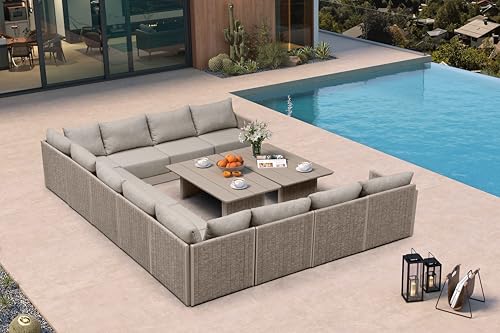
Minimalism Style: Clean lines, simple shapes, and a neutral color palette. Aluminum frame with drawstring design focuses on comfort while maintaining a modern and understated aesthetic.

Set Includes 71" Bar Table, 2 Barstools w/ Arms and 6 Armless Barstools
Enhancing Outdoor Ambiance With Palm Tree Fronds
Among outdoor design elements, palm tree fronds serve as effective natural canopies, providing shade measured to reduce sunlight intensity by approximately 50-70% beneath their 6- to 10-foot-wide spread. Strategic frond arrangements, especially when layered at different heights, create a tropical decor appeal that enhances the mood of outdoor gatherings. The natural swaying of fronds introduces subtle movement, evoking a coastal atmosphere ideal for relaxation and social events. Fronds also contribute to privacy without sacrificing airflow, forming living curtains that shield spaces from view while maintaining ventilation. Incorporating lush, green fronds alongside vibrant cushions complements outdoor decor, intensifying the ambient aesthetic. Overall, palm tree fronds offer multifunctional benefits that elevate outdoor rooms, balancing shade, privacy, and style with practical measurements and natural dynamics suited for diverse climates. Additionally, using UV-resistant materials in artificial palm décor ensures lasting vibrancy and durability for outdoor ambiance.
Integrating Lighting to Complement Palm Walls
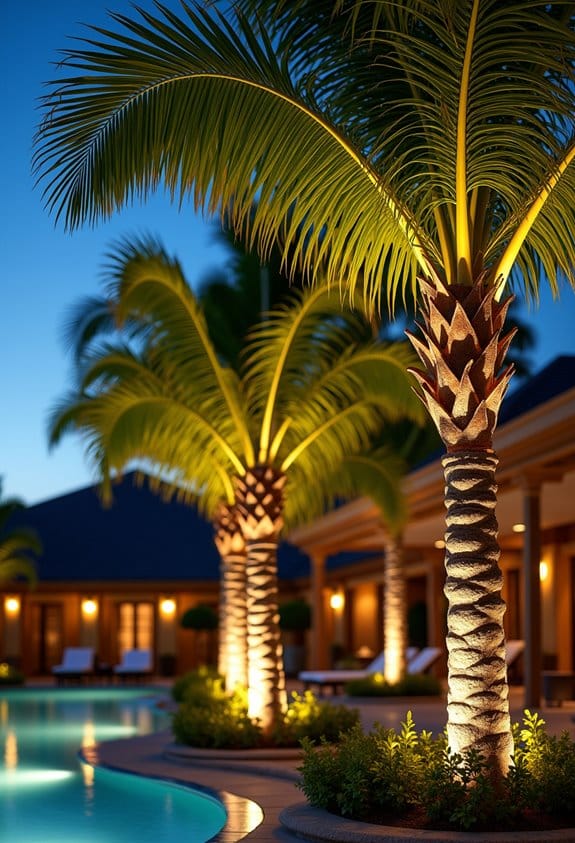
Lighting integration around palm walls greatly enhances outdoor rooms by emphasizing structural and aesthetic qualities unique to palms. Employing outdoor lighting techniques such as uplighting at the base, with a lighting color temperature between 2700K and 3000K, effectively illuminates palm trunks, highlighting their texture and height. String lights wrapped around trunks create warm, inviting glows, while solar-powered lanterns hung on fronds add soft, diffused light, preserving the tropical atmosphere. Layering path lights with adjustable spotlighting improves spatial definition and versatility, supporting shifts from daytime to nighttime use. When positioning lights, maintain distances of 12 to 18 inches from trunks to avoid damage and optimize shadow effects. These methods collectively provide functional illumination while enhancing the palm wall’s natural, sculptural presence in outdoor room designs. Choosing lights with an IP65 rating ensures durability and weather resistance for long-lasting outdoor use.
Recommended Products

【Solid Heavy-duty Structure】Die-cast brass housing and integrated glare guard with high rigidity, transparent convex glass lens.

𝐂𝐫𝐚𝐟𝐭𝐞𝐝 𝐟𝐨𝐫 𝐭𝐡𝐞 𝐎𝐮𝐭𝐝𝐨𝐨𝐫𝐬: Solid aluminum casing, corrosion resistance and heat dissipation. IP65 rating ensures superior waterproofing, deliver a weather-resistant outdoor lighting solution.

All-weather water-resistant : The palm tree light LED light is made of aluminum and tempered glass materials and features an IP65 water-resistant design, allowing you to use it with confidence even in extremely harsh weather conditions such as rain, wind, or snow
Maintenance Tips for Palm Privacy Walls
Maintaining palm privacy walls requires consistent attention to pruning, irrigation, and spacing to guarantee their dense, healthy growth serves as an effective natural barrier. Pruning techniques involve regularly trimming old fronds to control height around 8-12 feet and promote fullness, preventing gaps in the screen. Effective irrigation strategies include watering palms deeply once or twice weekly, ensuring soil stays moist but not waterlogged, which can cause root rot especially in zones 9-11. Fertilization tips recommend applying a balanced fertilizer, such as a 10-10-10 formula, in early spring to supply essential nutrients for vibrant foliage. Spacing palms three to five feet apart encourages airflow, reducing disease risk and sustaining lush greenery. These targeted maintenance practices enhance the longevity and privacy efficacy of palm walls in outdoor environments. Additionally, choosing palms with winter tolerance can provide reliable privacy year-round, even in colder climates.
Using Palm Trees in Small Outdoor Spaces
Small outdoor spaces benefit from the strategic use of palm trees, which can maximize vertical height and create a sense of openness without occupying excessive ground area. Selecting tall palms like Areca palms, which grow between 6 to 12 feet, introduces vertical gardening techniques that draw the eye upward, enhancing small space aesthetics. Arranging clusters of pygmy date palms around seating areas defines intimate zones, improving privacy without overcrowding. Palms suitable for container growth allow flexibility, making it easy to reconfigure spaces as dimensions or lighting change. Layering different palm heights—from 3 feet to 10 feet—adds depth and texture, contributing to a lush atmosphere. Using palm tree arrangements as living walls not only softens boundaries but effectively blocks wind and noise, ideal for urban gardens within USDA zones 9-11. Incorporating UV-rated artificial palm trees can provide vibrant, year-round greenery without the maintenance challenges of live plants.
Coastal and Tropical Themes With Palm Dividers
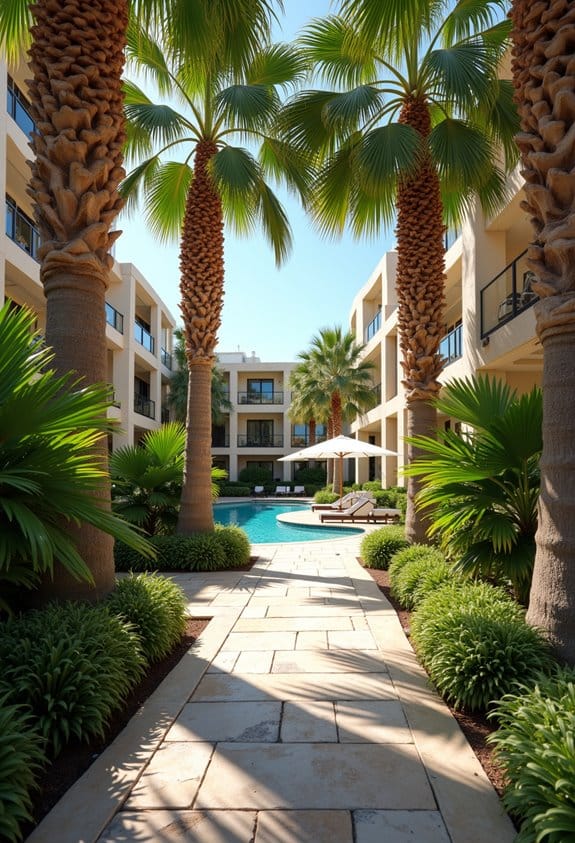
When designed thoughtfully, palm tree dividers can define outdoor spaces while enriching a coastal or tropical theme within USDA zones 9-11, where temperatures average 65 to 85°F. Utilizing tall palms like Areca palms offers vertical structure without obstructing views, ideal for outdoor dining or lounge areas. Layering smaller palms in front of larger ones creates depth, enhancing the lush feel integral to tropical designs. The palm tree benefits extend beyond aesthetics, providing subtle wind breaks and natural shade that support comfortable coastal decor. Incorporating bright outdoor furniture alongside string lights or colorful cushions accentuates the vibrant ambiance, evoking a vacation-like retreat. Such strategic placements optimize space and atmosphere, ensuring palm dividers function as both natural boundaries and thematic elements central to coastal and tropical outdoor environments.
Seasonal Care for Palm Tree Outdoor Features
Effective care for palm tree outdoor features varies significantly through the seasons, requiring keen attention to environmental factors such as temperature, moisture, and soil conditions in USDA zones 9-11. During winter months, palm freeze protection is essential; coverings should be applied if temperatures drop near 32°F, preventing frost damage to fronds and stems. Watering schedules must adjust seasonally—decreased frequency in cooler months and more consistent moisture in spring and summer, considering rainfall variations. A slow-release fertilizer application in early spring supports robust growth, supplying essential nutrients for vibrant foliage. Fall pruning of dead fronds reduces pest risks and maintains palm health. Additionally, ensuring well-draining soil or pots with drainage holes prevents root rot during heavy rain seasons, critical for sustaining these natural outdoor wall features throughout the year.
Frequently Asked Questions
How Long Do Palm Trees Take to Grow Tall Enough for Privacy?
Palm growth rates vary by species, typically taking 5 to 15 years to reach sufficient height for privacy benefits. Faster-growing palms like queen palms outpace slower species, influencing wall density and screening effectiveness in outdoor spaces.
Can Palm Trees Attract Pests or Wildlife That Affect Outdoor Spaces?
Approximately 20% of palm pests, including palm weevils, can attract unwanted wildlife, such as rodents and birds, impacting outdoor spaces. Effective pest control strategies are essential to manage wildlife attraction and preserve landscape health.
Are Palm Trees Evergreen or Do They Shed Leaves Seasonally?
Palm trees typically exhibit evergreen characteristics, maintaining green foliage year-round. However, they undergo seasonal shedding as older palm leaf maintenance requires removing aged fronds to promote healthy growth and preserve aesthetics in managed outdoor environments.
What Soil Conditions Are Best for Planting Palms as Natural Walls?
Palms require well-drained soil to avoid root rot, with moderate fertility to support growth. Ideal pH levels range from 6.0 to 7.5, ensuring nutrients are available while maintaining appropriate soil drainage requirements for healthy development.
Can Palm Tree Roots Potentially Damage Nearby Structures or Patios?
Like silent dancers beneath the earth, palm roots’ depth influences their reach. Root depth impacts structure safety, requiring construction proximity considerations. To prevent damage, careful mitigation strategies are needed, ensuring harmony between palms and patios.