As an Amazon Associate, we earn from qualifying purchases. Some links on this site are affiliate links at no extra cost to you. Our recommendations are based on thorough research and editorial judgment.

Reflective Surfaces and Their Impact on Palm Growth

Reflective surfaces like black silver plastic mulch increase light interception by up to 25% under oil palm canopies, improving photosynthetic active radiation and radiation use efficiency by 2.3 times, especially in low-light areas. These surfaces redirect sunlight to lower leaves, enhancing biomass accumulation and growth while reducing heat stress via effective solar reflection. Materials require proper placement and UV resilience for maximum benefits. Insights into strategic use and environmental impacts offer valuable guidance for maximizing palm productivity in shaded conditions.
Key Takeaways
- Reflective surfaces increase light interception beneath palm canopies by up to 25%, enhancing photosynthesis and growth.
- Black silver plastic mulch boosts intercepted solar radiation, improving radiation use efficiency (RUE) by 2.3 times under low light.
- Reflective mulches reduce heat stress and create favorable microclimate conditions for healthier palm development.
- Proper placement along shaded edges maximizes reflected sunlight toward lower canopy areas, optimizing light capture.
- Using UV-resistant, durable, and biodegradable materials ensures sustainable and long-lasting benefits in palm plantations.
Mechanisms of Light Reflection in Palm Cultivation
Reflective surfaces, such as black silver plastic mulch, play an essential role in enhancing light interception within shaded palm plantations by redirecting usable solar radiation toward plant leaves. These surfaces optimize the reflective angle to maximize the return of beneficial wavelengths, primarily in the photosynthetically active radiation (PAR) range. An experimental study demonstrated a 25% increase in intercepted radiation with reflective mulch compared to bare soil, highlighting its efficiency. The adjusted reflective angle guarantees that light reaches shaded leaves, improving radiation use efficiency (RUE) by 2.3 times, a critical factor in light-limited conditions. This enhanced light availability promotes higher productivity potential without adversely affecting plant development, underscoring the practicality of reflective surfaces in promoting photosynthesis and growth in shaded environments such as oil palm plantations. Additionally, using UV-resistant materials in agricultural settings can increase the durability of reflective mulches, ensuring their effectiveness throughout varying weather conditions.
Types of Reflective Surfaces Used Around Palms
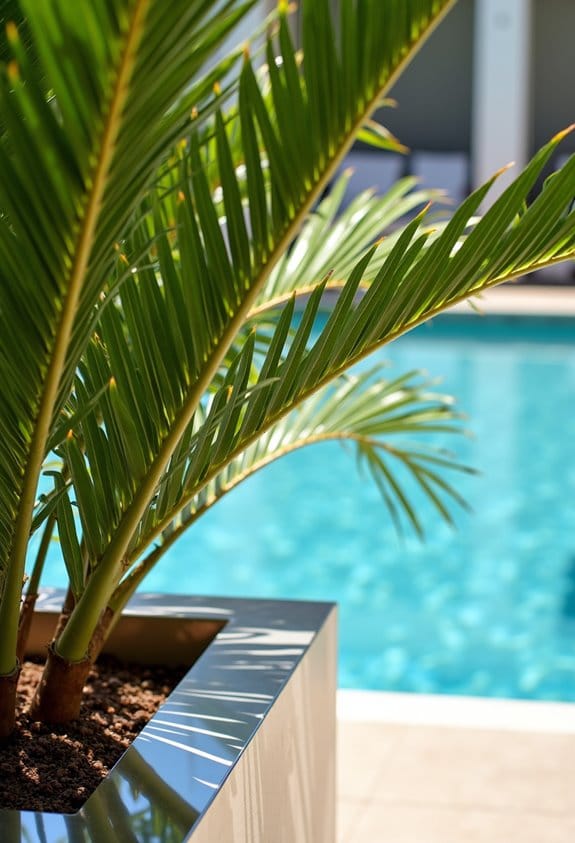
Several materials serve as effective surfaces to enhance light reflection around palm plantations, each offering distinct advantages suitable for different environmental contexts. Reflective mulch, such as dry palm oil leaf mulch, increases solar radiation interception by approximately 15% compared to untreated soil, improving light availability beneath the canopy. Silver plastic, commonly called black silver plastic mulch, is widely used for its high reflectivity and durability, boosting productivity in shaded intercropping systems by markedly enhancing reflected light. These reflective surfaces optimize light distribution without harming the palms, supporting both main crop health and under-canopy growth. Implementing reflective mulches leads to substantial radiation use efficiency gains—up to 2.3 times under low light—by efficiently redirecting sunlight. This approach demonstrates practical benefits aligning with sustainable agricultural practices in tropical zones, especially for oil palm cultivation spanning areas with temperatures from 24°C to 32°C. For maintaining optimal growth conditions, choosing palm species or artificial palms that are UV-resistant ensures long-term durability and health in outdoor environments.
Recommended Products

ORGANIC MULCH: With this Miracle-Gro Organic All Natural Mulch bulk pallet, you can cover your biggest landscaping and gardening projects

[Generous Dimensions]: Measuring 4FT x 50FT with a 1 mil thickness, this film provides ample coverage for various needs.
Effects of Reflective Surfaces on Photosynthesis Rates
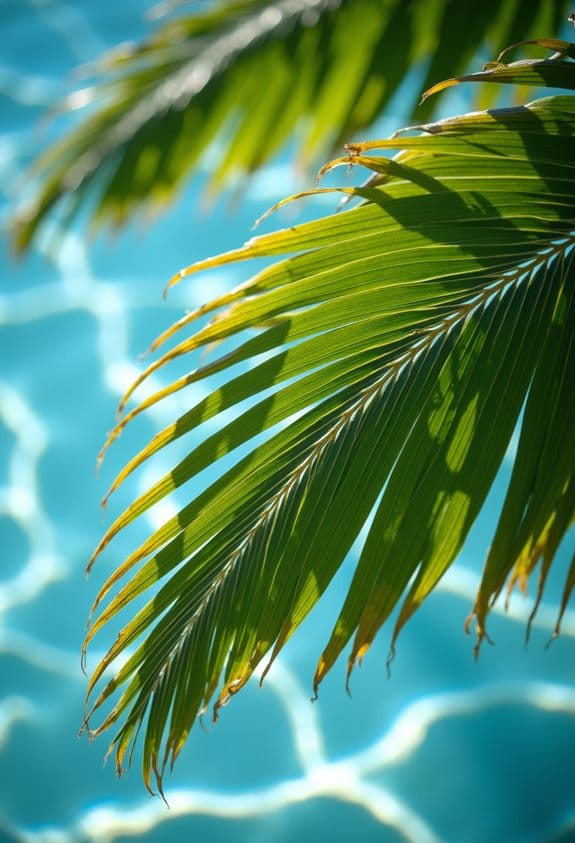
Increased light interception beneath palm canopies markedly impacts photosynthesis rates by enhancing photosynthetically active radiation (PAR) by up to 25% compared to bare soil conditions. Reflective surfaces elevate light availability to shaded palm leaves, improving photosynthetic efficiency and boosting radiation use efficiency (RUE) within intercropping systems. This supplemental light supports higher rates of photosynthesis, which contributes to increased biomass accumulation, sometimes reaching 1.48 times more than in conventional shaded environments. The improved light environment stimulates palm growth by promoting more effective carbohydrate production, essential for leaf and stem development. Using reflective mulches or materials beneath palms, particularly in areas with limited direct sunlight, offers a practical means to optimize light interception and enhance photosynthetic processes. Consequently, reflective surfaces serve as a valuable tool to maximize energy capture and sustain productivity in palm cultivation systems. Additionally, selecting palm varieties with UV resistance ensures durability and sustained leaf color vibrancy when exposed to intensified light conditions associated with reflective surfaces.
Recommended Products
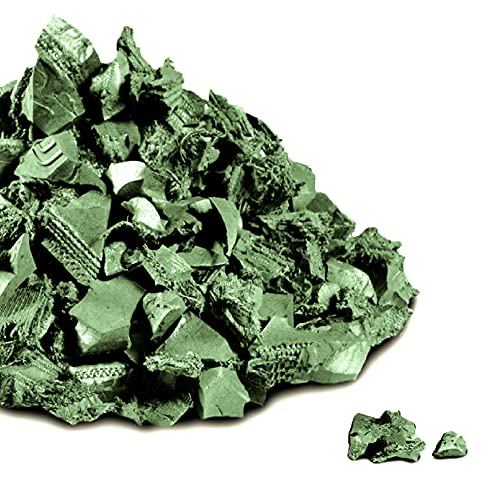
NuPlay Rubber Mulch Landscaping Bark – Rubber Nugget Weed Barrier Garden Ground Cover, 1 Pack, Green
LONG LASTING - 12 year color guarantee against color loss. color will not rub off. the weight of these rubber nuggets allows them to stay in the landscaped area and will not be blown around by winds or leaf blowers. no need to replace annually like wood chip mulch. these are nugget shaped not wood chips design.
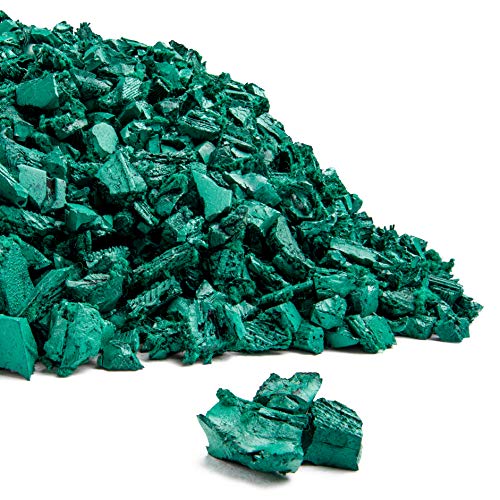
CREATE A SAFER PLAY AREA - Playsafer rubber mulch is IPEMA Certified and helps reduce the risk of injury on playgrounds and play areas
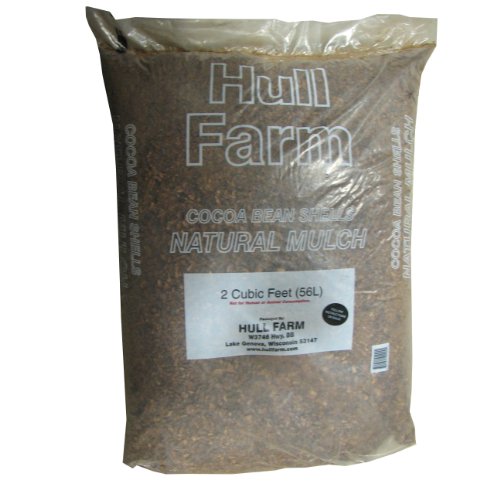
Cocoa shell mulch has an approximate fertilizer value of 2.5-1-3; it will not burn vegetation
Influence on Microclimate Conditions in Palm Ecosystems
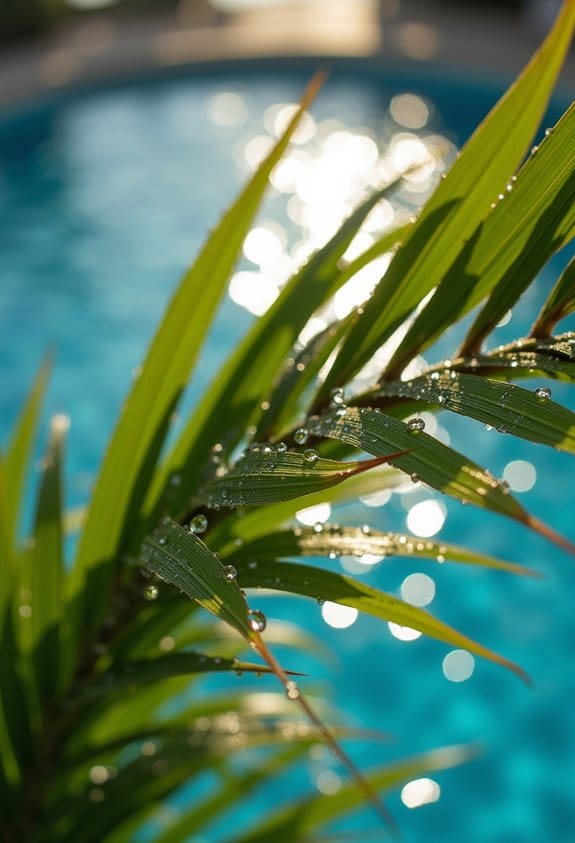
Although oil palm canopies typically allow only about 42% of solar radiation to pass through, the application of reflective surfaces can greatly modify the microclimate beneath these trees. Reflective mulches enhance microclimate conditions by increasing light availability, thereby offsetting the shade created by dense fronds. This sunlight optimization not only raises radiation use efficiency (RUE) by up to 2.3 times but also reduces heat stress through solar radiation reflection. By improving radiation interception, reflective surfaces create a more favorable environment for palm ecosystems, supporting healthier plant growth and sustainable practices. These modifications in temperature and light distribution beneath palms establish a microclimate enhancement that benefits understory vegetation and contributes to resource-efficient agriculture in tropical zones where oil palm cultivation intensifies. Additionally, selecting plants with UV-resistant materials can help maintain plant health and color under intense sunlight exposure in such enhanced microclimates.
Potential Benefits of Reflective Mulch in Intercropping Systems
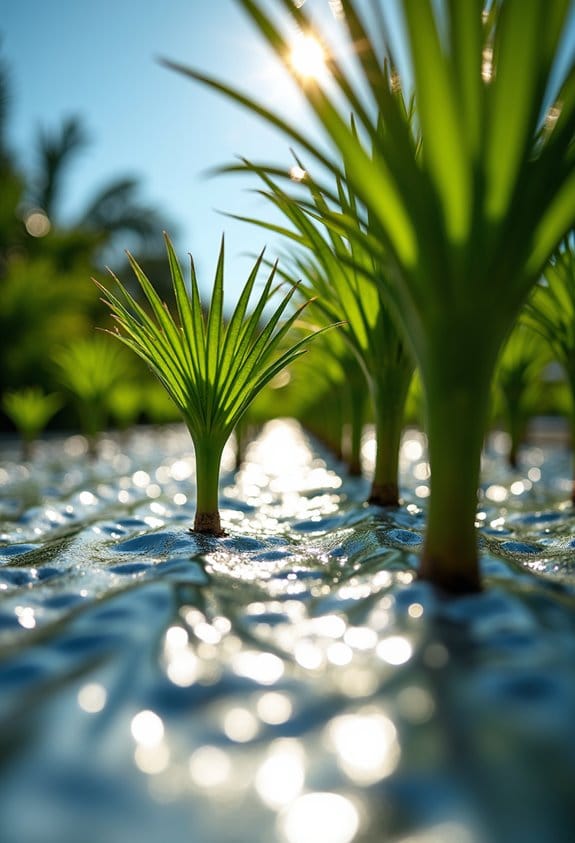
Reflective mulches play a valuable role in enhancing crop productivity within oil palm intercropping systems by improving light penetration through dense canopies. Benefits analysis reveals that black silver plastic mulch increases intercepted solar radiation for intercropped soybean by 25%, while dry palm oil leaf mulch boosts interception by 15%. This elevated light capture greatly raises radiation use efficiency (RUE), with a nearly 2.3-fold increase under black silver plastic compared to un-mulched soils. Consequently, soybean yield improvement reaches 1.48 times higher productivity when reflective mulch is applied. These measurable gains emphasize the strategic advantage of integrating reflective mulches in shaded agroforestry zones. Ongoing research into varied mulch types promises further optimization, highlighting reflective surfaces as practical tools for maximizing light availability and enhancing overall intercropped yields beneath dense oil palm canopies. Additionally, the use of UV-resistant materials in agricultural settings can help maintain the effectiveness of reflective mulches by ensuring durability under intense sunlight exposure.
Recommended Products


COVERS UP TO 2,400 SQ. FT. – 32 oz super-concentrate makes up to 5 gallons of ready-to-spray solution, ideal for large beds and professional jobs.
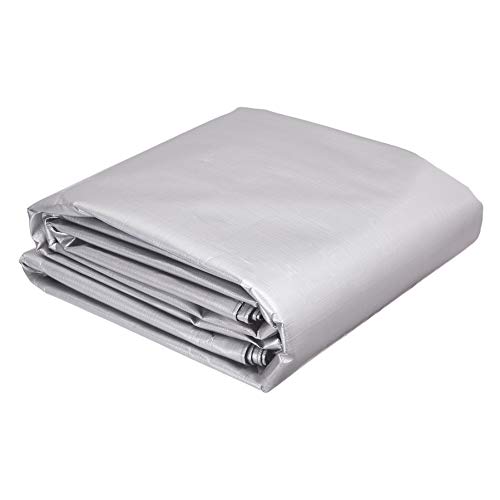
Multi-purpose waterproof tarp cover for protecting, covering, patching, and more; 12 X 25 FT, 16MIL Thick, Silver/Black, 1-Pack
Risks Associated With Excessive Light Reflection
When reflective surfaces cause excessive light reflection beyond typical exposure ranges of 1,200 to 1,800 µmol m⁻² s⁻¹ in oil palm plantations, the resulting heat stress may elevate leaf temperatures by 5 to 8°C above ambient levels, impairing physiological functions. Increased light intensity from reflection can induce photoinhibition, reducing photosynthesis efficiency and stunting palm growth. Oil palms, adapted to stable light conditions, often fail to adjust to such fluctuations, leading to disorientation and decreased yields. Additionally, altered microclimates with shifted humidity and temperature around palms contribute to overall plant stress. These combined effects underscore significant risks to oil palm health and productivity, emphasizing the importance of understanding plant adaptation limits to manage reflective material use effectively. Proper evaluation of light intensity is vital to avoid unintended negative impacts on palm growth and plantation sustainability. Selecting plants with durability and weather resistance traits can help mitigate some stress factors associated with environmental variation.
Strategies for Optimal Placement of Reflective Materials
Because the strategic placement of reflective materials can markedly improve light capture, understanding ideal positioning is essential for oil palm plantations with shaded canopies. Placement techniques involve situating reflective surfaces, such as black silver plastic mulch, primarily along shaded area edges to maximize solar radiation interception without risking soil temperatures exceeding 35°C, which can harm root systems. Surface orientation should be adjusted to reflect sunlight toward lower canopy zones, enhancing radiation use efficiency up to 2.3 times. Reflective materials placed perpendicular to predominant sunlight angles capture and redirect light effectively. Regular evaluations every 4-6 weeks guarantee adjustments respond to seasonal changes, optimizing nutrient absorption in companion crops like soybeans. Implementing these precise strategies balances increased intercepted radiation—up to 25%—with maintaining safe microclimate conditions for healthy palm and understory growth. Additionally, using weather-resistant materials ensures that the reflective surfaces remain durable and effective in outdoor conditions over time.
Recommended Products

Shredded rubber mulch looks like real wood mulch

High Tensile Strength - This Poly Mulch Plastic Sheeting has a high tensile strength that prevents this product from ripping or tearing and will make sure that it keeps all soil in place.

SUSTAINABLE USA-SOURCED BLACK MULCH: Proudly crafted from 100% natural, organic materials harvested in the USA’s heartland, this eco-conscious black mulch for landscaping in bags supports responsible land stewardship, reduces environmental impact, and appeals to gardeners who prioritize sustainable choices for their outdoor spaces.
Case Studies on Reflective Surface Applications in Palm Growth
Studies on applying reflective surfaces in oil palm plantations reveal consistent improvements in light interception and crop growth under shaded canopies. Technique evaluation indicates that black silver plastic mulch increases radiation interception by up to 25% compared to untreated soil, significantly improving conditions beneath oil palm canopies transmitting only 42% of solar radiation. Case studies highlight a 2.3-fold rise in radiation use efficiency (RUE) with reflective mulch, directly influencing crop responses. For example, soybean intercropped with oil palm showed a 1.48 times productivity increase under black silver plastic mulch versus control plots. These results confirm that reflective surfaces effectively mitigate shading impacts, optimizing photosynthetic potential and growth in intercropping systems. Such practical evidence supports further refinement of reflective materials for enhanced palm-associated crop yields under variable field conditions. Incorporating UV-resistant materials in outdoor applications can further sustain palm vitality in environments exposed to high solar radiation.
Future Directions for Research on Reflective Surfaces in Agriculture
Continued exploration of reflective surfaces remains vital for advancing agricultural productivity beneath dense crops like oil palm, which transmit only about 42% of incident solar radiation. Future research should investigate various materials and colors to enhance light interception under shaded conditions within agroforestry zones spreading across 1.5 to 2 hectares. Evaluating effective layouts and coverage rates, such as 20-40% ground reflectivity, can maximize solar gain for intercropped soybean and related species. Long-term studies on reflective mulches may reveal benefits for soil moisture retention and temperature control, maintaining ranges between 23–28°C. Emphasis on environmental sustainability is imperative, including biodegradable options and reviewing ecosystem impacts. Collaborations between agronomists and engineers are expected to spur innovative designs tailored to diverse intercropping systems, improving crop yield without compromising ecological balance on plantations measuring 100-140 square meters. Additionally, incorporating lightweight and durable materials similar to those used in inflatable PVC products could provide practical solutions for implementing reflective surfaces in the field.
Frequently Asked Questions
How Do Reflective Surfaces Affect Palm Fruit Quality and Taste?
Reflective surfaces enhance light reflection on palm fruit, potentially improving fruit flavor by increasing photosynthesis and nutrient accumulation. This can lead to sweeter, more aromatic fruit, although effects vary with palm species and environmental conditions.
Are There Specific Palm Species More Responsive to Reflective Surfaces?
Certain palm species exhibit greater responsiveness to increased light exposure through species comparison, with some varieties demonstrating enhanced growth and fruit yield under reflective surfaces, while others show minimal change due to differing physiological adaptations to light intensity.
What Is the Cost-Effectiveness of Using Reflective Materials in Palm Farms?
Cost considerations compel careful cost analysis; reflective materials might maximize money, making minimal maintenance manageable. Yet, marginal investment return means palm providers must measure monetary merit meticulously before making material moves on farms.
Can Reflective Surfaces Impact Pest and Disease Prevalence in Palms?
Reflective surfaces can influence pest behavior by deterring certain insects, potentially reducing infestation levels. This alteration may enhance disease resistance indirectly, as lower pest pressure often correlates with decreased pathogen transmission in palms.
How Do Reflective Surfaces Interact With Irrigation Practices for Palms?
Like mirrors guiding raindrops, reflective surfaces influence irrigation by enhancing light reflection, which can alter water absorption dynamics in palms. This interplay affects soil moisture distribution, potentially requiring adjustments in watering schedules to maintain ideal hydration levels.