As an Amazon Associate, we earn from qualifying purchases. Some links on this site are affiliate links at no extra cost to you. Our recommendations are based on thorough research and editorial judgment.

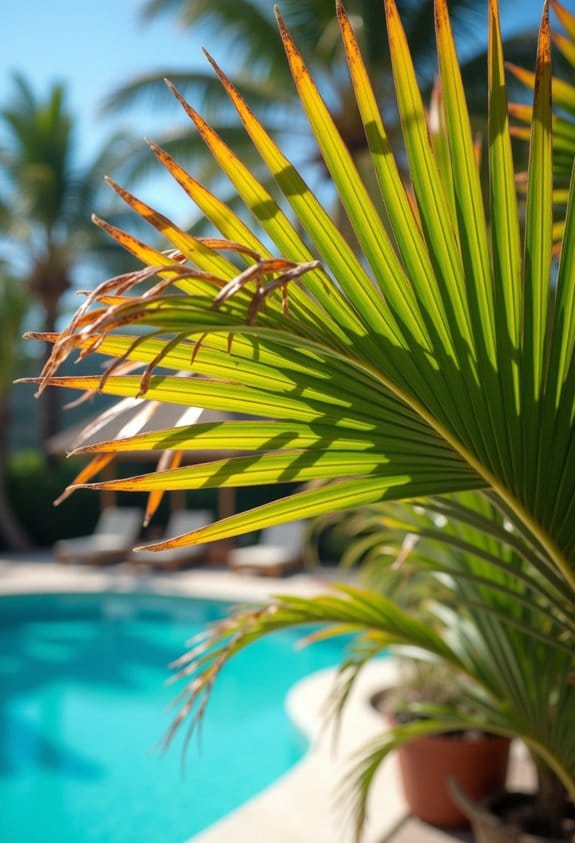
Sunburn vs. Disease: Identifying Palm Leaf Damage

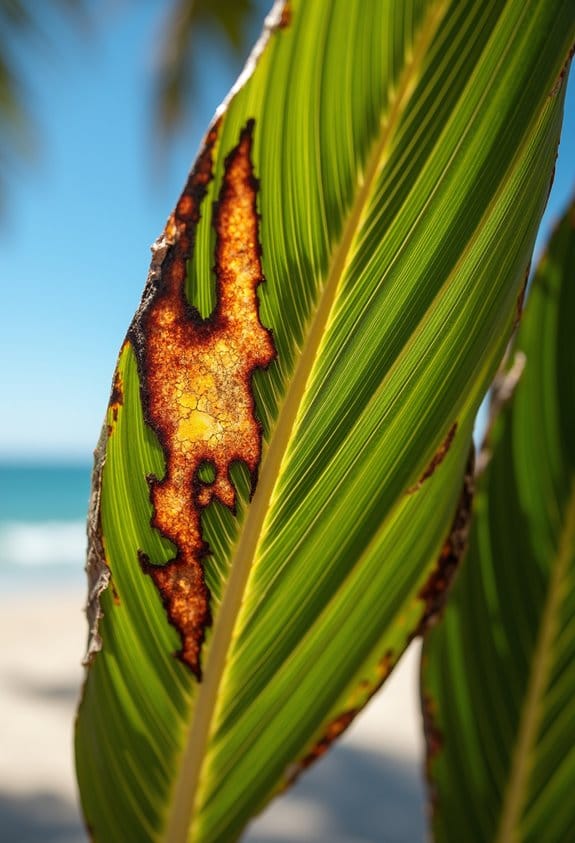
Sunburn on palm leaves appears as gradual, crispy brown edges mainly on tips and margins when exposed to direct sunlight above 85°F, typically in USDA zones 9-11 with 60-75% shade recommended. In contrast, diseases like Lethal Bronzing cause rapid yellowing, fruit drop, and flower necrosis within months, often leading to palm death. Sunburn damage is localized and recoverable, while diseases spread quickly and require removal. Detailed distinctions and care strategies follow for ideal palm health.
Key Takeaways
- Sunburn causes crispy, brown, papery leaf edges gradually developing on tips and margins under direct sunlight above 85°F.
- Disease symptoms, like Lethal Bronzing Disease, show rapid yellowing starting from older leaves, along with fruit drop and flower necrosis.
- Sunburn damage usually spares entire leaves and allows recovery; disease leads to progressive leaf death within months.
- Trimming burnt edges manages sunburn, while infected palms with disease require prompt removal to prevent spread.
- Distinguishing sunburn from diseases guides proper care, including relocating palms to shade or pursuing diagnosis and treatment.
Causes of Palm Leaf Damage
Although palm leaves thrive best in indirect sunlight ranging from 60 to 75 percent shade, excessive exposure to direct sunlight above 85°F often leads to sunburn, recognizable by crispy, burnt edges along the leaf margins. Palm trees also suffer leaf damage from various disease-related symptoms, including Lethal Bronzing Disease (LBD), which causes yellowing leaves and fruit drop, progressing upward before death in two to three months. Additionally, leaf spot diseases create dark lesions that degrade leaf tissue, complicating accurate diagnosis. Environmental factors like improper watering further cause symptoms such as wilting, yellowing, and leaf tip burn, distinct from sunburn or infections. Identifying the cause requires careful observation of palm trees’ environmental conditions and specific physical symptoms, enabling appropriate adjustments in care practices to maintain healthy foliage. For those seeking maintenance-free alternatives, UV-resistant artificial sago palms offer a durable solution that maintains vibrant greenery without the risk of sunburn or disease.
Recognizing Sunburn Symptoms on Palm Leaves
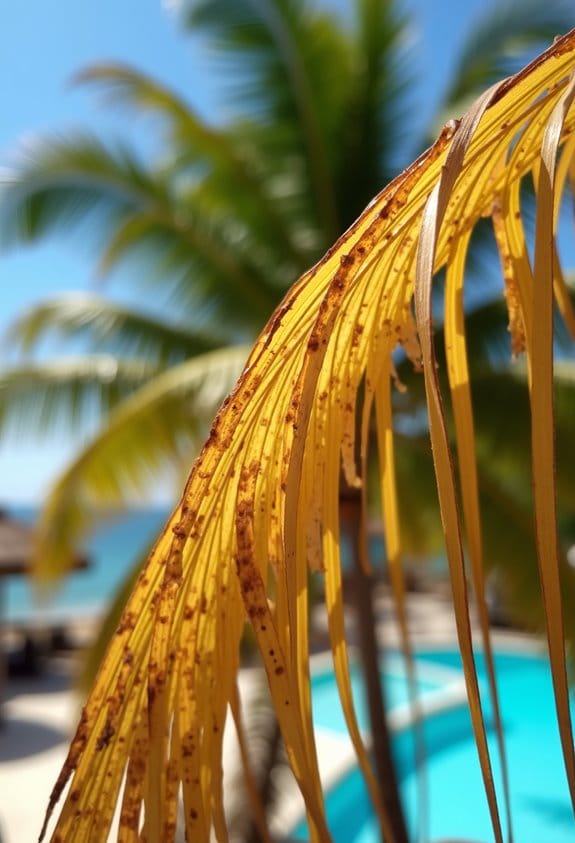
Direct sunlight exceeding 85°F can cause sunburn on palm leaves, identifiable by crisp, burnt edges particularly along leaf tips and margins. These sunburned areas often present a yellow or brownish hue, paired with a papery texture due to cellular damage. Unlike diseases, sunburn rarely kills entire leaves rapidly, offering good news for recovery if addressed quickly. County Extension services recommend relocating palms to indirect sunlight zones during peak hours to mitigate damage. Chronic overexposure leads to progressive deterioration, so regular monitoring of light intensity is essential. Recognizing these symptoms early allows for timely intervention, preserving leaf health. Overall, understanding sunburn characteristics provides an effective foundation to distinguish abiotic stress from pathogenic threats without confusion or delay. Ensuring your palm has UV-resistant fronds can significantly reduce the risk of sunburn and maintain leaf color over time.
Common Palm Diseases and Their Indicators
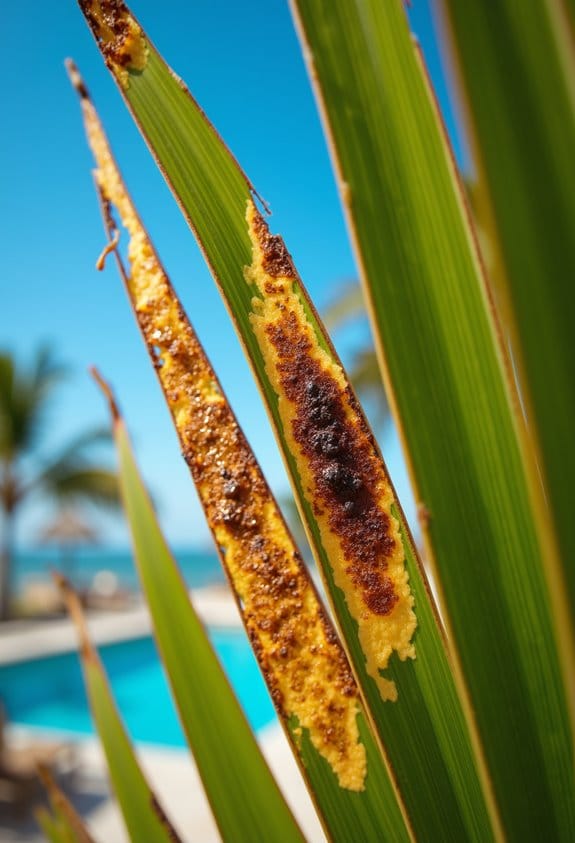
Palm diseases present a crucial challenge for maintaining healthy landscapes and can often be mistaken for environmental stress symptoms like sunburn or nutrient deficiencies. Lethal bronzing disease (LBD), caused by a phytoplasma, shows leaf discoloration advancing from older leaves upward and leads to palm death within 2-3 months. Early signs include fruit drop and flower necrosis, appearing 4-5 months post-infection. Other common palm fungi and pathogens produce yellowing leaves, wilting, or lesions that mimic nutrient deficiencies. Effective pest management, especially targeting vectors like Haplaxius crudus, is essential to control disease spread. Prompt testing and removal of infected palms reduce risks to neighbors. Understanding these disease indicators alongside environmental stress symptoms enhances accurate diagnosis and informed treatment decisions for healthier palms. Additionally, incorporating UV-resistant materials in palm care can help minimize damage caused by environmental factors such as sunburn.
Differences Between Sunburn and Disease Damage
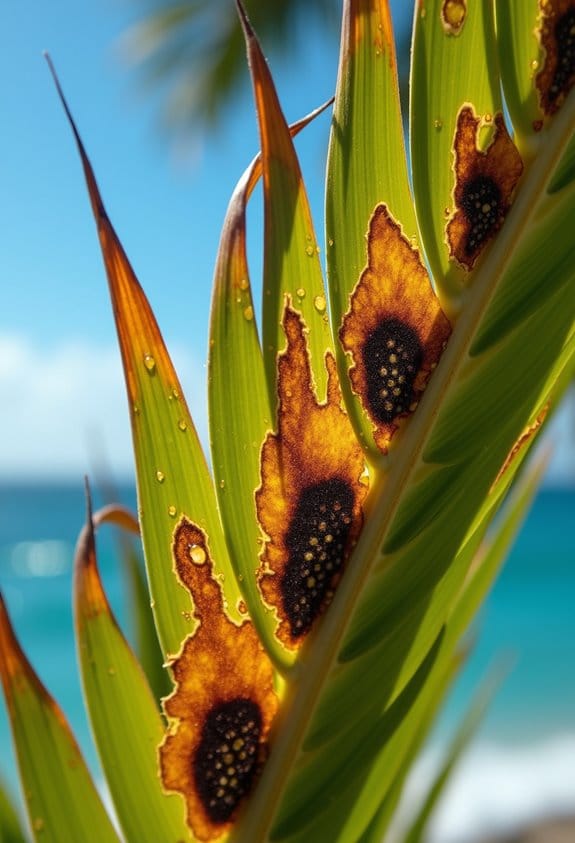
Identifying whether palm leaf damage results from sunburn or disease is an essential skill for maintaining healthy palms and preventing unnecessary treatments. Sunburn symptoms typically present as crispy, burnt leaf tips and margins that develop gradually from excessive light exposure. In contrast, disease progression, such as lethal bronzing disease (LBD), shows rapid discoloration starting from older leaves and moving upward, often within 4-5 months post-infection. Disease damage can include early indicators like fruit drop or flower necrosis, which sunburn does not cause. While sunburn damage can often be managed by trimming affected leaves and adjusting care practices, palms infected with LBD require immediate removal to protect overall palm health. Recognizing these distinctions helps prioritize appropriate action and limits the spread of destructive diseases. Additionally, selecting palm species with natural UV resistance can reduce sunburn damage and extend the lifespan of outdoor palms.
Environmental Factors Affecting Palm Health
Numerous environmental factors influence the overall health and resilience of palm trees, with light exposure playing a crucial role. Proper soil composition impact is critical, requiring well-draining soil with pH levels between 6.0 and 7.0 to prevent root rot and nutrient deficiencies. Humidity levels effects vary by species, but generally, palms thrive in 50-70% relative humidity, which supports healthy transpiration and reduces stress. Temperature regulation strategies, such as avoiding rapid drops below 50°F, are essential to minimize cold shock and pest vulnerability. Excessive sunlight may cause crispy leaf tips, while insufficient light limits growth and disease resistance. Maintaining consistent soil moisture, neither saturated nor parched, guarantees ideal root function. Together, these factors shape palm vigor, making environmental management crucial for preventing leaf damage and encouraging robust development across USDA zones 9 to 11. Additionally, selecting palms with UV-resistant materials can enhance durability and reduce stress from environmental exposure.
Preventative Measures for Sunburn in Palms
Although palm species vary in light tolerance, a gradual acclimation to increased sunlight is essential when moving plants from indoor to outdoor settings, especially within USDA zones 9 to 11. Acclimation techniques include exposing palms to filtered light or partial shade for several hours daily, increasing sunlight exposure by 10-20% each week over 3 to 4 weeks. Utilizing shade cloth with 30-50% density or erecting structures that block intense midday sun effectively reduces sunburn risk. Monitoring leaves regularly for bleaching or crisp edges helps detect overexposure early. Consistent watering strategies, providing approximately 1 inch of water weekly, maintain adequate soil moisture, reducing stress that exacerbates sunburn damage. Combining these methods supports healthy palm acclimation and minimizes sunlight-related leaf injury in vulnerable landscapes. Additionally, employing weather-resistant materials for outdoor spaces can create protective environments that reduce overall plant stress.
Recommended Products

This necklace is made with real 14k yellow gold and is stamped with the appropriate 14k metal stamp

Pacifica 100% solution dyed polyester fabric

Managing and Treating Palm Leaf Diseases
Palm leaf diseases pose significant threats to plant health, especially in USDA zones 9 through 11 where warm climates favor pathogen development. Effective disease identification techniques for lethal bronzing disease (LBD) include observing initial fruit drop, flower necrosis, and gradual leaf discoloration leading to a bronze tint. Confirmation requires testing through county Extension offices. Immediate removal of infected palms prevents spread, while preventative antibiotic treatments protect uninfected trees. Key symptoms appear four to five months post-infection, emphasizing early detection’s importance. Monitoring insect populations, especially the Haplaxius crudus vector, is essential to managing disease transmission. Maintaining vigilance through regular inspection combined with targeted insect control enhances treatment effectiveness, safeguarding palm health and longevity in susceptible warm regions without relying solely on reactive measures. Additionally, selecting durable palm species and ensuring proper care such as well-drained sandy soil can strengthen palms’ resistance to disease and environmental stress.
Recommended Products

LISTED INSECT KILLER: 12 Month Tree & Shrub Insect Control kills Japanese Beetles (adult), Emerald Ash Borers, Adelgids, Leafminers, Aphids, and other listed insects that damage trees and shrubs

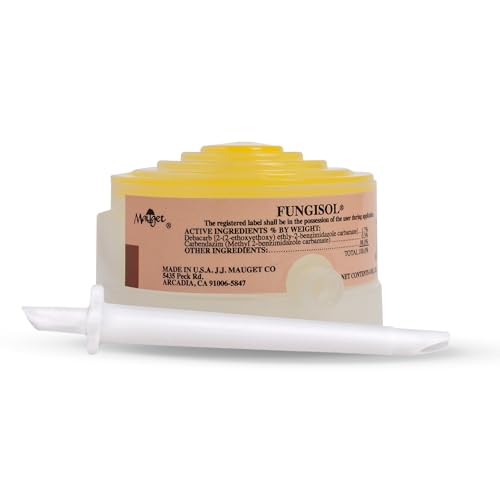
Proprietary fungicide to treat a wide spectrum of fungal diseases.
When to Seek Professional Diagnosis and Help
When should homeowners or landscapers consider consulting experts for palm leaf concerns? Professional consultations become essential when palm leaves exhibit disease symptoms such as discoloration, fruit drop, or flower necrosis, which may indicate Lethal Bronzing Disease (LBD). Early damage assessment is critical because LBD symptoms typically manifest 4-5 months post-infection and can cause palm death within 2-3 months if untreated. Contacting the local county Extension office facilitates testing for LBD, enabling prompt diagnosis. Positive results require immediate removal of the infected palm and testing of neighboring palms to limit spread. If results are negative, professionals can advise on preventative treatments, including antibiotics. Timely professional involvement protects landscape investments and enhances disease management effectiveness by addressing issues before irreversible damage occurs. Additionally, choosing durable, UV-resistant materials for palm trees can help reduce stress factors that contribute to foliage issues in outdoor environments.
Best Practices for Maintaining Healthy Palm Leaves
Maintaining healthy palm leaves requires consistent care that balances environmental conditions and proper cultural practices. Effective palm trimming techniques involve removing dead or heavily damaged fronds to encourage new growth and improve air circulation, which reduces disease risk. Seasonal watering schedules should align with temperature fluctuations: during warmer months above 75°F (24°C), palms generally need watering every 4-6 days, while cooler periods require less frequent irrigation to prevent root rot. Nutrient deficiencies effects, such as yellowing or browning leaves, can signal imbalances in key elements like potassium or magnesium; therefore, applying a balanced palm-specific fertilizer every 6-8 weeks supports vibrant leaf development. Additionally, palms thrive best in indirect sunlight zones 9-11, as direct exposure often leads to sunburned edges requiring attentive monitoring and care. Artificial palm models are crafted with UV-resistant, weatherproof materials to prevent sun damage and extend outdoor durability.
Frequently Asked Questions
What Does a Diseased Palm Look Like?
A diseased palm characteristics include progressive palm leaf discoloration, starting from older leaves turning bronzed, symptoms of disease such as fruit drop and flower necrosis, and eventual browning of the spear leaf signaling advanced infection and imminent death.
What Does Sunburn Look Like on Plant Leaves?
Approximately 75% of sun-exposed leaves exhibit sunburn symptoms, including leaf discoloration with brown or yellow patches and crispy edges. Effective recovery strategies involve relocating plants to shade and ensuring adequate hydration to prevent further damage.
What Does Palm Weevil Damage Look Like?
Palm weevil signs include frass, holes in the trunk or crown, wilting, yellowing leaves, and a “V” shaped cut on fronds. Damage identification enables timely pest control to prevent rapid palm decline or death.
Can the Palms of Your Hands Get Sunburned?
Like a delicate flower unshielded from harsh sunlight, the palms of the hands can indeed get sunburned. Proper sun protection and diligent hand care reduce UV exposure, preserving skin health and preventing painful damage.