As an Amazon Associate, we earn from qualifying purchases. Some links on this site are affiliate links at no extra cost to you. Our recommendations are based on thorough research and editorial judgment.

Symmetrical vs. Asymmetrical Palm Arrangements: Design Guide

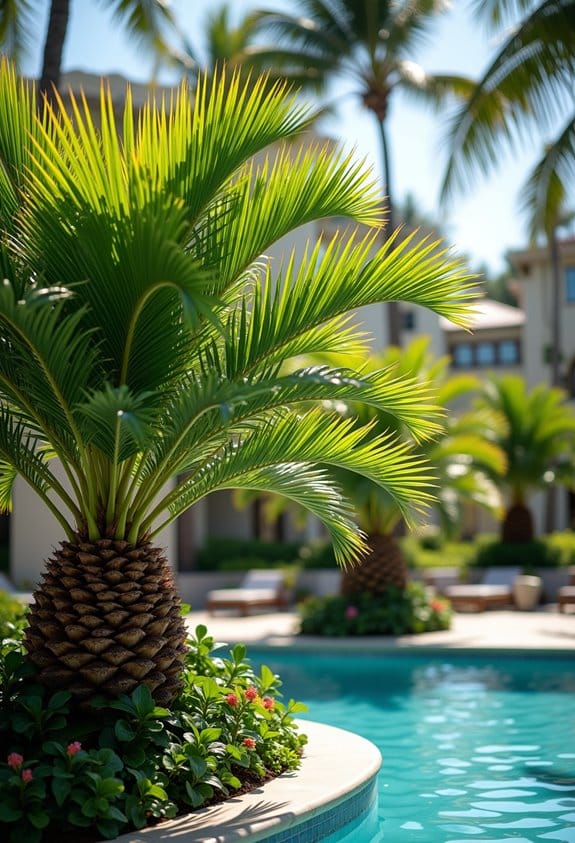
Symmetrical palm arrangements center around a focal palm 4–6 feet tall with uniform spacing of 12–18 inches, ideal for temperatures between 65°F and 85°F and formal spaces 8–12 feet wide. Asymmetrical designs use varied palm heights from 3 to 7 feet and wider spacing of 18–36 inches, creating dynamic visual interest suited for zones 9 to 11. Both approaches balance aesthetics and stability. Further insights reveal how these principles guide refined and engaging palm displays.
Key Takeaways
- Symmetrical palm arrangements feature evenly spaced palms with consistent heights centered around a focal palm, ideal for formal settings and visual harmony.
- Asymmetrical designs use varied palm heights and spacing with organic foliage placement to create dynamic, visually stimulating displays with negative space.
- Odd numbers of palms (three or five) enhance aesthetic appeal and balance in both symmetrical and asymmetrical palm arrangements.
- Symmetrical setups emphasize balance and order, while asymmetrical arrangements focus on depth, texture, and architectural interest through varied heights and forms.
- Combining symmetry and asymmetry blends structured focal palms with lively, uneven placements for engaging, visually appealing palm displays.
Understanding Symmetry in Palm Arrangements
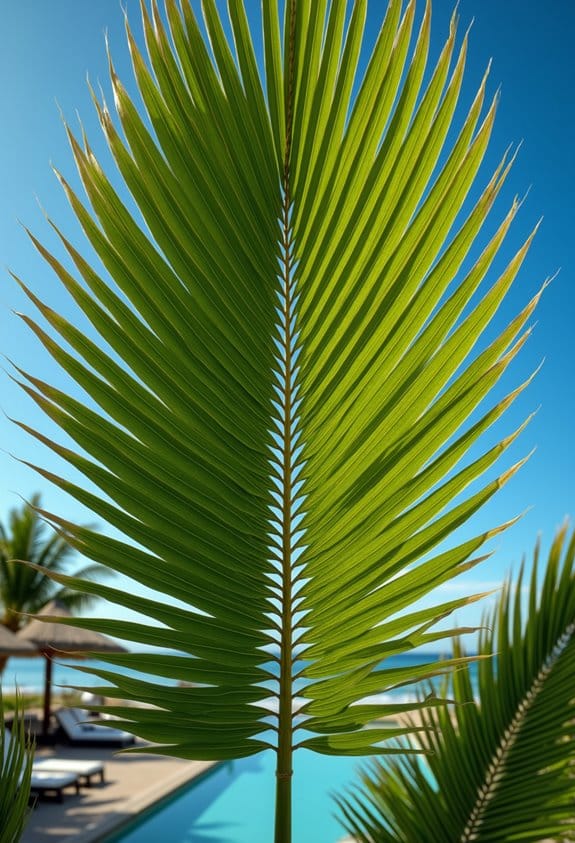
How does one achieve visual harmony in palm arrangements? Symmetrical arrangements accomplish this by evenly distributing plant heights and foliage, creating a balanced, mirror-like effect that emphasizes stability. Typically, a central focal palm, measuring about 4 to 6 feet tall, anchors the design, surrounded by supporting palms and plants of equal height, often within a 1-foot variance. This consistency supports structured elegance, essential for formal spaces requiring a neat and orderly presence. Symmetrical layouts prioritize uniform spacing—usually 12 to 18 inches apart—to maintain clarity and prevent overcrowding. Their predictability and refined balance suit zones where temperatures range between 65°F and 85°F, ensuring palms thrive while enhancing professionalism. By focusing on measured heights and even distribution, symmetrical palm arrangements deliver timeless grandeur without visual chaos or surprise. Choosing palms with UV-resistant materials is critical for maintaining color vibrancy and durability in outdoor symmetrical designs.
Characteristics of Asymmetrical Palm Designs
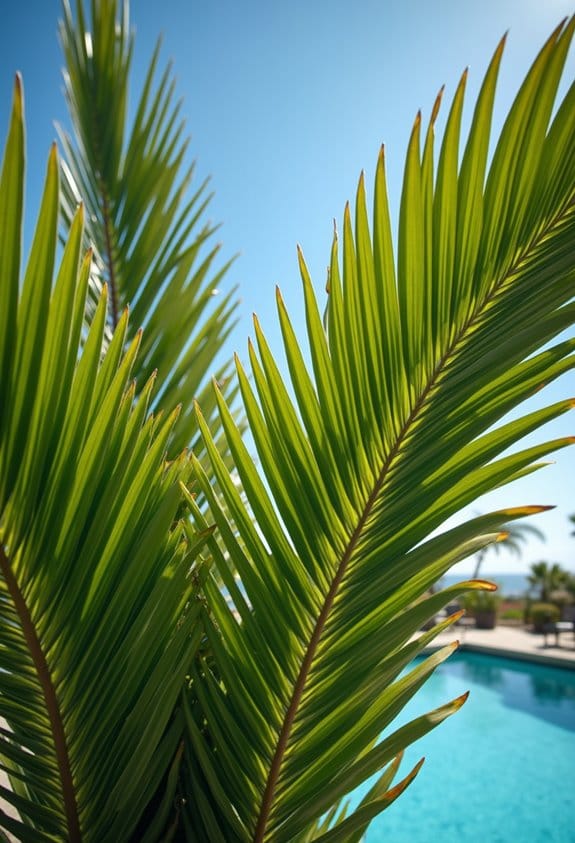
Asymmetry in palm arrangements achieves an engaging balance by combining palms of varied heights, typically ranging from 3 to 7 feet, with uneven foliage distribution for a lively, natural aesthetic. These designs employ varying heights and sizes to create dynamic visual impact and a sense of movement, guiding viewers through the space. Larger palms such as Cyrtostachys renda on one side enhance structural interest while maintaining overall balance from a distance. The foliage arrangement appears organic, avoiding rigid patterns typical of symmetrical designs. This approach encourages prolonged observation, inviting appreciation of subtle differences within the layout. Incorporating architectural palms like Dypsis decaryi adds both height and texture, reinforcing the asymmetrical theme while delivering a visually stimulating, balanced composition suitable for zones 9 to 11. Selecting palms with weather resistance ratings suitable for coastal climates ensures these arrangements maintain their vibrant appearance despite exposure to harsh environmental conditions.
Visual Impact of Symmetrical Palm Arrangements
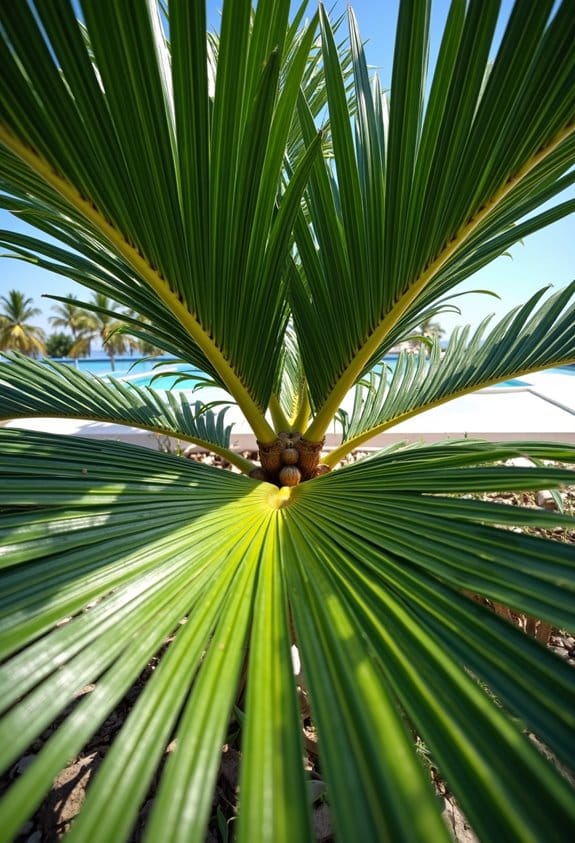
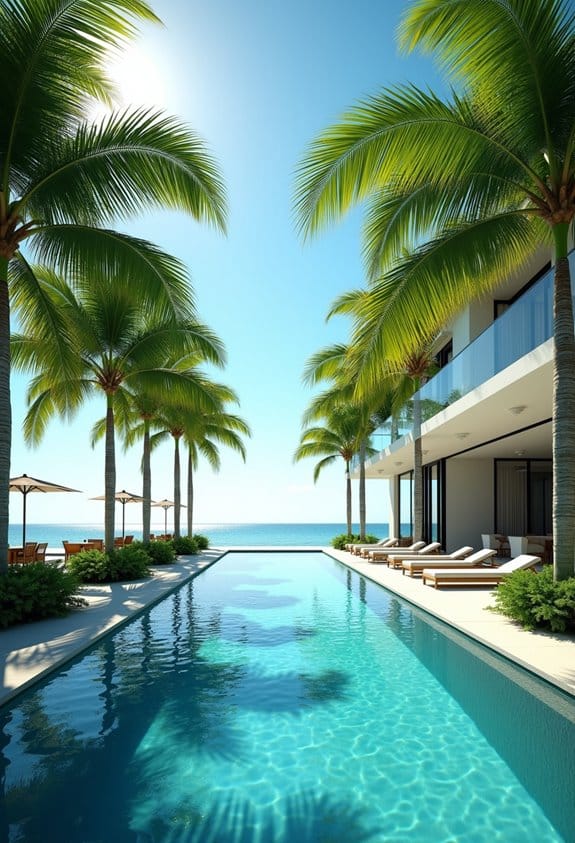
Contrasting with asymmetrical layouts, symmetrical palm arrangements emphasize balance by placing palms evenly around a central focal point, typically in settings that range from 8 to 12 feet wide. This design fosters harmony, making it suitable for formal spaces like corporate lobbies and upscale events. Symmetry directs attention to the focal point, ensuring the arrangement enhances nearby architectural or decorative elements. Using odd numbers of palms within a structured shape maintains both visual interest and equilibrium. The consistent height of palms in these floral arrangements contributes to a polished, professional appearance. Symmetrical compositions reinforce visual stability, providing an organized aesthetic that elevates a room’s ambiance while clearly defining key areas through balanced distribution and proportional spacing. Incorporating weather-resistant materials in symmetrical palm arrangements ensures durability and longevity in outdoor patio environments.
Enhancing Movement With Asymmetrical Palm Designs
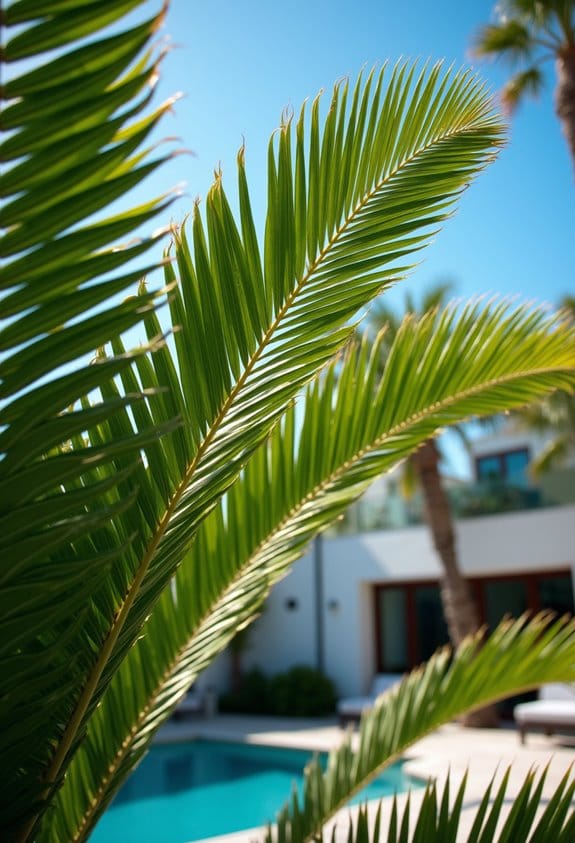
Numerous design strategies can enhance movement within palm arrangements by leveraging asymmetry to create dynamic visual paths that direct viewers’ attention. Asymmetrical arrangements use varying palm heights and forms, such as Cyrtostachys renda’s striking red stalks contrasted with Dypsis decaryi’s fan-shaped leaves, to develop an organic, unpredictable flow. Negative space plays a vital role, allowing areas without plants to provide breathing room, balancing complexity at a glance while inviting detailed inspection upon closer look. This interplay of textures and colors encourages observers to explore the display more fully. Precise placement of palms within 18-36 inches apart creates varying focal points, emphasizing natural movement. Such strategies amplify visual interest and depth, making asymmetrical palm designs both functionally dynamic and aesthetically intriguing. Incorporating UV-resistant materials in your palms can ensure durability and longevity in outdoor asymmetrical designs.
Recommended Products

DURABLE PLASTIC: Made from high-grade plastic, this planter box is all-weather resistant to cracks, scratches, UV and fading; perfect for hot or cold climates ranging from -30 to +50 degrees so you can feel equally as comfortable using it outdoors or indoors

🌴 Lifelike Phoenix Palm Tree – Standing 7ft tall, this artificial phoenix palm tree features 18 oversized fronds made of premium PE material and real palm silk. The large, vibrant feather-like leaves are more realistic and durable than ordinary silk, keeping a lush tropical look all year round.

【Realistic Palm Tree】-- 2 Pack Artificial Areca Palm Tree is designed according to the appearance of tropical palm plants, each leaf has a natural and bright luster and a real touch. Every detail has been carefully designed to achieve the realistic effect of real trees.
Selecting Palm Varieties for Symmetrical Layouts
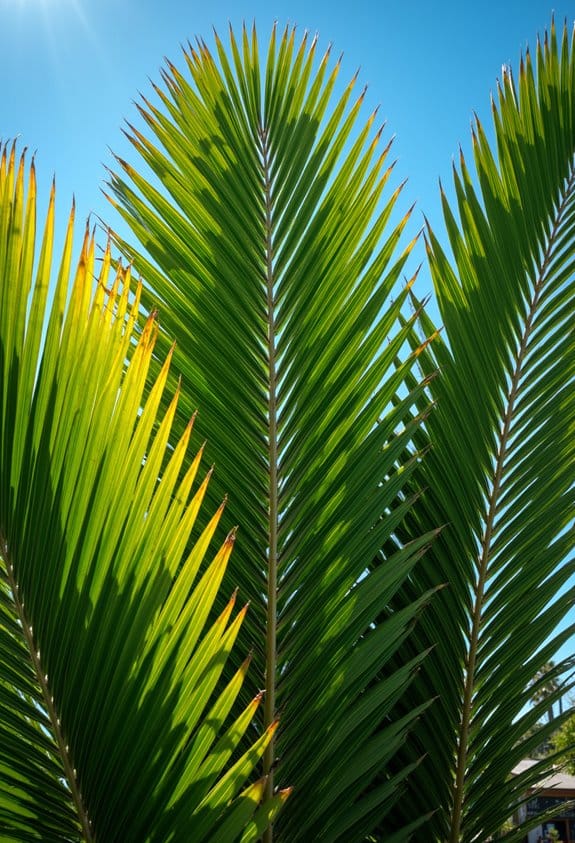
What factors contribute to a successful symmetrical palm arrangement? Selecting palm varieties with comparable heights and consistent forms, such as the Areca palm reaching 6-10 feet or the Phoenix canariensis growing 15-20 feet, guarantees balanced visual impact. Utilizing an odd number of the same palm type—typically three or five—enhances aesthetic appeal by creating natural focal points. Consistent spacing of approximately 3-4 feet between each palm maintains harmony, preventing overcrowding or gaps. Pairing palms with uniform underplantings of low foliage like ferns reinforces the orderly design while offering subtle texture contrast. Incorporating pedestals or planters of equal height, ideally between 18-24 inches, further strengthens symmetry. Such precise choices in palm varieties and structural features result in polished, visually striking arrangements suited for both indoor and outdoor zones 9-11. Additionally, selecting palms that demonstrate durability and weather resistance ensures longevity and sustained beauty in outdoor coastal environments.
Recommended Products

Instantly Lush & Lifelike Paradise: Enjoy the vibrant, full look of mature tropics year-round! Features a single realistic coconut trunks and abundant fronds with countless detailed leaves boasting authentic palm texture. Arrives ready to shape for a perfectly natural silhouette.

Meticulous Design & Good Quality: Unlike other general fake plants, It upgrades the nice and stable pot, even without replacing another pot. They are of the good quality in terms of color, texture and material. It has a more realistic look and touch.
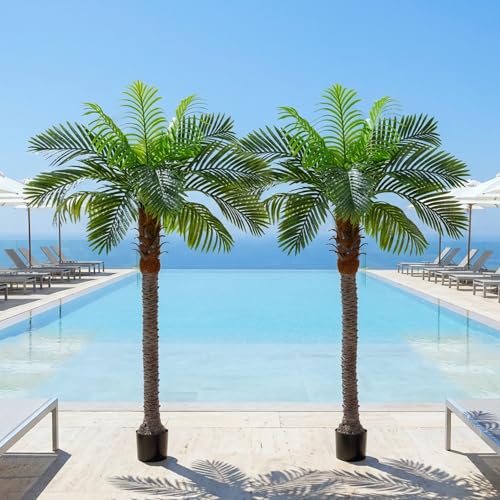
Lush, Lifelike Tropical Beauty: Each palm features a highly realistic coconut trunk and abundant silk fronds with countless detailed leaves, capturing the authentic texture and layered appearance of a living tree. Arrives fully assembled—simply shape the branches to achieve a perfectly natural, full silhouette that brings instant vibrant greenery to your space without the wait or maintenance of real plants.
Using Texture and Height in Asymmetrical Palm Bouquets
Effective asymmetrical palm bouquets incorporate varied plant heights, utilizing taller species such as Cyrtostachys renda, which can reach 10-15 feet, to establish striking focal points. Differing heights from palms like Dypsis decaryi add layered visual interest. Textural diversity is key, with unique features like Verschaffeltia splendida’s stilt roots providing depth and tactile intrigue. Combining bold architectural palm forms with softer foliage balances the design, offering an engaging mix of structure and subtlety. Strategic placement of flowers enhances contrast, while varying the number of large plants on each side prevents monotony and encourages dynamic flow. Employing reverse forced perspective subtly guides the viewer’s eye, making nearby elements more prominent. This approach creates a lively yet harmonious asymmetrical palm bouquet, rich in texture and height variation. Incorporating UV-resistant materials in outdoor palm décor ensures longevity and vibrant visual appeal in all weather conditions.
Recommended Products

This 7ft majestic artificial phoenix palm tree features 15 large, vivid palm fronds adorned with countless arching, feather‑like leaves boasting lifelike palm textures for an incredibly natural appearance. If you’re seeking to create a stunning tropical paradise atmosphere, this is undoubtedly your ideal choice. It will surely impress your friends, colleagues and family members. This extra‑tall palm tree is ready to sway gently in warm tropical breezes.


HOME DECOR ACCENT: A beautiful lifelike plant perfect to accent any room or space for year-round greenery. Want to add a creative touch to your home or office with out spending a fortune? This grand style Paradise palm is sure to do the trick. Standing 7 feet tall, this stately beauty adds life to any décor. Twenty-one natural looking fronds embellish this gorgeous tree from head to toe. Each individual frond is carefully crafted with a lush mix of wispy feathery shaped leaves. Guaranteed to provide years of hassle free beauty.
Practical Applications of Symmetrical Palm Arrangements
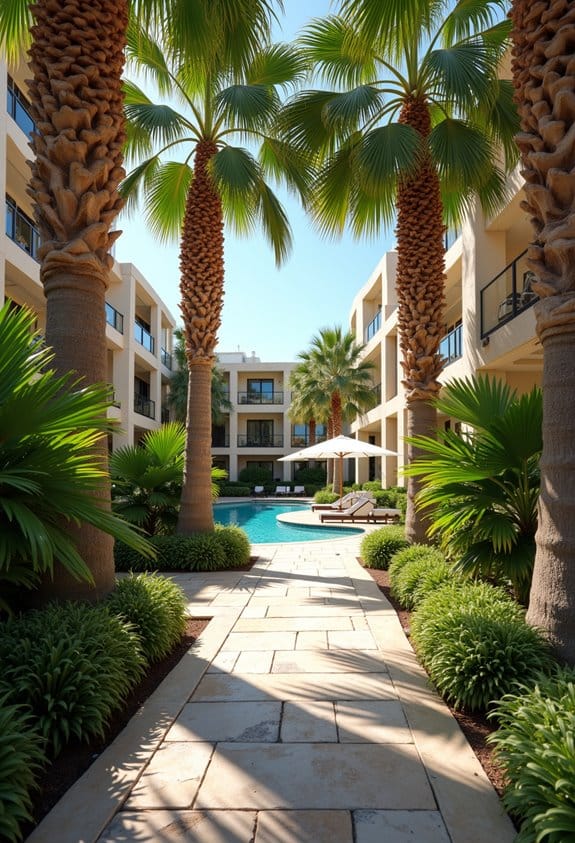
When applied correctly, symmetrical palm arrangements provide a structured and balanced aesthetic well-suited for formal environments like hotel lobbies or corporate event spaces. In floral design for formal events, equal numbers of palms arranged evenly around a central axis enhance visual coherence, creating a polished presence. Typically, larger palm species such as Bismarckia nobilis serve as dominant focal points, complemented by smaller plants like Chamaedorea elegans to reinforce structure and elegance. Layering palms at consistent heights, generally between 3 to 5 feet, maintains order and highlights uniformity. Symmetrical palms are particularly effective in defining entryways or walkways, directing attention while preserving harmony within the space. This approach guarantees a highly controlled, refined display that supports the decorum expected at prestigious formal event settings. For outdoor or poolside formal events, incorporating an inflatable palm tree cooler can add both a functional and decorative tropical accent that complements symmetrical palm arrangements.
Recommended Products

Farm-Grown Quality: Nurtured with care on our farm, ensuring robust health and vigorous growth for long-lasting beauty.

🌴This 10 feet majestic artificial phoenix palm tree features large, vivid palm fronds filled with countless arching feather-like leaves with realistic palm texture. It looks so natural and great! If you're aiming for a tropical paradise atmosphere, this is definitely the best choice. Your friends, partners, and relatives will be in awe as this extra tall palm tree awaits to dance in the warm tropical breezes

Majestic Size & Design: Standing at 8 feet tall with triple trunks, this large artificial palm tree features 30 long, lifelike palm fronds. Its sturdy trunks are perfect for hanging LED lights or decorative pendants (not included), adding a warm, inviting glow to any space.
Creative Techniques in Asymmetrical Palm Compositions
Asymmetrical palm compositions bring a lively variation in height, texture, and spatial arrangement, typically incorporating up to five palms to balance visual interest from multiple viewpoints. Designing with larger palms as a structural base, designers combine smaller specimens to add floral depth and layered textures, creating stunning contrasts. Strategic use of negative space enhances airiness and guides the eye fluidly across the arrangement. Techniques like reverse forced perspective, which makes nearer elements appear smaller, heighten the sense of depth and intrigue. Encouraging slow observation allows viewers to discern subtle color shifts and textural interplay. These methods collectively enable dynamic, visually compelling palm displays that thrive across USDA zones 9-11, with palms spaced 18–36 inches apart for ideal growth and aesthetic balance. Choosing palms with durability and weather resistance ensures longevity and reduces maintenance in outdoor pool environments.
Recommended Products


Home Decor: This large faux palm plant matches perfectly with any Indoor space, providing freshness and greenery for any room, terrace, balcony or patio; Height: 7 Feet (82.7 in.); QTY:2
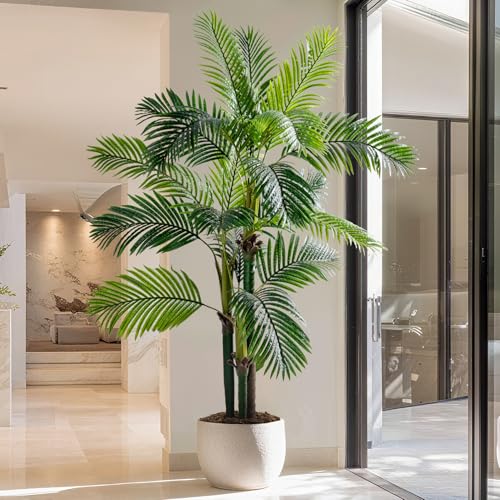
This artificial areca palm isn’t mass-produced—each frond is hand-molded from UV-stabilized PE polymer with a matte "real-touch" coating , mimicking the subtle texture and color gradients of live palm foliage. Our artisans individually shape and attach them to fiberglass-reinforced resin trunks , which are hand-textured with silicone to replicate natural palm bark’s rough, layered pattern,meticulously textured and shaded to perfectly emulate the bark of a mature palm .
Combining Symmetry and Asymmetry for Balanced Palm Displays
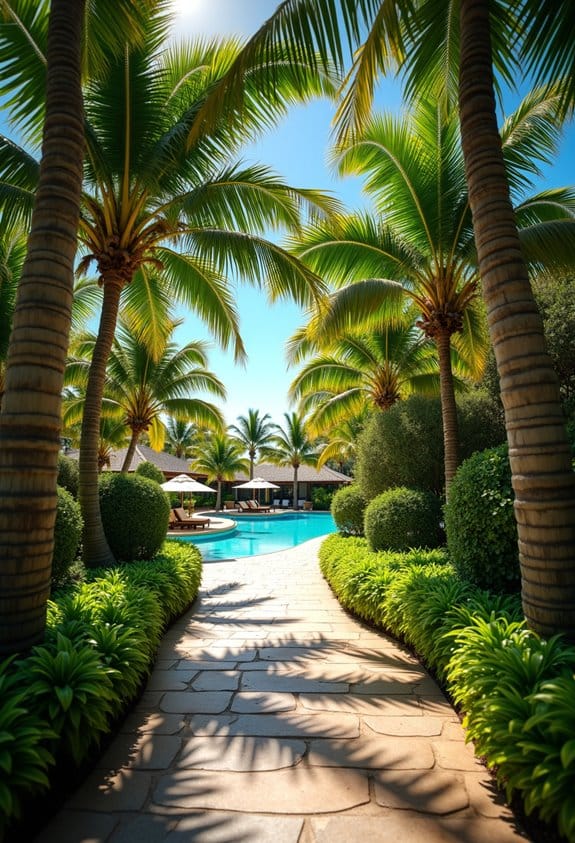
Although symmetry provides a sense of order, blending it with asymmetrical elements introduces dynamic movement and complexity to palm arrangements flourishing in USDA zones 9-11. Taller palms placed symmetrically at the central point anchor the display, establishing a clear focal height around 6 to 8 feet, while asymmetrical palms of varied heights between 3 and 5 feet add depth and vibrancy. Uneven numbers of palms along pathways or borders create engaging visual flow without compromising balance. This combination invites viewers to explore multiple perspectives, appreciating structured, vertical forms against organic, free-form groupings. Utilizing contrasting heights and placements strategically enhances appeal, ensuring harmony without monotony. Such design effectively unites structured order and natural complexity, maximizing aesthetic impact in gardens exposed to temperatures ranging from 20°F to 45°F within these specific climatic zones. Incorporating adjustable branches in large fake palm trees allows for customizable shaping, which can further fine-tune the balance between symmetrical and asymmetrical elements in your display.
Tips for Maintaining Palm Arrangement Stability and Style
Securing stable palm arrangements in USDA zones 9-11 requires strategic layering, typically placing taller palms ranging from 6 to 8 feet at the back and gradually shifting to shorter palms between 3 and 5 feet toward the front. Stability in these arrangements is enhanced by selecting diverse species with varying heights and textures, creating balance and visual interest. Utilizing heavy, sturdy containers anchors palms effectively, preventing tipping from wind exposure. Maintaining ideal soil moisture and health supports root development, directly contributing to each palm’s structural stability. For extra support, integrating elements like wooden stakes or decorative rocks reinforces taller palms, securing their upright posture. These practical tips guarantee palm arrangements remain stable while sustaining an appealing style, combining function with natural elegance for outdoor and indoor environments alike. Choosing the right drainage features in planters is essential to prevent waterlogging and sustain healthy root systems.
Frequently Asked Questions
What Is the 3:5:8 Rule in Flower Arranging?
The 3:5:8 rule in flower arranging guides flower proportion by using three, five, and eight flowers of different types. This design technique creates balanced, visually appealing compositions, enhancing rhythm and harmony within arrangements for both novices and experts.
What Is the Difference Between Symmetrical and Asymmetrical Balance in a Floral Arrangement?
Symmetrical arrangements feature equal distribution and mirror-like balance, creating harmony and formality. Asymmetrical designs use uneven distribution and varied forms, producing dynamic, visually engaging compositions suited for casual or modern settings.
What Is the Rule of 3 in Floral Design?
The Rule of 3, relying on rhythmic repetition, refers to arranging three elements within a floral composition to foster focus, harmony, and heightened visual appeal. This strategy smartly stimulates structure, style, and sophisticated simplicity.
Should Flower Arrangements Be Symmetrical?
Flower arrangements should not always be symmetrical, as various arrangement styles offer distinct visual appeal. Symmetrical styles provide elegance and balance, while asymmetrical designs create dynamic interest, allowing florists to tailor aesthetics based on occasion and preference.