As an Amazon Associate, we earn from qualifying purchases. Some links on this site are affiliate links at no extra cost to you. Our recommendations are based on thorough research and editorial judgment.

The Science Behind UV-Resistant Palm Adaptations

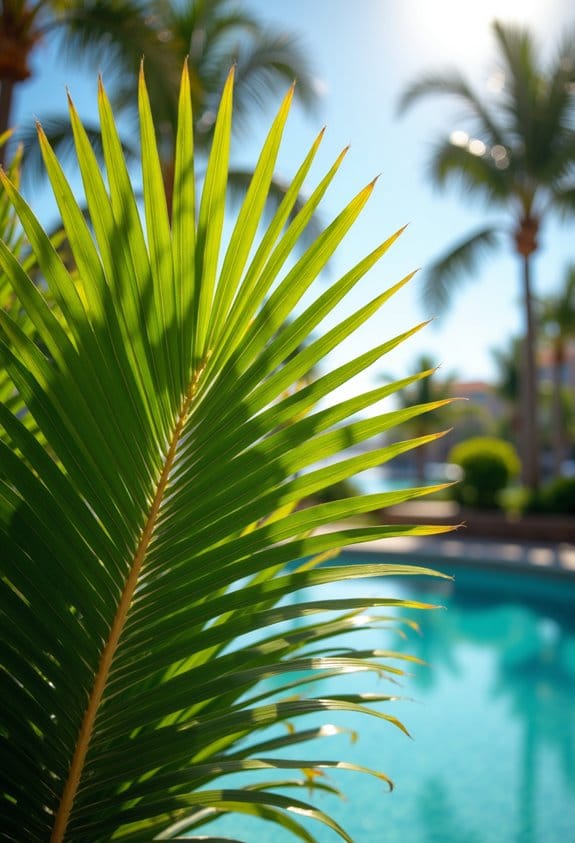
Palms resist UV radiation through waxy leaf coatings that reflect up to 40% of harmful rays and dense carotenoid pigments absorbing excess UV between 280-400 nm. Their large leaves, exceeding 2 square meters, bend and fold to minimize UV exposure and water loss. Wood vessels permit trunk flexibility up to 50 degrees, reducing storm damage, while vast root systems stabilize palms in sandy soils. These traits enable palms to thrive under intense sun and wind. Discover how species variations optimize these defenses further.
Key Takeaways
- Palms have waxy leaf coatings that reflect UV radiation, protecting DNA from damage and reducing water loss.
- Large, flexible leaves fold or orient downward to minimize UV exposure and optimize sunlight capture.
- Increased carotenoid pigments in palm leaves absorb excess UV radiation, enhancing survival under intense sunlight.
- Thicker leaves with glossy, waxy surfaces provide enhanced UV resistance and help conserve water in harsh environments.
- Geographic variations in palms lead to diverse structural adaptations that balance UV protection and environmental resilience.
Evolutionary Background of Palms
Although palms are commonly mistaken for typical trees, they are actually classified as monocots, sharing a closer evolutionary relationship with grasses than with dicots such as oaks. This classification influences key plant adaptations found in various palm species, particularly their flexible stem structure which lacks secondary xylem. Instead, palms have dense, straw-like components within their cross-section that provide remarkable flexibility, allowing stems to bend 40 to 50 degrees before breaking. Such flexibility enhances survival during high winds and storms. Geographic variations among palm species, especially between Caribbean and South American varieties, reflect distinct evolutionary responses to environmental stresses. These adaptations demonstrate palms’ unique evolutionary path, which balances resilience and flexibility, far different from the rigid secondary growth patterns typical of dicot trees. Additionally, many palms have developed UV-resistant leaves that maintain their color and durability even under intense sun exposure, an adaptation crucial for survival in harsh outdoor environments.
Recommended Products

Indoor/Outdoor Durable Materials: Our area rug is meticulously crafted from 100% Polyester and made in China, ensuring exceptional quality. With this rug’s power-loomed construction, you can trust in its durability.
INDOOR/OUTDOOR DURABILITY: Give your patio, deck or porch an instant makeover with an indoor/outdoor rug; Low-pile synthetic rug fibers are durable for high-traffic spaces like the kitchen, mud room or entry; Perfect for families with kids

INDOOR/OUTDOOR DURABILITY: Give your patio, deck or porch an instant makeover with an indoor/outdoor rug; Low-pile synthetic rug fibers are durable for high-traffic spaces like the kitchen, mud room or entry; Perfect for families with kids
Structural Features of Palm Wood
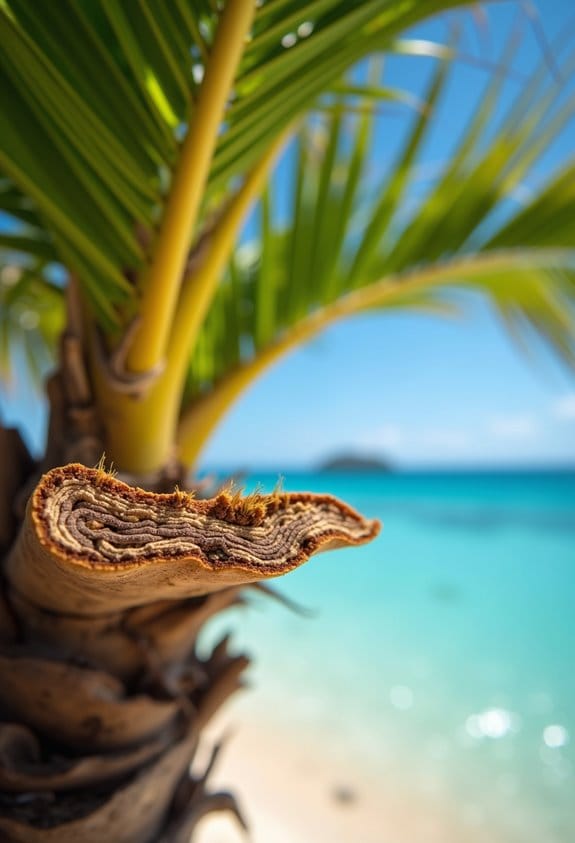
Palm wood is characterized by a distinctive internal structure composed of numerous tiny, dense vessels that resemble straws, which provide exceptional flexibility. Unlike typical trees, palms lack secondary xylem, creating a dense arrangement that allows stems to bend up to 40 to 50 degrees before breaking. This flexibility supports the large, broad leaves essential for efficient sunlight capture, while minimizing wind resistance. Such structural adaptation enables palms to remain stable in hurricane-prone zones, where strong winds frequently challenge woody plants. The focus on flexibility over heavy branches reduces mechanical stress, allowing palms to endure adverse weather conditions more effectively. Together with an extensive root system that enhances soil anchoring, these features highlight how palm wood’s unique anatomy contributes to resilience and survival in dynamic environments. Additionally, palm leaves typically exhibit UV resistance, which helps retain their vibrant color and durability even under intense sunlight exposure.
Leaf Coatings and UV Reflection
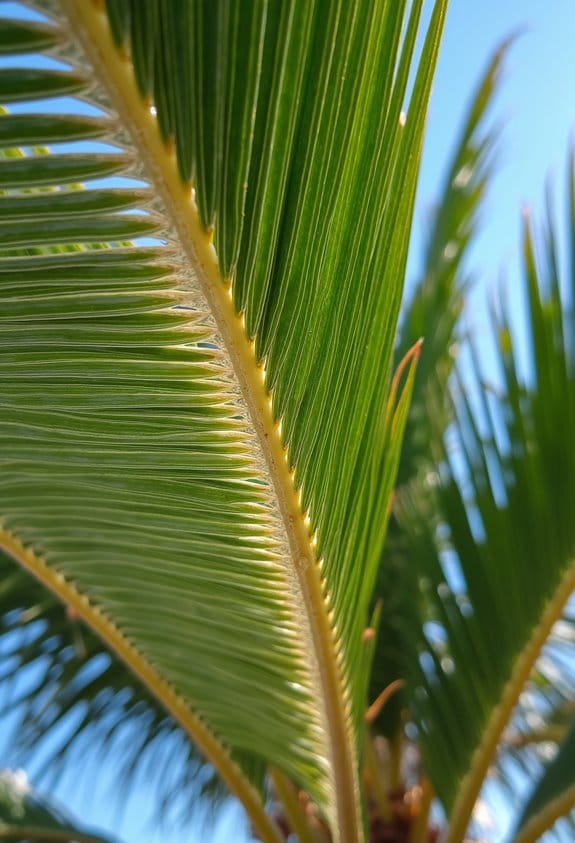
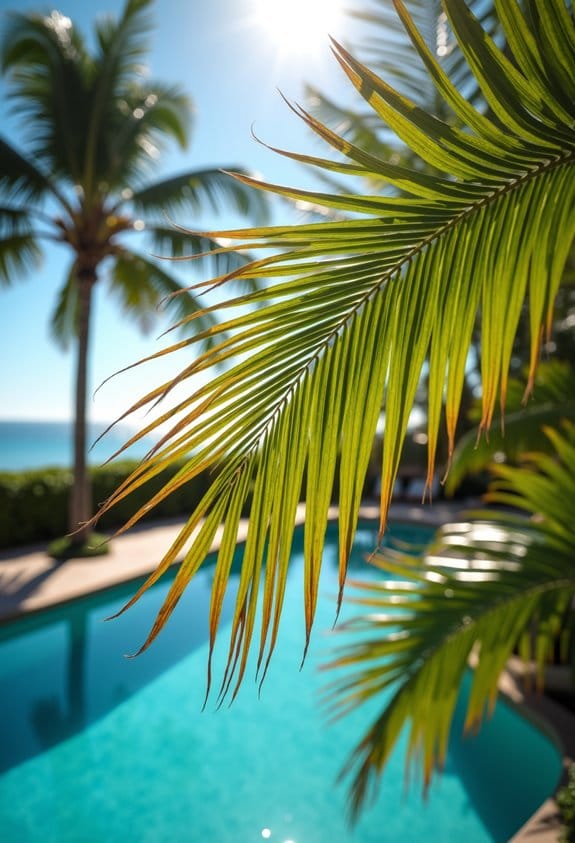
How do palms protect themselves from intense ultraviolet (UV) radiation common in tropical zones where sunlight often exceeds 1,000 watts per square meter? Many palm species feature specialized leaf coatings that reflect significant portions of UV radiation, reducing its penetration into leaf tissues. These waxy coatings enhance UV reflection, serving as a protective barrier against DNA damage from intense solar exposure. Additionally, the leaf structure sometimes directs leaves downward, creating shaded areas that further minimize UV contact. Research shows that these reflective surfaces, combined with large leaf sizes often surpassing 2 meters in width, optimize palms’ survival under extreme UV conditions. By effectively limiting UV radiation absorption, such adaptations decrease risks associated with exposure, illustrating a key evolutionary strategy for palms thriving in high-intensity tropical sunlight. Modern outdoor-rated palm trees utilize UV-resistant materials to mimic these natural protective adaptations, extending their durability and vibrancy under harsh sunlight conditions.
Recommended Products
Complete 12-Person Luxury Patio Dining Set for High-End Backyard Entertaining Designed for 12–14 guests, this extra-long aluminum dining set creates a true estate-style outdoor entertaining space for large households and social hosts in villa-style homes. Perfect for family gatherings, holiday dinners, and backyard parties, it transforms your patio into the center of high-end celebrations.

5-in-1 Comprehensive Cleaning: Beatbot A100 Pro(Aquasense pro 2026 Upgrade) combines water clarification, surface skimming, wall, floor, and waterline cleaning—all in one powerful pool cleaning vacuum system. Its bio-based clarifier, made from recycled crab shells, is skin-safe and eco-friendly, avoiding harsh chemicals to deliver a safer, cleaner swim

Unique Design Metal Wall Art, 4 Panels Tree of Life Wall Art
Photosynthetic Adaptations in Palm Leaves
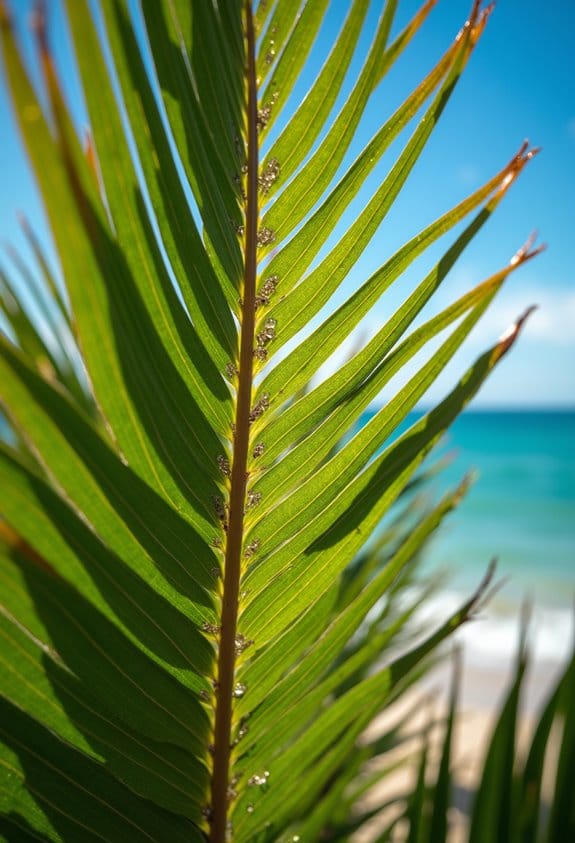
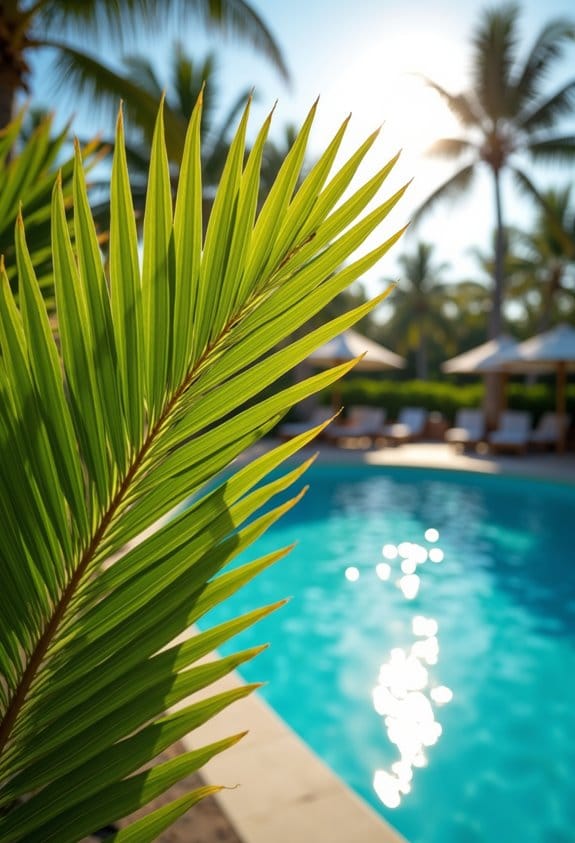
Numerous palm species feature leaves with a surface area often exceeding 2 square meters, considerably enhancing their capacity to capture sunlight for photosynthesis in tropical zones where solar radiation can surpass 1,000 watts per square meter. These photosynthetic adaptations include flexible midribs that bend without breaking, protecting leaves from storm damage while maintaining ideal light absorption. Some palms fold their leaves like a fan during intense sunlight or high winds, reducing surface area to limit water loss and UV damage. The waxy cuticle on their leaves plays an essential role in water retention, forming a protective barrier against desiccation and harmful ultraviolet rays. Additionally, increased carotenoid pigmentation absorbs excess UV radiation, safeguarding cellular structures and sustaining photosynthetic efficiency under harsh light conditions. Moreover, species with UV-resistant surfaces demonstrate increased durability in coastal climates, helping them withstand intense solar and salt exposure effectively.
Root System Development and Moisture Access
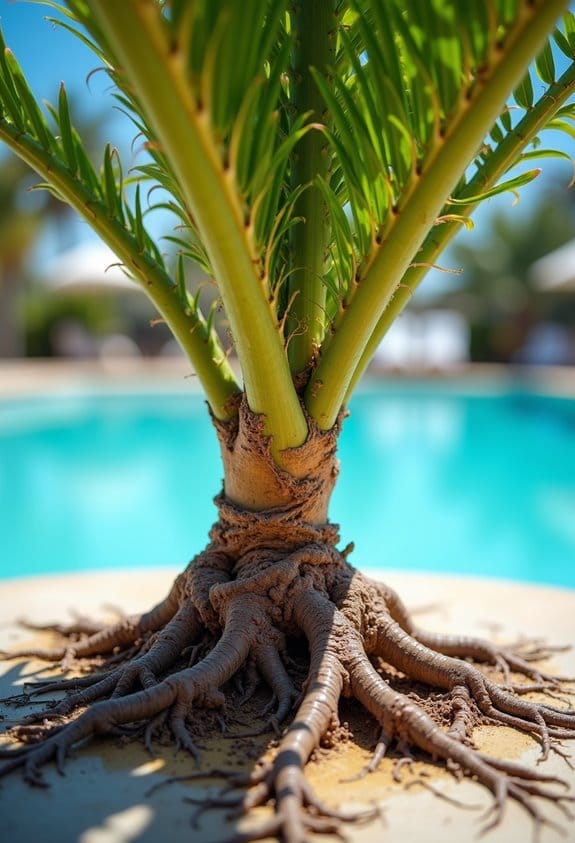
An extensive network of fine roots often spreads horizontally within the top 30 to 50 centimeters of soil, maximizing moisture uptake in tropical and subtropical zones with irregular rainfall patterns. Palm trees feature a dense root system composed of numerous small roots that enhance stability and soil retention, particularly in sandy or loose substrates. These shallow fibrous roots facilitate rapid moisture access by absorbing water from dew and light rainfalls. In swampy environments, certain palms develop specialized stilt roots, such as those in Socratea exorrhiza, which improve anchorage and extend moisture absorption zones. This root system development supports overall resilience by maintaining upright posture during heavy rains and winds. The ability to efficiently access and retain moisture through these adaptations guarantees palm trees thrive despite fluctuating environmental water availability. Additionally, the durability and weather-resistant traits of palms are often mirrored in artificial palm trees designed for year-round use in diverse climates.
Flexibility and Wind Resistance Mechanisms
The extensive root network anchoring palm trees firmly in sandy or loose substrates works in harmony with their flexible trunks to withstand intense wind forces. Palm trunks can bend between 40 to 50 degrees without breaking, a remarkable flexibility that enhances wind resistance during hurricanes. This ability is supported by palm wood, which lacks rigid secondary xylem, allowing for both strength and bending capacity. Large leaves, equipped with flexible midribs, reduce wind resistance by shedding water quickly and minimizing weight. Additionally, palms fold and curl their leaves, decreasing exposed surface area and lowering damage risk in strong winds. This combination of structural flexibility and adaptive leaf mechanisms makes palms uniquely resilient in hurricane-prone coastal zones. These wind resistance adaptations guarantee palms survive where rigid trees often fail. Similar to palms, UV-resistant materials used in artificial plants ensure durability against extreme weather conditions, maintaining their form and vibrant appearance despite harsh sun and storms.
Cellular Protection Against UV-Induced Damage
Cellular defense mechanisms in palms provide critical protection against ultraviolet (UV) radiation, which often ranges from 280 to 400 nanometers in sun-exposed tropical and subtropical zones. These mechanisms include the production of phenolic compounds and flavonoids, which absorb harmful UV radiation and reduce oxidative damage to DNA. A thick cuticle layer on palm leaves further limits UV penetration, shielding delicate cellular structures. Upon UV exposure, palms rapidly enhance the expression of DNA repair genes, ensuring genome stability. Structural changes like increased vacuole size help sequester reactive oxygen species generated by UV radiation, preventing cellular injury. Some palms also adapt by synthesizing more UV-absorbing compounds under intensified radiation. Collectively, these cellular protection strategies maintain palm health and functionality despite challenging UV conditions. Moreover, palms grown in regions corresponding to USDA zones 9 to 11 inherently develop these protective traits to thrive under prolonged sun exposure.
Comparative UV Resistance in Palm Species
Diverse palm species display a wide range of adaptations that enhance resistance to ultraviolet (UV) radiation, often measured between 280 to 400 nanometers in tropical and subtropical regions. For example, the macaw palm (Aiphanes minima) utilizes palm leaves with thick spines, providing dual protection against UV exposure and herbivory. The hurricane palm (Dictyosperma album) strategically sheds leaves before intense storms, reducing UV-exposed surface area and mechanical stress. Palms residing in high-UV Caribbean zones feature glossy, waxy coatings on large leaves that both reflect ultraviolet rays and help store water in fleshy tissues. Geographic variations between Caribbean and South American palms highlight differing UV resistance levels, with thicker leaves and reflective surfaces generally enhancing survivability under intense solar radiation in regions where temperatures reach 30°C or higher. Additionally, selecting palm species with UV-resistant materials significantly improves long-term color retention and structural durability in outdoor environments.
Recommended Products
![[9 Foot Artificial Christmas Garland] - Red Magnolia Collection - Red and Gold Decoration - Pre Lit with 100 Warm Clear Colored LED Mini Lights - Includes Remote Controlled Battery Powered Timer](https://m.media-amazon.com/images/I/51l3r4o-ilL._SL500_.jpg)
[GARLANDS SIZE] - 9 ft. long when fluffed (measured tip to tip)
![[30 Inch Artificial Christmas Wreath] - Red Magnolia Collection - Red and Gold Decoration - Pre Lit with 50 Warm Clear Colored LED Mini Lights - Includes Remote Controlled Battery Powered Timer](https://m.media-amazon.com/images/I/61NVjdL5ZpL._SL500_.jpg)
[WREATHS SIZE] - 30 In. diameter when fluffed (measured tip to tip)

BRAND NEW IN 2024 UPGRADED SURFACE COATING: Compared with other products, the surface coating of our porch swing cushions has undergone a series of upgrades to ensure it does not fade under high-intensity sunlight for up to three years. This enhanced feature extends the life of the outdoor swing cushions, making it the best choice for outdoor porch swing mats.
Role of Leaf Anatomy in Sunlight Management
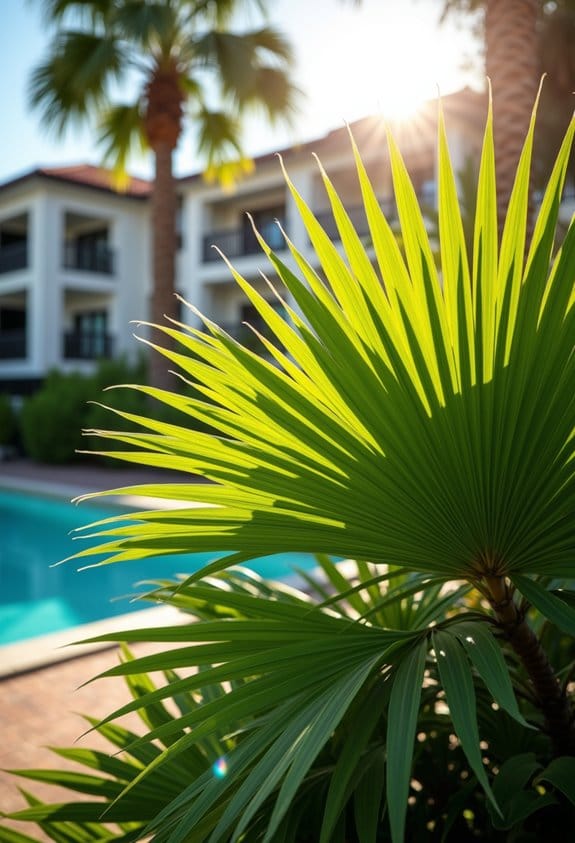
Palms optimize sunlight management through specialized leaf anatomy designed to withstand intense UV radiation common in tropical regions above 15 degrees latitude. Their large, broad leaves feature a flexible midrib that facilitates water drainage and reduces structural weight during storms, balancing sunlight exposure. Many palm species exhibit leaf folding and flexing, minimizing surface area exposed to solar radiation and lowering UV damage risk. Additionally, smooth, often waxy leaf surfaces enhance light reflection, dissipating excess ultraviolet rays effectively. Leaf arrangements create shaded zones beneath, protecting lower leaves and stems from harmful UV. Some palms also develop hairs or spines on leaves, which function as additional barriers that inhibit solar radiation penetration. This thorough leaf anatomy enables palms to thrive in environments with daily UV indices often exceeding 8, showcasing nature’s ingenious solar radiation safeguards. Artificial palms often utilize UV-resistant materials to mimic this natural protection, ensuring durability and color retention in high-exposure outdoor settings.
Implications for Urban Planning and Green Spaces
When strategically integrated into urban green spaces, UV-resistant palms such as hurricane and stilt palms considerably reduce ambient ultraviolet radiation, lowering health risks related to prolonged UV exposure in cities where indices often surpass 8. Urban planners should prioritize planting palms in areas with high pedestrian density, ensuring ideal sun protection from 10 a.m. to 4 p.m., when UV levels peak. These palms absorb up to 95% of UV radiation, while their shading reduces surface temperatures by 2–5°C, simultaneously conserving soil water through reduced evaporation. Reflective materials in cityscapes increase UV exposure risk on adjacent sidewalks and walls, making palm placement essential to counteract reflected UV radiation. Continuous UV level monitoring, combined with irrigation management to maintain soil moisture, enhances palms’ efficacy, ensuring healthier and cooler urban environments driven by science-based green planning. Additionally, selecting UV-resistant materials used in artificial palms can inform sustainable design practices for durable urban greenery.
Recommended Products

This 10 feet majestic triple tropical palm faux tree has 31 large vivid palm fronds filled with countless arching feather-like leaves with realistic palm texture, three thick dragon-scaled trunks are awe-inspiring, it looks so lush and great, it will create a tropical paradise atmosphere for you and those around you, now this extra tall triple palm tree is waiting to dance in the warm tropical breezes

Instantly Lush & Lifelike Paradise: Enjoy the vibrant, full look of mature tropics year-round! Features a single realistic coconut trunks and abundant fronds with countless detailed leaves boasting authentic palm texture. Arrives ready to shape for a perfectly natural silhouette.

Majestic Size & Design: Standing at 8 feet tall with triple trunks, this large artificial palm tree features 30 long, lifelike palm fronds. Its sturdy trunks are perfect for hanging LED lights or decorative pendants (not included), adding a warm, inviting glow to any space.
Frequently Asked Questions
How Did Plants Adapt to UV Radiation?
Plants adapted to UV radiation through cellular modifications that enhanced UV absorption, cloaking vulnerable tissues. This invisible armor slowed DNA damage, as they developed protective pigments and altered leaf structures to withstand relentless solar assault, ensuring survival.
Why Do Palm Trees Bend and Not Break?
Palm trees bend and do not break due to their flexibility mechanism, which involves pliable wood lacking rigid secondary xylem. This structural resilience allows main stems to flex considerably, reducing breakage risk during strong winds and storms.
What Are the Adaptations of a Palm Tree?
Palm tree morphology features flexible midribs and large leaves that enhance resilience. Its leaf structure supports water shedding and wind resistance, while spines deter herbivores, collectively promoting survival in challenging environmental conditions.
How Has a Palm Tree Adapted?
How does palm structure combat harsh environmental stress? Palms adapt by adjusting leaf angles to minimize UV exposure, developing flexible trunks, and coating leaves with wax, ensuring survival through optimized sunlight reflection and reduced tissue damage.