As an Amazon Associate, we earn from qualifying purchases. Some links on this site are affiliate links at no extra cost to you. Our recommendations are based on thorough research and editorial judgment.

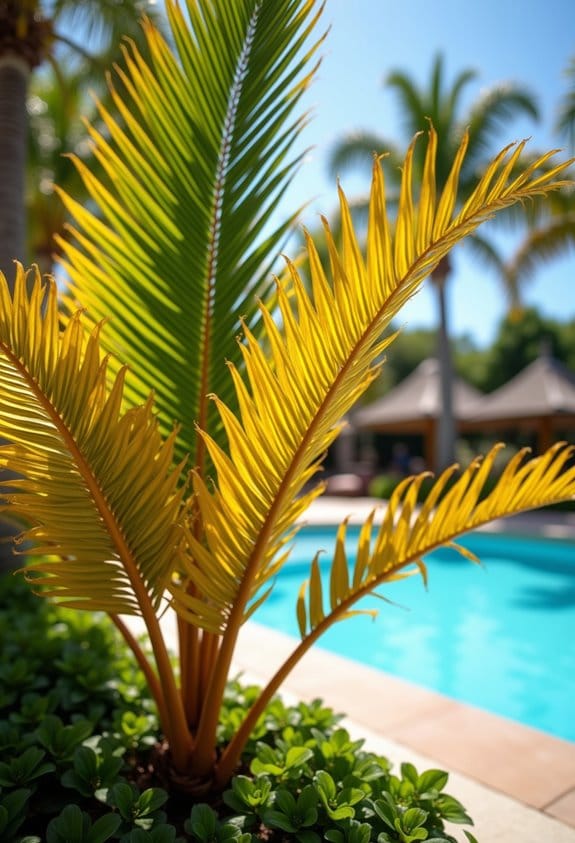
Why Palm Tree Leaves Turn Yellow and How to Fix It

Palm tree leaf yellowing commonly results from overwatering causing root rot, or underwatering leading to dry, crisp edges; nutrient deficiencies in magnesium, potassium, or manganese also produce yellow patterns and tip dieback. Maintaining well-drained soil 12 to 18 inches deep and watering only when the top inch is dry prevents these issues. Ideal temperatures between 65°F to 75°F reduce stress-induced discoloration, while removing only aged yellow fronds supports health. Explore further to uncover targeted prevention and care strategies.
Key Takeaways
- Yellow palm leaves often indicate overwatering, underwatering, or nutrient deficiencies like low magnesium, potassium, or manganese.
- Natural aging causes bottom fronds to yellow and die, which is normal if younger leaves stay healthy.
- Ensure well-draining soil and pot drainage to prevent root rot from overwatering and check soil moisture before watering.
- Maintain stable temperatures between 65°F–75°F, and gradually acclimate palms to avoid stress-related yellowing leaves.
- Remove only older yellow fronds, address underlying care issues, and seek professional help if yellowing persists.
Common Reasons for Yellow Palm Leaves
Although yellowing leaves on palm trees often indicate distress, several common factors contribute to this condition, requiring careful diagnosis to guarantee appropriate care. Yellow palm symptoms frequently arise from overwatering, causing root rot and black spots, especially if soil drainage is inadequate. Conversely, underwatering leads to tree leaves turning yellow with dry, crispy edges due to insufficient moisture. Nutrient deficiencies, especially in magnesium, potassium, and manganese, also trigger yellowing foliage, necessitating precise fertilizer application based on soil tests. Additionally, pest infestations by aphids, spider mites, or mealybugs cause yellow palm discoloration by sap extraction, which demands timely treatment using horticultural oils or insecticidal soaps. Recognizing these factors empowers caretakers to diagnose tree leaves turning yellow accurately and implement targeted interventions to restore palm health efficiently. Ensuring good soil drainage and stability by using a heavy flower pot base can also help prevent stress-related yellowing and promote healthy palm growth.
Understanding Natural Leaf Aging in Palms
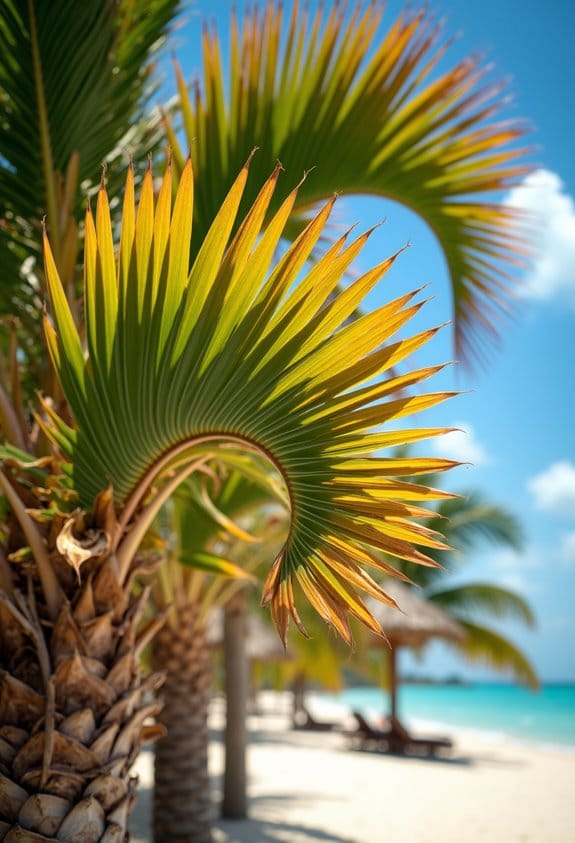
A typical palm tree undergoes a gradual yellowing and browning of its oldest fronds as part of a natural aging cycle spanning several months. This yellowing, which usually begins at the bottom and moves upward, signals the normal senescence of leaves that have completed their growth lifecycle. As aged fronds yellow and eventually fall off, new leaves emerge centrally from the crown, maintaining the palm’s overall health. The yellowing of older foliage in palms, commonly seen in zones 9 through 11 with temperatures ranging from 60°F to 85°F, is not a sign of stress if younger leaves remain green and healthy. Careful observation of this aging pattern helps distinguish natural leaf turnover from pathological conditions requiring intervention. Understanding this process guarantees proper maintenance without unnecessary treatment. For outdoor palms, choosing UV-resistant palms can help maintain vibrant foliage and reduce damage from prolonged sun exposure.
Identifying Nutrient Deficiencies in Palm Trees
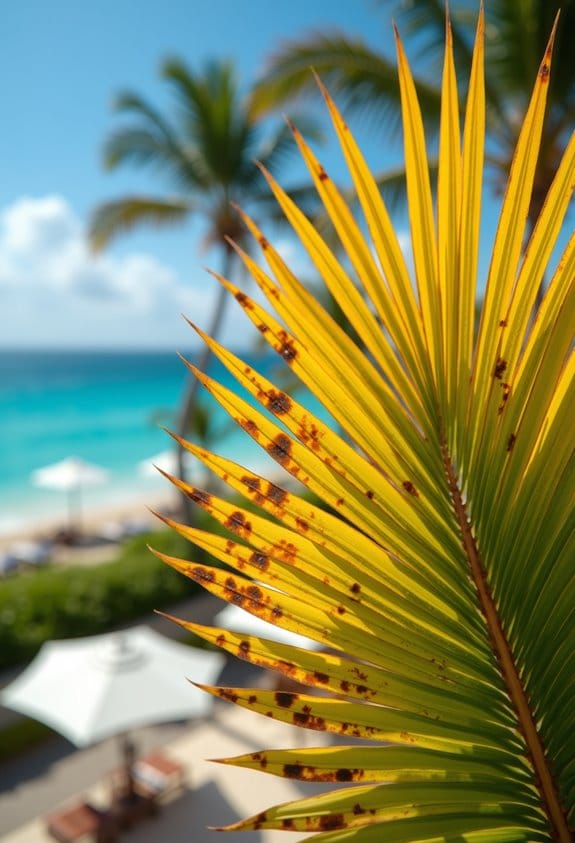
Nutrient deficiencies commonly affect palm trees’ foliage, causing distinctive yellowing patterns and impaired growth that require careful identification. Low magnesium leads to yellowing along leaf margins, a condition called leaf tip dieback. Potassium deficiency appears as yellow stippling and brown leaf tips, signaling the need for balanced fertilization. Manganese deficits cause frizzle top, where leaf bases yellow while tips remain green, hindering overall health. Diagnosing nutrient deficiencies involves regular soil tests to tailor feeding strategies effectively. Applying a slow-release fertilizer formulated specifically for palms, three times annually, replenishes essential micronutrients and supports vigorous growth. Such precise nutrient management prevents yellowing caused by imbalances, promoting resilient foliage that thrives in USDA zones 9 through 11, especially in temperatures ranging 60°F to 85°F. Incorporating durable construction techniques from artificial palm tree care can also inform methods to protect real palms against environmental stressors.
Recommended Products

Package contains 160 tree and shrub fertilizer spikes and are produced to avoid wasteful runoff, mess, hazards and smells

COMPLETE TREE FOOD SPIKES: Lutz Iron Chlorosis Spikes offer a balanced tree fertilizer spike formula tailored for trees and shrubs. With essential nutrients like Iron (16%), Nitrogen (5%), Sulfur (4.8%), Phosphaate (3%), Potassium (3%), these plant food spikes combat common deficiencies and promote lush growth in your garden.

COMPLETE PALM TREE FOOD: Lutz Palm Tree Maintenance Spikes offer a balanced tree fertilizer spike formula tailored for palms and ferns. With essential nutrients like manganese (6%), magnesium (6%), potassium (6%), sulfur (10%), iron 1%), and copper (0.5%), these plant food spikes combat common deficiencies and promote lush growth in your garden, making them an ideal choice for enriching your tree spikes fertilizer routine.
Effects of Overwatering and Underwatering
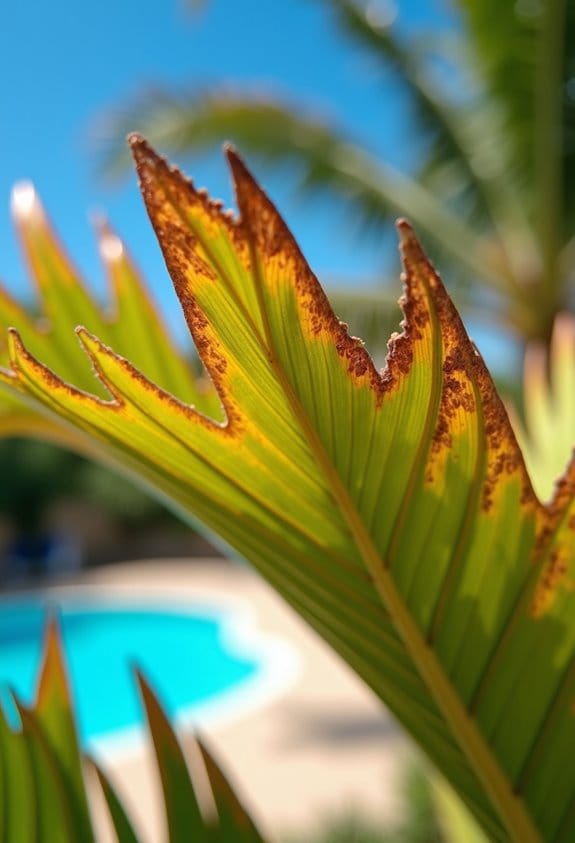
Overwatering palm trees often triggers root rot, manifesting as wilted, yellow leaves with dark spots due to excessive soil moisture and poor drainage. This condition arises when the soil remains soggy for extended periods, depriving roots of oxygen and causing decay. Conversely, underwatering causes yellow leaves with dry, crispy edges, signaling insufficient water intake. Palms typically thrive with well-draining soil mixes and benefit from pots featuring multiple drainage holes. It is essential to allow the top 1 inch (2.5 cm) of soil to dry before watering again, especially in winter months when moisture needs diminish. Monitoring soil moisture regularly helps prevent overwatering, while repotting into aerated soil can revive affected roots. Properly managing watering—balancing frequency and soil condition—maintains palm health and minimizes yellow leaf development. Using UV-resistant materials for artificial palms ensures their vibrant colors remain consistent outdoors, simulating healthy natural foliage.
Recommended Products

FEEDS UP TO 6 MONTHS: Miracle-Gro Potting Mix is a gardening soil for outdoor containers that feeds all types of potted plants, including flowers, vegetables, shrubs, annuals, and perennials for up to 6 months

NATURAL, ORGANIC INGREDIENTS: Made of 100% organic ingredients, this organic potting soil is free from synthetic fertilizers and chemicals. This planting soil gives your plants everything they need. Perfect for soil for indoor plants and outdoor potting soil.

Simple, elegant, and modern cylindrical straight round planter pot with saucer and drainage hole.
Impact of Temperature Fluctuations on Palm Health
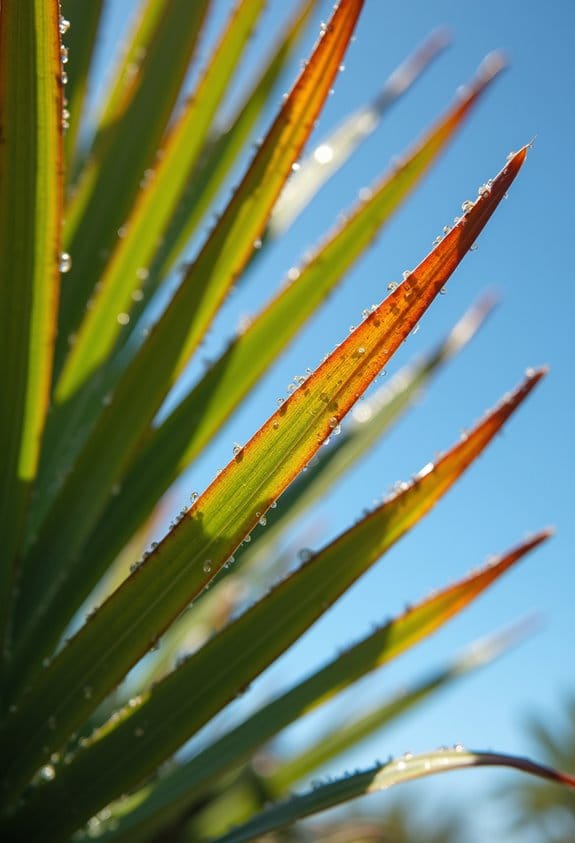
Temperature fluctuations can impose significant stress on palm trees, often causing leaves to yellow and overall plant vigor to decline. Palms thrive best between 65 and 75 degrees Fahrenheit; deviations beyond this range may disrupt cellular functions, resulting in yellowing leaves. Sudden shifts in temperature, such as cold drafts or hot air from heating vents, exacerbate stress by shocking the plant’s physiology. Gradual acclimatization is essential when relocating palms between indoor and outdoor areas to reduce temperature shock and prevent leaf discoloration. Maintaining steady light alongside stable temperatures further supports healthy growth and vibrant foliage. Overall, minimizing rapid temperature changes and keeping conditions within an ideal range preserves palm health and prevents yellowing leaves, ensuring these tropical plants maintain their striking appearance year-round. Choosing palm varieties with strong UV resistance can also help protect foliage from environmental stressors linked to temperature fluctuations.
Recognizing Pests and Fungal Diseases in Palms
Yellowing leaves on palms may also signal the presence of pests or fungal infections, which require prompt identification to prevent further damage. Common pests such as aphids, spider mites, mealybugs, and scale insects suck sap, causing yellow fronds and weakening the palm. Symptoms often include sticky residue or delicate webs on leaves. Fungal diseases like Ganoderma root rot and lethal yellowing produce similar yellowing, accompanied by premature leaf drop and root decay, which can kill the tree. Effective pest control involves horticultural oil or insecticidal soap, applied multiple times for best results. Because fungal diseases can rapidly worsen, professional diagnosis and treatment are essential. Recognizing these signs early safeguards the palm’s health and helps maintain its lush, green appearance throughout the growing season. For instance, incorporating UV-resistant materials in artificial palms helps avoid discoloration issues commonly seen in live plants affected by sun damage.
Recommended Products
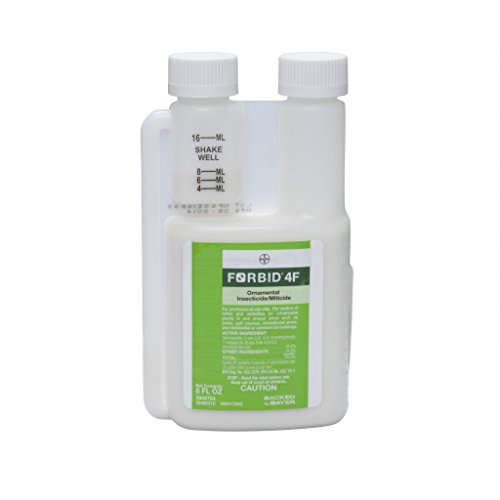
Description: Forbid 4F offers outstanding knockdown and residual control of mites and all stages of whiteflies for four to eight weeks.

DEFENDS YOUR PLANTS - Monterey 70% Neem Oil controls black spot, powdery mildew, rust, needle rust, downy mildew, twig & twip blight, anthracnose, scab and flower, botrytis, alternaria, and other fungal diseases.
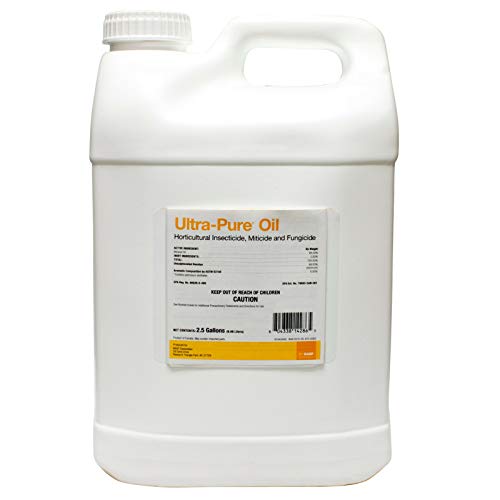
Horticultural Oil: 98% mineral oil insecticide, miticide, and fungicide for comprehensive plant protection; Effective horticultural spray oil
Soil Testing and Its Role in Diagnosing Yellow Leaves
Since nutrient imbalances often cause leaf yellowing, conducting regular soil tests provides essential information on nitrogen, magnesium, and manganese levels needed for palm health. Soil testing reveals deficiencies by analyzing nutrient concentrations and pH balance, critical for diagnosing yellow leaves accurately. Home gardeners may use DIY kits, while professional arborists or agricultural extension services offer more precise results and tailored advice. Routine testing every two to three years enables early detection of nutrient shortages, supporting vibrant foliage and strong roots. Understanding soil composition guides corrective measures before damage intensifies. This proactive approach optimizes essential nutrients in root zones approximately 12 to 18 inches deep, promoting recovery. Proper soil testing acts as a diagnostic foundation in palm care, enhancing decision-making for health interventions. Additionally, using water-resistant materials in outdoor palm settings can help maintain soil quality by preventing waterlogging and related nutrient issues.
Best Fertilization Practices for Majesty and Queen Palms
Effective fertilization is essential for maintaining the vibrant health of majesty and queen palms, both of which thrive with a slow-release, palm-specific fertilizer. Applying this fertilizer two to three times during the spring and summer provides essential nutrients, such as potassium, magnesium, and manganese, which prevent yellowing palm leaves caused by deficiencies. It is best to use a balanced formula at half-strength to avoid over-fertilization, which can damage root systems and scorch foliage. For precise nutrient management, regular soil testing should guide adjustments of fertilizer application, ensuring palm leaves receive exactly what they need. This targeted approach improves nutrient uptake, supports healthy growth, and maintains the palms’ distinctive, lush green appearance throughout the growing season. Proper fertilization forms a foundational step in correcting yellowing issues effectively in these palm species. Additionally, selecting palms with UV-resistant durability can help prevent leaf damage related to sunlight exposure.
Recommended Products

Organic Fertilizer

Finally Available On Amazon! You Asked And We Listened, So The Most Popular Fertilizer For Palms Is Now On Amazon.

TRULY ORGANIC YOU CAN TRUST - OPM Lawn Food is Alive with GroBiotics️: Amino & Humic Acids, Beneficial Biology️ and Complete Nutrition — These are the ABC’s of Organic Growing... With GroBiotics you will grow gorgeous grass better than ever before!
Correct Watering Techniques for Healthy Palm Leaves
Although palms can tolerate occasional drought, maintaining consistent moisture is essential for preventing leaf yellowing, especially during the active growing season in zones 9 through 11. Water palms deeply until water runs out of drainage holes, ensuring roots receive sufficient hydration without pooling. Allow the top inch of soil to dry before re-watering, but avoid letting the root ball dry completely, which stresses the plant and causes lower leaves to yellow. Use pots with proper drainage and elevate them on stones to improve water flow and prevent soggy soil. During winter’s cooler months, reduce watering frequency, keeping soil barely moist for about two months to match slowed growth. Regular moisture checks are critical to avoid overwatering or underwatering, common triggers for yellow palm leaves. Additionally, selecting a well-draining mat under palm pots can help prevent excess moisture buildup and promote healthier root conditions.
Recommended Products

Stylish Concrete Planter - Unveil a modern design boasting graceful curves and an authentic surface finish! Enhance your space's allure with this contemporary masterpiece adorned with visible pores for an enchanting touch of charm.

PREMIUM FIBERSTONE & PRECISE SIZING: Measuring 14" Outer Diameter, 13.3" Inner Diameter, and 12.5" in height with a sturdy 5/16" (0.31") thick wall (Pot Only). Handcrafted from premium fiberstone with a smooth Terracotta finish, it delivers a substantial modern aesthetic without the heavy weight. IDEAL FOR: Large Rubber Trees, mature Palms, or oversized Dracaenas for expansive indoor or outdoor spaces.

PROTECT FLOORS FROM WATER AND STAINS Designed to catch spills, drips, and runoff from potted plants and hydroponic systems, helping keep floors clean and damage-free.
Managing Yellow Fronds: When to Remove Them
Proper management of yellowing palm fronds involves recognizing when removal supports plant health versus when it may cause unnecessary stress. Only older, yellowing fronds that show clear signs of dying back on a majesty palm should be removed, as this matches the natural growth cycle. Avoid cutting immature or green foliage, as it neither addresses underlying issues nor benefits the plant’s health. Cosmetic removal of yellowing fronds often masks more serious concerns such as nutrient deficiencies or pests and can increase stress. Careful observation for drooping leaves or visible pests helps guide removal decisions. Long-term health improves with correct nutrient levels, appropriate watering, and suitable environmental conditions for palms growing in USDA zones 9-11, reducing the frequency of yellow frond removal and promoting sustained vibrancy. For a maintenance-free alternative that avoids yellowing issues altogether, consider using UV-resistant artificial palms that offer vibrant foliage year-round without watering or pruning.
Preventing Future Yellowing Through Environmental Care
Maintaining palm trees in USDA zones 9-11 requires careful control of temperature and watering to prevent leaf yellowing. Consistently keeping temperatures between 65 and 75 degrees Fahrenheit minimizes stress caused by abrupt climate changes. Avoiding temperature shocks through gradual acclimatization when moving palms indoors or outdoors helps reduce yellowing risk. Utilizing well-drained soil with perlite and peat supports healthy roots and prevents waterlogged conditions that often lead to foliage discoloration. Monitoring soil moisture by letting the top inch dry during non-growing seasons prevents overwatering while still satisfying hydration needs. Additionally, shielding palms from drafts and heating or cooling vents stabilizes their environment, promoting resilient green leaves. These detailed environmental adjustments serve as an effective strategy for preventing future yellowing and maintaining palm trees’ vibrant appearance year-round.
When to Seek Professional Help for Palm Tree Issues
Yellowing palm leaves that persist despite consistent care adjustments often signal underlying issues beyond environmental factors alone. When palm fronds continue turning yellow, despite balanced watering and nutrient support, it is essential to consult a professional for a detailed assessment. Experts can perform precise soil tests to detect hidden nutrient deficiencies or imbalances affecting palms in USDA Hardiness Zones 9-11. Additionally, visible signs of pests or fungal infections require expert identification and treatment to prevent serious damage. Specialized knowledge is especially important for palms like Majesty or Queen palms, which demand tailored care based on their unique physiology. Early consultation supports long-term palm health, potentially saving trees from irreversible harm through timely interventions and customized treatment plans.
Frequently Asked Questions
What to Do When Palm Tree Leaves Turn Yellow?
When palm tree leaves turn yellow, one should address nutrient deficiency by applying appropriate fertilizer. Additionally, alleviate water stress through proper irrigation and drainage. Monitoring environmental factors and consulting experts may be necessary for persistent issues.
Can a Yellow Leaf Turn Green Again?
A yellow leaf recovery is generally impossible since chlorophyll loss is irreversible. However, correcting nutrient deficiencies can prevent further yellowing and promote healthy green growth in new leaves, ensuring overall palm health and rejuvenation.
What Does It Mean if My Palms Turn Yellow?
Approximately 70% of yellow palm symptoms result from nutrient deficiencies. Yellowing indicates stress or poor health, signaling a need for improved palm care tips like balanced fertilization, proper watering, and pest management to restore vigor.
How to Make a Palm Tree Green Again?
A palm health assessment reveals nutrient deficiencies, guiding corrective fertilization. Adjust watering, control pests, and remove old fronds to restore vibrant foliage. Acclimate palms gradually to temperature changes, optimizing conditions for renewed green leaves.