As an Amazon Associate, we earn from qualifying purchases. Some links on this site are affiliate links at no extra cost to you. Our recommendations are based on thorough research and editorial judgment.

Building Raised Beds for Palms in Flood-Prone Coastal Areas

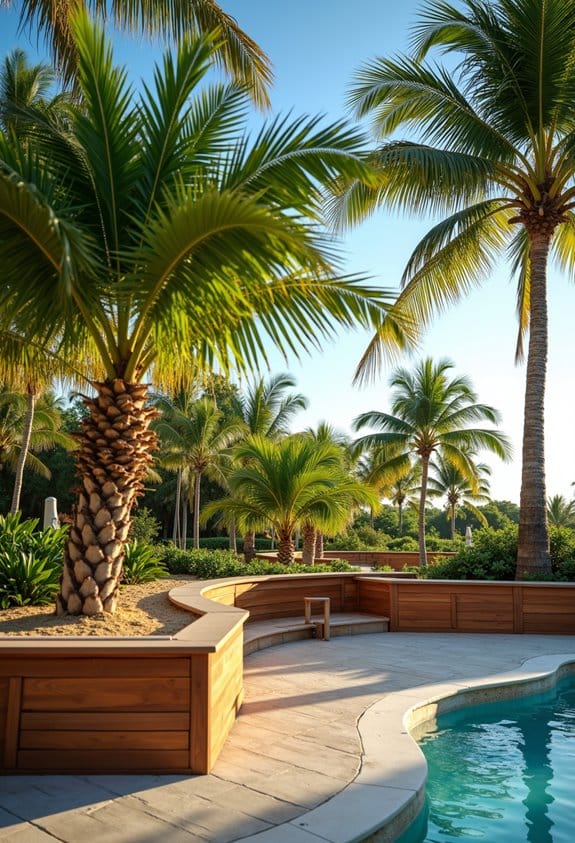
Building raised beds for palms in flood-prone coastal areas involves elevating soil 12 to 18 inches above ground to prevent root waterlogging and saltwater intrusion. Use durable materials like cedar, teak, or galvanized metal for structural resistance against moisture and corrosion. Incorporate well-draining soil mixes combining sandy loam, compost, and coconut coir to maintain moisture balance. Select salt-tolerant palms such as Sabal palmetto or Cocos nucifera for resilience under saline, windy conditions. Exploring these details further reveals how to optimize palm health and bed longevity.
Key Takeaways
- Raise beds 12-18 inches above ground to prevent saltwater intrusion and improve drainage in flood-prone coastal areas.
- Use moisture-resistant materials like cedar, teak, or galvanized metal for durable raised bed construction.
- Incorporate a well-draining soil mix of sandy loam, compost, coconut coir, and gravel to balance moisture retention and aeration.
- Select salt-tolerant palm species such as Sabal, Coconut, Pindo, or Windmill palms for better survival in coastal environments.
- Design beds with retaining walls and proper elevation to promote root aeration and minimize waterlogging during floods.
Benefits of Raised Beds for Palms in Coastal Environments
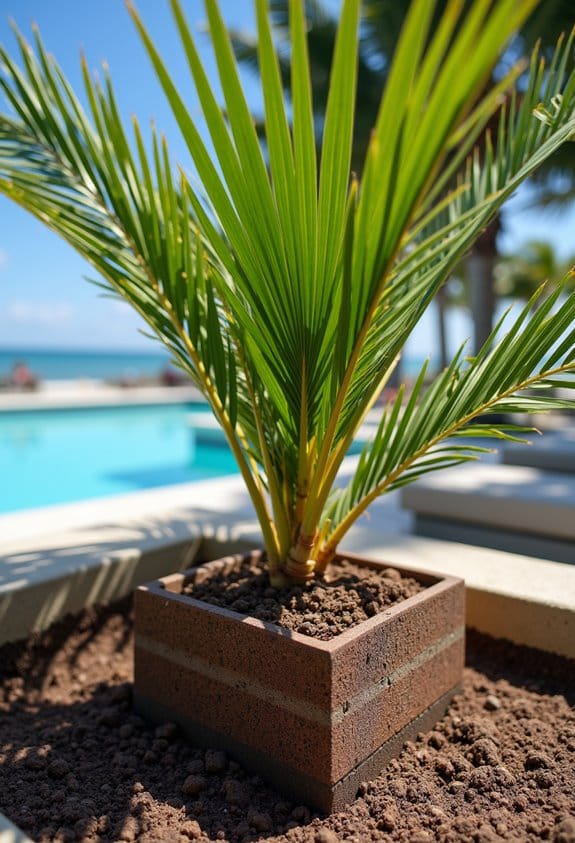
Raised beds for palms in coastal environments offer multiple advantages, including improved drainage that prevents root waterlogging during frequent floods common in USDA zones 8-11. Elevated approximately 12-18 inches above ground level, raised beds greatly reduce saltwater intrusion, a key stressor in coastal soils. The incorporation of a well-draining soil mix—typically 50% sandy loam blended with organic compost—ensures ideal moisture retention and nutrient availability tailored to native plants and palms. Proper plant selection is crucial; palms adapted to saline and wind exposure thrive best when their roots are protected in raised beds. These beds create a stable microclimate, sheltering roots from saturated conditions and promoting healthier growth by mitigating damage from high tides and storm surges common in coastal environments between 60°F and 85°F. Utilizing UV-resistant materials in palm cultivation can also enhance the plant’s durability under strong sunlight typical of coastal regions.
Recommended Products

MATERIAL: Performance cotton-polyester blend canvas, using BCI cotton and recycled pet bottle poly fiber

15.7x7.5x7.4 FT Hobby Greenhouse & Sunroom: Recommended foundation size: 17x8.5 FT. 6mm Twin-wall translucent PC panels(UV Protection 99.99%)
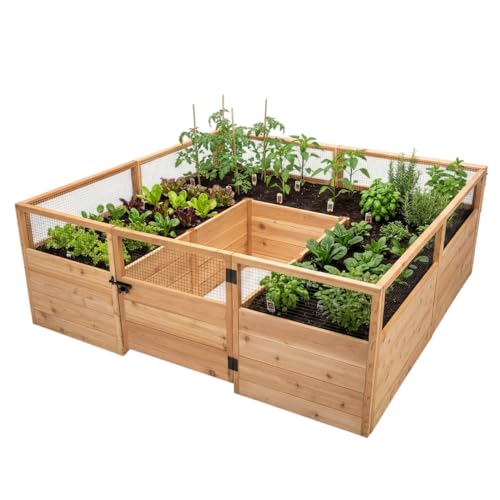
Exterior dimensions: 92W x 95D x 33.5H in.
Choosing Durable Materials for Coastal Raised Beds
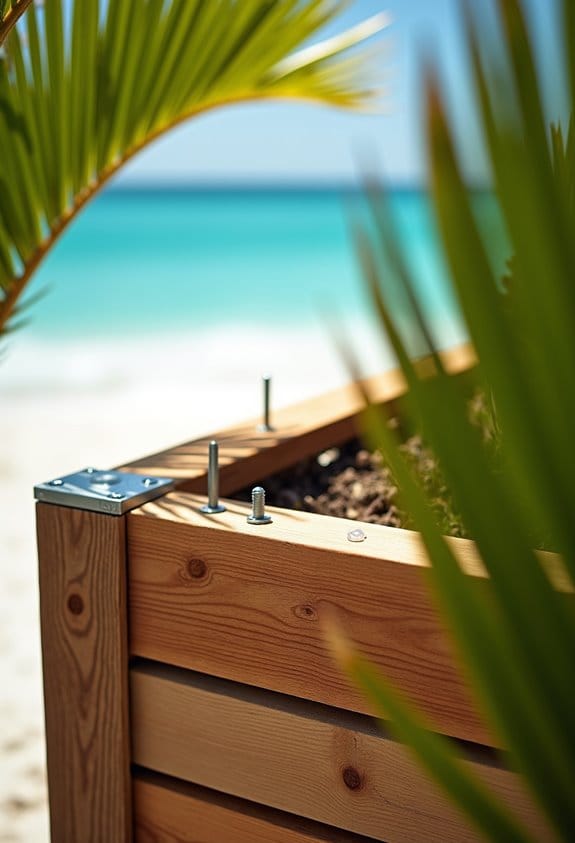
Durability remains an essential factor when selecting materials for coastal raised beds, as exposure to saltwater, high winds, and humid temperatures ranging from 60°F to 85°F demands resilient construction. Durable materials like cedar and teak provide excellent moisture resistance and naturally withstand wood exposure in saltwater environments, preventing decay. Galvanized metal, known for its corrosion resistance, also serves as a robust alternative for coastal raised beds, maintaining structural integrity in corrosive conditions. Treated wood designed specifically for saltwater environments enhances longevity by resisting moisture infiltration. Selecting materials that combine moisture resistance and corrosion resistance guarantees raised beds endure flood-prone coastal conditions while supporting palm root systems properly. Ultimately, choosing these durable materials builds foundations capable of withstanding coastal elements, aiding healthy palm growth in challenging seaside landscapes. Additionally, materials that incorporate UV resistance technology help maintain their appearance and structural integrity when exposed to intense sunlight over time.
Recommended Products
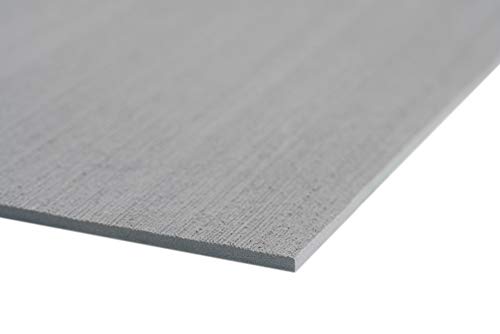
SeaDek 40" x 80" Sheet - Storm Gray Brushed [23875-80051]

Fasten on the edge of the deck board to provide a clean, professional, deck top

Acacia Wood Tiles: Crafted from 100% natural acacia wood with a durable PPC base, each tile features dual-layer waterproof oil coating and smooth, safe surfaces for outdoor elegance. Wooden tiles are FSC-certified for lasting performance.
Optimal Soil Mix for Raised Beds in Flood-Prone Areas
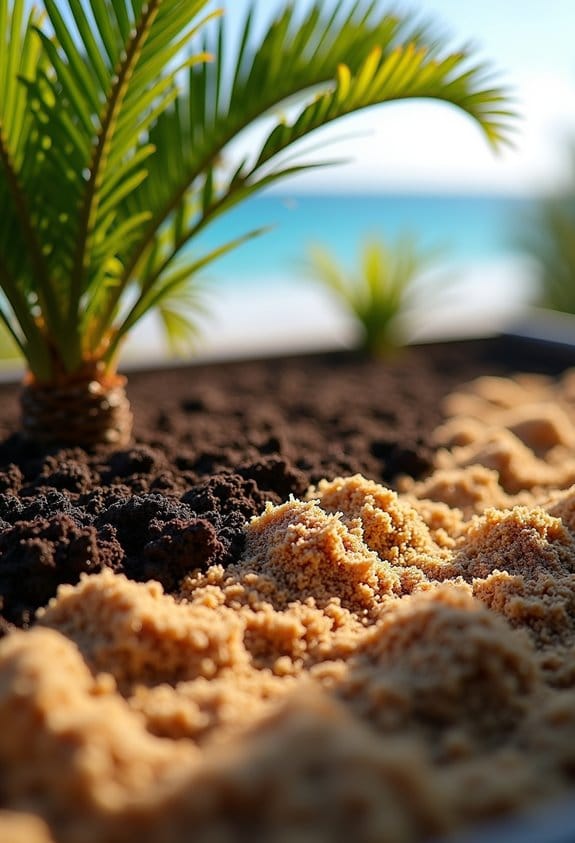
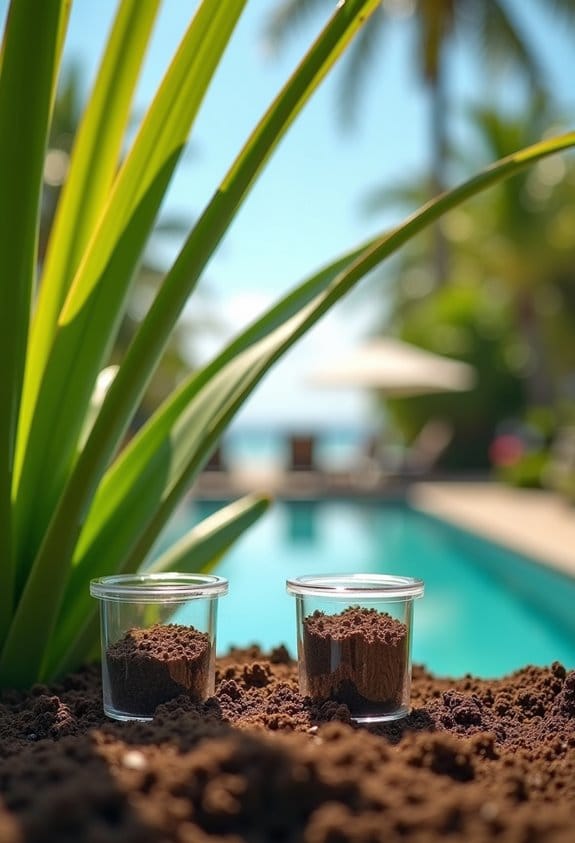
Constructing a resilient soil base is essential when establishing beds in flood-prone coastal zones with humidity levels consistently near 70% and occasional saltwater surges. The ideal soil mix combines quality topsoil, well-decomposed compost, and coconut coir to improve soil structure and moisture retention. Adding gravel or perlite enhances aeration, helping drain water efficiently and preventing root suffocation from excess water. This balanced soil composition retains enough moisture for palms while flushing out harmful salts common in coastal flooding. Incorporating organic matter such as shredded bark mulch supports temperature regulation and limits salt intrusion during flood events. Regular soil testing is advised to monitor salinity and nutrient levels, guiding precise amendments to sustain healthy palm growth in raised beds under challenging coastal conditions. Additionally, using materials with UV resistance can help protect the bed’s structure and enhance durability in harsh outdoor environments.
Recommended Products
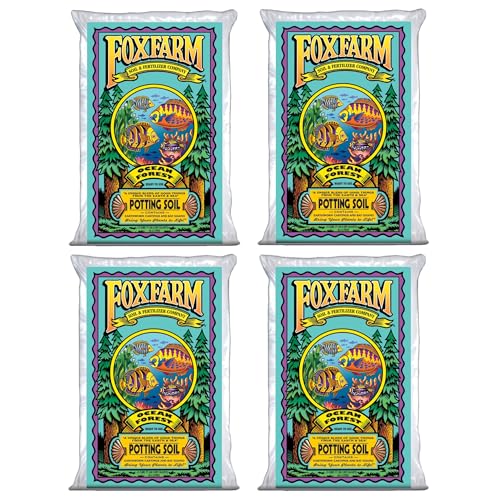
You will receive (4) 1.5-cubic foot bags of potting soil per purchase.

🌱 BULK 6-PACK FOR LARGE-SCALE GROWING – Six blocks yield approx. 90 gallons of loose growing media

Foxfarm most popular potting soil, Ocean Forest is a powerhouse blend of aged Forest products, sphagnum peat Moss, earthworm castings, bat guano, fish emulsion, and crab meal.
Designing Raised Beds to Enhance Drainage and Root Health
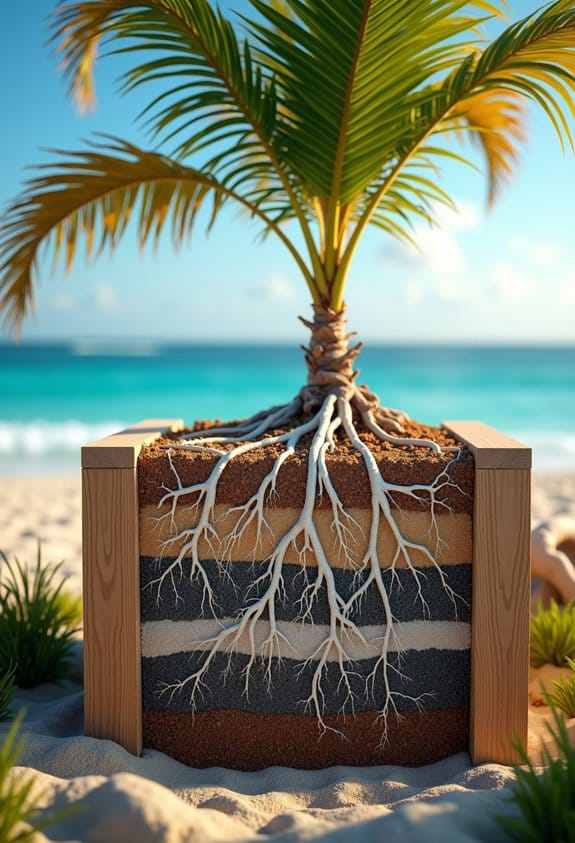
When designing beds to support palm root health in coastal flood zones, a depth of 12 to 18 inches is essential for balancing root expansion with effective water drainage. Raised beds should incorporate retaining walls made from saltwater-treated wood or galvanized metal to withstand coastal climate challenges. Proper drainage is vital; elevating beds slightly above surrounding soil and including channels encourages water to move away from root zones, preventing waterlogging. The chosen soil conditions must blend quality topsoil, compost, and coconut coir to hold moisture while allowing excess water to escape efficiently. This balance promotes root aeration, significant in saturated environments. Strategic design of raised beds focusing on drainage and robust retaining walls supports palm vigor, ensuring roots remain healthy despite frequent exposure to water in flood-prone coastal landscapes. Additionally, selecting palm varieties with UV-resistant foliage ensures they maintain their health and vibrant appearance even under harsh environmental conditions.
Recommended Products
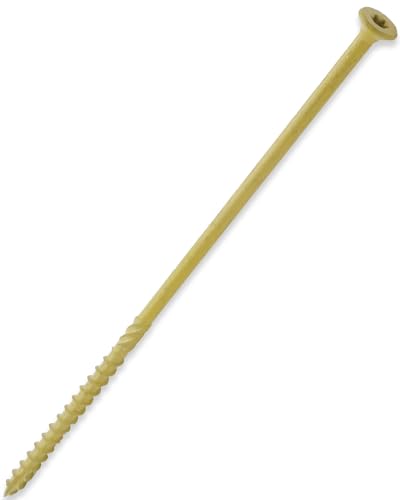
THE ULTIMATE LAG BOLT REPLACEMENT: Forget about wrenches, ratchets, and pre-drilling pilot holes. Our engineered self-tapping thread design cuts through thick pressure-treated lumber (4x4, 6x6) like butter, saving you 50% of installation time compared to traditional hex lag bolts.

Create picturesque, realistic habitat for crabs --- Hermit Crabs are uncomplicated pets to take care of. However, their well-being should not be taken for granted. The 3-piece Cholla Woods by SunGrow is the raw dried husk of the Cholla cactus. It has a soft texture and porous structure that allows you to create an original crabitat ambiance needed by your pets.
Selecting Salt-Tolerant Palm Varieties for Raised Beds
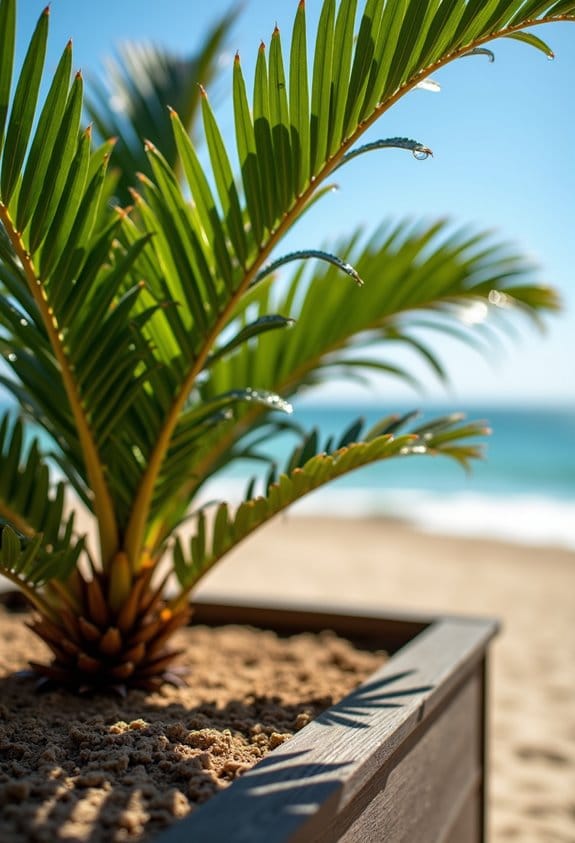
Several palm species are particularly well adapted for raised beds in saline, flood-prone coastal environments, combining salt tolerance and structural resilience. Salt-tolerant palm varieties such as Sabal palm (Sabal palmetto) thrive in coastal areas with occasional flooding, demonstrating strong root systems and good drainage compatibility. Coconut palm (Cocos nucifera) suits sandy, salt-rich soils, adding aesthetic appeal and edible coconuts. Pindo palm (Butia capitata) handles salt spray and cold temperatures, making it ideal for exposed raised beds up to USDA Zone 8b. Windmill palm (Trachycarpus fortunei) tolerates wet, salty conditions, enhancing landscape design with tropical flair. Incorporating a diverse mix of these palms in raised beds improves overall resilience, drainage efficiency, and visual interest, offering reliable performance in challenging coastal soil and salt exposure conditions. Selecting palms with weather resistance ratings like IP65 can further ensure their durability and longevity in harsh coastal environments.
Maintenance Practices to Protect Palms From Flood Damage
Effective maintenance plays an essential role in safeguarding palms from flood damage, especially in raised beds situated in coastal zones exposed to periodic inundation. Regularly inspecting the palm’s root zone for waterlogged soil helps prevent root rot, which often develops in saturated conditions. Raised beds should be at least 18 inches high and equipped with proper drainage to channel water away efficiently during heavy rainfall. Organic mulch around the palms improves soil moisture retention and enhances drainage, reducing suffocation risk. Ongoing maintenance includes applying slow-release fertilizers to replace nutrients lost during flooding. Additionally, maintaining drainage systems around raised beds is vital to avoid water pooling near roots. These practices collectively enhance the resilience of palms in flood-prone coastal areas, ensuring long-term health and vigor despite challenging environmental conditions. Using UV-resistant materials for nearby artificial palm decorations can complement natural palms by providing durable, low-maintenance greenery in coastal environments.
Recommended Products
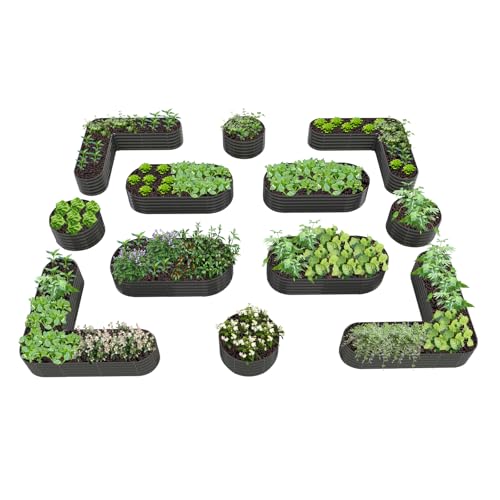
12-PIECE BACKYARD GARDEN SYSTEM – 4 oval, 4 heart, 4 round beds; all 18" deep in matching quartz grey; modular setup for fence lines, patio borders and focal points; one coordinated kit organizes your whole backyard farm garden; galvanized raised garden beds outdoor system for vegetables and flowers


Heavy-Duty Woven Ground Cover: Woven polypropylene fabric helps block weed growth while allowing air, water, and nutrients to move through, supporting long-term soil and plant health
Additional Strategies for Flood-Resilient Coastal Landscaping
Although raised beds provide important protection against flood damage, additional landscaping techniques can greatly improve palm resilience in coastal environments vulnerable to heavy rainfall and saltwater exposure. Incorporating raised garden features such as swales and berms directs excess water away, promoting better drainage and preventing root rot. Adding organic matter and mulch enhances soil structure, retains moisture, and reduces salt spray impact. Selecting salt-tolerant palms like Sabal palmetto supports survival in saline conditions combined with high winds typical of coastal zones. Elevating beds 12 to 18 inches further improves drainage and safeguards roots during storms. Including root vegetables alongside palms can optimize space and soil health. Rainwater catchment systems also regulate hydration, ensuring palms do not suffer from waterlogging while maintaining resilience against flooding in flood-prone coastal areas. Additionally, using UV-resistant fronds in artificial palms can complement natural landscaping by providing durable greenery that withstands intense sunlight typical in coastal zones.
Frequently Asked Questions
How to Keep a Raised Garden Bed From Flooding?
Effective drainage solutions and elevated foundations prevent flooding in raised beds. Ideal soil composition reduces water retention. Thoughtful plant selection enhances absorption, while ongoing maintenance tips include aeration and debris removal to sustain healthy drainage and soil balance.
What Is the 70 30 Rule in Gardening?
The 70/30 rule in gardening dedicates 70% to native plants, optimizing soil composition and drainage solutions, while 30% allows diverse plant selection. This balance enhances bed elevation, water management, and root protection for sustainable growth.
What Is the Best Landscape for Flood Prone Areas?
The best landscape for flood-prone areas incorporates native species and flood-resistant plants, combined with elevation techniques and effective drainage solutions. Soil amendment improves stability, while thoughtful landscape design enhances water management and erosion control.
What Wood Should Not Be Used in a Raised Garden Bed?
Like a brittle shell, untreated wood and pressure treated lumber should be avoided in raised beds due to wood durability issues. Toxic materials risk soil health, while rot resistant options balance longevity with minimal environmental impact in garden construction.