As an Amazon Associate, we earn from qualifying purchases. Some links on this site are affiliate links at no extra cost to you. Our recommendations are based on thorough research and editorial judgment.

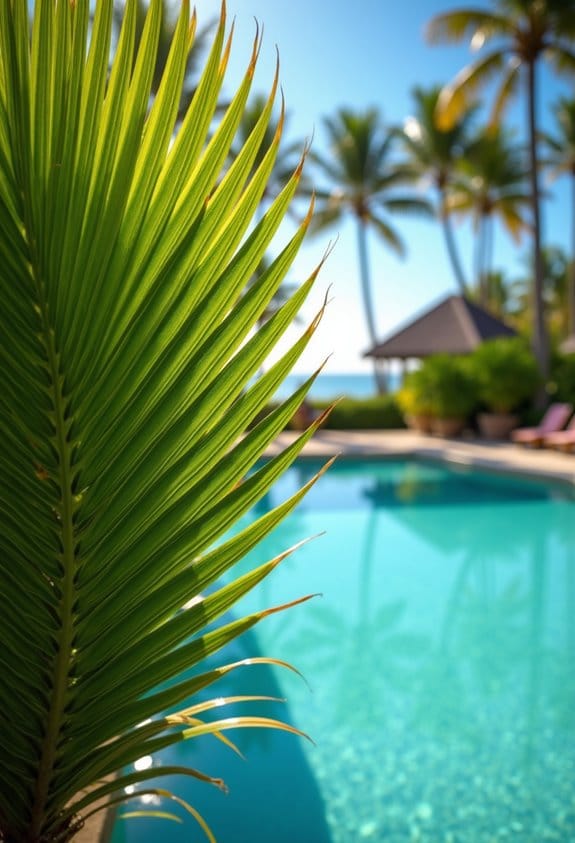
Rare and Exotic Palm Species Worth Considering

Rare and exotic palms like the Bismarck Palm reach 40-60 feet with silver-blue fan fronds up to 10 feet wide, thriving in USDA Zones 10-11. The Licuala Palm offers a compact 10-20 feet height with glossy fronds suited for partial shade. Travelers Palm, not a true palm, grows 30-50 feet tall with dramatic leaves. Cold-hardy options like Needle Palm withstand zones 7-10. These selections suit diverse climates and design needs, with additional insights available for informed cultivation choices.
Key Takeaways
- Bismarck Palm boasts magnificent silver-blue fan-shaped fronds up to 10 feet wide, thriving in full sun and drought conditions.
- Licuala Palm offers elegant, glossy fan-shaped leaves, grows 10-20 feet tall, and thrives in warm, humid, partially shaded environments.
- Travelers Palm presents dramatic, bird-wing-like fan leaves, reaches 30-50 feet tall, and prefers well-drained soil with sun to partial shade.
- Kentia Palm is ideal for indoor use, tolerates low light, and features long, arching fronds offering refined elegance and low maintenance.
- Lipstick Palm features a vivid red crown shaft, thrives in tropical climates, and requires moist, well-drained soil with frost protection.
Stunning Traits of the Bismarck Palm
The Bismarck Palm (Bismarckia nobilis) stands out with its magnificent silver-blue leaves, each fan-shaped frond reaching up to 10 feet (3 meters) wide, creating a bold visual impact in gardens. This palm’s striking, large foliage makes it a prized specimen in tropical paradise landscapes. Growing between 40 and 60 feet (12 to 18 meters) tall, its stout trunk expands 2 to 3 feet (0.6 to 0.9 meters) in diameter, contributing to its impressive stature. Native to Madagascar, the Bismarck Palm thrives under full sun in well-drained soil, ideal for USDA Zones 10-11. Noted for drought tolerance and short frost endurance, it is a slow-growing yet resilient option among rare palms, rewarding gardeners with its majestic presence over many years. For outdoor settings, considering palms with UV-resistant materials ensures longevity and vibrant color even under harsh sunlight.
Recommended Products

🌴This 10 feet majestic artificial phoenix palm tree features large, vivid palm fronds filled with countless arching feather-like leaves with realistic palm texture. It looks so natural and great! If you're aiming for a tropical paradise atmosphere, this is definitely the best choice. Your friends, partners, and relatives will be in awe as this extra tall palm tree awaits to dance in the warm tropical breezes


Instantly Lush & Lifelike Paradise: Enjoy the vibrant, full look of mature tropics year-round! Features a single realistic coconut trunks and abundant fronds with countless detailed leaves boasting authentic palm texture. Arrives ready to shape for a perfectly natural silhouette.
The Elegant Fan-Shaped Fronds of Licuala Palm
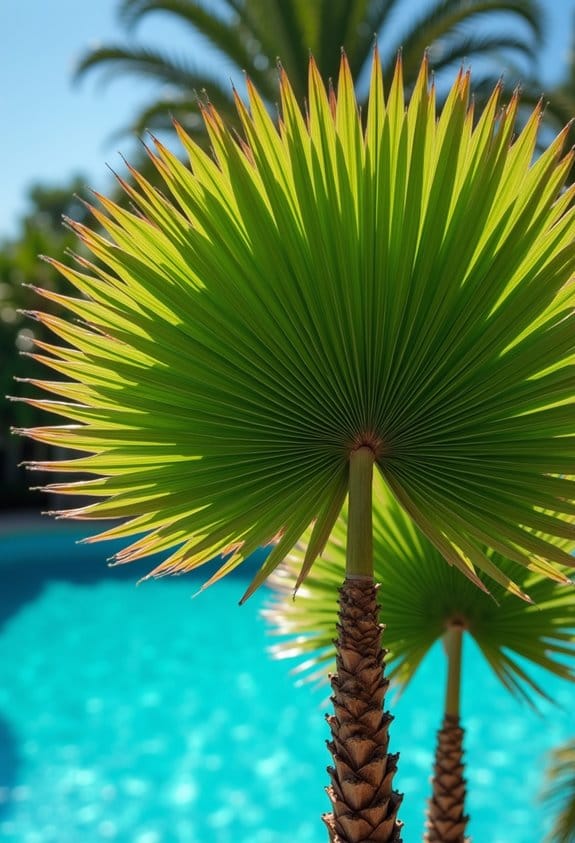
Although less towering than some palms, the Licuala Palm (Licuala grandis) captivates with its glossy, fan-shaped fronds spanning up to 3 feet (90 cm) wide, offering a compact yet lush presence. Native to tropical rainforests in the South Pacific, including Vanuatu and the Solomon Islands, this palm thrives in warm, humid environments. It prefers partial shade, making it ideal for understory planting or indoor locations with indirect sunlight. Typically growing between 10 to 20 feet (3 to 6 meters) tall, the Licuala Palm suits both residential landscapes and limited spaces. Its dense, fan-shaped fronds create a striking visual backdrop, enhancing tropical garden aesthetics. This palm’s combination of manageable height and ornamental foliage provides an elegant, exotic appeal while requiring moderate light and humidity conditions. When selecting palm species for outdoor spaces, it is important to consider their UV resistance to ensure long-lasting vibrancy and durability.
Dramatic Presence of the Travelers Palm
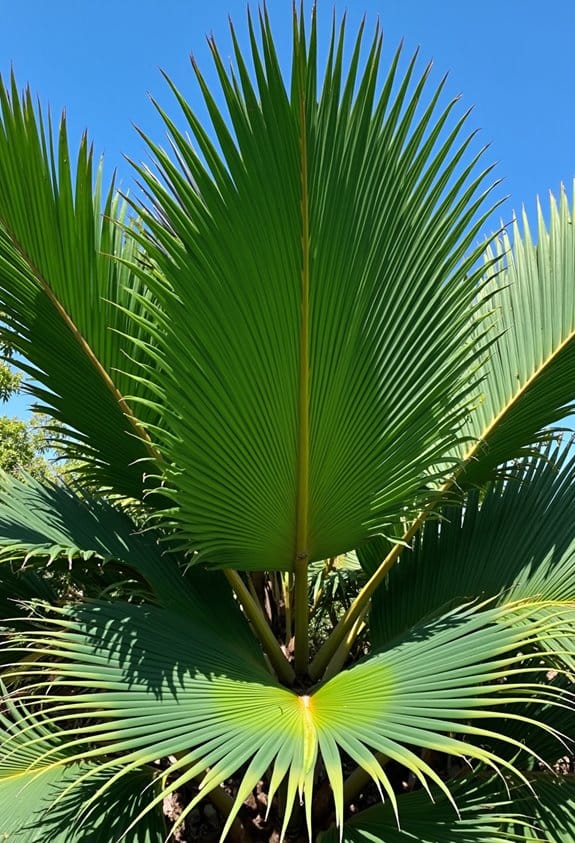
Standing out with towering heights of 30 to 50 feet (9 to 15 meters), the Travelers Palm (Ravenala madagascariensis) offers a dramatic architectural presence unlike more modest palms such as the Licuala Palm. Native to Madagascar, this species is not a true palm but belongs to the Strelitziaceae family, renowned for its striking leaf arrangement. Its fan-shaped leaves, reaching up to 10 feet (3 meters) long, are arranged to resemble outstretched bird wings. Well-suited for tropical climates, it thrives in USDA Zones 10-11 under full sun to partial shade and requires well-draining soil. This species is not frost-tolerant and needs protection in colder areas to maintain its dramatic presence outdoors, making it a standout choice for lush, tropical landscapes. For garden enthusiasts seeking a vibrant focal point, incorporating an all-weather palm tree with UV-resistant materials can ensure year-round durability and visual appeal.
Recommended Products

EASY ASSEMBLY: Simply attach and shape the detachable fronds for a lifelike 12ft. artificial travelers palm tree in minutes.

Realistic Artificial Travelers Palm Tree: Bring the beauty of nature indoors with this lifelike 7-foot tall faux potted palm tree, perfect for any home or office.

Top-tier Realism & Size: Standing 8FT tall with 4074 lifelike leaves and 184 realistic fruits, this artificial olive tree brings richness and elegance to any space. Comes with a 15 inch white planter, sleek and stylish, blends seamlessly into any styles. A premium choice for anyone seeking tall faux trees for beautiful indoor decor
Indoor Grace: The Kentia Palm Experience
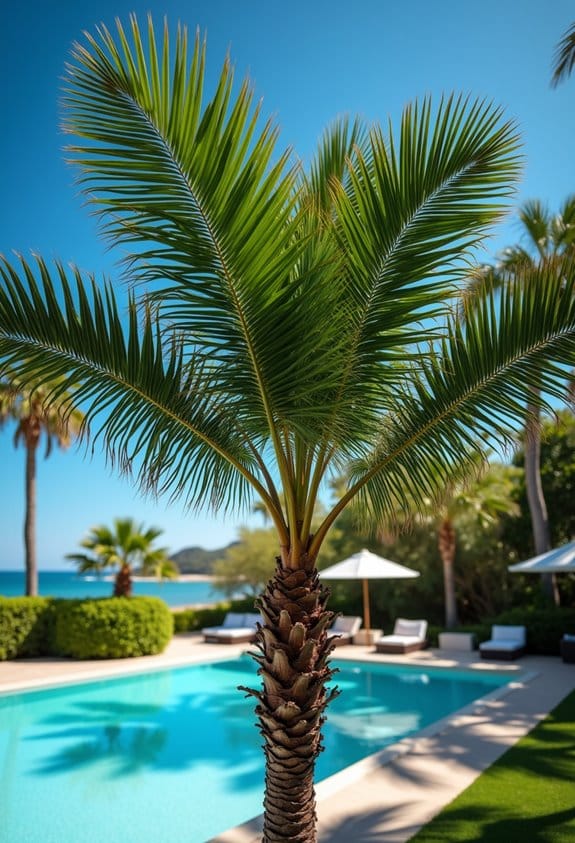
When seeking an indoor palm that combines refined elegance with adaptability, the Kentia Palm (Howea forsteriana) provides arching fronds that can reach up to 10 feet tall, creating a graceful, tropical ambiance. This palm thrives in bright indirect light but tolerates lower light levels, making it ideal for various indoor environments. The Kentia Palm prefers humid conditions, benefiting from routine misting or a humidity tray to maintain its vibrant foliage. Watering should occur only when the soil’s top inch is dry, ensuring healthy growth without overwatering risks. Hardy in USDA Zones 9-11, it lacks frost tolerance, making warm indoor climates or protected spots essential. Its low-maintenance nature and stately appearance make the Kentia Palm a standout choice for indoor greenery enthusiasts. Just as Majesty Palms require filtered sunlight to thrive, the Kentia Palm similarly benefits from indirect light exposure for optimal health.
Recommended Products

🌴This 8.5 feet majestic triple tropical golden cane palm artificial tree has 30 large vivid fronds filled with countless arching feather-like leaves with realistic palm texture, three lifelike bamboo trunks are very strong, it looks so lush and great, it will create a tropical paradise atmosphere for you and those around you, now this extra tall triple cane palm tree is waiting to dance in the warm tropical breezes

🌴This 7 feet majestic artificial phoenix palm tree has 12 large vivid palm fronds filled with countless arching feather-like leaves with realistic palm texture, it looks so natural and great, If you are looking for a tropical paradise atmosphere, this is definitely a best choice, your friends, partners and relatives will be in awe, this extra tall palm tree is waiting to dance in the warm tropical breezes
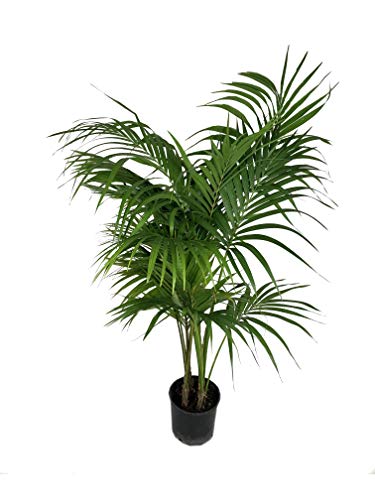
The Kentia Palm is known for its lush fans of foliage and tropical island vibes. An excellent air purifier, this popular houseplant is a slow grower which blossoms new fronds from the center of its narrow trunk.
Unique Coloring in the Lipstick Palm
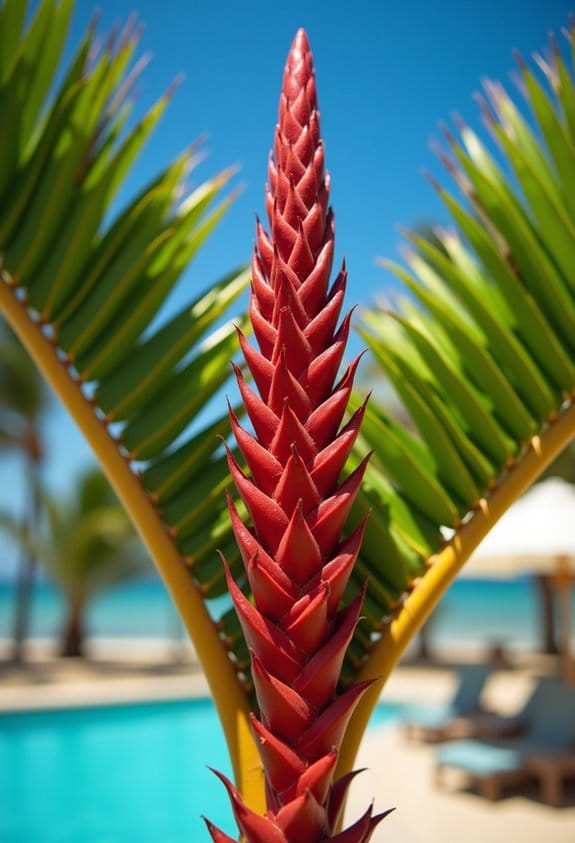
The Lipstick Palm (Cyrtostachys renda) features a vivid red crown shaft that distinguishes it from most palm species, providing a striking focal point in gardens and indoor spaces. This vibrant red hue serves as a unique visual element, sharply contrasting with the glossy green fronds that extend from the palm. Typically reaching heights between 30 and 50 feet, the Lipstick Palm thrives in tropical climates with temperatures consistently above 32°F (0°C). It prefers well-drained soil that remains moist, ensuring ideal health. Its exotic trunk coloration enhances landscapes by offering vivid color differences, making this palm a popular choice for collectors focusing on rare palms. However, due to its cold sensitivity, it requires temperature protection in cooler zones to maintain its distinct aesthetic. For those seeking alternatives, artificial palm trees provide durable, low-maintenance options that retain realistic appearance all year round.
Distinct Growth Patterns of the Bottle Palm
One of the most notable features of the Bottle Palm (Hyophorbe lagenicaulis) is its swollen, bottle-shaped trunk, which can reach heights of 12 to 15 feet (3.7 to 4.6 meters) while spreading 6 to 8 feet (180 to 240 cm) wide. This distinct growth pattern allows the Bottle Palm to store water efficiently, contributing to its impressive drought resistance, an advantageous trait in warm, dry climates. The palm’s compact size suits smaller landscapes, combining both vertical height and moderate width without overwhelming space. Its delicate, feathery fronds contrast with the thick trunk, creating an elegant silhouette. Although hardy down to 32°F (0°C), it remains sensitive to colder conditions, limiting its range to warmer zones. Overall, the Bottle Palm’s unique trunk structure and resilient growth form make it an excellent choice for both aesthetic and practical landscaping needs. For coastal gardens, choosing palms with weather resistance ratings like IP65 can help ensure durability against moisture and salt exposure.
Silvery-Blue Appeal of the Blue Latan Palm
A distinctive silvery-blue coloration distinguishes the leaves of the Blue Latan Palm (Latania loddigesii), contributing to its unique landscape presence. This palm’s striking silvery-blue leaves create a unique visual appeal, making it a prized choice for tropical gardens seeking an eye-catching focal point. Growing typically between 20 and 25 feet tall, with a spread of 10 to 15 feet, the Blue Latan suits medium-sized planting areas. Its slow growth rate enhances its rarity and desirability among collectors. Thriving in warm climates above 32°F (0°C), it tolerates partial shade, providing versatility in garden design. The fan-like fronds emphasize its distinctive color, enriching the diversity and aesthetic quality of any tropical or subtropical garden setting. When selecting palms for such environments, it is important to consider their durability and weather resistance to ensure they can withstand coastal conditions.
Cold Hardiness and Longevity in Needle Palm
In regions where frigid temperatures challenge tropical plant survival, Needle Palm (Rhapidophyllum hystrix) stands out with remarkable cold tolerance, enduring lows down to 5°F (-15°C). This exceptional cold hardiness makes it the hardiest palm species recommended for USDA Zones 7 through 10. Its clumping growth habit reaches 6 to 10 feet tall with a 5 to 10-foot spread, providing durable landscape coverage. Beyond cold hardiness, Needle Palm exhibits impressive longevity, often thriving for decades with minimal care. Its large, palmate leaves, up to 3 feet long, maintain a tropical aesthetic despite harsh winters. Suitable for gardeners seeking resilient, low-maintenance palms, this species combines sustained survival with striking size, elevating its value in diverse climates where cold tolerance and lifespan are vital. For those seeking a low-maintenance option with lasting appeal, artificial palm trees can provide year-round tropical vibes without the challenges of seasonal care.
The Three-Ranked Crown of Triangle Palm
The distinctive three-ranked leaf arrangement of the Triangle Palm (Dypsis decaryi) creates a sharply geometric crown, setting it apart in palm identification. This rare palm’s feathery fronds emerge in three neat vertical rows, producing a triangular silhouette unique among palms. Typically, the Triangle Palm grows 25 to 30 feet tall with a solitary trunk around 10 inches in diameter, supporting vibrant green, arching leaves. Its palm needs include full sun exposure and well-draining soil to maintain healthy growth. The species tolerates light frost down to approximately 30°F (-1°C), making it an excellent choice for subtropical landscapes. With a spread of 12 to 15 feet, the Triangle Palm offers dramatic architectural appeal while requiring moderate care suited to its environment. For indoor or low-maintenance settings, faux coconut palm trees can provide a realistic alternative with adjustable leaves and minimal care required.
Selecting Rare Palms for Climate Diversity
Understanding the unique leaf structure of palms like the Triangle Palm highlights the importance of matching rare species to appropriate climates for sustainable growth. Selecting rare palms requires identifying the climate zones where these palm trees grow and thrive, such as USDA Zones 10-12 for the Coconut Palm or cooler areas suited to the Trachycarpus fortunei, which endures temperatures as low as 5°F (-15°C). For example, Jubaea chilensis tolerates chillier climates, expanding options beyond tropical zones. Additionally, species like Lodoicea maldivica demand specific soil, humidity, and light conditions matching their native environments. When choosing, consider growth rates and space needs, as some palms, like Licuala grandis, grow slowly but offer unique foliage. Informed climate diversity selection guarantees rare palms not only survive but flourish within varied ecological settings. Artificial sago palms, with their UV resistance and durable construction, serve as excellent alternatives or complements in climates where real palms may struggle to thrive.
Recommended Products
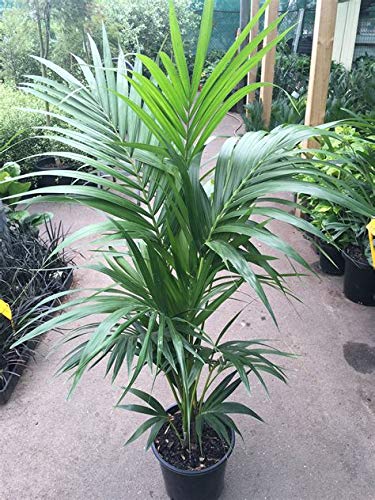
9Ezytropical - Kentia Palm

Meticulous Design & Good Quality: Unlike other general fake plants, It upgrades the nice and stable pot, even without replacing another pot. They are of the good quality in terms of color, texture and material. It has a more realistic look and touch.
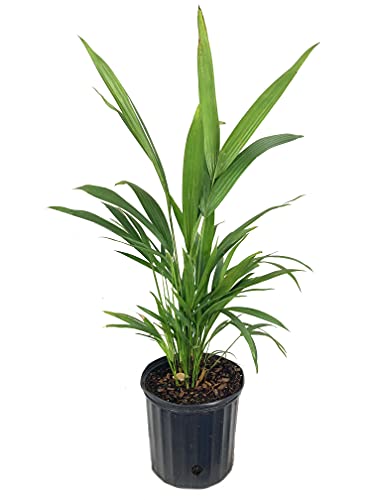
Lipstick palm is a tropical plant that requires tropical growing conditions. It is winter hardy to USDA Zones 11-12 where it best grows in evenly moist, well-drained soils with dappled sun. Mature plants tolerate full sun.
Frequently Asked Questions
How Do Rare Palms Affect Local Wildlife and Ecosystems?
Rare palms can earthquake ecosystem balance, drastically reshaping wildlife habitat. Their biodiversity impact may either enrich or, if invasive species dominate, devastate local systems, illustrating nature’s fragile interplay between introduction and disruption in precise ecological harmony.
What Are Common Pests or Diseases in Exotic Palm Species?
Common pests in exotic palms include palm weevils and scale insects. Effective pest identification methods guide chemical control options, while disease prevention strategies emphasize regular monitoring, sanitation, and integrated management to reduce infestations and promote palm health.
Are Rare Palms Difficult to Propagate at Home?
Rare palms often pose propagation challenges due to specific climate requirements and low seed viability. Successful propagation methods must address these growth challenges, making home cultivation difficult but feasible with careful environmental control and patience.
What Soil Conditions Best Support Exotic Palms?
Exotic palms thrive in well-draining soil with balanced moisture retention. Ideal soil pH ranges from slightly acidic to neutral. Nutrient composition should be rich in organic matter, ensuring adequate drainage requirements and consistent moisture without waterlogging.
How Often Should Rare Palms Be Fertilized?
Fertilization frequency mirrors a delicate dance, adjusting to palms’ nutrient requirements through growth stages and seasonal preferences. Typically, feeding occurs every six to eight weeks during active growth, tapering off in dormant periods for balanced development.