As an Amazon Associate, we earn from qualifying purchases. Some links on this site are affiliate links at no extra cost to you. Our recommendations are based on thorough research and editorial judgment.

Rainfall Patterns and Tropical Garden Irrigation Strategies

Tropical gardens often receive over 40 inches of rain annually, with monthly precipitation exceeding 8 inches during wet seasons, requiring strategic irrigation. Incorporating rainwater harvesting captures up to 1,500 gallons from 2 inches of rain on a 1,200 sq ft roof, enhancing soil moisture during dry spells. Drip irrigation delivers water efficiently to roots, reducing waste and erosion. Proper drainage, like raised beds or French drains, prevents waterlogging and nutrient loss. Explore these methods further to optimize your tropical garden’s health and resilience.
Key Takeaways
- Tropical areas often have over 40 inches of yearly rain, with wet and dry seasons impacting irrigation needs.
- Rainwater harvesting systems enhance garden irrigation by storing excess wet season rainfall for dry periods.
- Drip irrigation optimizes water use by delivering moisture directly to roots, minimizing evaporation and waste.
- Proper soil drainage, like raised beds and French drains, prevents waterlogging and nutrient loss in high rainfall zones.
- Integrating irrigation with rain shutoff devices and local weather data avoids overwatering during heavy tropical rains.
Understanding Tropical Rainfall Patterns
Although rainfall in tropical regions often exceeds 40 inches annually, it is usually distributed unevenly between distinct wet and dry seasons. Monthly precipitation can surpass 8 inches during wet months, causing rapid runoff and nutrient leaching, which challenges effective water management in gardens. Intense, short-lived rainfalls necessitate well-designed irrigation systems to maintain soil moisture and meet irrigation needs during dry spells. Proper drainage and rainwater harvesting help regulate moisture levels, prevent soil erosion, and conserve water. Understanding local rainfall patterns allows gardeners to schedule irrigation and planting to reduce diseases linked to excess moisture. Employing water conservation techniques, such as collecting rainwater, supports garden resilience in tropical climates where rainfall variability demands strategic irrigation management for sustainable plant growth and soil health maintenance. Incorporating UV-resistant artificial plants can help maintain garden aesthetics with low maintenance during varying moisture conditions.
Recommended Products

All parts and hole saw included for easy installation

Includes rain barrel and diverter

Removable Lid: Enjoy easy access for cleaning and maintenance, ensuring your rain barrel remains in top condition for efficient water collection. A removable lid also allows for flexibility in filling the barrel from various water sources.
Benefits of Rainwater Harvesting
When tropical gardens receive abundant rainfall, harvesting that water becomes a strategic advantage for irrigation throughout dry periods. Rainwater harvesting collects significant volumes; a 1,200 square foot roof can yield roughly 1,500 gallons from only 2 inches of rain. Stored in rain barrels, this water enhances irrigation, maintaining consistent soil moisture during dry spells. Utilizing naturally oxygenated rainwater also improves plant health and resilience, outperforming treated water sources. Effective water management through rainwater harvesting reduces soil erosion and drainage problems common in tropical environments, preserving local groundwater levels and the underlying water table. However, testing harvested water for contaminants before use, especially on edible plants, guarantees garden safety. This balanced approach supports sustainable tropical gardens that thrive regardless of fluctuating rainfall patterns or seasonal drought challenges. Additionally, incorporating weather-resistant plants like all-weather palm trees can complement irrigation efforts by reducing water demand and ensuring year-round greenery.
Recommended Products
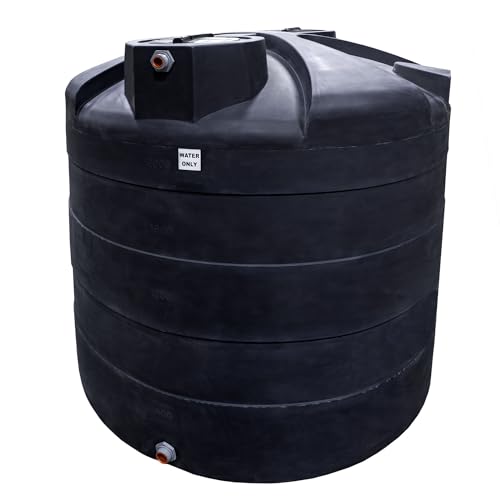
RELIABLE LONG-LASTING VERTICAL WATER STORAGE: The Elkhart Plastics 2500 Gallon Water Container is designed for a wide range of applications; Vertical tanks are versatile for bulk water, well water storage, rainwater collection, and fire suppression
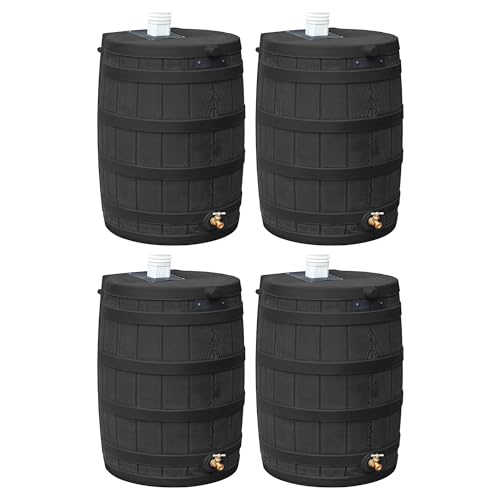
Rain Barrel: Add style and beauty to your outdoor space while helping the environment by conserving water with this set of 4 50-gallon rain barrel

Vintage Whiskey Barrel
Designing Efficient Irrigation Systems
Effective irrigation system design for tropical gardens depends on accurately evaluating local rainfall patterns, which often exceed 60 inches annually, chiefly during a four-month wet season. Systems must integrate drip irrigation techniques to deliver water precisely to roots, minimizing evaporation losses in areas of high humidity, while encouraging efficient irrigation practices. Incorporating rainwater harvesting captures excess runoff from roofs, reducing soil erosion and conserving groundwater. To avoid runoff, the use of rain shutoff devices linked to real-time weather data is essential, preventing wasteful overwatering during heavy rains. Regular system maintenance involves inspecting emitters for clogs and leaks and adjusting schedules seasonally based on updated forecasts. Combining these components optimizes water use, sustaining tropical gardens through fluctuating wet and dry cycles. Additionally, selecting landscape elements with UV-resistant materials can enhance the longevity and sustainability of garden installations in sun-exposed tropical climates.
Recommended Products

Standard 3/4" Garden Hose Thread Connections

High-Quality Material: Professional quality drip hose made by high quality, UV resistant materials, unmatched resistance to chemicals. Be a Gardening Master with the help of our superior and complete Drip Irrigation Kit: 1 x 100' Roll 1/2" Mainline Tubing + 1 x 100' Roll 1/4" Micro Tubing + 3 x 100' Rolls Soaker Dripline 12" Spacing + 40 x 1/4" Transfer Barbs - (4 x 10 packs) + 40 x 1/4" Elbow Fittings - (4 x 10 packs).

High-Quality Material: Professional quality drip hose made by high quality, UV resistant materials, unmatched resistance to chemicals. Be a Gardening Master with the help of our superior and complete Drip Tape Row Irrigation Kit: 2 x 100' Rolls Low-Flow Drip Tape + 1 x 50' Roll 1/2" Mainline Tubing + 1 x Home Garden Filter + 1 x 10 PSI Pressure Regulator + 1 x 1/2" Easy Loc Female Hose Beginning + 1 x 1/2" Easy Loc Coupler + 1 x 1/2" Figure 8 End.
Soil and Drainage Management in High-Rainfall Areas
Since tropical gardens receive over 60 inches of rainfall annually, managing soil and drainage becomes vital to prevent waterlogged conditions. Excess moisture in poorly drained soils, especially heavy clay types, increases root rot risk and accelerates nutrient leaching. Gardeners should observe runoff during storms to locate pooling or fast-flow areas. Installing raised beds, French drains, or drainage channels improves water movement and reduces standing water near roots. Contour planting and terracing on slopes slow water flow, minimizing soil erosion while preserving nutrient-rich soil layers. Regular soil testing is fundamental to track pH and nutrient levels, as heavy rainfall rapidly depletes essential nutrients. Effective soil and drainage management guarantees healthy root environments and sustainable nutrient retention, vital for tropical gardens facing frequent, intense rainfall and variable soil drainage capabilities. Using UV-resistant materials for outdoor garden structures can help maintain vibrant elements despite harsh weather conditions.
Selecting Suitable Crops for Wet Climates
Although tropical gardens often receive more than 60 inches of annual rainfall, selecting crops that tolerate saturated soils and humidity is crucial for success. Root and tuber crops like cassava, yams, and sweet potatoes adapt well to wet soils, providing reliable carbohydrates. Disease-resistant maize varieties bred for humid zones offer higher yields. Bananas and plantains thrive with proper drainage to prevent waterlogging. Leafy greens and fruiting vegetables, such as okra and tomatoes, perform well when staggered planting reduces fungal diseases during the rainy season. Utilizing rain barrels guarantees storage and controls the right amount of moisture, minimizing water waste. Prioritizing native plants further enhances garden resilience. Modern irrigation systems offer precise water delivery, adjusting moisture levels efficiently while counteracting excessive rainfall effects. Incorporating UV-resistant materials in garden structures can help ensure durability against harsh weather conditions.
Recommended Products

50-gallon Rain Saver: Includes 2 substantial 50-gallon rain barrels to ensure a backup water supply for your home using the faux slate rain barrels to collect rainwater from the gutter; Unique slate rock texture adds flare to your rain harvesting

Generous Capacity: Ample collecting and storing space with a 50-gallon capacity rain barrel with a 4-inch planter top

50-gallon Rain Saver: Includes 2 substantial 50-gallon rain barrels to ensure a backup water supply for your home using the faux slate rain barrels to collect rainwater from the gutter; Unique slate rock texture adds flare to your rain harvesting
Pest and Disease Management in Humid Gardens
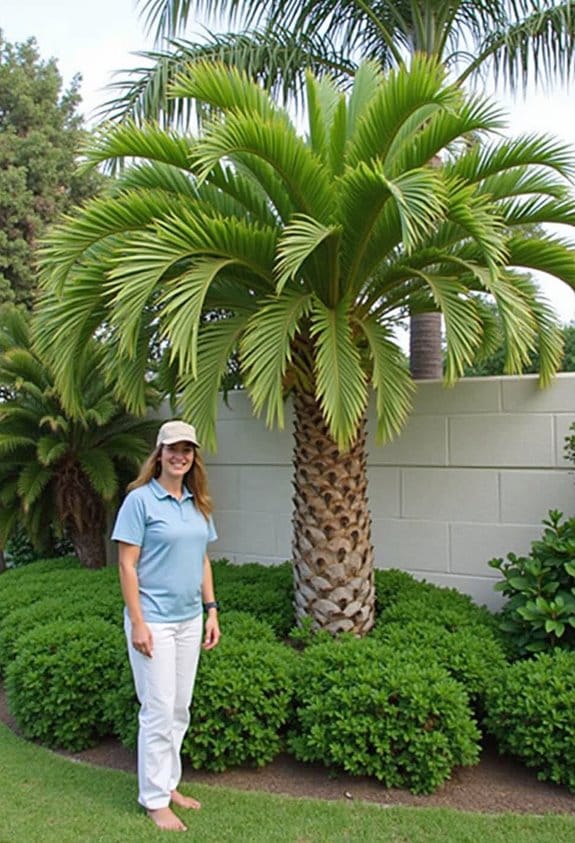
How can gardeners in tropical zones mitigate the persistent challenges posed by high humidity and frequent rainfall? Effective pest and disease management relies on integrated pest management (IPM), combining cultural, biological, and physical controls to prevent fungal blights and bacterial wilts. Regular monitoring of plants for early symptoms enables timely interventions using NEEM oil, a natural pesticide effective against several types of pests. Encouraging beneficial insects like ladybugs also reduces harmful populations naturally. Using row covers or traps maintains air circulation, helping reduce humidity around plants and consequently fungal growth. Water harvesting structures, placed strategically on 0.5-1 meter slopes, can reduce erosion while controlling surface runoff, indirectly lowering disease pressure. Together, these strategies enhance plant resilience in zones with 75–90% humidity and frequent 10–15 mm daily rainfall events. Incorporating maintenance-free artificial plants like fake sago palm trees can also help reduce pest habitat and improve garden aesthetics without adding to disease pressure.
Sustainable Practices for Water Conservation
Water conservation in tropical gardens relies heavily on collecting and managing abundant rainfall, which often exceeds 940 mm (37 inches) annually in regions like Asheville. Effective rainwater harvesting systems capture this precipitation, providing a sustainable water source for irrigation strategies that adapt to seasonal variations. Incorporating native plants reduces irrigation needs, as these species thrive naturally under local rainfall and soil conditions. Mulch layers play an essential role by retaining soil moisture, decreasing evaporation rates, and preventing erosion during heavy tropical downpours. Additionally, drip irrigation targets water delivery directly to roots, minimizing waste and further conserving water. Employing these sustainable practices guarantees efficient water use in tropical gardens, balancing environmental conditions with plant health while reducing reliance on municipal water supplies. Selecting weather-resistant landscaping materials further enhances the durability and sustainability of garden irrigation systems.
Recommended Products

All inclusive drip starter kit with everything needed to attach to an outside faucet and water up to 100-ft of vegetable rows

Standard 3/4" Garden Hose Thread Connections

Efficient Watering System: The Vego Garden Irrigation Kit ensures precise and efficient watering, delivering water directly to the roots of your plants, reducing water waste and promoting healthy growth.
Frequently Asked Questions
How Do Seasonal Wind Patterns Affect Tropical Rainfall Distribution?
Seasonal wind shifts cause 70% of tropical rainfall variability by directing tropical moisture transport toward coastlines. Monsoon influences, atmospheric pressure variations, orographic lifting, and coastline effects shape rainfall distribution, creating seasonal drought patterns across tropical regions.
What Are the Best Materials for Constructing Rainwater Collection Barrels?
Durable, non-toxic barrel materials like food-grade plastic or galvanized steel optimize collection efficiency and water quality. Proper installation techniques and regular maintenance tips guarantee longevity, while aesthetics and environmental impact influence material choice for rainwater barrels.
How Often Should Tropical Garden Irrigation Systems Be Inspected?
Like a vigilant gardener, the irrigation system requires inspection monthly to balance irrigation frequency and system maintenance. Seasonal adjustments informed by rain gauge usage guarantee drought effectiveness, ideal soil moisture, and promote sustained plant health in tropical gardens.
Can Tropical Garden Irrigation Strategies Be Adapted for Urban Settings?
Tropical garden irrigation strategies can be adapted for urban garden adaptation through irrigation technology integration, promoting efficient water usage alongside drought resistant plants. Incorporating green infrastructure benefits and community garden initiatives supports sustainable landscaping practices in urban environments.
What Are Common Myths About Watering Tropical Plants During Heavy Rain?
Like a double-edged sword, overwatering myths cloud understanding of tropical plant hydration. Despite rainwater benefits, soil saturation concerns arise. Misconceptions about plant health and timing of watering during heavy rain highlight flawed heavy rain strategies.