As an Amazon Associate, we earn from qualifying purchases. Some links on this site are affiliate links at no extra cost to you. Our recommendations are based on thorough research and editorial judgment.

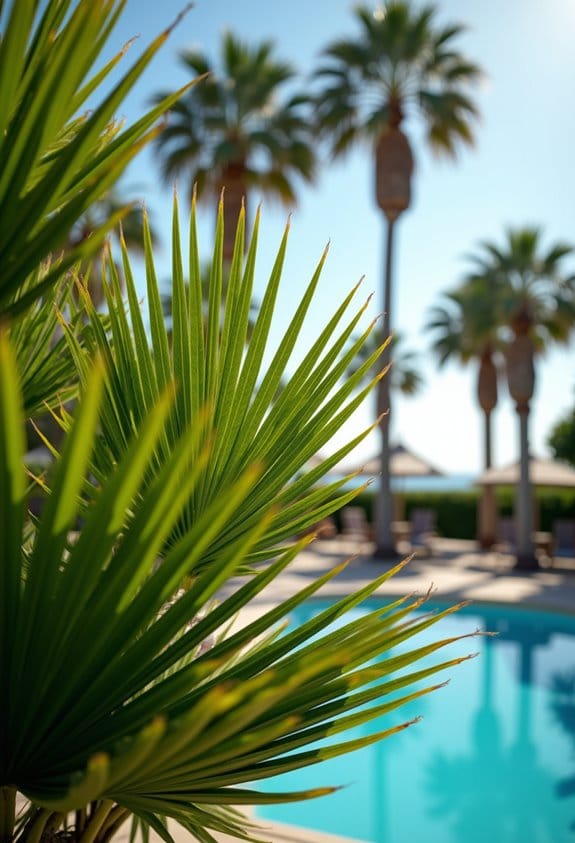
The Environmental Benefits of Palm Trees in Urban Areas

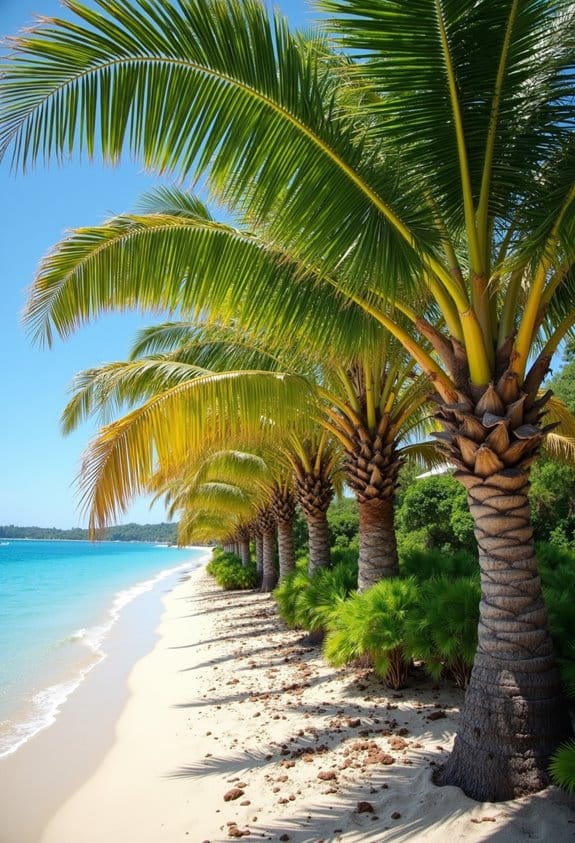
Palm trees improve urban air quality by capturing up to 50 pounds of carbon dioxide annually and filtering pollutants with their expansive fronds. Their large leaf surfaces reduce surface temperatures by 25-30%, lowering urban heat risks and cooling nearby buildings. These trees provide habitats for pollinators and wildlife, enhancing biodiversity. Proper planting, with 60-90 cm depth and 4-6 meter spacing, guarantees growth suited to arid climates. Discover how these benefits integrate into sustainable city planning and community health improvements.
Key Takeaways
- Palm trees improve urban air quality by filtering pollutants like nitrogen oxides and particulate matter through their large leaf surfaces.
- They sequester up to 50 pounds of carbon dioxide annually, aiding in carbon capture and reducing urban carbon footprints.
- Their broad fronds reduce surface temperatures by up to 30%, mitigating urban heat islands and lowering cooling energy demands.
- Palm trees support urban biodiversity by providing habitats and food for pollinators and wildlife species within green spaces.
- They enhance community health by offering oxygen, shade, and aesthetically pleasing spaces that encourage outdoor physical activity.
Importance of Air Quality in Urban Settings
Air quality is a critical environmental factor in urban settings, as densely populated cities often face elevated pollution levels. Urban environments confront various airborne pollutants, including nitrogen oxides, sulfur dioxide, and particulate matter, posing significant risks to respiratory and cardiovascular health. Carbon sequestration plays an essential role in mitigating these threats by capturing atmospheric carbon dioxide, thereby reducing greenhouse gas concentrations. Trees with large surface areas can enhance this process by trapping pollutants more effectively, directly improving air quality. Given that about seven million deaths annually are linked to air pollution worldwide, strategic urban planning must prioritize integrating natural elements that promote cleaner air. Maintaining and enhancing air quality in cities requires targeted approaches to manage pollutants and reduce associated health risks, ensuring sustainable urban living conditions for growing populations globally. Incorporating natural materials like eco-friendly coir in urban design elements, such as welcome mats, reflects a commitment to environmental sustainability that complements efforts to improve air quality.
Palm Trees as Natural Air Purifiers
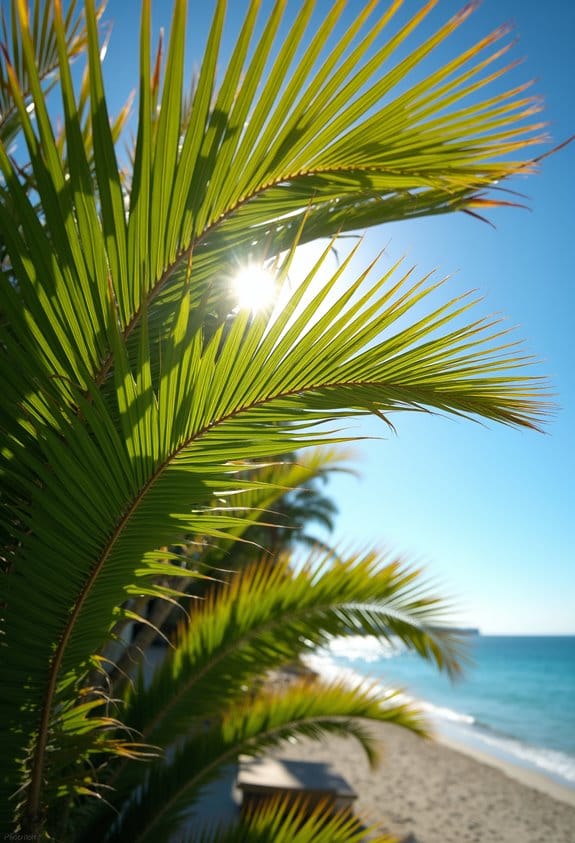
Palm trees serve as effective natural air purifiers due to their expansive leaf surfaces, which capture pollutants like nitrogen oxides, sulfur dioxide, and particulate matter. These broad leaves trap harmful airborne particles, considerably enhancing urban air quality by filtering contaminants commonly found in city environments. While palm trees sequester carbon dioxide—removing up to 50 pounds annually—they also convert harmful compounds into less damaging substances. This dual action helps reduce pollution in densely populated areas. Additionally, by releasing oxygen, palm trees improve breathable air for residents, fulfilling both cleansing and oxygenating roles. Utilizing palm trees as natural air purifiers in urban landscaping leverages their physical and biological traits, offering an efficient, sustainable approach to mitigating common urban pollutants without requiring complex technology. Their ability to thrive with minimal maintenance in various environments, including full sun, underscores the benefits of integrating UV resistant palms into urban spaces.
Recommended Products

HANDCRAFTED EXCELLENCE – Each Cosapots planter is meticulously handmade with high-quality fiberglass and resin by skilled artisans under the guidance of Belgian architects.

Features - Outdoor-ready UV-Proof materials. See details below
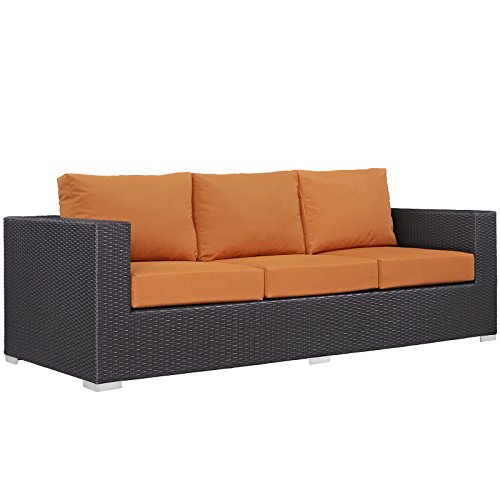
PATIO REFRESH - Update your backyard or porch with inviting outdoor furniture. Effortlessly accommodate the needs of your outdoor space with furniture that's great for both entertaining and relaxing
Carbon Sequestration Capabilities of Palm Trees
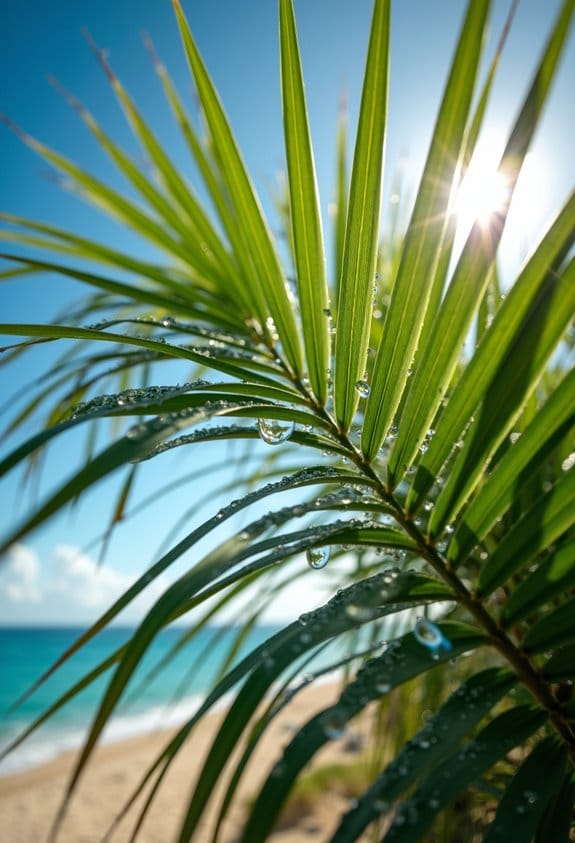
Although often admired for their aesthetic appeal, palm trees also play an essential role in carbon sequestration by absorbing up to 50 pounds of carbon dioxide annually. Palm trees contribute greatly to mitigating climate change through their rapid growth rates and large canopy sizes, which enhance their capacity to capture atmospheric carbon in urban landscapes. The biomass of these trees stores carbon effectively, lowering the total carbon footprint in city environments. Strategic planting of palm trees in urban areas capitalizes on their natural ability to act as carbon sinks, making them valuable assets in climate action plans. By integrating palms into green infrastructure, cities strengthen their environmental resilience, supporting ongoing efforts to reduce atmospheric carbon and promote sustainability. Additionally, choosing UV-resistant palm trees ensures longevity and consistent carbon sequestration performance in outdoor urban conditions.
Role of Palm Trees in Reducing Urban Heat
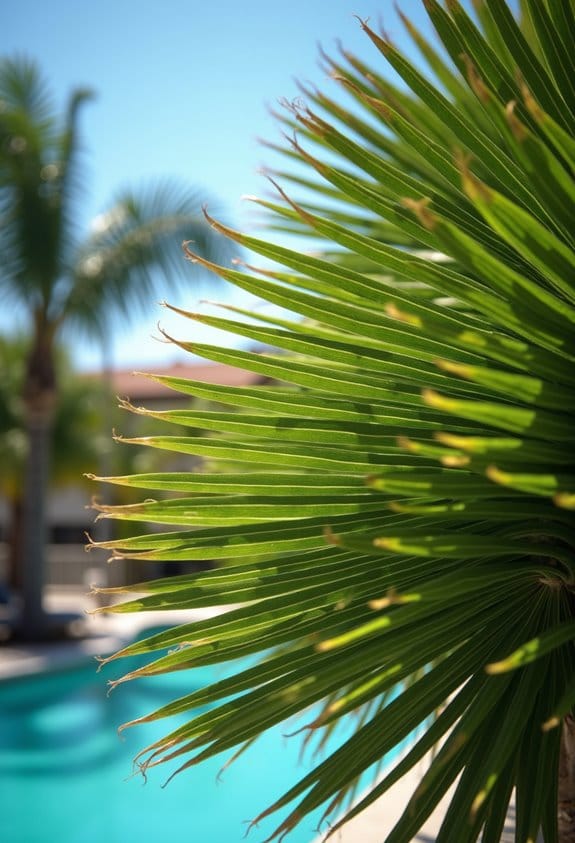
Beyond capturing carbon dioxide, palm trees contribute greatly to reducing urban heat through extensive shading and moisture release. Their large fronds can reduce surface temperatures by 25% to 30%, providing essential cooling effects in heat-prone zones. Through transpiration, palm trees release moisture, which lowers ambient temperatures around sidewalks and buildings, forming a cooler microclimate. Strategically planting palms near residences decreases the demand for air conditioning, improving energy efficiency and reducing heat stress. Additionally, their shade helps mitigate urban heat islands, thereby enhancing air quality by lowering ground-level ozone formation. Research confirms that integrating palm trees into urban design fosters resilience against extreme heat events, supporting healthier living conditions in densely populated environments. This cooling potential makes palm trees an effective, natural tool for combating rising urban heat challenges. Moreover, certain solar-powered options of artificial palm trees illustrate the integration of energy-efficient technologies in urban landscaping practices to complement environmental benefits.
Recommended Products

This 10 feet majestic triple tropical palm faux tree has 31 large vivid palm fronds filled with countless arching feather-like leaves with realistic palm texture, three thick dragon-scaled trunks are awe-inspiring, it looks so lush and great, it will create a tropical paradise atmosphere for you and those around you, now this extra tall triple palm tree is waiting to dance in the warm tropical breezes

Instantly Lush & Lifelike Paradise: Enjoy the vibrant, full look of mature tropics year-round! Features a single realistic coconut trunks and abundant fronds with countless detailed leaves boasting authentic palm texture. Arrives ready to shape for a perfectly natural silhouette.

Majestic Size & Design: Standing at 8 feet tall with triple trunks, this large artificial palm tree features 30 long, lifelike palm fronds. Its sturdy trunks are perfect for hanging LED lights or decorative pendants (not included), adding a warm, inviting glow to any space.
Contribution to Biodiversity Through Palm Trees
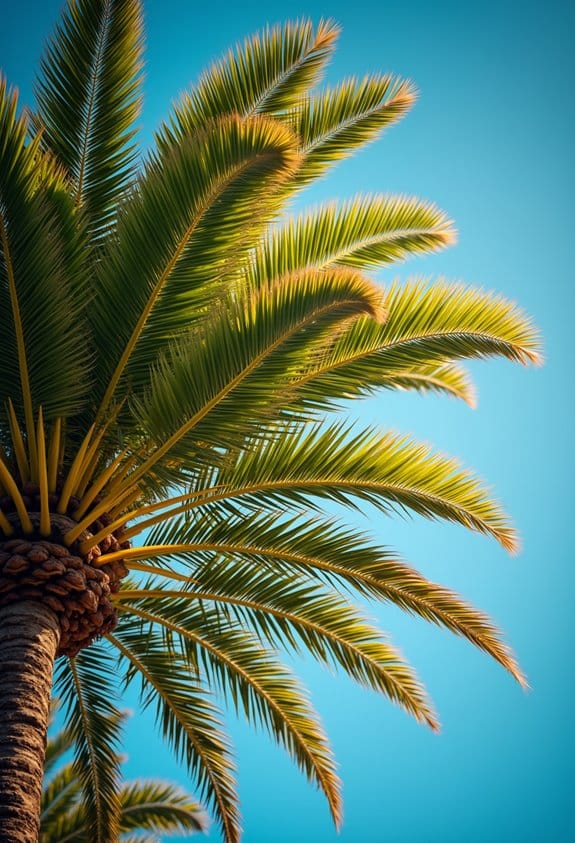
A diverse variety of palm trees markedly enhances urban biodiversity by providing crucial habitats and food resources for numerous wildlife species, including birds, insects, and small mammals. Different palm species, varying from 3 to 30 meters tall, create stratified canopy layers, offering multiple niches that support diverse urban wildlife. Their native status in many regions promotes biodiversity conservation by supporting species adapted to specific microhabitats within urban green spaces. Palms contribute essential food for pollinators like bees, which maintain plant reproduction and ecosystem health. Preserving heterogeneous palm populations reduces habitat fragmentation, allowing species movement and genetic exchange despite urban expansion. Consequently, palms serve as crucial habitat elements that bolster resilience within city ecosystems, highlighting their role as indispensable components in urban biodiversity frameworks and green infrastructure planning. Selecting palm species with UV resistance ensures their longevity and continued ecological benefits in urban environments.
Palm Trees and Soil Stabilization
When planted in urban settings, palm trees contribute considerably to soil stabilization through their deep, extensive root systems that penetrate up to 1.5 meters, anchoring the ground firmly. These roots reduce erosion by securely holding soil in place, especially in areas susceptible to heavy rainfall. Palm trees improve soil structure and water retention, thereby diminishing runoff and aiding urban water management efforts. This function slows water flow, mitigating flood risks by allowing greater infiltration. In urban environments, the presence of palm trees prevents soil degradation and sustains underground ecosystems by maintaining land integrity. Consequently, palm trees play an essential role in enhancing environmental resilience within city landscapes, supporting healthier soil and protecting infrastructure from erosion-related damages in frequently disturbed urban zones. Additionally, selecting UV-resistant palm trees ensures long-lasting soil stabilization benefits even under harsh sunlight and weather conditions.
Enhancing Urban Aesthetics With Palm Trees
Although palm trees thrive primarily in USDA hardiness zones 9 through 11, their distinctive silhouettes and tropical appearance make them essential elements in enhancing urban aesthetics across various climates. Palm trees offer unique urban benefits by serving as natural landmarks that elevate visual interest in city landscapes. Their tall, unbranched trunks, often exceeding 30 feet, combined with dense fronds, provide both cooling shade and privacy without obstructing views. Strategically placed palms increase curb appeal, creating inviting outdoor areas that encourage community engagement and social interaction. The presence of palm trees enhances urban aesthetics by softening hard pavement edges and contributing to a more welcoming atmosphere. These characteristics make palms an effective choice for urban planners seeking sustainable, attractive environmental solutions. Additionally, some decorative palm trees are crafted with UV-resistant materials to ensure long-lasting appeal even in harsh urban weather conditions.
Recommended Products

HANDCRAFTED EXCELLENCE – Each Cosapots Lupo round planter is meticulously handmade with high-quality fiberglass and resin by skilled artisans under the guidance of Belgian architects.

HANDCRAFTED EXCELLENCE – Each Cosapots planter is meticulously handmade with high-quality fiberglass and resin by skilled artisans under the guidance of Belgian architects.
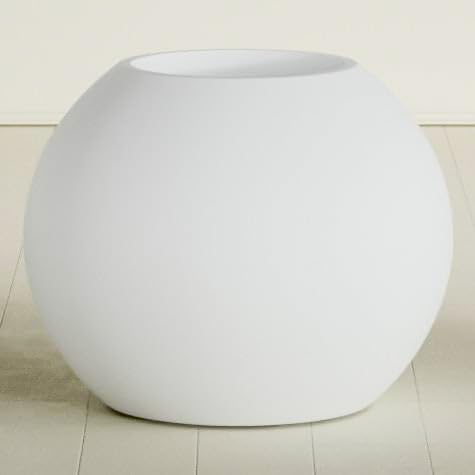
Plant Like the Pros - The Nala Globe Planter (30" x 30" x 24") is used by professional landscapers, architects, and interior designers in upscale residential and commercial projects for its sleek globe shape, lightweight design, and durable craftsmanship.
Role of Palm Tree Suppliers in City Planning
Since successful urban tree planting demands species well-adapted to local climates and soil conditions, palm tree suppliers play an essential role in city planning by providing expert guidance. They select palm trees suited to specific zones—such as Riyadh’s arid environment with temperatures often exceeding 45°C—ensuring survival and air quality improvements. These suppliers collaborate with urban planning teams to integrate trees that enhance aesthetics and promote sustainability. Their expertise extends to recommending planting depths of 60-90 cm and spacing of 4-6 meters, optimizing growth and maintenance. Additionally, suppliers engage communities in tree planting initiatives, offering environmental education that encourages stewardship. This partnership supports greener cities, aligning urban planning with ecological goals and addressing rapid urbanization challenges efficiently and effectively. Utilizing UV-resistant materials in artificial palm trees also offers a maintenance-free option that complements urban greenery efforts.
Recommended Products

YEAR-ROUND TROPICAL VIBES: Enjoy the lush, full canopy of fronds inspired by the tropical Florida coast all year long with this 12ft UV resistant artificial areca palm tree.

🌴This 8.5 feet majestic triple tropical golden cane palm artificial tree has 30 large vivid fronds filled with countless arching feather-like leaves with realistic palm texture, three lifelike bamboo trunks are very strong, it looks so lush and great, it will create a tropical paradise atmosphere for you and those around you, now this extra tall triple cane palm tree is waiting to dance in the warm tropical breezes

Ultra-Realistic Design with Natural Touch:This artificial olive tree stands 8FT tall with lush silk leaves, a natural wood trunk, and faux olives, creating a lifelike presence in any space. The faux tree adds a calming green touch to your indoor decor, perfect for modern home or office
Community Health Benefits Linked to Palm Trees
Palm trees not only enhance urban landscapes but also deliver significant community health advantages through their interaction with the environment. By filtering airborne pollutants, palm trees improve air quality, reducing respiratory risks linked to the WHO’s estimate of 7 million annual deaths from pollution. A single large palm produces enough oxygen to support roughly four individuals, benefiting densely populated areas. Their aesthetic appeal and shade create inviting outdoor spaces that encourage physical activity, essential for maintaining public health. Additionally, engaging residents in palm tree planting fosters environmental stewardship and strengthens community cohesion, amplifying collective health awareness. Through these multifaceted roles, palm trees provide measurable community health benefits that extend beyond visual enhancement, actively contributing to more breathable, walkable, and mentally restorative urban environments. Moreover, the use of durable PVC materials in urban landscaping installations ensures both longevity and environmental sustainability in creating these green spaces.
Innovative Technologies Supporting Palm Tree Planting
Unmanned aerial drones equipped with advanced multispectral imaging capture urban landscapes with centimeter-level accuracy, enabling detailed analysis of terrain and vegetation coverage. These drones identify ideal sites for palm tree planting by measuring soil moisture, sunlight exposure, and pollution levels. Satellite imagery further enhances planning by monitoring urban pollution hotspots and green space distribution across multiple city zones. Machine learning algorithms process environmental data from these sources to recommend palm species best suited for specific microclimates, soil types, and temperature ranges, enhancing survival rates and air quality impact. Geographic Information Systems (GIS) synthesize spatial data, mapping soil composition and microclimate variations within 10-meter grids. Together, these technologies streamline strategic planting efforts, maximizing the ecological benefits of urban palm trees efficiently and precisely. Additionally, the use of UV-resistant materials in artificial palms complements urban greening efforts by providing durable, low-maintenance alternatives for areas unsuitable for real tree growth.
Recommended Products

HOME DECOR ACCENT: There’s almost nothing that looks better than a beautiful palm tree swaying in the gentle breeze. And you can have that exact look with this impressive 7.5’ recreation of an Areca Palm Tree. Looking astoundingly lifelike with its 1966 leaves, this tree is fully UV resistant, meaning it’s perfect for both indoor and outdoor decorating. It also makes a great gift for that “lover of the tropics” on your list.

Patented Petal Craftsmanship:We've engineered ours for perfection. Each petal features our exclusive anti-tear thickening treatment. We didn't stop there; each petal is meticulously crafted with authentic wrinkled texture, replicating the delicate, papery feel of real bougainvillea. This isn't just a look; it's a tactile experience.

YEAR-ROUND TROPICAL VIBES: Enjoy the lush, full canopy of fronds inspired by the tropical Florida coast all year long, indoors or outdoors.
Engaging Communities in Urban Green Initiatives
When carefully integrated, community involvement in urban green initiatives catalyzes measurable improvements in tree survival rates, sometimes increasing success by as much as 60 percent. Engaging local communities in planting and caring for palm trees fosters environmental stewardship while improving urban biodiversity. Educational programs focused on palm tree benefits elevate awareness about their role in air pollution mitigation. Research confirms that hands-on participation strengthens adoption of eco-friendly behaviors and supports sustainable growth of green spaces. These programs typically include workshops held in 0.5 to 2-acre urban parks, engaging participants in tree maintenance techniques and soil management within USDA hardiness zones 9 to 11. The combination of community engagement and educational outreach effectively creates a ripple effect, enhancing mental well-being while preserving the health and longevity of urban palm trees in diverse city environments.
Frequently Asked Questions
How Do Palm Trees Help the Environment?
Palm species contribute to carbon capture by absorbing CO2, support urban cooling through shading, and enhance biodiversity by providing habitats. Their presence in cities improves environmental quality, mitigates heat, and promotes ecological balance effectively.
What Are the Benefits of Trees in the Urban Environment?
Trees in urban environments improve air quality by filtering pollutants, reduce urban heat through shading, enhance biodiversity by providing habitats, and contribute to noise reduction, collectively fostering healthier, quieter, and more sustainable city spaces for residents.
What Is the Ecological Importance of Palm Trees?
Beneath their graceful fronds lies an essential secret: palm tree adaptation enables remarkable biodiversity support, carbon sequestration, and soil stabilization. These combined traits make them indispensable ecological pillars, silently sustaining life and balance within their environments.
What Are the Benefits of Palm Trees?
Palm trees offer cultural significance as iconic tropical species, enhance landscaping aesthetics with their striking form, provide essential wildlife habitat, and contribute to urban biodiversity, making them valuable components of city planning and decorative environments.