As an Amazon Associate, we earn from qualifying purchases. Some links on this site are affiliate links at no extra cost to you. Our recommendations are based on thorough research and editorial judgment.


Creating Wildlife Habitats With Native Palm Plantings

Creating wildlife habitats with native palms involves planting species suited to USDA zones 8–11, such as Sabal and cabbage palms, which provide food, shelter, and nesting sites for birds and insects. These palms thrive in well-draining sandy or loamy soils, tolerate drought once mature, and support pollinators and small mammals. Grouping palms with other native plants enhances biodiversity and stabilizes soil. Employing organic mulch and invasive species control helps maintain healthy ecosystems. Further details reveal effective landscape design and maintenance practices to maximize habitat benefits.
Key Takeaways
- Native palms provide essential food, shelter, and nesting sites that support diverse local wildlife like birds, insects, and mammals.
- Selecting native palms adapted to local USDA zones and soil conditions ensures their survival and benefits for wildlife.
- Clustering native palms and combining them with other native plants enhances habitat complexity and attracts pollinators.
- Proper soil drainage, organic mulch, and careful water management promote healthy palms that sustain wildlife habitats.
- Regular maintenance, including invasive species control and seasonal pruning, supports palm health and provides nesting materials.
Benefits of Native Palms for Wildlife
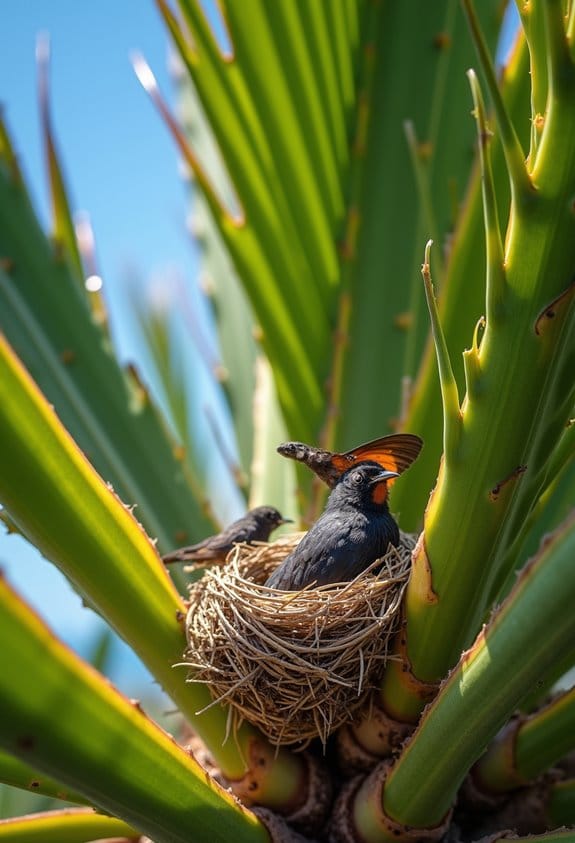
Numerous native palm species, such as the Sabal palm (Sabal palmetto), play a significant role in supporting wildlife by providing habitat and food resources. Native species of palms offer essential shelter and nesting sites for birds like woodpeckers and owls, enhancing local biodiversity within USDA zones 8 through 11. The fruits produced serve as a key food source, attracting deer, raccoons, and diverse bird populations that depend on these nutritious offerings throughout varying seasons. Additionally, these palms support native insects important for pollination, further sustaining food chains. By thriving in natural soil without excessive fertilizers or pesticides, native palms maintain ecological balance, benefiting wildlife and improving overall yard health. Incorporating these palms creates a resilient, sustainable environment for food and shelter that promotes long-term habitat stability. Compared to artificial options, native palms contribute to natural biodiversity by supporting essential ecological interactions.
Selecting the Right Native Palm Species
Selecting native palm species requires careful consideration of local environmental factors, including USDA hardiness zones 8 through 11, soil types ranging from sandy to loamy, and available sunlight that can vary between full sun and partial shade. Different species of native palms thrive under specific moisture levels and light exposures, which directly impacts their growth and survival in restoration projects. For example, Sabal Palm (Sabal palmetto), common in Florida’s coastal areas, provides essential food and habitat for birds and insects. The drought-tolerant Cabbage Palm (Sabal etonia) offers reliable shelter and nesting sites for diverse wildlife habitat. Incorporating species like the Florida Thatch Palm (Thrinax radiata), which supports local pollinators, fosters enhanced biodiversity and conserves regional ecosystems through authentic native palm plantings. Additionally, selecting palms with good durability and UV resistance ensures long-lasting habitat structures even under intense sunlight and varying climates.
Recommended Products


This 7 feet majestic artificial phoenix palm tree features large, vivid palm fronds filled with countless arching feather-like leaves with realistic palm texture. It looks so natural and great! If you're aiming for a tropical paradise atmosphere, this is definitely the best choice. Your friends, partners, and relatives will be in awe as this extra tall palm tree awaits to dance in the warm tropical breezes

Habitat Needs of Local Wildlife Supported by Palms
Local wildlife’s survival often depends on the habitat structures provided by native palms, which produce fruits and seeds ideal for feeding birds, insects, and small mammals across USDA zones 8 to 11. Native palms like Sabal palmetto supply important nesting sites that protect birds during breeding seasons. These palms create shaded microhabitats supporting diverse understory plants, enhancing shelter options for various wildlife species. Additionally, native palms attract crucial pollinators such as butterflies and bees, reinforcing pollination cycles for surrounding native plants. By integrating native palms, habitats restore degraded ecosystems, promoting regional biodiversity. Understanding these habitat needs guarantees that native plants provide food, shelter, and breeding locations, meeting wildlife’s fundamental requirements for survival and ecosystem balance year-round in subtropical and warm-temperate climates. Furthermore, native palms contribute to soil stabilization, which helps reduce erosion and improve ecosystem health in coastal and warm climate areas.
Designing Landscapes With Native Palms
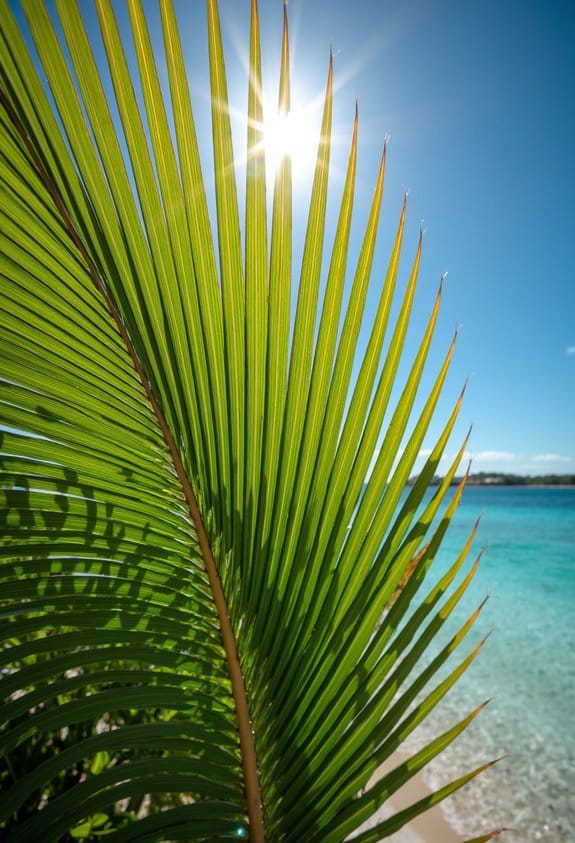
Designing landscapes with native palms involves carefully selecting species that thrive in USDA zones 8 to 11, where subtropical and warm-temperate climates provide ideal growth conditions ranging from 10°F to 95°F. Native palms such as Sabal palmetto serve as essential components of Wildlife Friendly landscapes by offering shelter and food to birds and small mammals. Grouping native palms in clusters creates microhabitats that support insects and pollinators, enhancing biodiversity. Combining palms with other native plants increases ecological functionality and attracts a diverse array of wildlife. These palms also stabilize soil and reduce erosion. Their adaptation to local climate reduces maintenance and water needs compared to exotic species, supporting sustainable design practices that benefit both wildlife and human environments. When selecting palms for coastal planting, it is important to consider their weather resistance ratings to ensure they withstand moisture and salt exposure effectively.
Recommended Products

🌴 Lifelike Phoenix Palm Tree – Standing 7ft tall, this artificial phoenix palm tree features 18 oversized fronds made of premium PE material and real palm silk. The large, vibrant feather-like leaves are more realistic and durable than ordinary silk, keeping a lush tropical look all year round.

Instantly Lush & Lifelike Paradise: Enjoy the vibrant, full look of mature tropics year-round! Features a single realistic coconut trunks and abundant fronds with countless detailed leaves boasting authentic palm texture. Arrives ready to shape for a perfectly natural silhouette.
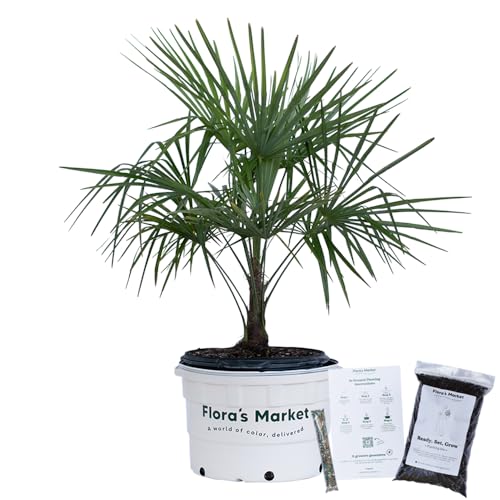
TROPICAL APPEAL - Windmill Palm features large, fan-shaped fronds that bring an exotic, tropical look to your garden or landscape
Soil and Water Requirements for Native Palms
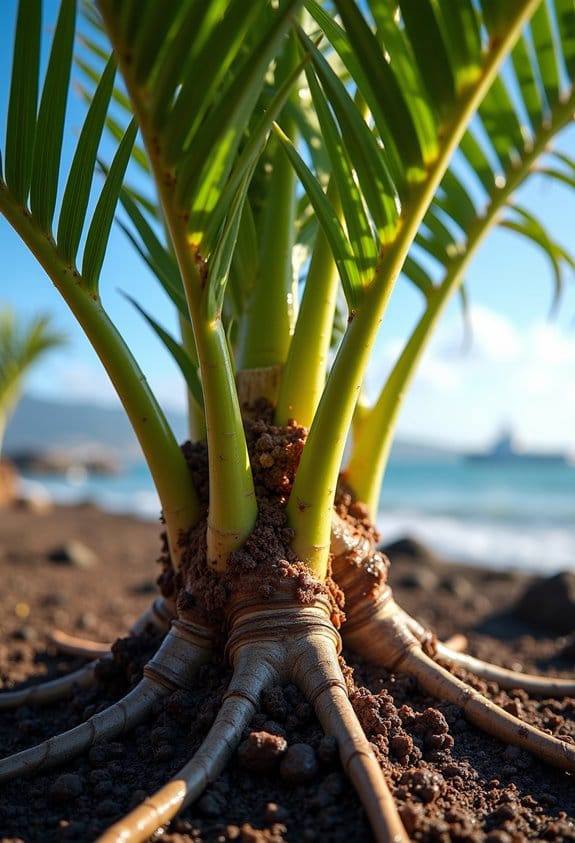
Three primary soil types—sandy, loamy, and occasionally clay—support the growth of native palms, which generally thrive in well-draining, low-nutrient conditions found across USDA zones 8 to 11. Florida Native palms, such as the Sabal palm, perform best in soils that retain moderate moisture but resist waterlogging. Consistent irrigation is essential during early growth stages, typically requiring around 1 inch of water weekly for established plants and more for seedlings. Once mature, many species tolerate drought well, reducing water needs to conserve resources. Proper soil selection enhances root stability, preventing erosion along coastal zones and waterways. Site-specific hydrology must guide species choice, as some palms adapt to periodic flooding while others demand dry conditions. Understanding these soil and water requirements guarantees successful establishment and long-term survival of native palms. Additionally, choosing plants with UV-resistant leaves can improve durability and reduce maintenance needs in harsh outdoor environments.
Seasonal Growth Patterns and Wildlife Activity
Native palms, such as Sabal palms found in USDA zones 8 to 11, exhibit distinct seasonal growth cycles that directly impact surrounding wildlife populations. During spring and summer, the dense fronds of these native trees provide essential shelter and nesting sites for birds like owls and songbirds, enhancing local biodiversity. Pollinators, including bees and butterflies, are attracted to the palms’ flowering structures in late spring, supporting their active populations. In fall and winter, palm seeds become a crucial food source for squirrels and various bird species, aiding survival through colder temperatures ranging from 40°F to 60°F. Additionally, the growth and decay of palm fronds influence insect populations, establishing a balanced habitat. This seasonal interplay between native palms and wildlife fosters a thriving ecosystem throughout the year. Live palms also play a vital role by supporting local ecosystems and attracting beneficial wildlife.
Creating Food Sources With Native Palm Fruits
Providing a steady food supply through native palm fruits greatly supports regional wildlife, especially bird species such as quail and songbirds found in USDA zones 8 to 11. Native plants like Sabal palmetto produce nutrient-rich fruits containing fats and carbohydrates, essential for energy during colder months. These fruits typically ripen from late summer to early fall, aligning with migratory birds’ dietary needs. Additionally, palm fruits attract beneficial insects, which serve as supplementary food sources for local bird populations. Conservatively planting native palms, such as the Cabbage palm, in urban gardens enhances biodiversity by offering reliable, seasonal food. This practice encourages wildlife conservation and sustains ecosystems. Selecting palms adapted to zone-specific climates guarantees fruit production, supporting diverse food chains essential for maintaining balanced habitats. Moreover, ensuring well-draining soil and appropriate moisture levels helps native palms thrive, promoting consistent fruit yield and habitat value.
Recommended Products

Wilderness Poets Organic Freeze Dried Acai Powder

Growing a mango tree is best suited to tropical and subtropical hardiness zones where temperatures do not fall below 40 degrees Fahrenheit. Although it can be tricky to grow, a mango tree can make an interesting specimen when grown in a large pot outdoors or indoors.

Striking in appearance, the pindo's feather-leaf, silver-colored fronds (some call it more of a blue-green) create an outstanding contrast to a typical yard's greenery.
Shelter and Nesting Opportunities Offered by Palms
Beyond supplying food, palms also enhance wildlife habitats by offering secure shelter and nesting areas. Native plants like Sabal palmetto, with their tall trunks reaching 40-65 feet and dense fronds, provide crucial cover for wildlife such as warblers and wrens. The thick canopy shields nests from predators and extreme weather, maintaining temperatures between 60-85°F in zones 8-11. Palms also host epiphytes and insects, attracting diverse animal species and improving habitat complexity. Additionally, they function as natural windbreaks up to 20 feet in radius, creating calm zones for safe foraging and nesting. Incorporating native palms into landscaping contributes essential cover for wildlife and supports local biodiversity, making these palms integral to sustaining small mammals and birds within thoughtfully designed outdoor spaces. Furthermore, their durable, weather-resistant structure ensures year-round protection and habitat stability in various environmental conditions, reflecting the benefits of all-weather palm trees.
Integrating Native Palms With Other Wildlife-Friendly Plants
When integrated thoughtfully, palms like Sabal palmetto and Thrinax radiata complement flowering plants and shrubs, creating layered habitats that support a wide range of wildlife. Integrating native palms with native wetland plants and other pollinator-friendly species enhances biodiversity, providing shelter and foraging opportunities for birds, insects, and small mammals. Combining palms with ground covers and perennials improves soil moisture retention, reducing erosion and promoting landscape resilience under temperatures between 15°C and 35°C (59°F to 95°F). A mix of plants following USDA Hardiness Zones 9–11 encourages ecological stability, minimizing maintenance needs. Thoughtful native palm groupings foster habitat complexity, doubling wildlife presence compared to turf lawns. This strategy supports habitat regeneration while maintaining a sustainable and wildlife-friendly garden that balances visual appeal with functional ecosystem services. Additionally, choosing plants with durable materials helps ensure long-term garden resilience and reduces maintenance frequency.
Recommended Products

COLORFUL BLOOMS: Enjoy months of continuous color with 32 vibrant perennial flowers. Includes 8 Blue Mistflower, 4 Aromatic Aster, 4 Butterfly Milkweed, 4 Lanceleaf Coreopsis, 4 Mountain Mint, 4 Purple Coneflower, and 4 Smooth Penstemon. Their bright purple, pink, yellow, and blue blooms create a stunning display in any sunny garden across US Zones 4–8.
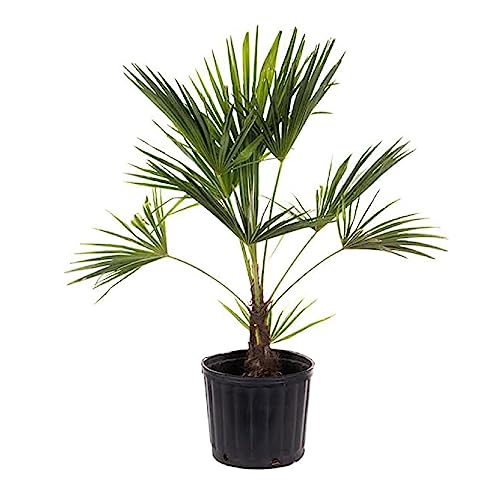
Premium Quality Windmill Palm (Trachycarpus fortunei): Grown by experienced nursery professionals, ensuring you receive a healthy and robust plant.

Live Chinese Fan Palm: Includes fan palm in a 3 gallon container; features broad fan-shaped fronds and upright growth suitable for indoor or outdoor placement
Managing Invasive Species Around Palm Habitats
Maintaining native palm plantings within USDA Hardiness Zones 9–11 requires vigilant management of invasive species that compete aggressively for sunlight, water, and nutrients. Early removal of invasive seedlings, such as Nandina and Brazilian pepper, considerably reduces their establishment and spread in palm habitats. Regular monitoring every four to six weeks during peak growing seasons allows timely detection and control. Retaining a diverse mix of native plants alongside palms fortifies habitat resilience by supporting natural pest resistance and ecosystem balance. Community-led invasive species removal days play an essential role in preserving palm ecosystems while educating residents about local biodiversity importance. Effective invasive species management ultimately helps sustain robust native palm populations and the local wildlife that depends on them, ensuring these habitats thrive within subtropical and warm temperate areas. Incorporating UV-resistant palm varieties can enhance these efforts by providing durable plantings that require minimal upkeep and withstand environmental stresses.
Maintenance Practices to Promote Wildlife Habitat Health
Effective maintenance practices are essential for promoting wildlife habitat health within native palm plantings across USDA Hardiness Zones 9–11. Regular removal of invasive species safeguards scarce water and nutrients, ensuring native plants thrive in this subtropical environment. Applying 2 to 4 inches of organic mulch around palm bases retains soil moisture, suppresses weeds, and enriches the root zone to support diverse fauna. Monitoring palms for pests and diseases using integrated pest management limits harmful chemicals, preserving beneficial insects and overall biodiversity. Seasonal pruning of dead fronds encourages new growth while providing natural nesting materials and shelter for bird species. Additionally, composting organic yard waste to improve soil fertility creates ideal conditions for palms, indirectly sustaining a broader range of wildlife dependent on these native plants for food and cover throughout the year.
Recommended Products

BULK MULCH FOR LARGE PROJECTS: Pallet contains 80 bags of Scotts Nature Scapes Color Enhanced Mulch Deep Forest Brown; each 1.5 cu. ft. bag covers 6 sq. ft. when applied in a 3-inch layer

ORGANIC MULCH: With this Miracle-Gro Organic All Natural Mulch bulk pallet, you can cover your biggest landscaping and gardening projects

PREMIUM SEEDLESS STRAWS FOR CLEAN GARDENS: High-quality hay designed to reduce weeds while keeping your garden bed neat, healthy, and easy to maintain
Community Involvement in Native Palm Planting Projects
How can community involvement elevate the success of native palm planting projects across USDA Hardiness Zones 9–11? Active community involvement fosters ownership and responsibility, vital for sustainable landscaping and creating beautiful, wildlife-supporting environments. Engaging residents in planting events educates them about native palms’ role in providing food and shelter for local fauna. Collaboration with environmental organizations channels volunteer efforts effectively, expanding outreach and biodiversity awareness. Involving schools offers hands-on learning about native species and stewardship, cultivating youth interest in conservation. Local projects also enhance urban canopy cover, which moderates temperatures between 20–30°C, improves air quality, and creates essential wildlife habitats. Together, these efforts not only support ecological health but also guarantee the long-term success of native palm plantings in subtropical and warm temperate climates through community-driven initiatives.
Frequently Asked Questions
What Is the 70 30 Rule in Gardening?
The 70/30 rule in gardening techniques advocates using at least 70% native plants and 30% non-native species. This sustainable practice enhances biodiversity, supports local ecosystems, and reduces maintenance by promoting plants adapted to local conditions.
What Are the 5 Essential Elements for Wildlife Habitat?
Echoing Thoreau’s call to preserve nature, the five essential elements for wildlife habitat include food, water, shelter, nesting sites, and biodiversity. These facilitate wildlife corridors and habitat restoration, enabling species movement and ecological balance within fragmented landscapes.
Does Planting Native Plants Increase Biodiversity?
Planting native plants markedly increases biodiversity by providing habitat and food tailored to local wildlife. Native plant advantages include supporting diverse species and enhancing ecosystem resilience, leading to measurable biodiversity benefits in urban and suburban landscapes.
How Do Native Plants Support Wildlife?
Native plants support wildlife by providing vital food, shelter, and breeding grounds tailored to native species. This promotes biodiversity, enhances native ecosystems, and guarantees sustainable wildlife support fundamental for ecological balance and species survival.