As an Amazon Associate, we earn from qualifying purchases. Some links on this site are affiliate links at no extra cost to you. Our recommendations are based on thorough research and editorial judgment.

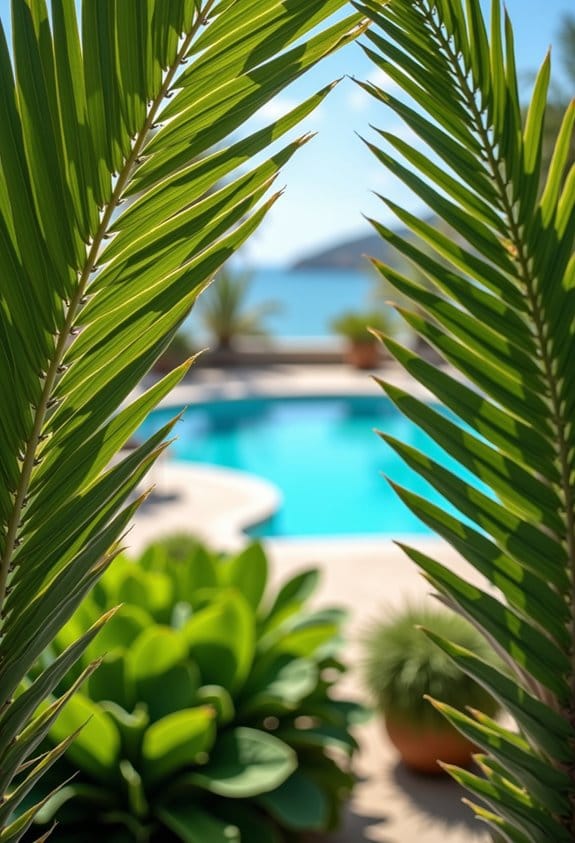
Creating a Palm Identification Guide for Your Garden

Creating a palm identification guide involves examining leaf types—palmate, pinnate, or costapalmate—and trunk characteristics like height, texture, and thickness. Cold-hardy palms tolerate temperatures between 26°F and 30°F, thriving in USDA zones 9 to 11. Properly documenting growth habits, sun exposure needs, and soil preferences guarantees successful landscaping choices. Utilizing field guides and consulting experts refines accuracy. Mastering these elements enables confident palm selection tailored to garden environments while exploring further identification nuances deepens this essential knowledge.
Key Takeaways
- Identify palm species by their leaf type (palmate, pinnate, or costapalmate) to narrow down appropriate garden choices.
- Observe trunk height, thickness, and texture to differentiate and plan palm placement and garden space effectively.
- Select cold-hardy palms suited to your zone, considering temperature tolerances and sun exposure for sustainable growth.
- Utilize botanical guides, online resources, and detailed palm trait documentation for accurate, repeatable identification.
- Maintain palms with proper sunlight, soil drainage, fertilization, and pruning, and consult experts for challenging identifications.
Understanding the Importance of Palm Identification
Palm identification plays a critical role in selecting species that will thrive within specific climates, especially since many palms tolerate minimum temperatures ranging from the upper 20s°F to low 30s°F. Accurately identifying palm trees requires careful examination of features such as palm fronds, which can be either palmate—fan-shaped—or pinnate, resembling feather-like leaves. These distinctions help narrow down palm species suitable for certain environments. Additionally, recognizing trunk height and thickness supports making informed choices for landscaping and climate compatibility. Gardeners who properly identify palm trees can select species that flourish under local temperature ranges, sunlight conditions, and soil drainage. This approach minimizes plant stress, promotes healthy growth, and enhances the ornamental value of the garden by precisely matching palms to their intended habitats and aesthetic purposes. Selecting palms with UV-resistant materials is essential for maintaining lasting outdoor beauty in coastal garden settings.
Key Characteristics to Observe in Palm Trees
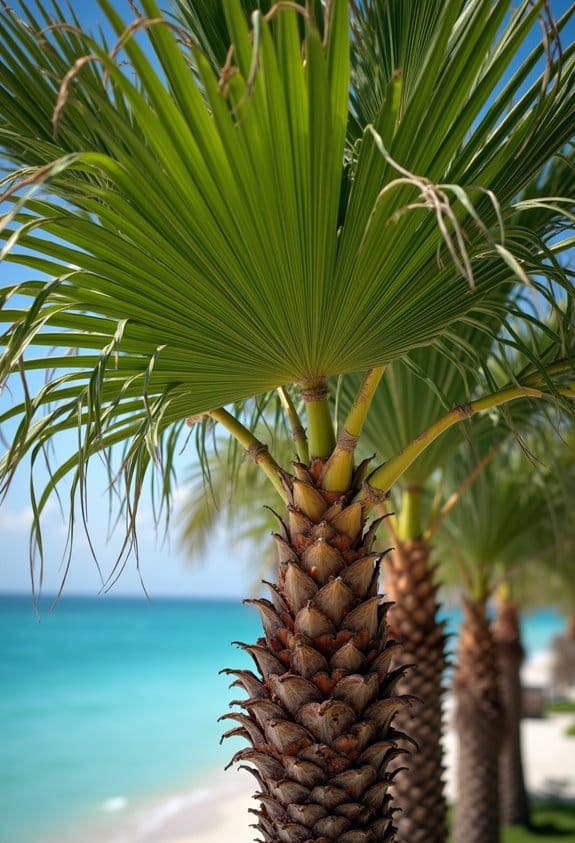
A thorough examination of a palm’s physical features reveals crucial identification markers that differentiate species and guide successful cultivation. Key characteristics include the trunk, which can vary from tall and slender, reaching heights of 30 feet or more, to short and stout or even clustered. Observing the presence and shape of a crownshaft—usually a smooth, green extension below the leaf base—helps pinpoint specific species adapted to USDA zones 9-11. Growth habits also matter: palms may grow tree-like, shrubby, or trunkless, influencing planting space. While leaf types play a crucial role, detailed discussion of leaf morphology is reserved for another section. Flower stalks and inflorescences emerging from the crown provide useful clues but require careful timing during seasonal bloom periods to be accurately assessed. Selecting palms with durable and UV-resistant materials ensures they thrive in coastal or harsh outdoor conditions.
Types of Palm Leaves and Their Identification
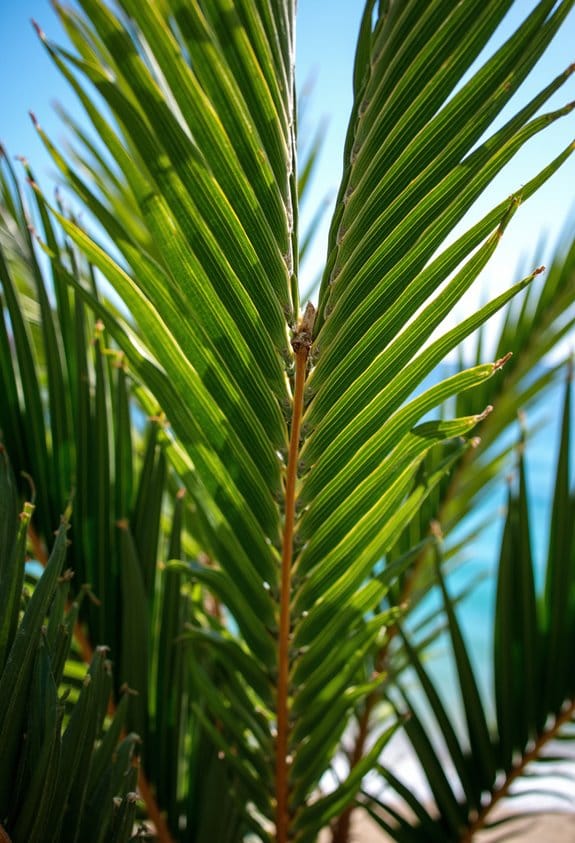
Leaves represent one of the most visible and distinguishing features among palm species, showcasing distinct shapes and arrangements that aid in identification. Palm tree fronds fall into two main types: palmate and pinnate. Palmate leaves are fan-shaped with leaflets radiating from a central point, observed in windmill and Mexican fan palms. Pinnate leaves consist of long, feather-like leaflets along a central stem, typical in coconut and date palms. Additionally, some palms, such as Chinese fan palms, display costapalmate fronds that combine features of both types. To accurately identify types of palm, closely examine the leaf structure and arrangement, as these traits provide critical clues for species classification and reveal how palms adapt to different climates and growing zones. Many artificial palm trees feature feather-like leaves crafted from premium polyester to replicate this natural diversity and enhance realism in home decor.
Recommended Products
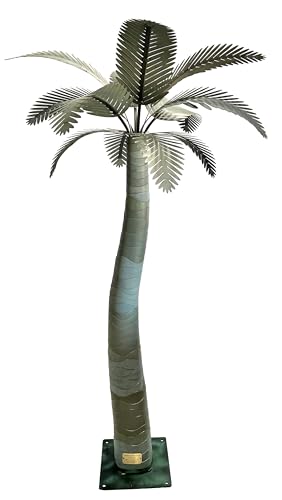
TRUE HANDCRAFTED METAL ART Every Designer Palm is individually shaped by hand—no mass production. Each tree is one-of-a-kind, making it a true statement piece, not just décor.

YEAR-ROUND TROPICAL VIBES: Enjoy the lush, full canopy of fronds inspired by the tropical Florida coast all year long with this 12ft UV resistant artificial areca palm tree.

STATEMENT HOME ACCENT: This 7-foot faux palm tree is designed to add height and tropical-inspired greenery to interior spaces. Its full palm fronds and upright form work well for living rooms, entryways, offices, or corners that benefit from added visual interest.
How to Identify Palm Trees by Their Trunks
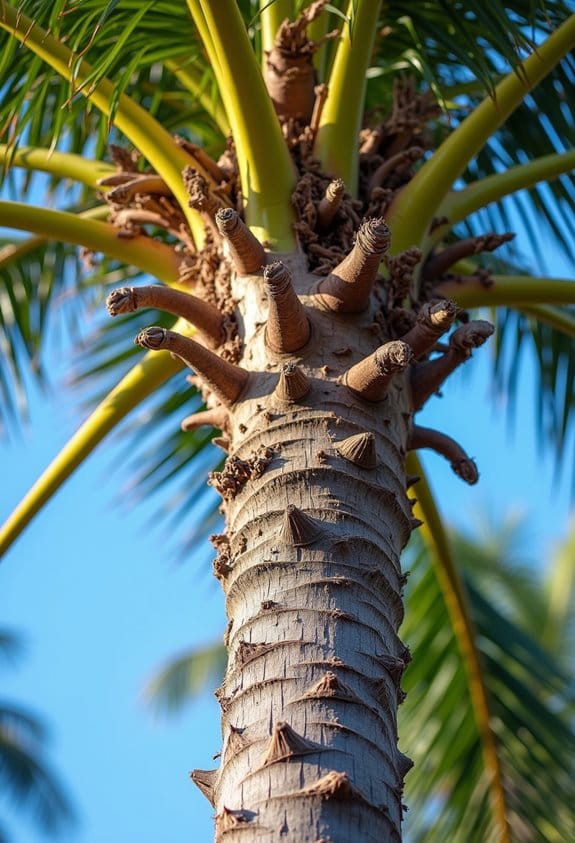
Trunk characteristics serve as essential identifiers that differentiate many palm species in diverse climates and habitats. Palm tree trunks come in three main forms: tall and slender, short and fat, or clustered. A slender trunk, like that of the Queen Palm, typically reaches heights exceeding 50 feet, with a smooth texture and few visible scars. Conversely, palms with short, stout trunks, such as Majesty or Bottle Palms, often appear thick and can be less than 15 feet tall. Clustered trunks emerge from a single base, as seen in Senegal date palms, which usually produce three or four stems growing closely together. Additionally, trunk features like roughness, spines, and persistent leaf bases offer further identification clues, enabling precise species differentiation without relying on other traits. When selecting palms for outdoor landscaping, considering their sturdy bases and stability features can ensure they withstand diverse weather conditions effectively.
Determining Palm Species Through Growth Patterns
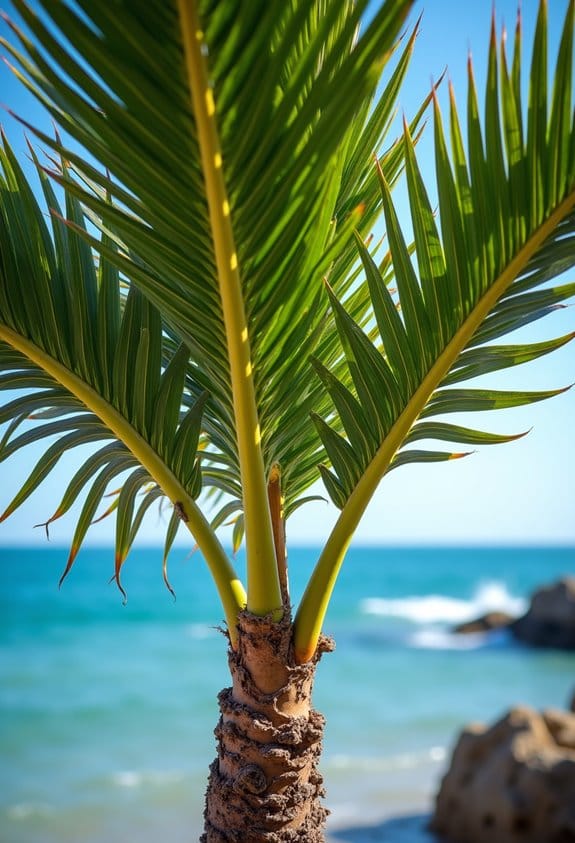
Because palm species develop through distinct growth patterns, recognizing these forms greatly aids in accurate identification and garden planning. Palm species exhibit four main growth patterns: tree-like, clustering, trunkless, and vining. Tree-like palms, such as the Royal Palm, feature tall, slender trunks often reaching 50 feet, topped with a neat crown of fronds. Clustering palms grow multiple stems from a shared base, expanding horizontally. Trunkless palms, like the Dwarf Palmetto, remain close to ground level, making them excellent for low ground cover in USDA zones 7 to 10. Vining palms climb surrounding vegetation, favoring warm, humid environments around 75°F. For garden spaces where maintaining live palms may be challenging, artificial palm trees offer a realistic, low-maintenance alternative that can complement natural growth patterns. Knowing these growth patterns helps gardeners determine ideal placement, ensuring proper spacing, sunlight exposure, and moisture for each palm species’ successful cultivation.
Recognizing Common Cold Hardy Palm Varieties
When selecting palms for colder garden zones, identifying cold hardy varieties that tolerate temperatures near or below freezing is critical for survival. Several species of palms exhibit remarkable cold tolerance, including fan palms with palmate leaf structures native to Florida and the Caribbean. The Hispaniola Silver Thatch Palm, a cold hardy fan palm, can grow up to 30 feet and withstand temperatures as low as 28°F. Similarly, the Puerto Rican Silver Palm reaches 20 to 25 feet and endures temperatures between 26°F and 28°F. The White Sand Palm, growing 10 to 15 feet tall, prefers partial sun or shade and tolerates 28°F to 30°F. Multi-stemmed pinnate palms form medium-sized clumps, demonstrating high cold hardiness and suitability for various garden environments. Recognizing these varieties enables gardeners to choose palms that thrive despite colder climates. Additionally, understanding the lifespan and physical characteristics of palm species can further assist gardeners in selecting the right palms for long-term success.
Identifying Rare and Unique Palm Species
Although rare palm species are often overlooked in mainstream gardening, identifying these unique varieties offers enthusiasts an opportunity to expand their collections with plants featuring exceptional traits and hardiness. The Butia super dwarf palm, a unique finding with its small stature and gray leaves, exemplifies a rare species prized by collectors. The Chinese fan palm, while more common, contrasts with palms like the Caribbean Palm (Gaussia maya), which has a swollen base and survives temperatures of 25-27°F. The Hispaniola Silver Thatch Palm reaches 30 feet and endures 28°F, while the Puerto Rican Silver Palm grows 20-25 feet tall, tolerating 26°F. Rhopalostylis from Chatham Island thrives in cooler climates and has a bulging crown shaft, illustrating the diverse range of rare palms suitable for specialized gardens. For gardeners seeking year-round tropical aesthetics without extensive upkeep, artificial palm trees provide a durable and maintenance-free alternative that withstands various climates.
Using Flower Structure for Palm Identification
Flower structure serves as a fundamental characteristic in palm identification, as mature palms typically develop inflorescences with 1 to 5 branching stalks during spring. These inflorescences, emerging from the crownshaft or leaf crown, vary considerably among species, offering critical clues for accurate identification. Inflorescences may also be axillary, growing in leaf axils, which further distinguishes species. Although the flowers themselves are small and not showy, their unique arrangement and placement on stalks reveal much about a palm’s growth habit, differentiating solitary from clustering types. By carefully observing the structure and pattern of inflorescences, gardeners gain valuable insights into a species’ reproductive traits, enhancing the precision of palm identification. This method provides a reliable, detailed approach to discerning diverse palm species. Additionally, selecting palms with adjustable branches can aid in studying flower structures by allowing better visibility and manipulation of fronds during identification.
Tools and Resources for Accurate Palm Identification
Accurate palm identification relies heavily on a combination of carefully selected tools and resources that enhance observational skills and reference accuracy. Examining leaf structure characteristics, such as palmate or pinnate fronds, provides critical clues for narrowing down species, while noting trunk features—including a thick trunk’s shape, diameter, and texture—helps differentiate tree types. Growth habits, like the presence of a crownshaft and whether palms are single-stemmed or clustered, further refine identification efforts. Utilizing reputable online plant identification websites and botanical forums offers updated guidance and expert opinions. Carrying a field guide with detailed illustrations and descriptions encourages quicker recognition of palms within USDA Hardiness Zones 9-11. By integrating these resources, gardeners can confidently identify palms with precision and build a dependable, personalized identification toolkit. Additionally, examining the weather resistance traits of palms can help distinguish between natural and artificial specimens in your garden.
Recommended Products


Documenting Your Palm Collection Effectively
After gathering the necessary tools and understanding palm characteristics, organizing detailed records of each palm guarantees effective management. Begin by recording the species name, common name, and acquisition date to track its origins. Include unique characteristics such as leaf type—pinnate or palmate—trunk shape, and height, aiding accurate identification. Document specific growth requirements like sunlight preference, soil type, and watering frequency to tailor maintenance strategies. Photograph each palm from multiple angles and growth stages, visually capturing changes over months or years. Maintain logs of pest issues or diseases, noting treatments and outcomes, thereby building a thorough care history. This detailed documentation promotes clarity, supports informed decisions, and enhances appreciation of each palm’s individual traits within a well-curated garden collection. For added ambiance during evening garden visits, consider integrating waterproof coastal palm tree string lights that complement your palm display while withstanding outdoor conditions.
Basic Care Requirements Based on Palm Type
While specific care needs vary among palm types, most species flourish within USDA zones 9 through 11, where temperatures typically remain above 20°F (-6°C). Palms grow best in loose, sandy soil with excellent drainage to prevent root rot while maintaining consistent moisture without saturation. Many palms require full sun, receiving at least six hours of direct sunlight daily, although some tolerate partial shade. Nutrient supplementation is essential, as deficiencies often arise without appropriate fertilizer applications. Gardeners should prune dead fronds carefully at the leaf bases to promote healthy growth and maintain aesthetic appeal. Providing adequate spacing allows palms to expand their canopy effectively, ensuring proper air circulation and sunlight exposure. Understanding these basic care requirements enables successful cultivation of diverse palm species within garden environments.
Recommended Products

Non-GMO Bulk Perennial Lupine Flower Seed Mix

You will receive (10) 1.5-cubic foot bags of potting soil per purchase.
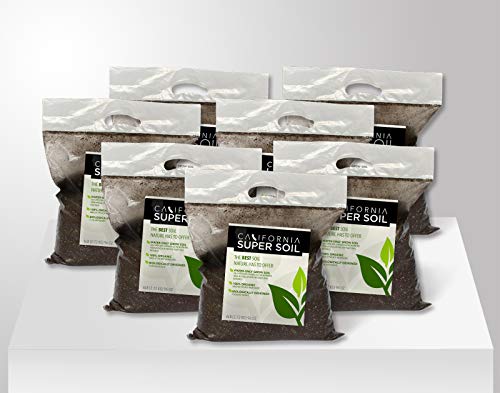
5% SOIL AND 95% NUTRIENTS: California Super Soil is a highly concentrated super soil designed specifically for vegetating and flowering plants. California Super Soil allows growers to achieve higher yeilds while also making the growing process cheaper and easier!
When and How to Seek Expert Help for Palm Identification
Knowing the basic care requirements of palms provides a foundation for identifying unknown species, yet expert assistance often becomes necessary when characteristics are ambiguous or regional variations exist. To accurately identify a palm, consulting local arborists or horticulturists is recommended, as they assess traits like frond type and trunk shape in specific climates, such as USDA zones 9 to 11. Utilizing online palm identification forums and websites allows sharing clear images and detailed descriptions, increasing chances of precise identification. Joining gardening clubs offers access to enthusiasts knowledgeable about regional species. Attending workshops led by experts can clarify differences in growth habits or leaf dimensions. Maintaining detailed records of the palm’s physical features beforehand streamlines communication with experts, ensuring thorough, reliable identification tailored to individual garden conditions.
Recommended Products
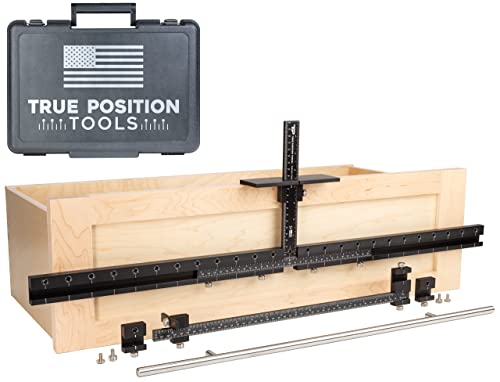
THE MOST VERSATILE CABINET HARDWARE JIG - CHJ-MAX accurately installs cabinet knobs and pulls of virtually any length, and drills 32mm shelf pin holes. Works on even the longest cabinet door stile and rails, including shaker doors and recessed drawer fronts. Designed for drawer fronts up to 42" wide and hardware up to 38” center to center. Includes TP-CHJ, Long Pull & Shelf Pin Extensions, Rapid Center Extension, 5mm drill bit, depth stop and hard carrying case.

HOSE REEL STORAGE BIN: Conceal your garden hose in a stylish resin storage box

Frequently Asked Questions
How to ID Palm Trees?
Palm tree varieties can be identified by leaf shape identification, categorizing leaves as palmate, pinnate, or costapalmate. Trunk characteristics, such as shape, texture, and growth habit, further distinguish species, aiding accurate palm tree identification.
How Much Is a 20 Ft Palm Tree Worth?
Palm tree pricing for a 20 ft specimen generally ranges from $300 to over $2,000, reflecting species rarity and health. Market value depends on year growth, with faster growth varieties often commanding higher prices in landscaping.
What Not to Do With a Palm Tree?
Contrary to myths, harsh pruning damages palm tree maintenance by reducing energy from fronds and increasing vulnerability to common diseases. Overwatering and poor drainage also harm palms, so proper pruning techniques and watering practices are essential for palm health.
How to Dig up a Date Palm?
To dig up a date palm, one should moisten the soil, carefully excavate around the root ball, preserving roots for successful date palm propagation. This guarantees healthy date palm care and minimizes vulnerability to date palm pests.