As an Amazon Associate, we earn from qualifying purchases. Some links on this site are affiliate links at no extra cost to you. Our recommendations are based on thorough research and editorial judgment.

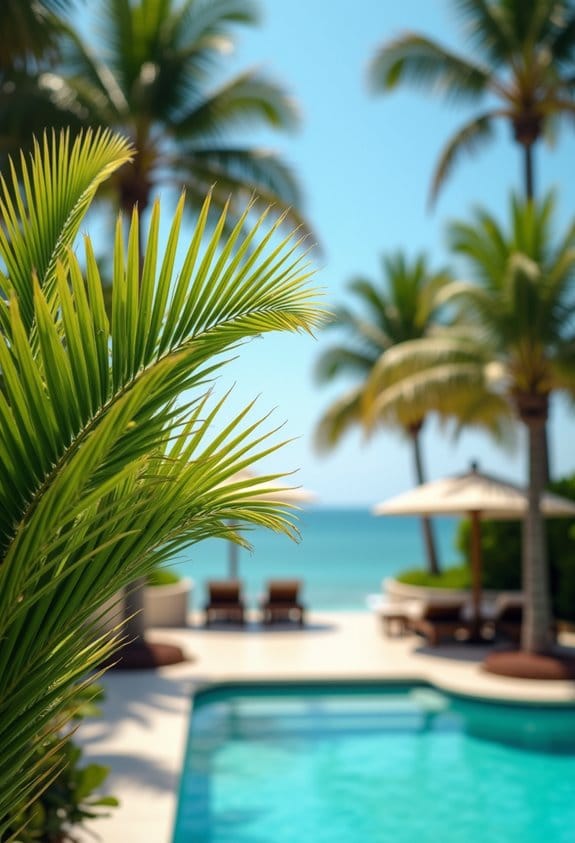
Mixing Palm Heights for Layered Landscape Design

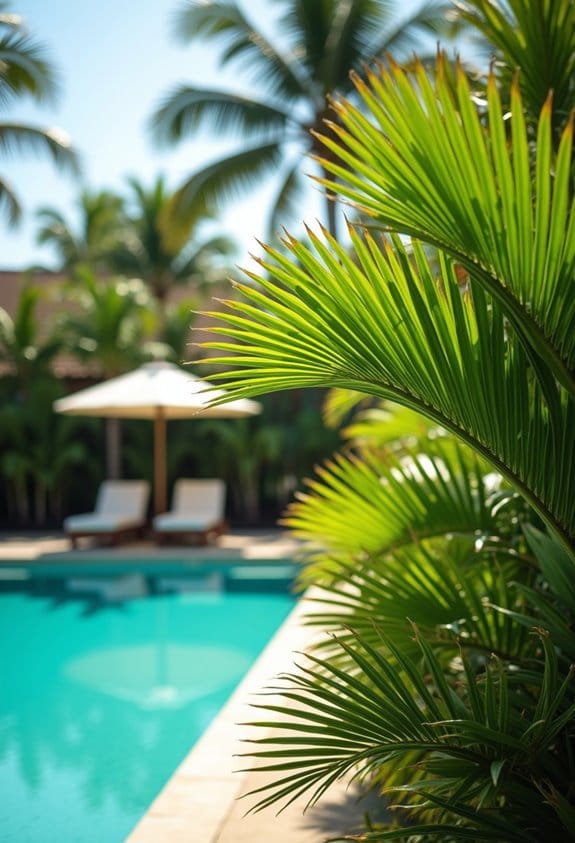
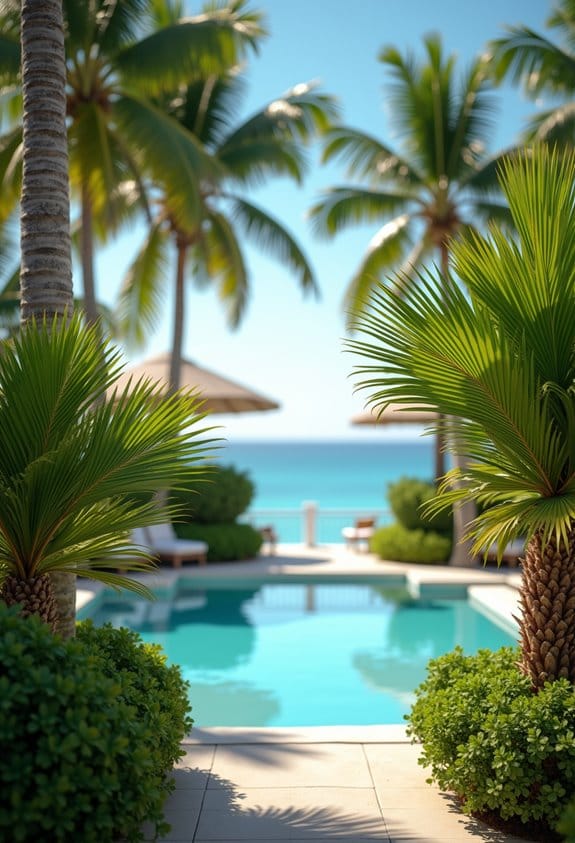
Mixing palm heights enhances landscape depth and ecological balance by combining tall palms like Royal Palm over 20 feet for background structure with midsize palms reaching 4 to 10 feet to fill middle layers, and small palms such as Pygmy Date Palm under 12 feet for foreground interest. This layered arrangement improves light distribution, airflow, and visual complexity while encouraging biodiversity and microclimate benefits. Careful spacing and odd-numbered groupings optimize natural aesthetics. Further insights reveal how to refine these techniques efficiently.
Key Takeaways
- Vary palm heights to create visual complexity and naturalistic outdoor spaces enhancing ecological mimicry and layered depth.
- Use tall palms like Royal Palm as background vertical anchors to define spaces and improve airflow.
- Incorporate mid-sized palms to bridge height gaps and fill the middle ground for balanced garden depth.
- Position small palms in the foreground to add texture and prevent overcrowding while maintaining visual interest.
- Layer palms strategically to optimize light patterns, form beneficial microclimates, and support sustainable biodiversity.
The Importance of Palm Height Variation in Landscape Design
Incorporating varying palm heights within a landscape design enriches visual complexity while promoting ecological mimicry, vital for creating naturalistic outdoor spaces. Mixing palm heights enhances visual interest by creating a layered landscape that mimics natural ecosystems and provides balance among species. Using shorter palms, like the Pygmy Date Palm reaching about 6 feet, in the foreground improves depth, while ensuring effective light distribution for undergrowth. Taller palms cast dappled shade, benefiting lower plants and contributing to air circulation. This natural layering also supports privacy by screening unwanted views without blocking sunlight entirely. Proper selection is vital, considering growth rates and mature heights to maintain harmony within the garden. Thoughtful planning of palm heights not only delivers aesthetic appeal but also fosters sustainable, functional outdoor environments. Additionally, choosing species suited to coastal climates with proper weather resistance ratings ensures the longevity and resilience of your layered landscape design.
Selecting Tall Palms for Background Structure
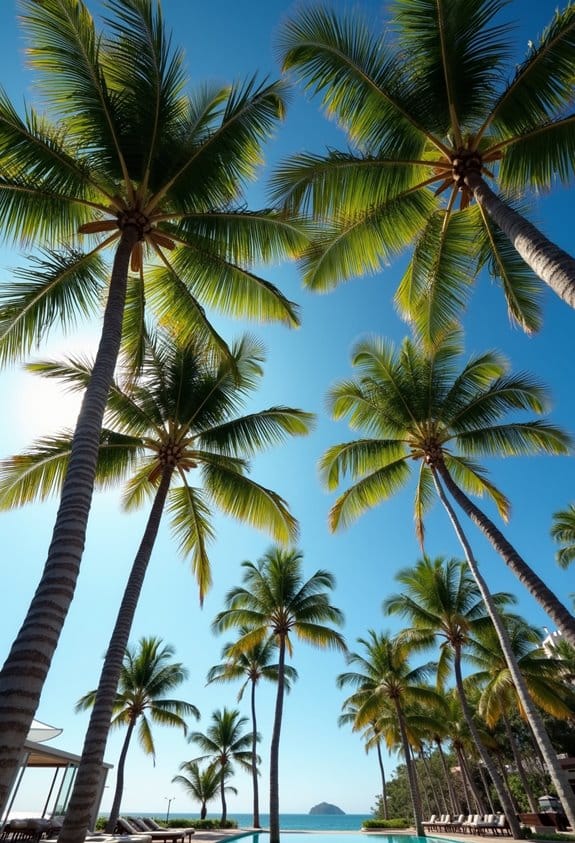
When designing a layered landscape, selecting tall palms for the background provides essential vertical structure and visual anchor points that define garden spaces. Tall palms like the Royal Palm (Roystonea regia), reaching 50 to 70 feet, and the fast-growing Washingtonia robusta, up to 100 feet, offer dramatic height and strong background structure. The Canary Island Date Palm’s robust trunk adds elegant texture, while the Coconut Palm brings a tropical vibe along with edible fruit. Proper spacing is vital to accommodate mature sizes, ensuring airflow and health are maintained. Incorporating these palms enhances curb appeal by creating layers that guide the eye upward, establishing depth and sophistication within the landscape design. Selecting the right species by size and growth habit optimizes the vertical framework necessary for a harmonious garden backdrop. For consistent visual impact without maintenance, consider integrating artificial palm trees that offer realistic designs and durable stability.
Recommended Products

HANDCRAFTED EXCELLENCE – Each Cosapots Semplito Grand rectangular planter is meticulously handmade with high-quality fiberglass and resin by skilled artisans under the guidance of Belgian architects.

PREMIUM STAINLESS STEEL - This version of the Fat Boy is constructed of 316 stainless steel with a brushed finish to add a sleek, modern look to any outdoor space. The body, knuckle, screws and knobs are each made of stainless steel. Grade 316 stainless steel is an alloy of iron, chromium, nickel and molybdenum. It is ideal for outdoor applications due to its strength and resistance to corrosion (rust), even in high-saline environments like coastal areas.

Size 16" long x 4" deep x 11" high
Mid-Sized Palms to Enhance Garden Depth
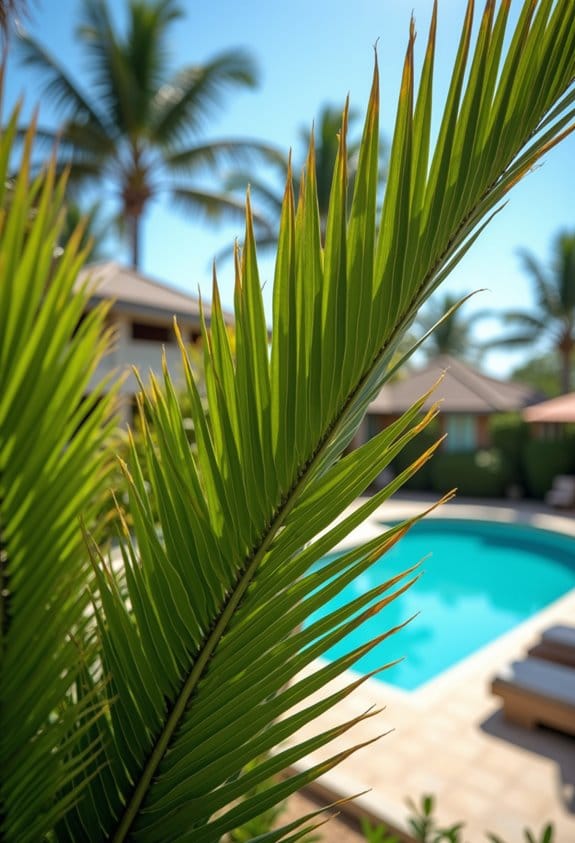
Mid-sized palms, such as the Parlor Palm (Chamaedorea elegans) and the European Fan Palm (Chamaerops humilis), occupy an essential position in layered landscape design by bridging the vertical space between tall palms and ground covers. Typically reaching heights of 4 to 10 feet, these mid-sized palms fill garden space in the middle ground, enhancing visual depth and creating a lush tropical feel. Careful arranging plants in groups of odd numbers—3, 5, or 7—strengthens natural composition and showcases their varied textures. Considering their light and water needs guarantees compatibility with surrounding flora and promotes a balanced ecosystem. Incorporating multiple mid-sized palm varieties attracts pollinators, enriching biodiversity while enriching layered landscape design’s dimensionality and dynamism within garden space. Selecting palms with durability and weather resistance ensures they thrive in coastal environments and contribute to a sustainable garden.
Recommended Products

60``Ceiling Fan from the Windflower collection

⚽️ STRONG BUILD: The KICK Legend 55" indoor table features durable MDF and a scratch-resistant surface, perfect for fun, stable, and highly engaging family soccer games. ✅

Natural Sisal fibers are used to make this everyday rug
Choosing Small Palms for Foreground Interest
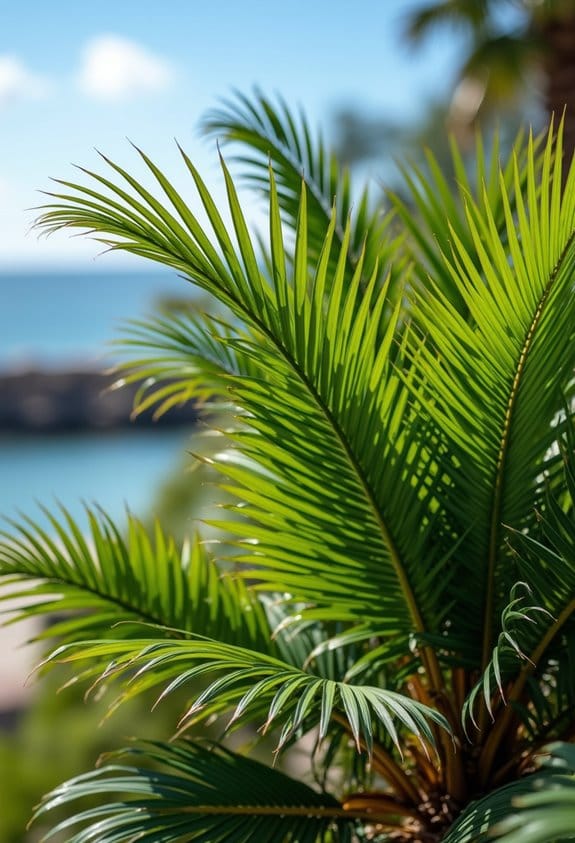
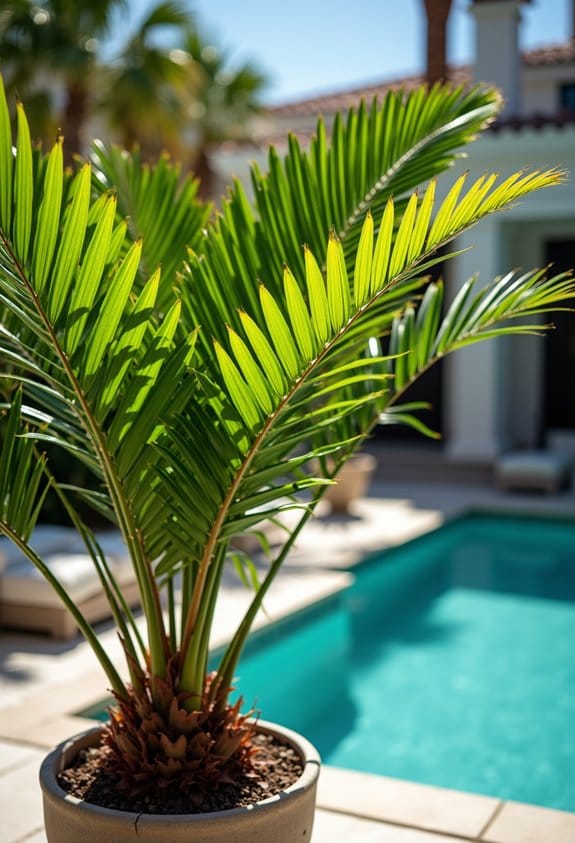
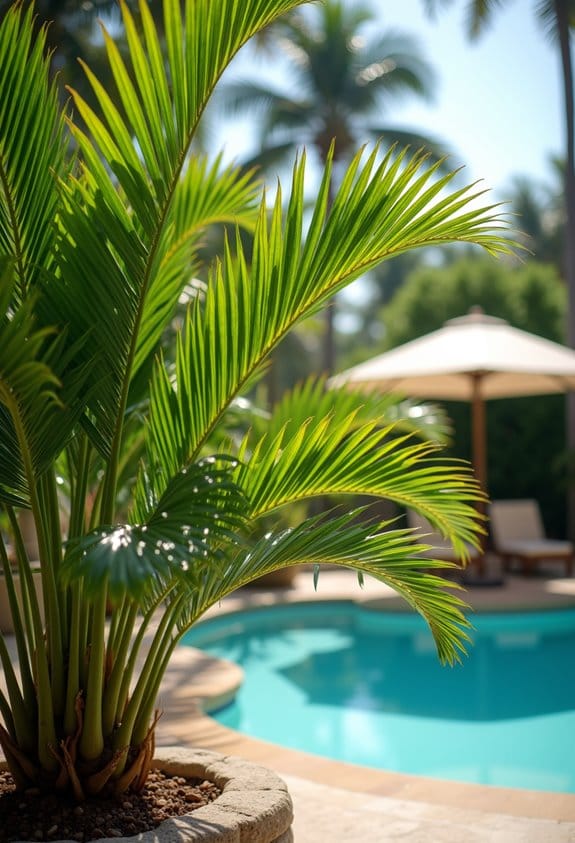
Small palms provide essential foreground interest in layered landscape design, typically ranging from 3 to 12 feet tall and offering visually engaging textures. Species such as the Pygmy Date Palm, reaching 6-10 feet, and the Bottle Palm, growing up to 12 feet, deliver unique shapes and scale suitable for front garden layers. The Lady Palm thrives in shaded spots at 4-10 feet, adding textured fan-shaped leaves that complement surrounding plants. Sago Palms, although cycads, also fit well in foreground roles, growing 3-10 feet and allowing for container placement. Careful attention to spacing requirements is fundamental to balance visual impact and prevent overcrowding. Incorporating small palms thoughtfully guarantees a coherent garden design while enhancing depth and inviting visual interest in layered landscape design frameworks. For outdoor settings, selecting sago palms made from UV-resistant materials ensures durability and vibrant appearance despite weather exposure.
Recommended Products

Premium Protection: Raxwell Disposable Nitrile Gloves are expertly designed for professionals requiring dependable protection. With an 8.5-mil thickness, these heavy duty nitrile gloves excel in challenging tasks across various industries

Includes: [1] Double-fire-pit Rectangular dining table 44"W x 84"L x 29"H; [2] Palm Tree Swivel Rocking Chairs & [6] Palm Tree Stationary Dining Chairs with Olefin Walnut Cushions
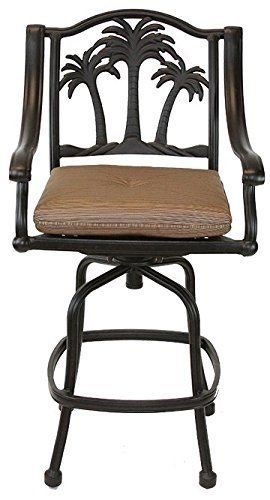
8 Palm Tree Swivel Bar Stools 30"H,Seat Cushions Included, Walnut Color
Combining Palm Textures and Colors for Visual Appeal
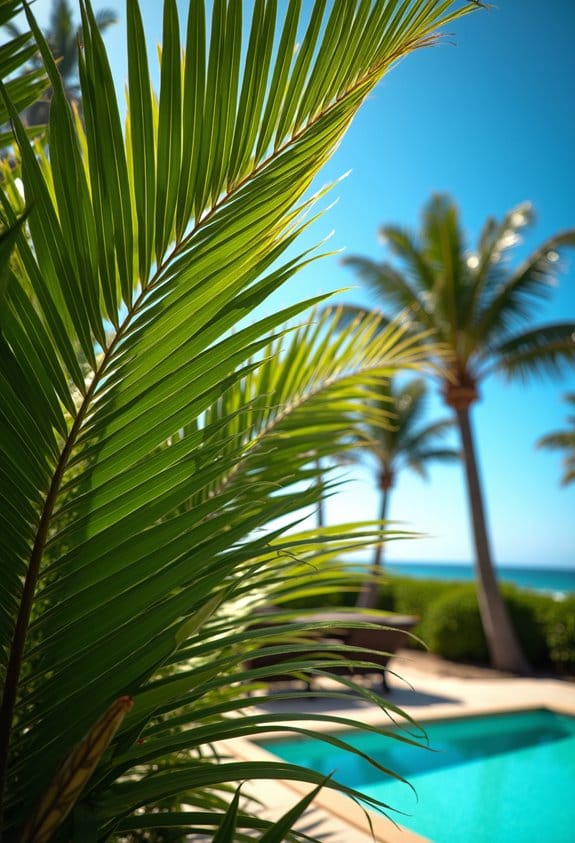
Mixing palm species with varied textures and colors enhances landscape design by creating layered depth and dynamic visual interest. Combining palm textures like the feathery Coconut Palm fronds with the fan-shaped leaves of Washingtonia Palms exemplifies how different textures enrich visual interest. Color variations among palm fronds, such as the deep green of Date Palms contrasted with lighter Areca Palms, develop a balanced and vibrant palette. Effective layering technique involves mixing palm varieties by height and growth rate, like pairing tall Royal Palms with shorter Pygmy Date Palms, creating a multi-dimensional skyline. This approach not only maximizes visual appeal but also maintains dynamic garden structure over time. Properly executed, mixing palm textures and colors transforms landscapes into an engaging, layered display of natural artistry. Additionally, choosing palms with UV-resistant fronds helps maintain color vibrancy and durability in outdoor coastal environments.
Recommended Products

Instantly Lush & Lifelike Paradise: Enjoy the vibrant, full look of mature tropics year-round! Features a single realistic coconut trunks and abundant fronds with countless detailed leaves boasting authentic palm texture. Arrives ready to shape for a perfectly natural silhouette.

This 7 feet majestic artificial phoenix palm tree features large, vivid palm fronds filled with countless arching feather-like leaves with realistic palm texture. It looks so natural and great! If you're aiming for a tropical paradise atmosphere, this is definitely the best choice. Your friends, partners, and relatives will be in awe as this extra tall palm tree awaits to dance in the warm tropical breezes

Designing for Light and Microclimate Benefits
Effective landscape design with palms requires careful attention to light patterns and microclimate creation to optimize plant health and growth. Taller plants provide essential shade, protecting low-growing species from intense sunlight while reducing temperatures by 5-10°F beneath their canopy. Strategic layering of palms forms microclimates by blocking wind, which benefits delicate plants sensitive to drought or cold, especially in USDA zones 9-11. Incorporating a diverse range of palm heights encourages biodiversity, supporting various insects and wildlife crucial for ecosystem balance. Creating a garden with these principles improves moisture retention during dry spells due to natural windbreaks formed by taller palms. Selecting palms suited to local climates guarantees sustainable nutrient and water use, streamlining maintenance and fostering a resilient, thriving layered landscape design. Additionally, using palms with weather-resistant designs ensures year-round durability and minimal upkeep in varying environmental conditions.
Maintenance Tips for a Layered Palm Landscape
Maintaining a layered palm landscape requires regular attention to pruning, watering, and soil care to preserve both health and structured aesthetics. It is crucial to prune dead fronds promptly to encourage growth and maintain the desired palm height across USDA zones 9-11, where most palms thrive. Consistent moisture management tailored to each palm’s root depth avoids drought stress; applying a 2-3 inch mulch layer around bases retains soil moisture and improves landscape appearance. Selecting species suited to local climate and soil pH, typically between 6.0 and 7.5, minimizes maintenance efforts. Monitoring for pests like palm weevils and diseases such as lethal yellowing enables early intervention, preserving the palm’s vigor. These targeted maintenance practices guarantee a resilient, visually appealing layered landscape that balances longevity with minimal resource use. Additionally, incorporating durable and weather-resistant UV-resistant materials in your outdoor design can further protect palms and screens from sun damage while enhancing overall landscape longevity.
Recommended Products

BULK MULCH FOR LARGE PROJECTS: Pallet contains 80 bags of Scotts Nature Scapes Color Enhanced Mulch Deep Forest Brown; each 1.5 cu. ft. bag covers 6 sq. ft. when applied in a 3-inch layer

ORGANIC MULCH: With this Miracle-Gro Organic All Natural Mulch bulk pallet, you can cover your biggest landscaping and gardening projects

PREMIUM FIBERSTONE DESIGN: Upgrade your decor with this modern sphere planter crafted from durable fiberstone - perfect as a large plant pot, flower pot, or planter pot for trees, shrubs, and decorative plants. Its weather resistant finish makes it ideal for both indoor plant pots and outdoor planters, adding elegance to patios, porches, entryways, living rooms, or modern home decor while staying lightweight compared to heavy concrete pots.
Frequently Asked Questions
What Is the Rule of 3 in Landscaping?
The Rule of 3 in landscaping involves grouping three elements to create visual interest, enhance depth perception, and establish focal points. It balances plant variety and color, producing a harmony effect throughout the design for cohesive appeal.
What Is the 70 30 Rule in Gardening?
The 70-30 rule in gardening recommends 70% dominant plants and 30% smaller species, balancing soil composition, plant selection, sunlight exposure, watering techniques, maintenance schedules, and seasonal changes for ideal growth and harmonious landscape aesthetics.
What Are the Four Common Mistakes Landscapers Make When Planting?
Although often overlooked, the four common mistakes landscapers make include improper planting depth, ignoring soil quality, inadequate root spacing, and poor species selection. Additionally, neglecting seasonal timing and lacking a maintenance plan undermine plant health and landscape success.
How to Create a Layered Landscape?
Creating a layered landscape involves strategic plant selection, incorporating elevation changes, and coordinating color schemes. Designers consider seasonal variations and include maintenance tips to guarantee visual interest and healthy growth throughout varied landscape design elements.