As an Amazon Associate, we earn from qualifying purchases. Some links on this site are affiliate links at no extra cost to you. Our recommendations are based on thorough research and editorial judgment.

UV Index and Plant Health: What Gardeners Should Know

Gardeners should monitor the UV index, which peaks between 11 a.m. and 3 p.m., as UV-B radiation degrades chlorophyll and inhibits photosynthesis. Zones with UV indices above 8, such as Southern California, require shade cloths or physical barriers to protect plants from leaf yellowing and necrosis. Maintaining soil moisture helps reduce harmful UV reflection. Ideal growth occurs at moderate UV levels (index 3 to 6), balancing benefit and stress. Further guidance reveals detailed strategies to maintain plant health under varying UV conditions.
Key Takeaways
- UV index peaks between 11 AM and 3 PM, causing maximum plant stress and damage during this time.
- UV-B radiation damages chlorophyll and inhibits photosynthesis, leading to leaf yellowing and stunted growth.
- Using shade cloths or planting in shaded areas during high UV periods protects plants from excessive damage.
- Monitoring local UV index helps gardeners schedule activities during lower UV exposure times like early morning or late evening.
- Maintaining a moderate UV index (3-6) promotes healthy plant growth without causing stress or damage.
Understanding Ultraviolet Radiation and Its Effects on Plants
Although ultraviolet (UV) radiation comprises three types—UV-A, UV-B, and UV-C—plants mainly experience damage from UV-A and UV-B, which penetrate the atmosphere and can disrupt cellular processes. UV-B rays, in particular, intensify harm by degrading chlorophyll and inhibiting photosynthesis, especially during peak sun hours between 10 a.m. and 4 p.m. Prolonged sun exposure results in symptoms such as leaf yellowing, necrosis, and stunted growth in various plant species. Effective UV protection includes using shade cloths that block up to 90% of UV radiation and adjusting gardening activities to early morning or late afternoon. Maintaining soil moisture also reduces light reflection onto foliage, minimizing UV stress. These practical measures help safeguard plant health while maximizing gardening success under natural sunlight. For outdoor gardens, selecting UV-resistant plant materials can further protect greenery from fading and deterioration caused by sunlight exposure.
How Geography and Time of Day Influence UV Exposure
Because UV radiation varies with both geography and time, gardeners must understand these factors to effectively protect plants from damage. UV rays are strongest in lower-latitude regions such as Southern California and Northern Florida, where the UV index regularly exceeds 8 during summer months. Elevation also plays a role, with higher altitudes experiencing increased UV intensity due to thinner atmospheric layers. Time of day dramatically influences UV exposure; UV intensity peaks between 11 AM and 3 PM, making this the period when plants are most vulnerable. Morning and late afternoon offer safer in the sun windows for gardening, requiring less sun protection. Gardeners should monitor the daily UV index to identify when UV radiation poses risks and plan activities accordingly, ensuring plant health throughout the day. For outdoor gardening, selecting plants or accessories with UV resistance can significantly prolong their vibrancy and structural integrity in high UV environments.
Identifying Symptoms of UV Damage in Garden Plants
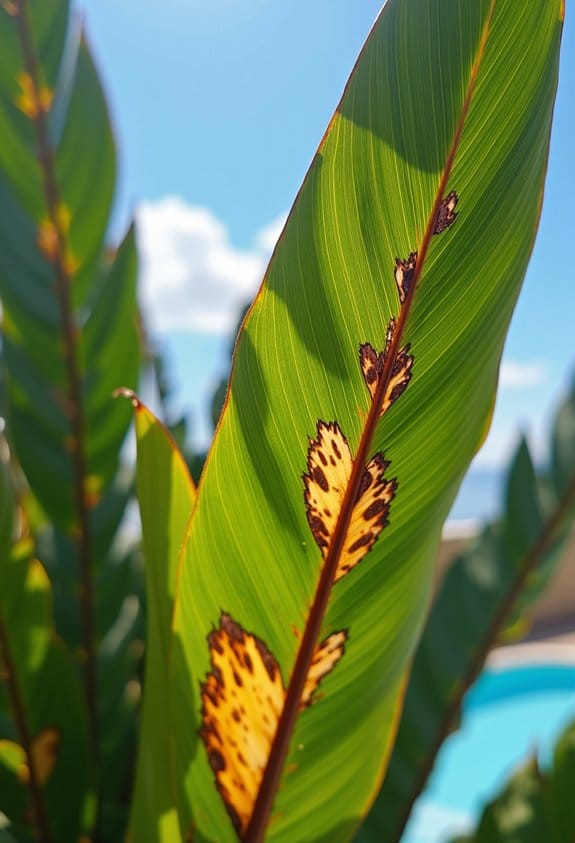
Exposure to elevated UV radiation levels, especially during peak hours between 11 AM and 3 PM, often results in visible harm to garden plants that keen observers can recognize early. Common symptoms include yellowing, whitening, or discoloration of leaves, signaling chlorophyll degradation from excessive UV rays. Plants may also show stunted growth, twisted leaves, and necrosis, indicating cellular and DNA damage caused by UV exposure. Moreover, reproductive issues like reduced pollen viability and lack of fruit formation suggest deeper UV-related stress. Some plants develop thicker, waxy leaves as a stress adaptation to mitigate damage. Mutations in flower size or shape and diminished seed viability further confirm UV damage’s impact. Recognizing these signs promptly helps gardeners assess plant health accurately under high UV index conditions, particularly in zones experiencing daily temperatures above 30°C. Using plants with UV-resistant material in outdoor gardens can help mitigate these adverse effects and maintain vibrant foliage.
Recommended Products

Faux Wall Panels Size - 20" x 20"/40" x 40" , fake grass wall panels backdrop, multiple style choices, available as a single panel up to 30-pack. Floral grass wall panels look great on walls, fences, and more. Perfect for residential and commercial Indoor or outdoor garden decor.

Premium Material - Constructed using high-density polyethylene, these green wall panels retain their freshness and vibrancy even in challenging outdoor conditions. Integrated UV protection ensures long-lasting color retention.

Deluxe Ultra-thick & Luxurious High Artificial Grass Rug: The thickened high-density turf,with 1.77 inch High blade,with 4 Tone Design, lush and luxurious, soft and beautiful landscape grass. W-shaped yarn, upright and natural looking.Feels nice and fresh on bare feet.
Strategies to Protect Plants From Excessive UV Radiation
Gardeners can implement multiple strategies to reduce the harmful effects of UV radiation, particularly when the UV index exceeds 6 and daytime temperatures surpass 30°C in zones 9 through 11. Installing sun shades or cloth during peak sun hours effectively lessens ultraviolet rays on plants in full sun, minimizing leaf burn and stress. Maintaining consistently moist soil assists in absorbing UV light and prevents reflection, which can exacerbate plant damage. Using plant sunscreens provides an added protective layer against intense UV exposure, especially for sensitive species. Additionally, creating physical barriers like trellises or taller companion plants shields vulnerable growth from direct sunlight. These strategies collectively help control ultraviolet rays, ensuring plants withstand harsh sun conditions without suffering from excessive UV stress or irreversible damage. Selecting plants made from UV-resistant materials can also be crucial in outdoor garden areas to enhance durability under strong sunlight.
Balancing UV Exposure for Optimal Plant Growth
While managing UV levels carefully, maintaining a UV index between 3 and 6 fosters perfect plant growth in zones 9 through 11 during temperatures ranging from 20°C to 30°C. Gardening in this moderate UV range maximizes exposure to both UV-A and UV-B radiation, which enhances physiological processes without causing excessive stress. Monitoring local UV index forecasts helps identify prime times for outdoor activities, typically early morning or late evening when UV intensity is lower. Moderate UV levels stimulate beneficial traits such as improved flavor while preventing leaf damage linked to higher indices exceeding 6. For sensitive species, gardeners may employ shade cloths or UV-blocking materials to balance light exposure effectively. This precise management of UV index guarantees robust plant growth and sustained health across varying environmental conditions. Additionally, selecting plants that demonstrate weather resistance ratings suitable for your environment can further enhance garden resilience in coastal or variable climates.
Frequently Asked Questions
What Is the 70/30 Rule in Gardening?
The 70/30 rule in gardening advises completing 70% of tasks during low sunlight exposure to optimize watering frequency, soil composition, and pest control, supporting plant nutrients absorption and climate adaptation, while reserving 30% for peak sunlight hours.
What Is the 3-Hour Gardening Rule?
A gardener in Arizona avoids outdoor work from 11 a.m. to 2 p.m. daily, following the 3-hour gardening rule. This minimizes sun exposure and UV radiation, stabilizes soil temperature, enhances plant growth, and encourages indoor gardening during seasonal changes.
Does the UV Index Affect Plants?
The UV Index affects plants by influencing sunlight exposure and UV radiation levels, which can hinder the photosynthesis process and plant growth. Recognizing shade requirements helps maintain garden health and prevents stress from excessive UV radiation.
How Long Should Plants Be Under UV Light?
Plant light duration under UV light varies by species and growth stages. Ideal lighting conditions balance UV light intensity and exposure time. Indoor gardening tips recommend moderate UV light exposure, avoiding prolonged exposure to prevent stress and support healthy plant growth.