As an Amazon Associate, we earn from qualifying purchases. Some links on this site are affiliate links at no extra cost to you. Our recommendations are based on thorough research and editorial judgment.

How to Acclimate Indoor Palms to Outdoor Sun Exposure

To acclimate indoor palms to outdoor sun, move them in late spring when nighttime temperatures stay above 50°F and daytime highs exceed 60°F. Start in shaded or dappled sunlight areas to prevent frond damage, gradually increasing direct exposure over 7 to 14 days. Monitor leaves for yellowing or browning indicating sunburn and protect against strong winds. Maintaining soil pH between 6.0 and 7.5 and consistent humidity near 50-60% helps healthy adaptation. Further guidance guarantees their successful transformation.
Key Takeaways
- Start by placing palms in shaded or partially sunny areas for 1-2 days to reduce sun stress.
- Gradually increase outdoor sunlight exposure over 7 to 14 days for safe acclimation.
- Monitor leaves for yellowing, browning, or wilting as signs of sunburn or stress.
- Avoid exposure to direct afternoon sun and focus on gentle morning sunlight initially.
- Ensure nighttime temperatures stay above 50°F to prevent cold shock during the transition.
Selecting the Right Location for Your Palms Outdoors
Although indoor palms can adapt to outdoor conditions, selecting the right location is crucial to prevent sunburn and maintain healthy growth. Ideal spots offer filtered light or partial sun exposure, mirroring the palms’ natural habitats to reduce leaf scorch. The adaptation process benefits from initially placing palms in shaded or semi-covered areas, easing their adjustment to varying light intensities. Sites with protection from strong winds are preferable, as wind can damage the delicate fronds. Attention to temperature fluctuations, especially between 50°F nights and 75°F daytime averages, helps maintain consistent growth. Understanding each palm species’ light preference—whether full sun or partial sun—is essential to positioning them correctly. Choosing locations that stabilize microclimates further enhances plant health during pivotal outdoor exposure. Additionally, ensuring the soil is well-draining with a pH of 6.0 to 7.5 supports optimal root health as palms transition outdoors.
Recommended Products
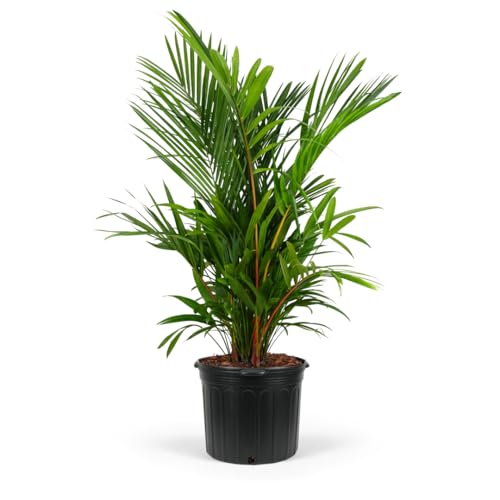
Exotic Beauty: Unique Lipstick Palm with striking red stems and glossy green foliage for a bold, tropical look.

[ Galvanized Steel Planter] 32" W x 32" L x 32" H. Heavy Duty Galvanized Steel Planter. Easy to Install. Package: 4 sides and a bottom surface with 2 drainage holes, Installation Manual x 1, M5 Allen wrench x 1, screw x 22, gloves x 1.

THIS PLANT DOES NOT SHIP TO CALIFORNIA - Farm-Grown Quality: Nurtured with care on our farm, ensuring robust health and vibrant growth for your Queen Palm.
Ideal Timing for Moving Palms Outside
Selecting the ideal time to move indoor palms outside hinges on stable nighttime temperatures consistently above 50°F (10°C), reducing the risk of cold shock. For most regions, late spring offers the best window to begin moving palms outside, ensuring chilly nights no longer threaten growth or leaf integrity. Premature exposure to outdoor sunlight or temperatures below this threshold can stunt development and cause damage. When acclimating palms outdoors, it is critical to monitor local weather patterns for unexpected drops below 50°F, which may require delaying the changeover. Gradually increasing exposure to outdoor sunlight after confirming stable nighttime temperatures promotes healthy adaptation. This careful timing supports palms in thriving under new environmental conditions while minimizing stress during their essential shift from indoor to outdoor life. Additionally, selecting palms that are hardy in coastal climates ensures better weather resistance to outdoor elements during acclimation.
Preparing Palms for Outdoor Conditions
Gradually shifting indoor palms to outdoor conditions begins by positioning the plants in a shaded environment for at least two days, minimizing initial exposure to direct sunlight. Preparing palms involves placing them where they receive appropriate light levels, allowing their leaves to adjust without burning. After this initial phase, caretakers should gradually increase its exposure to sunlight over the next 7 to 10 days, starting with just 1-2 hours outdoors. During this period, monitoring for signs of distress such as yellowing leaves or brown spots is essential—these symptoms indicate the need to reduce sun exposure or return the palm to a shaded area temporarily. Additionally, nighttime temperatures must remain above 50°F to avoid cold shock, ensuring healthy acclimation of the palms to outdoor conditions. Using palm trees made from UV-resistant materials can further protect your plants when exposed to direct sunlight during this transition period.
Recommended Products

Pacifica 100% solution dyed polyester fabric

Costa's most high tech lens - 580 Glass provides superior clarity, ultra scratch-resistant, 100% UV protection and the best polarizing efficiency available.

UV Protection for All-Day: Block up to 95% of harmful UV rays with our sunshade fabric, safeguarding your skin and creating a cool, inviting outdoor area. Easy to clean with water. Not easy to fade or deform
Step-by-Step Guide to Gradual Sun Exposure
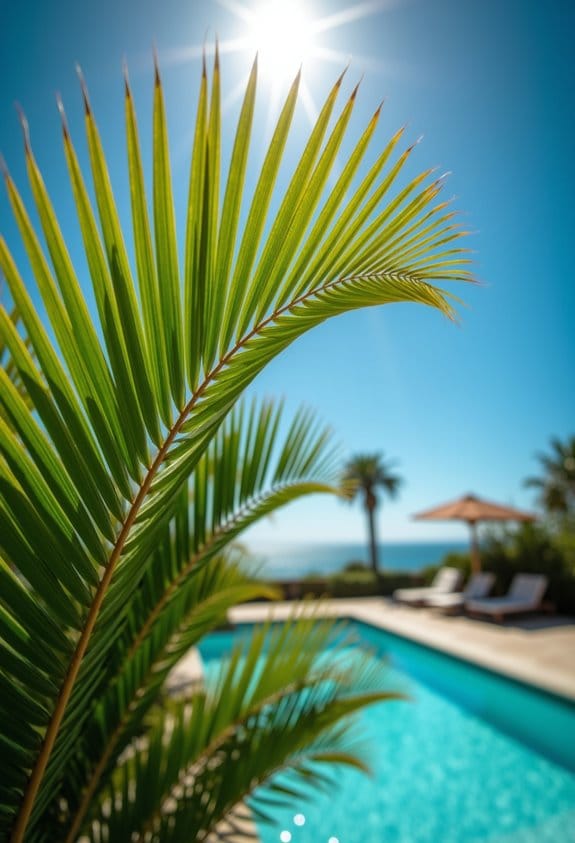
When beginning the acclimation process, place indoor palms outdoors in a shaded area for 1 to 2 hours on the first day to minimize stress from sudden sunlight exposure. Over the next 7 to 10 days, gradually increase light exposure by extending time outdoors by 1 to 2 hours daily. Starting around day seven, introduce palms to gentle morning sun or dappled sunlight, which is less intense than midday rays. Careful monitoring during this gradual exposure is essential to detect stress symptoms early. If yellowing leaves or brown spots appear, move palms back to a shaded area and slow the acclimate schedule. Verify nighttime temperatures remain consistently above 50°F to avoid cold shock, which can impede growth during this critical adjustment period. Additionally, outdoor artificial palms typically feature UV-resistant materials to maintain their vibrant appearance even under direct sunlight.
Recommended Products

Features - Outdoor-ready UV-Proof materials. See details below

YEAR-ROUND TROPICAL VIBES: Enjoy the lush, full canopy of fronds inspired by the tropical Florida coast all year long with this 12ft UV resistant artificial areca palm tree.

Built for daylight: Quietly amber inside, boldly reflective outdoors. Long-Lasting Luxury eyewear; premium-quality name with a 2-year warranty. Our mens designer sunglasses have high-end durability & out-of-this-world comfort. Women's sunglasses & eyewear accessories too, a supreme addition for luxury, urban, and streetwear wardrobes
Monitoring Leaf Health During Acclimation
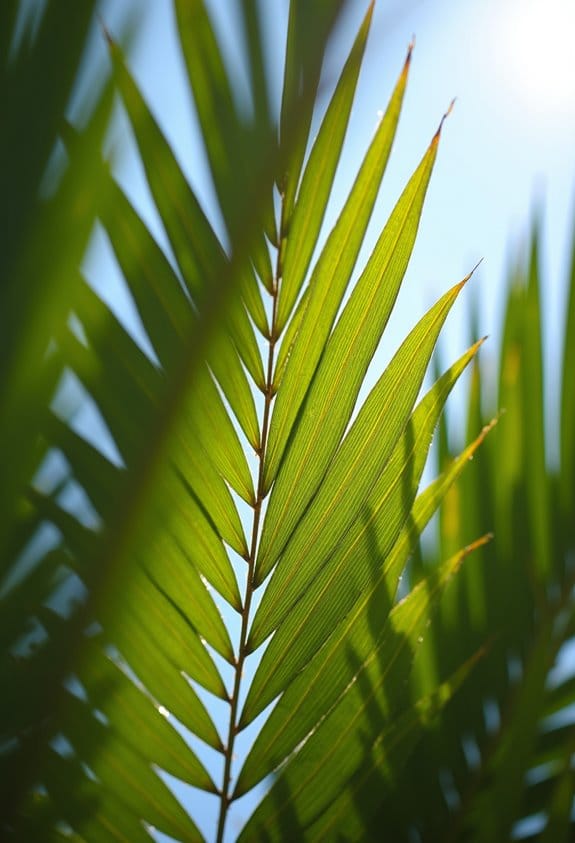
Consistent leaf inspections are essential throughout the acclimation period to track an indoor palm’s response to increasing sunlight levels. Monitoring leaf health involves checking for yellowing or browning spots, which indicate sunburn caused by insufficient adaptation to new light conditions. A vibrant green leaf signals successful adjustment, while fading suggests the plant should be moved to a shadier spot. The acclimation process also requires observing leaf wilting or drooping, often signs of inadequate watering or excess sun exposure. Significantly, new frond growth confirms that the plant adjusts well to outdoor light. Additionally, brown or curled leaf tips may warn of dehydration, prompting more frequent watering or partial shade placement. Careful monitoring guarantees leaf health remains ideal as the palm shifts to its outdoor environment. For long-term success, selecting plants with UV resistance can help maintain vibrant leaf color and prevent damage from sun exposure.
Managing Temperature Fluctuations Effectively
Although outdoor sun exposure benefits indoor palms, managing temperature fluctuations is crucial to prevent stress or damage during changeover periods. To help the plant adjust effectively, monitor nighttime temperatures closely, avoiding exposure below 50°F (10°C), which risks cold shock and growth stunting. Daytime highs should consistently remain above 60°F (16°C); using a thermometer to track outdoor conditions supports informed placement decisions. Avoid immediate exposure to direct sunlight, as the sharp contrast between indoor and outdoor temperature can shock the palm. Providing shelter from strong winds and extreme heat during warm afternoons reduces temperature-related stress. Sudden drops in temperature during weather shifts can cause leaf damage, so gradual acclimation and careful observation guarantee the palm adapts safely and thrives under varying outdoor temperature conditions. Additionally, incorporating a mulch root zone helps insulate roots and protect trunks from frost damage during winter dormancy.
Adjusting Watering Practices for Outdoor Palms
Since outdoor palm plants experience increased evaporation from sun and wind exposure, their watering requirements often rise compared to indoor conditions. During acclimation, watering practices must adapt to outdoor conditions, paying close attention to soil moisture. It is essential to water thoroughly when the top inch of soil feels dry, ensuring pots have adequate drainage to prevent root rot. Light intensity and environmental factors like temperature and wind influence soil drying rates, so schedules should be adjusted accordingly. Monitoring the palm for signs of stress—such as wilting or yellowing leaves—helps identify under- or overwatering. Gradual acclimation improves resilience, avoiding excessive moisture that harms root systems. This precise balance maintains healthy palms during their shift to the brighter, drier outdoor environment. Additionally, selecting artificial palm trees made with UV-resistant materials can complement your outdoor garden aesthetics without the upkeep challenges of living plants.
Recommended Products

LONGSTANDING FLEXIBILITY: Built on the Moen M-PACT common valve system, allowing you to update the faucet style in the future without replacing any plumbing
LONG REACH: Dual joints allow for maximum reach up to 24-3/8 inches from the wall

FOUR METHODS: Smart faucet features four unique methods of control that you can mix and match, independent of the handle position – Voice, App, Hands-Free, or Manual
Preventing Sunburn on Sensitive Palm Leaves
A gradual introduction to outdoor sunlight is crucial for sensitive palm leaves to avoid sunburn damage caused by sudden exposure. To acclimatize palms effectively, begin by placing them in dappled sunlight or shaded areas for 7 to 14 days, limiting direct exposure initially. Gradually increase outdoor sun exposure over 7 to 10 days, focusing on morning sunlight, which offers gentler radiation compared to the afternoon’s intense heat. Monitor leaf color closely for yellowing or browning tips, early signs indicating sunburn stress. If sunburn occurs, promptly return the palm to shade and restart acclimatization. Avoid placing palms outdoors during peak sun intensity and high temperatures above 85°F (29°C) to minimize risk. This systematic approach guarantees sensitive palms adapt safely to outdoor environments without suffering sunburn damage. Additionally, choosing UV-resistant materials for artificial palms can help prevent fading and extend their lifespan during outdoor exposure.
Recommended Products

PATIO REFRESH - Escape to peaceful serenity in your own porch with an inviting patio swing. Accommodate the needs of your outdoor space with a modern hanging chair perfect for relaxing

ALL-POLYPROPYLENE BUILD : Couristan's 100% polypropylene construction including binding delivers complete water resistance from top to bottom, outlasting outdoor rugs that trap moisture, develop, and deteriorate within seasons

BELGIUM-MADE TAPESTRY CONSTRUCTION: 100% Courtron polypropylene with polyester accents in a structured tapestry weave delivering indoor-quality detail and richness with complete outdoor weather resistance
Protecting Palms From Outdoor Pests and Weather
When palms shift from indoor to outdoor environments, vigilant pest monitoring becomes essential to maintain healthy foliage, particularly for common threats like spider mites, aphids, and mealybugs. Regular leaf inspections, especially in humid conditions, help detect infestations early. Applying insecticidal soap or neem oil efficiently controls pests without harming the plant. Establishing a protected area shields palms from damaging wind and heavy rain, which can strip leaves or cause root rot due to poor drainage. Monitoring outdoor temperature is critical; palms should be brought indoors if temperatures drop below 50°F (10°C) to avoid cold stress. Maintaining consistent humidity levels around 50-60% aids in pest resistance and prevents leaf desiccation. These steps guarantee palms thrive outdoors while minimizing weather and pest-related hazards during their acclimation period. Additionally, selecting palms with UV-resistant designs ensures durability against sun exposure and harsh conditions during acclimation.
Signs Your Palm Is Ready for Full Outdoor Sunlight
Successful acclimation of palms to outdoor sunlight typically requires a gradual exposure period lasting approximately 7 to 10 days, beginning with filtered or dappled light to reduce stress on the foliage. Signs of readiness for full sun include robust green leaves without yellowing or browning, indicating the palm has acclimated to increased light levels. New growth is a reliable indicator that the palm is thriving in its environment and can tolerate more direct sunlight. Additionally, intact leaves free from burn marks after gradual exposure demonstrate the plant’s ability to handle full sun conditions. Consistent nighttime temperatures above 50°F (10°C) and stable weather patterns are also essential factors confirming the palm’s preparedness for outdoor placement in direct sunlight. For palms exposed to harsh lighting conditions, utilizing UV-resistant features can help maintain vibrant foliage and reduce damage during acclimation.
Frequently Asked Questions
How to Acclimate Houseplants to the House After Being Outside for the Summer?
To acclimate houseplants indoors, gradual indoor plant care with shorter daytime exposure is essential. Seasonal adjustments include monitoring temperature acclimation above 50°F, addressing environmental changes, and observing plant health to prevent stress or damage during adjustment periods.
How to Acclimate a Plant to Direct Sunlight?
A plant adapts to direct sunlight through gradual introduction, increasing sunlight exposure incrementally. This process considers light intensity and temperature adaptation, allowing adjustment to outdoor conditions while minimizing stress and promoting healthy growth resilience.
Can Indoor Palms Go Outside in Summer?
Indoor palms can be placed outside in summer when temperature changes remain mild. Proper summer care involves gradual sunlight exposure suitable for specific palm types, considering outdoor conditions to prevent stress and guarantee healthy growth.
How to Transition Plants From Inside to Outside?
Shifting houseplants is a delicate dance under nature’s spotlight; indoor plant care must gently introduce outdoor sunlight exposure. Gradual seasonal plant adaptation, attentive palm tree maintenance, and mindful watering guide palms from cozy interiors to vibrant outdoor domains.