As an Amazon Associate, we earn from qualifying purchases. Some links on this site are affiliate links at no extra cost to you. Our recommendations are based on thorough research and editorial judgment.


DIY Soil Testing for Optimal Palm Nutrition

DIY soil testing for palms involves collecting 12 to 15 soil subsamples at six-inch depth from varied planting spots, then air-drying them overnight in sterile jars. Testing focuses on key nutrients like potassium and magnesium, with ideal soil pH between 6.0 and 7.5 for optimal nutrient uptake and palm health. Simple methods include vinegar and baking soda tests to assess alkalinity or acidity, paired with inexpensive kits for nutrient measurement. Proper testing guides precise soil amendments to boost palm growth—further insights clarify effective adjustment strategies.
Key Takeaways
- Collect 12-15 soil subsamples from varied spots at six-inch depth to create a representative composite sample for testing.
- Use simple DIY tests like the jar method or vinegar and baking soda reactions to estimate soil pH and acidity levels.
- Measure essential nutrients—nitrogen, potassium, and magnesium—using affordable soil test kits to identify deficiencies affecting palm health.
- Aim for soil pH between 6.0 and 7.5 to optimize nutrient availability and promote robust palm growth.
- Repeat soil testing every 1-3 years to monitor fertility changes and guide timely soil amendments for optimal palm nutrition.
Importance of Soil Testing for Palms
Evaluating soil conditions through testing is a critical step in maintaining palm health, as it reveals essential nutrient levels and soil pH. Palms preferably grow in slightly acidic to neutral soil, with an ideal pH range of 6.0 to 7.5, measurable by using a soil testing kit. Regular soil tests identify nutrient deficiencies, particularly nitrogen, potassium, and magnesium, which are crucial for plant health and development. Testing every one to three years supports tracking changes in soil fertility and informs timely amendments. Healthy soil with balanced nutrient levels promotes robust palm growth, while uncorrected deficiencies can stunt development. Understanding specific palm species’ nutrient demands through soil analysis guides fertilizer choices, ensuring tailored and effective care to optimize vigor in diverse growing zones and soil textures. For enhanced growth, integrating palms with UV-resistant materials in surrounding landscape elements can contribute to sustained plant health in outdoor settings.
Collecting and Preparing Soil Samples
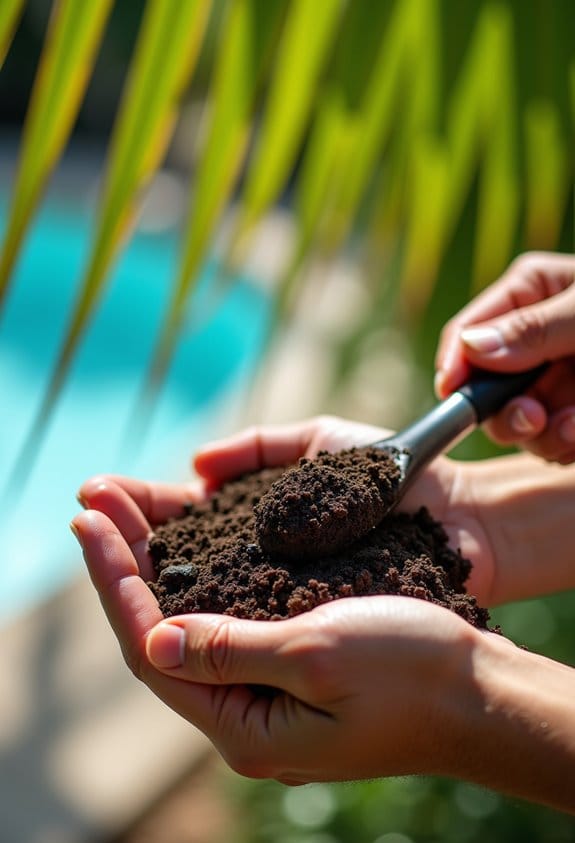
Begin soil sampling for palms by collecting 12 to 15 subsamples from varied locations within the planting area, ensuring a representative composite sample. Use a clean spade to collect soil at a depth of six inches, where nutrient availability is highest. Place each subsample into sterile pint-sized glass jars to prevent contamination and preserve sample integrity for accurate soil tests. After mixing, spread the composite soil sample on clean newspaper to air-dry overnight, avoiding heat exposure that could alter soil pH and chemical properties. Label each jar clearly with the location and palm species to assist in interpreting the soil health assessment results. Properly collecting and preparing soil samples is essential for testing your soil effectively, providing crucial information to optimize palm nutrition and overall health. Additionally, understanding the durability of palm materials helps in correlating soil needs with the palm species’ resilience and growth requirements.
Recommended Products
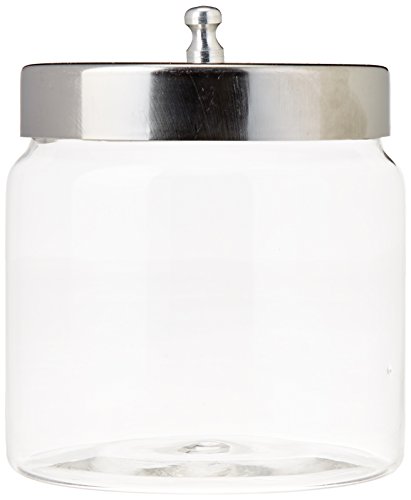
Organized Medical Dressing Storage – Perfect for storing cotton balls, swabs, tongue depressors, and other small medical supplies in clinics, hospitals, and doctor’s offices — or even at home.

Classic design keeps frequently used supplies like applicators, bandages, cotton, gauze, and tongue depressors organized and within easy reach
Key Nutrients and Ph Levels for Palms

Once soil samples are collected and prepared correctly, analyzing the pH level and nutrient content becomes the next step for optimizing palm health. A pH test reveals if the soil is acidic or within the ideal 6.0 to 7.0 range, essential for nutrient availability. Key nutrients for palms include potassium, crucial for disease resistance, and magnesium, which supports leaf color and vigor. Potassium deficiency can cause yellowing fronds, while magnesium shortages lead to interveinal chlorosis on older leaves. Using a reliable soil test kit helps quantify nitrogen, potassium, magnesium, and micro-nutrients like iron and zinc important for vitality. Regular testing guides nutrient amendments, preventing imbalances. Ensuring proper pH and balanced key nutrients promotes robust palm growth throughout zones where temperature and soil conditions fluctuate seasonally. Additionally, selecting soil with a loose texture and 10-20% organic matter enhances moisture retention and complements optimal nutrient availability for palms, especially in sandy or loamy soils.
Recommended Products

BOLD STATEMENT: Matte Black finish adds a touch of sophistication to any room
WARM AND INVITING: Brushed Nickel finish provides a lightly brushed warm-grey metallic look
WARM AND INVITING: Brushed Nickel finish provides a lightly brushed warm-grey metallic look
DIY Soil Testing Methods for Palm Gardens
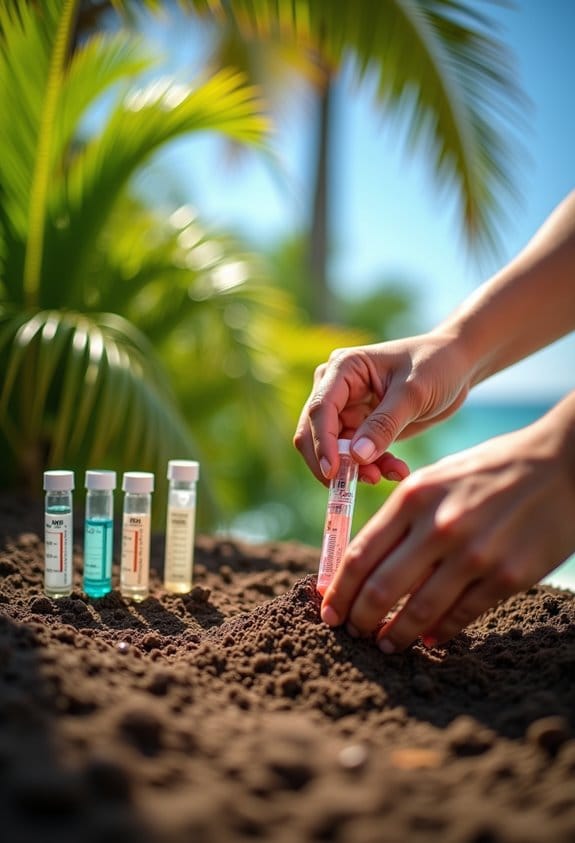
Several straightforward DIY soil testing methods effectively assess soil conditions for palm gardens, providing critical insights into nutrient availability and pH balance. The jar method involves mixing one cup of soil with one cup of distilled water, letting it settle, and examining the layers for texture and organic matter content, which indicates drainage suitability and cation exchange capacity. To test your soil’s pH, add one cup of soil with distilled vinegar; bubbling signals alkaline soil. For acidity, mix soil, water, and baking soda, with fizzing showing acid levels needing correction. Regular use of inexpensive test kits complements these techniques. Rotating crops and retesting every three years helps maintain ideal nutrient balance, ensuring palms receive adequate magnesium and potassium for healthy growth and resilience.
Recommended Products

Measures pH values from 3.5 to 8

Ultra-High Precision: Professional 7-in-1 soil tester with advanced technology, imported chips, and 5 stainless steel 316 3-proof probes, ensuring >99% accuracy, stability, and durability for reliable data to support optimal plant growth.

【7 IN 1 MULTIFUNCTIONAL SOIL TESTER】: Discover the power of our 7 in 1 Fast Soil Tester, which effectively measures Nitrogen, Phosphorus, Potassium, pH, temperature, moisture, and conductivity. perfect for petrochemical, environmental protection, metallurgy, mining, agriculture, experiment, surveying and other industries.
Interpreting Results and Soil Amendment Recommendations

Interpreting soil test results requires careful analysis of pH, nutrient levels, and texture to tailor amendments that support ideal palm growth. Palms thrive in soil with pH levels between 6.0 and 7.5; adjustments below or above this range improve nutrient availability. Attention to macronutrients, such as 40 lbs per acre of phosphorus and 250 lbs per acre of potassium, guarantees balanced nutrition for palm health. Micronutrients like magnesium and manganese must also be evaluated, as deficiencies can hinder growth. Soil testing reveals if these elements fall short, guiding appropriate amendments. Additionally, reviewing organic matter and soil texture promotes moisture retention and drainage—vital for palms. Regular soil testing every 2-3 years tracks nutrient levels and informs timely amendments, creating a prime environment for sustained palm health and vigor. When selecting palms for coastal gardens, consider species with proven weather resistance ratings to ensure they withstand harsh environmental conditions.
Recommended Products

FEEDS UP TO 6 MONTHS: Miracle-Gro Potting Mix is a gardening soil for outdoor containers that feeds all types of potted plants, including flowers, vegetables, shrubs, annuals, and perennials for up to 6 months

NATURAL, ORGANIC INGREDIENTS: Made of 100% organic ingredients, this organic potting soil is free from synthetic fertilizers and chemicals. This planting soil gives your plants everything they need. Perfect for soil for indoor plants and outdoor potting soil.

Pre-Rinsed & Pre-Screened Coco Coir - Every block of our coconut fiber substrate has been screened multiple times through an extremely small filter to get rid of any traces of fiber, sand, and rocks. This is what sets our coco coir apart, giving you pure and clean coco coir for plants, unlike others who don’t filter their coco coir for impurities.
Frequently Asked Questions
How to Test Soil for Nutrients at Home?
Homemade soil kits offer nutrient testing methods including NPK assessments and pH level impact via vinegar or baking soda tests. Incorporating soil moisture indicators, understanding nutrient balance, applying organic amendments, and maintaining regular testing frequency aids interpreting results effectively.
Are DIY Soil Tests Accurate?
DIY soil test kits resemble compasses: guiding yet imprecise. Home methods offer pH levels insight but falter in nutrient measurement and soil composition accuracy. Lab analysis and professional services guarantee superior testing accuracy beyond basic kits’ capability.
How to Test for Nutrient Deficiencies in Soil?
Testing for nutrient deficiencies involves analyzing soil pH, observing nutrient indicators like leaf coloration and root development, noting visual symptoms, evaluating surrounding plants, monitoring microbial activity, and considering seasonal changes to accurately assess soil health and nutrient availability.
How to Tell if Your Soil Is Nutrient Rich?
Soil exhibiting a refined character often reveals its wealth through a rich color and balanced texture. Elevated organic matter, ideal pH levels, moisture retention, active microbial presence, excellent drainage, and a harmonious nutrient balance collectively indicate its nutrient richness.