As an Amazon Associate, we earn from qualifying purchases. Some links on this site are affiliate links at no extra cost to you. Our recommendations are based on thorough research and editorial judgment.

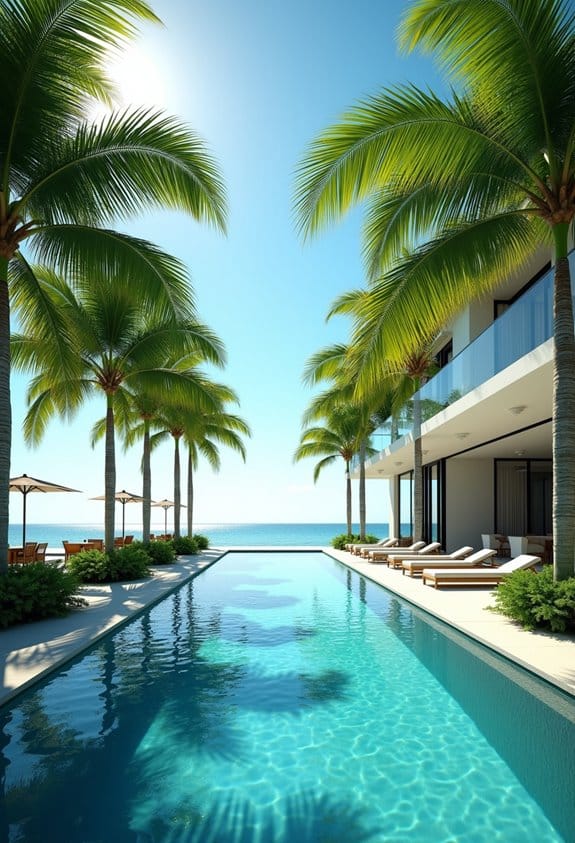
Tropical Minimalism: Modern Design With Palm Trees

Tropical minimalism blends modern design with palm trees to create climate-smart spaces featuring neutral palettes and clean geometric forms. Large sliding glass doors, deep eaves of 600–900 millimeters, and open plans enable cross-ventilation and reduce solar heat gain, maintaining indoor temperatures around 24–26°C. Natural materials like timber and rattan add texture, while palms enhance indoor–outdoor flow and scale. Sustainable shading and breezeways further optimize comfort. Explore these principles to transform conventional homes elegantly and sustainably.
Key Takeaways
- Tropical minimalism blends modernist simplicity with tropical influences, emphasizing indoor-outdoor flow and spatial clarity.
- Large-leaf palm trees serve as iconic focal points, adding natural greenery and enhancing the tropical ambiance.
- Neutral palettes combined with natural materials like timber, bamboo, and rattan create a warm yet minimalist aesthetic.
- Open layouts, operable windows, and breezeways support cross-ventilation, maintaining comfortable indoor temperatures around 24–26°C.
- Sustainable elements include deep eaves for shading, use of reclaimed materials, and integration of greenery for climate-responsive design.
Origins and Core Principles of Tropical Minimalism
Although rooted in modernist and tropical-modern design, tropical minimalism adapts minimalist principles—such as clean lines and reduced ornamentation—to warm, humid climates typical of tropical zones between 23.5°N and 23.5°S latitude. This design ethos balances tropical influences, like lush vegetation and natural ventilation, with minimalist aesthetics focused on spatial simplicity and functional clarity. Emerging as a response to the challenges of heat and humidity, it emphasizes indoor–outdoor flow, using restrained visual language that avoids maximalist excess. The approach prioritizes fewer, carefully selected elements to create calm, climate-responsive spaces suitable for daily living in these regions. Influences from pioneers like Geoffrey Bawa highlight a fusion of modernist rigor with tropical warmth, shaping an architecture and interior style that remains practical without sacrificing elegance or contextual harmony. Incorporating UV-resistant artificial palm trees can enhance these spaces by adding authentic tropical greenery with minimal maintenance.
Key Visual and Material Elements in Tropical Minimal Design
A defining feature of tropical minimalism lies in its careful use of neutral base palettes, primarily consisting of whites, soft beiges, and light grays with less than 10% variation in hue. These subtle tones create a calm foundation, allowing selective color accents—in shades of green and coral—to evoke a vibrant tropical context without overwhelming simplicity. Texture layering plays a critical role, integrating natural materials such as timber, bamboo, and rattan in furniture and surfaces to introduce tactile warmth and visual depth. Large-leaf palms, positioned strategically indoors, serve as focal points that enhance scale and ambience. Clean, geometric furniture forms balance organic textures, while glass elements frame verdant views. This blend of restrained color, material authenticity, and texture layering defines tropical minimalism’s distinct, elegant character. For year-round indoor use, choosing artificial palm trees with lifelike leaves and minimal maintenance helps maintain the desired tropical vibe effortlessly.
Recommended Products

STATEMENT HOME ACCENT: This 8-foot faux olive tree is designed to add height and greenery to larger interior spaces with a clean, structured form. Its tall profile works well for entryways, living rooms, offices, or open corners where added scale helps anchor the room.

STATEMENT HOME ACCENT: This 7-foot faux sumac tree brings layered greenery and organic texture to interior spaces with its softly branching silhouette. Its airy leaf structure makes it a natural focal point for living rooms, entryways, offices, or open corners that benefit from height without feeling heavy.

●Artificial Bamboo Tree●: Artificial bamboo is made of durable plastic bamboo leaves and native bamboo poles with clear texture, bright colors, even color transition and high simulation.
Spatial Strategies for Climate-Responsive Tropical Living
Numerous strategies optimize tropical minimalism to respond effectively to local climate conditions, enhancing comfort while minimizing energy use. An efficient site layout aligns living spaces with prevailing breezes, often oriented within 15 degrees of the dominant wind direction, to maximize natural airflow. Ventilation strategies include open-plan arrangements and operable windows positioned on opposite walls to create cross-ventilation rates exceeding 20 air changes per hour. Deep eaves and louvered panels shade interiors, reducing solar heat gain by up to 40%. Incorporating breezeways and courtyards of at least 3 meters width supports passive cooling by encouraging air movement while connecting indoor and outdoor areas. High ceilings—typically 3.5 to 4 meters—combined with ceiling fans help maintain indoor temperatures below 28°C for extended comfort. These spatial tactics collectively foster climate-responsive tropical living within a minimalist design framework. Integrating solar-powered lighting in outdoor spaces further enhances sustainability and ambiance without increasing energy consumption.
Sustainable Practices in Tropical Minimalist Architecture
Sustainable practices in tropical minimalist architecture prioritize the use of renewable, locally sourced materials such as timber, bamboo, and reclaimed wood to minimize embodied carbon and support durability. Designs often integrate energy efficiency strategies like natural cross-ventilation and deep overhangs, reducing indoor temperatures by up to 5°C and decreasing reliance on mechanical cooling. Water conservation methods include rainwater harvesting systems with storage tanks typically sized between 2,000 and 5,000 liters, ensuring year-round irrigation for native palms and broadleaf plants requiring minimal watering. Passive shading elements—louvers set at 30–45 degrees and wide eaves extending 1.2 meters—limit solar heat gain during peak midday hours without compromising daylighting. Combining these techniques establishes a resilient, low-impact built environment, promoting both climate responsiveness and the minimalist aesthetic’s restrained sophistication, essential in tropical regions with temperatures averaging 28–32°C year-round. Incorporating durable, weather-resistant designs such as all-weather palm trees can further enhance outdoor spaces by providing year-round visual appeal with minimal maintenance.
Furniture, Lighting, and Accessories for a Tropical Minimal Palette
Furniture, lighting, and accessories define the polished look of tropical minimalism, balancing clean lines with natural textures and subtle color pops. Furniture selection emphasizes streamlined silhouettes using durable wood or rattan, with seating dimensions around 80–90 cm wide to maintain spatial openness. Textile materials such as linen and cotton guarantee breathability and tactile warmth within the 20–28°C tropical ambient range. Lighting techniques focus on layered daylighting through floor-to-ceiling glazing complemented by accent LED fixtures (2700K) that highlight foliage and architectural planes after dusk. Accessory choices remain minimal, featuring locally crafted objects under 30 cm in height to avoid visual clutter. This approach integrates functional simplicity with climate responsiveness, enhancing the indoor–outdoor connection while reflecting refined tropical aesthetics. Incorporating UV-resistant outdoor palm tree décor can further elevate the ambiance by providing vibrant, durable greenery to complement the minimal palette.
Recommended Products

LOUNGE SET: If you love the taste of the tropics in the interior, this colonial interior will delight you. A beautiful chairs, Three-Seater and interestingly crafted Coffee Table well with the unique atmosphere of any interior.

5 Adjustable Position For Recliner: The back of outdoor chaise lounge can be adjusted from high upright position to the flat to meet your multi demands.You can take a nap when lounge chair recline flat, or have a great relax time when recline high position

Embedded Padded Cushion: 1.54" thick memory foam is resilient and provides the perfect balance of support and comfort. Embedded design eliminates the annoyance of cushion slippage.
Regional Adaptations and Material Considerations
When designing for tropical climates, careful attention to site orientation and prevailing wind patterns secures ideal natural ventilation and reduces reliance on mechanical cooling systems. Architects often select indigenous materials such as bamboo, teak, and laterite stone, chosen for their durability under constant humidity and coastal salt exposure. These materials enhance climate resilience, resisting warping and termite damage in zones where temperatures average 27–32°C with relative humidity above 70%. Protective detailing, including raised foundations and ventilated cladding, further extends longevity. Regional adaptations also consider intense solar radiation, using wide eaves of minimum 1.2 meters to shade openings. Landscaping integrates large-leaf indigenous palms strategically placed 3–5 meters from buildings to create cooling microclimates. This approach guarantees buildings respond efficiently to local environmental stresses while maintaining the minimalist tropical ethos with practical, sustainable design.
Transforming Conventional Homes With Tropical Minimalist Concepts
Converting traditional residences into tropical minimalist dwellings requires carefully removing nonessential partitions to enhance air flow and visual openness without compromising structural integrity. This home renovation approach emphasizes open-plan layouts, expanding openings to at least 1.8 meters wide to maximize cross-ventilation and natural light penetration. Incorporating large sliding glass doors and deep eaves of 600–900 millimeters effectively reduces solar heat gain while framing outdoor greenery. Design transformation also involves replacing dense wall finishes with natural materials such as reclaimed timber and woven rattan, introducing large palms strategically indoors to maintain scale. Introducing breezeways and covered terraces extends living space outdoors, cooling interiors by maintaining temperatures near 24–26°C. Efficient shading and well-planned zoning prioritize sunlit living areas and shaded circulation, enhancing comfort and sustainability in tropical climates. Selecting palm trees with weather resistance ratings appropriate for coastal climates ensures durability and aesthetic longevity in outdoor tropical minimalist designs.
Recommended Products

【Patent Design Desert Reptile Tank】Functional 85 gallon reptile terrarium measures 48''Lx24''Wx18''H, specifically designed for desert reptiles and amphibians, such as bearded dragon, adult pogona viticeps, young adult sulcata tortoise, juvenile aldabrachelys gigantea, red leg tortoise, leopard tortoise, python regius etc. (Please do not drill holes on the glass, the glass may be crack.)
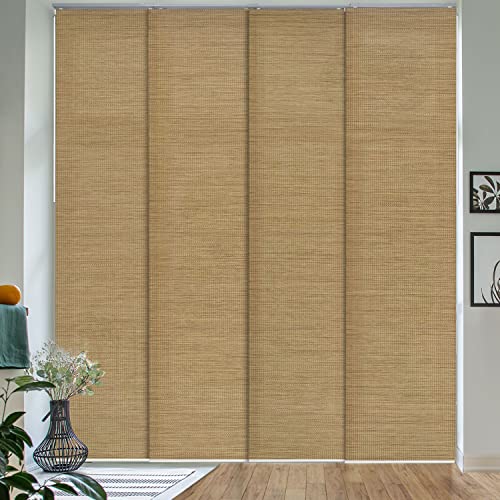
【ADJUSTABLE】The cordless 4-rail track is adjustable anywhere from 45.8" to 86" wide (Cover window size ranging from a minimum width of 45.8" to a maximum width of 86"). 4 panels are included and the dimension of each panel is 23" wide and 96" tall. The panels attach with hook-and-loop fasteners, allowing you to trim the panel height as needed, then install the bottom bars for a custom-finished look. GoDear's panel track blinds are built for durability, featuring a sturdy track and high-quality woven fabric panels.

HIGH QUALITY MATERIAL - Our rectangle sun shade sail is made of 180GSM high-density polyethylene, finished with the strong stitching seam and double webbing. It is durable and fade-resistant, but not waterproof.
Frequently Asked Questions
How Do You Maintain Tropical Plants Indoors Without Damaging Minimalist Aesthetics?
Maintaining tropical plants indoors requires consistent plant care, ensuring healthy growth while preserving aesthetic balance by selecting minimal, clean-lined pots, integrating greenery strategically as focal points, and avoiding clutter, thereby reinforcing refined, functional simplicity in interior design.
What Are Common Challenges When Retrofitting Older Homes to Tropical Minimalism?
Common challenges when retrofitting older homes to tropical minimalism include overcoming structural limitations that restrict open-plan layouts and integrating shading features. Sustainability issues arise balancing modern materials with existing structures while minimizing disruptions and maintaining climate responsiveness.
Can Tropical Minimalism Be Adapted for Urban High-Rise Apartments?
Tropical minimalism can adapt to urban high-rise apartments by integrating urban greenery through vertical gardens and balcony palms, complementing high rise decor with natural materials, clean lines, and open layouts that foster indoor–outdoor connection despite spatial constraints.
How Do Tropical Minimal Designs Handle Pest Control Naturally?
Studies show that 80% of homeowners prefer natural pest control; tropical minimal designs utilize pest resistant plants and natural repellents like citronella and neem. These strategies reduce chemical use while maintaining aesthetic and ecological balance indoors.
What Is the Typical Budget Range for Implementing Tropical Minimalist Architecture?
The typical budget range for tropical minimalist architecture varies widely but often incorporates budget considerations prioritizing cost effective solutions like locally sourced materials and passive design strategies, balancing initial investment with long-term sustainability and maintenance savings.