As an Amazon Associate, we earn from qualifying purchases. Some links on this site are affiliate links at no extra cost to you. Our recommendations are based on thorough research and editorial judgment.


Climate Change Impacts on Palm Tree Distribution and Care

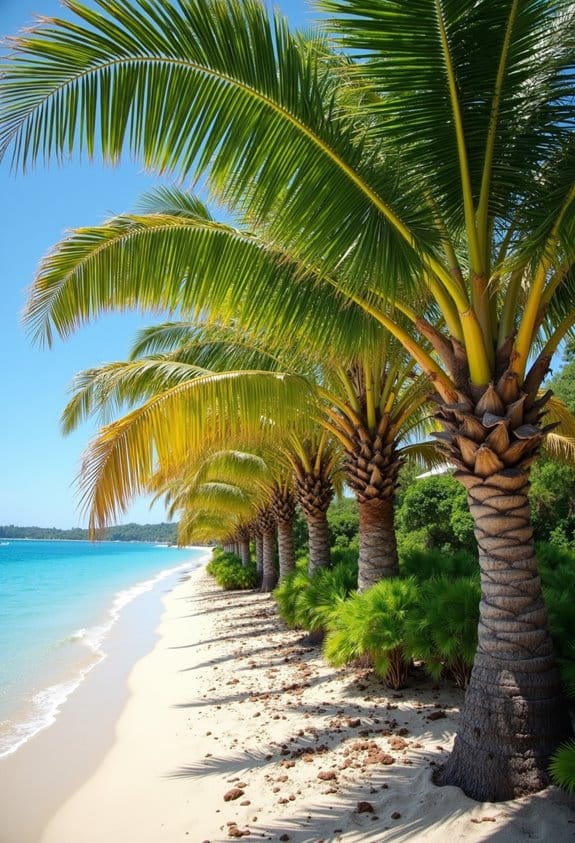
Climate change shifts palm tree distribution by expanding suitable zones as minimum cold month mean temperatures rise above 2.2 °C, enabling growth beyond traditional tropical ranges. Palm growth thrives between 18–28 °C, but excessive heat above 30 °C increases pest spread and disease vulnerability. Altered rainfall disrupts water balance, causing up to 30% yield loss during drought or waterlogging. Managing irrigation, soil drainage, and integrated pest controls remain essential to sustaining palms. Explore adaptive practices to optimize palm health and productivity amid evolving climates.
Key Takeaways
- Rising temperatures enable palm trees to expand into cooler climates previously unsuitable for growth.
- Altered rainfall patterns cause water stress, reducing palm growth and fruit yield by up to 30%.
- Extreme weather events like typhoons and floods damage palms, lowering productivity and delaying fruit maturation.
- Elevated heat and humidity increase pest proliferation and disease susceptibility in palm plantations.
- Effective palm care requires adaptive water management and integrated pest control to mitigate climate impacts.
Historical Trends in Palm Tree Distribution
Although palm trees are commonly associated with tropical and subtropical climates, their historical distribution reveals a complex relationship with ancient global temperatures that have fluctuated considerably over millions of years. Data includes fossil records and historical climate estimates showing palm species thrived under Eocene Arctic temperatures up to 38.6 ± 1.1 °C warmer than today. Presently, their core temperature range remains 18–28 °C, with effective growth linked to a minimum cold month mean temperature near 5 °C. Climatic conditions shaped palms’ migration, with some adapting to temperate climates outside traditional tropical zones. Sustainable practices in palm care now consider such temperature variations to predict future geographical shifts. Understanding these long-term distribution trends informs better cultivation within varied climate zones while respecting palms’ ecological needs. Furthermore, selecting palm species with appropriate weather resistance ratings is crucial for ensuring their survival and health in changing coastal climates.
Effects of Temperature Changes on Palm Growth
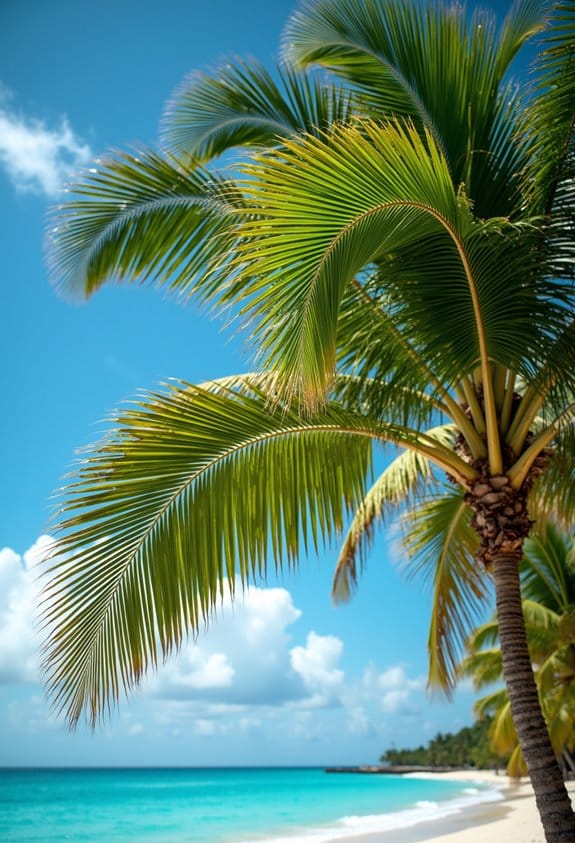
Since global temperatures have steadily risen, palm trees have successfully expanded their range into cooler climates, particularly throughout Florida’s central regions and California’s coastal areas. Warmer temperatures and increased CO2 levels accelerate palm growth rates, enabling species to establish faster and compete effectively with native plants. The minimum cold month mean temperature (CMMT) of 2.2 °C remains a key threshold for palm reproduction in temperate zones, limiting species’ adaptation beyond this limit. The impact of climate change on palm species involves both opportunities and challenges, requiring sustainable development strategies to support their resilience. Deep roots and flexible trunks enhance drought and wind tolerance, reflecting palms’ adaptive traits. Understanding these effects informs care practices, promoting successful cultivation and conservation amid shifting climate conditions. For outdoor landscaping, selecting palm trees made from UV-resistant materials ensures durability despite changing environmental conditions.
Recommended Products

HANDCRAFTED EXCELLENCE – Each Cosapots planter is meticulously handmade with high-quality fiberglass and resin by skilled artisans under the guidance of Belgian architects.

Features - Outdoor-ready UV-Proof materials. See details below

PATIO REFRESH - Update your backyard or porch with inviting outdoor furniture. Effortlessly accommodate the needs of your outdoor space with furniture that's great for both entertaining and relaxing
Influence of Altered Rainfall Patterns
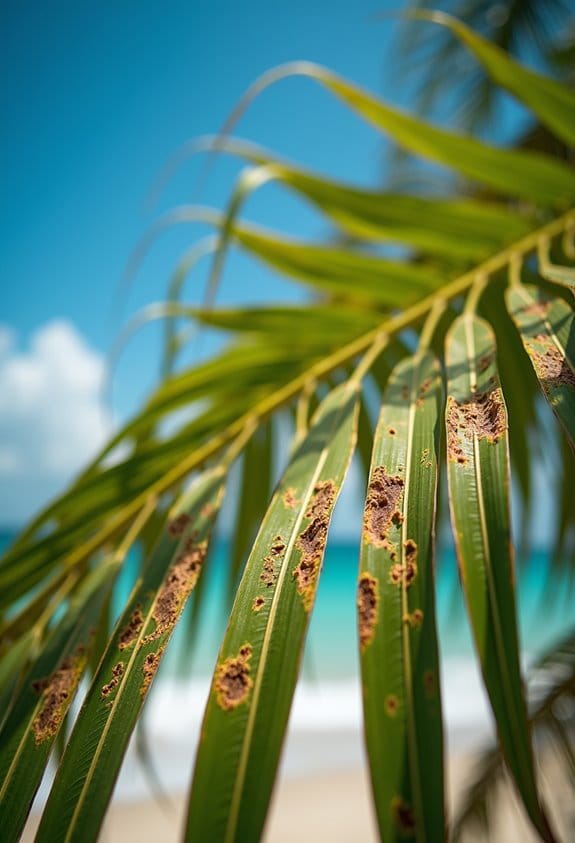
Variability in rainfall patterns, driven by climate change, presents significant challenges for palm tree health and growth across diverse habitats. Altered rainfall patterns cause irregular water availability, directly affecting the growth and productivity of oil palm trees, especially in tropical zones like Perak, Malaysia. Prolonged dry spells reduce soil moisture, inducing water stress that limits palm development and lowers fruit yield by up to 30%. Conversely, excessive rainfall increases waterlogging risks, impairing root oxygenation and elevating disease susceptibility. These shifts complicate sustainable cultivation and geographic distribution. Implementing targeted water management strategies is essential to adapt, including controlled irrigation and drainage systems that stabilize soil moisture. Such approaches optimize palm resilience to fluctuating precipitation, ensuring consistent growth rates near 25 cm annually and safeguarding oil palm plantations against unpredictable rainfall trends. Utilizing UV-resistant materials in palm cultivation can further help improve longevity and resilience under variable weather conditions.
Impact of Extreme Weather Events on Palm Cultivation
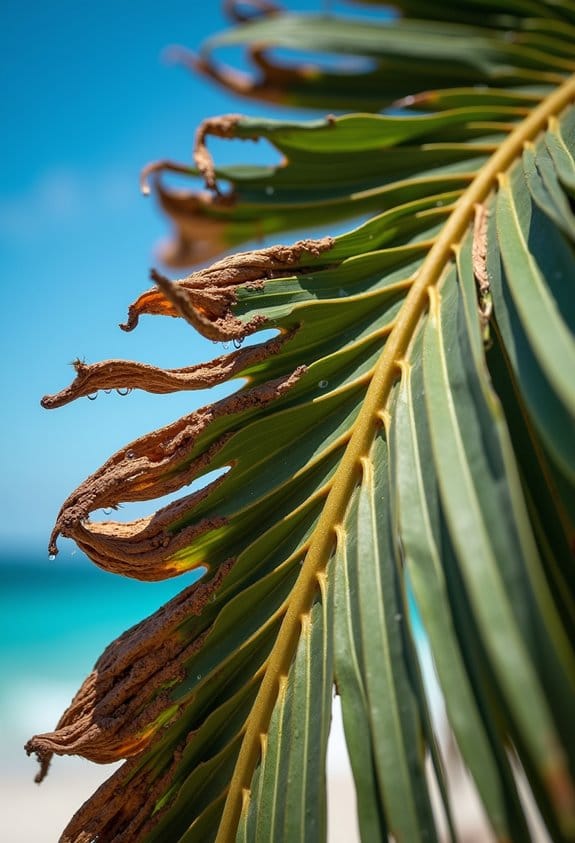
When extreme weather events such as typhoons and floods occur, palm plantations can suffer significant physical damage and reduced yields, particularly in tropical regions like Sumatra and Sabah. Such events, driven by climate variability, disrupt palm oil production by damaging fronds and roots, forcing costly recovery measures. Prolonged drought stress, combined with irregular rainfall, presents water management challenges; insufficient moisture impairs photosynthesis, while excessive flooding weakens deep root systems. These physiological stresses lower growth rates and delay fruit maturation, directly impacting harvest volumes. Maintaining ideal soil drainage and implementing irrigation adjustments are essential practices to mitigate damage from extreme weather events. As climate patterns shift, adaptive strategies become vital for sustainable palm cultivation, ensuring resilience against fluctuating temperature ranges often exceeding 35°C in peak heat conditions. To support year-round cultivation and maintain aesthetic appeal, many growers consider integrating UV-resistant materials in artificial reinforcements or protective measures within plantations.
Recommended Products

【ULTRA COMFORTABLE & ATTRACTIVE】This wicker recliner is super comfortable,have 3 different position just use hand push the armrest 90/120/160 degree(pls check the picture). Great for Chair, recliner and Lounger. 23.2inch for Seat width,27.6inch for Seat depth,5.5" thick cushions bring supper comfortable for sit, even fall asleep.

AMPLE GROWING SPACE: This outdoor flowerpot has a 24" outer top diameter, 21" inner top diameter, 14.5" outer bottom diameter, 14" inner bottom diameter, 20" outer height, and 18" inner height. The planter weighs 6.4 lbs. It can hold 19 gallons/2.54 cubic feet/76 quarts. This large plant pot is great for growing plants and flowers both inside and outside.

Costa's most high tech lens - 580 Glass provides superior clarity, ultra scratch-resistant, 100% UV protection and the best polarizing efficiency available.
Pest and Disease Dynamics Under Climate Stress
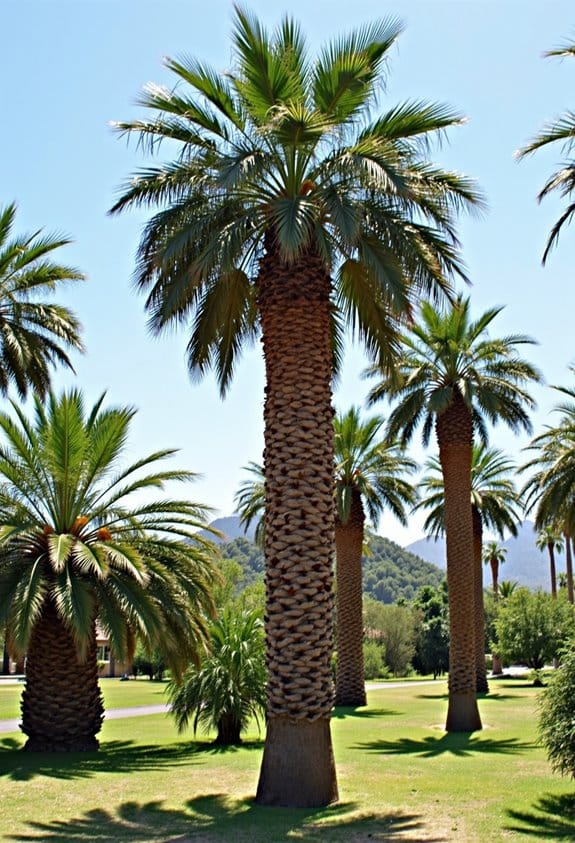
Climate-related stress factors, such as elevated temperatures above 30°C and increased humidity between 75 and 90 percent, promote the rapid spread of pests like the oil palm leaf miner in plantations. Rising heat and moisture levels accelerate pest reproduction, intensifying infestations that reduce oil palm productivity. Climate change also weakens trees through drought or excess rainfall, increasing susceptibility to diseases such as Ganoderma fungal infections. New pests and pathogens may emerge as climate zones shift, threatening previously unaffected cultivation areas. This combination of pests and diseases demands vigilant management to sustain crop health. Emphasizing integrated pest management is essential, combining monitoring, targeted treatments, and cultural practices to control outbreaks effectively. Such strategies help mitigate climate stress impacts, supporting oil palm resilience and productivity under evolving environmental conditions. Additionally, selecting UV-resistant plants can reduce stress caused by increased sunlight exposure in vulnerable palm species.
Recommended Products

REVIVE FORESTS AND PASTURES: Triclopyr 4 Herbicide targets & controls woody plants, broadleaf weeds, & brush, making it ideal for restoring pastures and managing unwanted vegetation in forests, rangelands, and industrial sites without harming grasses

RSPO CERTIFIED - Sustainable - Food Grade - not hydrogenated - no stir - in custom poly bag inside custom corrugated box
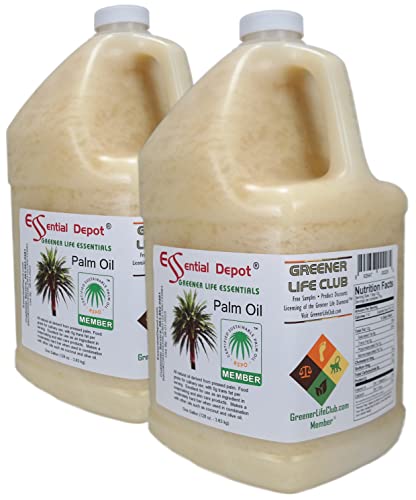
RSPO CERTIFIED - Sustainable - Food Grade - not hydrogenated - no stir - in microwavable safety sealed HDPE 1-gallon jug container with resealable lid
Strategies for Sustainable Palm Care and Adaptation
Several practical strategies can enhance palm care sustainability and adaptation to shifting environmental stresses, combining water management, genetic improvements, and land use diversity. Implementing water conservation techniques, such as silt pit trenches measuring 30 cm wide and 20 cm deep, helps retain moisture during irregular rainfall periods. Utilizing drought-tolerant, disease-resistant palm varieties bred for USDA zones 9-11 improves resilience against climate variability. Incorporating agroforestry by interplanting palms with nitrogen-fixing shrubs reduces soil erosion and supports diversified land use. Consistent adaptive management, including soil management practices like organic mulching and pH monitoring between 6.0-7.0, fosters strong root systems. Furthermore, sustainable pest management targeting common infestations with integrated biological controls minimizes chemical dependency. Together, these precise, actionable measures advance palm tree health and productivity while addressing climate-induced challenges effectively and responsibly. Additionally, choosing UV-resistant materials for artificial palms enhances their durability and color retention when used in garden settings impacted by increased sunlight exposure.
Recommended Products

Don't limit the Palm's allure to tropical spots alone. Our Windmill Palm Tree defies the cold, making island elegance possible even in chillier climates. Thriving in Zone 7 and beyond, this variety offers a touch of paradise to northern gardens. With impressive cold tolerance, it's a dream for low-maintenance landscaping.

Farm-Grown Quality: Nurtured with care on our own farm, ensuring strong roots and healthy, vibrant growth for your landscape.
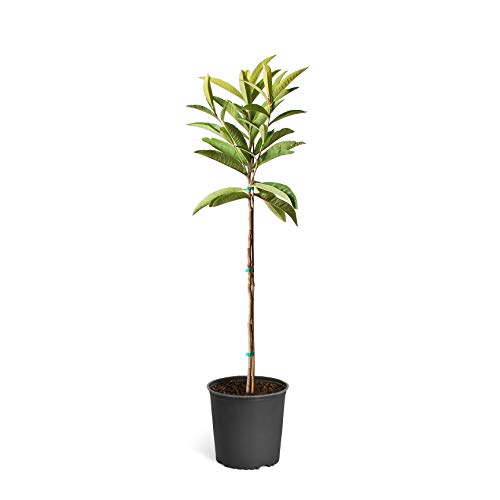
Turn Your Garden into a Tropical Paradise Why Loquat Trees? Transforming your garden or backyard into a tropical retreat has never been easier thanks to the Loquat, Plant them by themselves or intermingle with a few palm trees
Frequently Asked Questions
How Does Climate Change Impact the Economic Value of Palm Oil Crops?
Climate change affects palm oil economics by causing market price fluctuations through yield variability. Climate resilience strategies, agricultural sustainability practices, biodiversity conservation efforts, consumer awareness campaigns, and regional policy implications collectively influence the crop’s long-term economic viability.
What Are the Social Consequences for Communities Dependent on Palm Cultivation?
Communities face a shifting tide where cultural heritage and food security erode, disrupting migration patterns and labor rights. Agricultural sustainability falters, threatening community health and social equity, ultimately unraveling the social fabric reliant on palm cultivation’s stability.
Can Genetic Modification Help Palms Withstand Climate Stress?
Genetic modification can enhance palms by integrating stress tolerance traits and environmental adaptations through gene editing techniques. Utilizing biotechnological advances supports genetic resilience strategies, fostering climate resistant varieties that promote sustainable cultivation practices amid changing conditions.
How Do Rising Sea Levels Affect Coastal Palm Tree Populations?
Rising sea levels exacerbate coastal erosion and saltwater intrusion, damaging mangrove ecosystems that protect palm trees. This results in habitat fragmentation, biodiversity loss, and irrigation challenges, influencing conservation strategies aimed at sustaining coastal palm populations.
Are There Emerging Markets for Alternative Palm Species Due to Climate Shifts?
A new dawn awakens as emerging species carve market opportunities shaped by regional adaptations and consumer preferences. Sustainable cultivation rises amid biodiversity concerns, influencing investment trends that redefine palm markets, fostering resilience through diversity and ecological balance in shifting climates.