As an Amazon Associate, we earn from qualifying purchases. Some links on this site are affiliate links at no extra cost to you. Our recommendations are based on thorough research and editorial judgment.


Understanding Tropical Hardiness Zones for Palm Selection

Tropical hardiness zones classify regions by minimum winter temperatures from -60°F (zone 1) to 75°F (zone 13), guiding ideal palm selection. Cold-hardy palms like Trachycarpus fortunei thrive in zones 6 to 9, enduring temps near 10°F, while tropical species such as Coconut Palms excel in zones 10 to 13 with minimums above 30°F. Proper planting requires well-draining soil and spacing of three feet around the palm’s root zone. Understanding these zones guarantees healthy growth and winter survival for diverse palm types. More detailed guidance follows.
Key Takeaways
- USDA Hardiness Zones classify climate based on minimum temperatures, guiding palm species selection for tropical and cold conditions.
- Tropical palms thrive in zones 10-13, where temperatures rarely drop below 30°F, favoring species like Coconut and Royal Palms.
- Cold-hardy palms suited for zones 1-9 withstand lower temperatures and include species like Trachycarpus fortunei and Needle Palm.
- Microclimates and frost protection improve survival chances for palms in borderline tropical or colder zones.
- Proper soil drainage, sun exposure, and watering practices are essential for optimal palm growth across tropical hardiness zones.
The Importance of Hardiness Zones in Palm Cultivation

Although palm cultivation often conjures images of tropical warmth, successful growth in cooler climates depends heavily on understanding USDA Hardiness Zones. These zones, ranging from -60°F to 75°F across 13 categories with (a) and (b) sub-divisions, define winter temperature tolerances essential for selecting appropriate palm species. Cold-hardy palm trees, like Trachycarpus fortunei and Needle Palm, thrive in USDA zones 6 and below, enduring frosts that would damage less hardy varieties. Accurate knowledge of hardiness zones reduces plant loss by guiding gardeners to species suited for local climates. Additionally, considering microclimates—areas with slightly warmer temperatures due to factors like wind patterns or shelter—can further improve successful palm growth by protecting vulnerable palms from extreme cold in borderline zones. For outdoor palm cultivation, choosing species with high durability and UV resistance can ensure year-round aesthetic appeal and longevity even in direct sunlight.
Characteristics of Cold-Hardy Palms for Zones 1 to 6
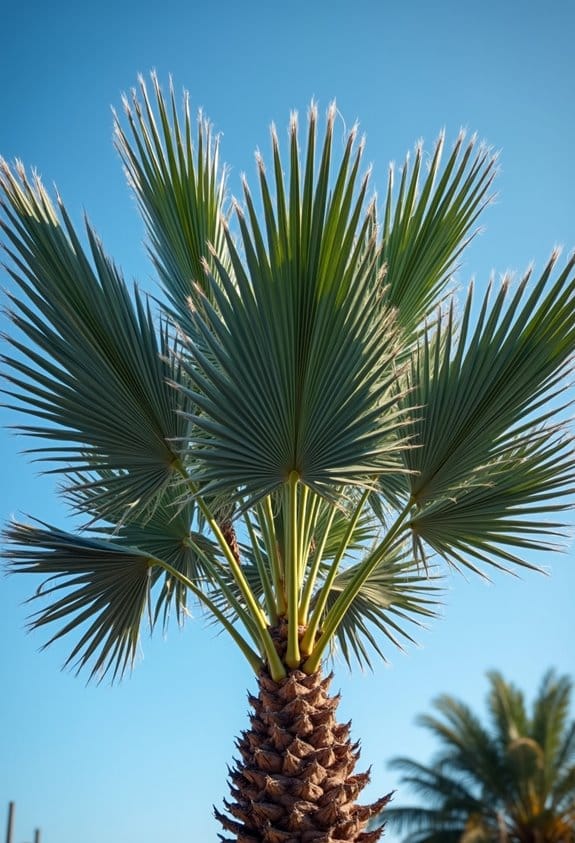
Cold-hardy palms adapted to USDA zones 1 through 6 exhibit remarkable resilience to winter temperatures commonly dropping to 10°F and occasionally lower. Palm tree varieties like Trachycarpus fortunei demonstrate significant cold hardiness, thriving despite temperatures below freezing. The Needle Palm (Rhapidophyllum hystrix), native to zones 5b-6a, is exceptionally tough and forms dense clumps that provide wind resistance. The McCurtain Dwarf Palmetto endures harsh winters down to zone 4, maintaining a compact form ideal for confined spaces. These palms require protection from frost and wind to optimize growth success in hardiness zones prone to severe cold. Selecting species based on their measured cold hardiness guarantees survival and ornamental value in colder climates, supporting diverse landscaping even where freezing temperatures threaten less hardy palms. Additionally, the maintenance and care needs of these palms are generally minimal, which is beneficial for gardeners managing cold-climate landscapes.
Recommended Products
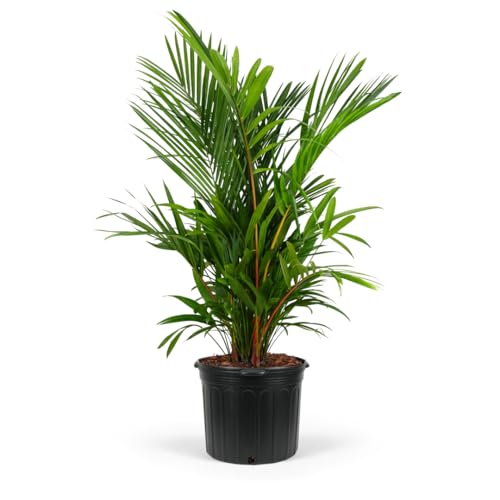
Exotic Beauty: Unique Lipstick Palm with striking red stems and glossy green foliage for a bold, tropical look.

Farm-Grown Quality: Expertly nurtured to ensure robust growth and a well-formed trunk with striking diamond-shaped leaf scars. PLEASE NOTE THIS PLANT DOES NOT SHIP TO CALIFORNIA

PLEASE NOTE THIS PLANT DOES NOT SHIP TO CALIFORNIA - Farm-Grown Quality: Nurtured with care on our farm, ensuring healthy and vibrant growth.
Popular Palm Species Suitable for Zones 7 to 9
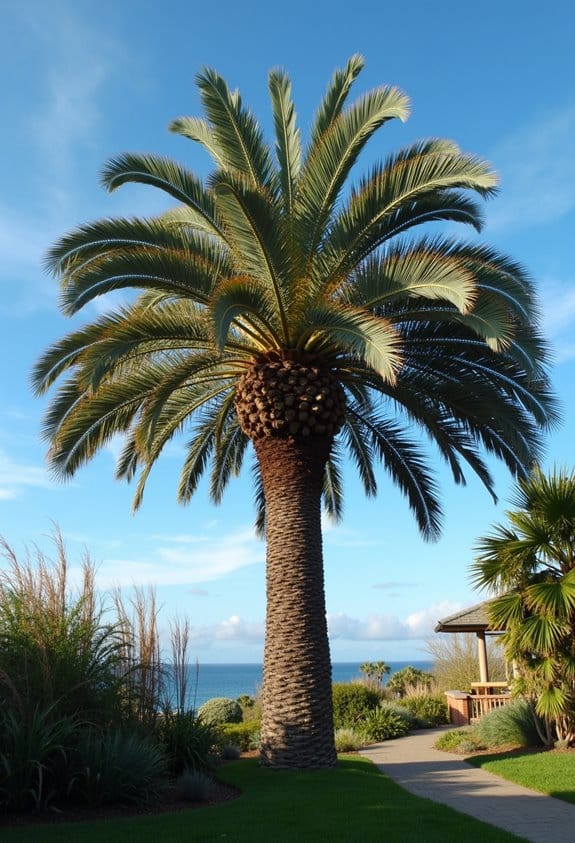
Zones 7 to 9 provide an ideal climate for various palm species that can tolerate winter temperatures ranging from 0°F to 30°F (-18°C to -1°C). Among them, the Trachycarpus fortunei, commonly known as the Chinese Windmill Palm, excels with notable cold tolerance and thrives in full sun. The Dwarf Palmetto, or Sabal minor, displays unique underground trunks and withstands both cold and drought, making it versatile for gardening in these zones. Livistona chinensis, known as the Chinese Fan Palm, is slow-growing and adapts well to mild winters typical in zones 7 to 9. These palms suit full sun locations and well-drained soils, promoting healthy growth. Understanding these species helps gardeners select resilient palms capable of flourishing within the temperature and light conditions characteristic of zones 7 to 9. For gardeners seeking low-maintenance options, UV resistance in artificial palms offers a durable alternative that holds up well under intense sunlight and varying climates.
Recommended Products

Don't limit the Palm's allure to tropical spots alone. Our Windmill Palm Tree defies the cold, making island elegance possible even in chillier climates. Thriving in Zone 7 and beyond, this variety offers a touch of paradise to northern gardens. With impressive cold tolerance, it's a dream for low-maintenance landscaping.
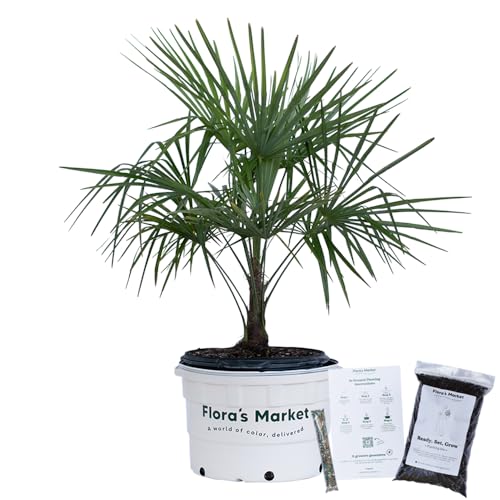
TROPICAL APPEAL - Windmill Palm features large, fan-shaped fronds that bring an exotic, tropical look to your garden or landscape

【ABUNDANT LEDS】: Up to 220 warm white micro LED bulbs nestled on the palm tree cast a subtle glow that adds warmth to your home pool, living room or any setting
Tropical and Warm Climate Palms for Zones 10 to 13
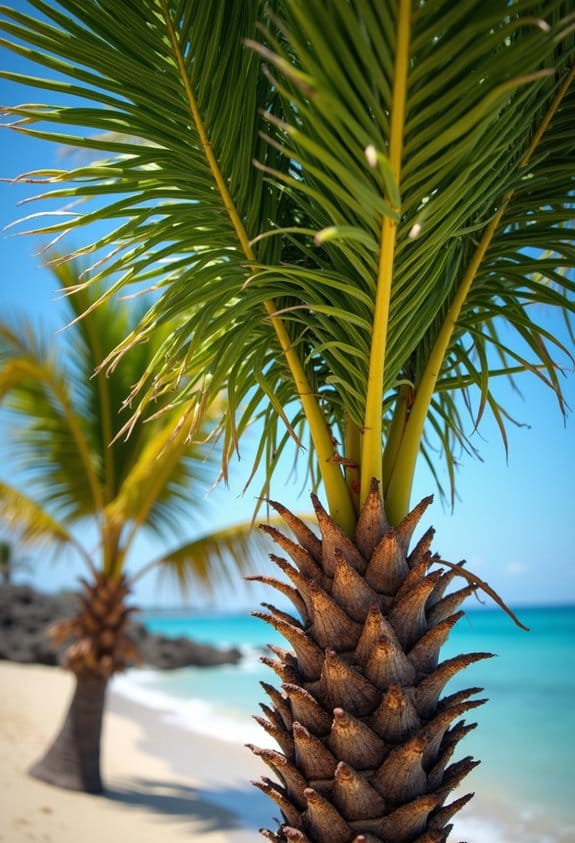
The warm climates encompassing zones 10 to 13, where temperatures rarely drop below 30°F (-1°C), support an extensive range of palm species adapted to tropical and subtropical environments. Palms grow well in these Hardiness Zones, benefiting from consistent warmth and ample sunlight. Popular species of palms include the Coconut Palm (Cocos nucifera), thriving in sandy soils and producing iconic tropical aesthetics, and the Royal Palm (Roystonea regia), noted for its tall, stately trunk. The Queen Palm (Syagrus romanzoffiana) offers elegant fronds and versatility, frequently selected in landscape design for these zones. Thrinax Radiata, or Florida Thatch Palm, tolerates salt and drought, ideal for coastal gardens. Additionally, Date Palms (Phoenix dactylifera) flourish here, providing edible fruit alongside exotic appeal in environments with well-drained soils and stable temperatures. For long-lasting visual appeal in these climates, selecting palms with UV-resistant material ensures durability and vibrant foliage throughout the seasons.
Recommended Products

This 10 feet majestic triple tropical palm faux tree has 31 large vivid palm fronds filled with countless arching feather-like leaves with realistic palm texture, three thick dragon-scaled trunks are awe-inspiring, it looks so lush and great, it will create a tropical paradise atmosphere for you and those around you, now this extra tall triple palm tree is waiting to dance in the warm tropical breezes

Instantly Lush & Lifelike Paradise: Enjoy the vibrant, full look of mature tropics year-round! Features a single realistic coconut trunks and abundant fronds with countless detailed leaves boasting authentic palm texture. Arrives ready to shape for a perfectly natural silhouette.

Majestic Size & Design: Standing at 8 feet tall with triple trunks, this large artificial palm tree features 30 long, lifelike palm fronds. Its sturdy trunks are perfect for hanging LED lights or decorative pendants (not included), adding a warm, inviting glow to any space.
Selecting the Right Palm Based on Local Climate Conditions
Where is the palm tree intended to thrive, and what climate characteristics define that location? Selecting the right palms requires referencing USDA Hardiness Zones, which range from 1 to 13, indicating minimum winter temperatures important to cold hardiness. Palms like Trachycarpus fortunei, thriving in zones 7-11, tolerate colder temperatures better, allowing them to grow where tropical species fail. Local microclimates must also be examined: urban heat islands may help plants thrive, while shaded or windy areas expose them to stress. Young palms are vulnerable to frost damage, so mature, resilient species suit colder zones best. Additionally, evaluating humidity and precipitation guarantees certain palms, such as Needle Palm, perform effectively in moist environments versus dry or hot ones. Adapting palm selection to exact local conditions enhances survival and growth success. Choosing palms with flexible branches for wind resistance is essential in coastal or windy garden environments.
Recommended Products

Farm-Grown Quality: Nurtured with care on our farm, ensuring robust health and vigorous growth for long-lasting beauty.

Tropical Elegance: The Green Malayan Coconut Palm offers a striking tropical feel, perfect for creating a beach-like atmosphere indoors or outdoors.

This 7 feet majestic artificial phoenix palm tree features large, vivid palm fronds filled with countless arching feather-like leaves with realistic palm texture. It looks so natural and great! If you're aiming for a tropical paradise atmosphere, this is definitely the best choice. Your friends, partners, and relatives will be in awe as this extra tall palm tree awaits to dance in the warm tropical breezes
Best Practices for Planting and Caring for Palms in Different Zones
Five key steps guarantee successful planting and care of palms across USDA Hardiness Zones 6 to 11, balancing temperature, soil, and water needs. First, consult the Hardiness Zone map to select cold-hardy palms like Trachycarpus fortunei for zones 7-11 and Rhapidophyllum hystrix for zones 6-10. Planting preparation involves clearing a three-foot diameter area of competing vegetation and using well-draining soil to prevent root rot. Water newly planted palm trees with 3-4 sessions weekly, reducing to 2-3 as they mature, ensuring adequate water during dry spells. Monitor palm health by inspecting roots, fronds, and for insect damage regularly. Additionally, selecting palms that possess tolerance to salt spray can improve their survival and growth in coastal zones.
Recommended Products

PLEASE NOTE THIS PLANT DOES NOT SHIP TO CALIFORNIA - Striking Appearance: Features unique silvery-blue fronds that can reach up to 5 feet long, adding a stunning focal point to your landscape.

THIS PLANT DOES NOT SHIP TO CALIFORNIA - Farm-Grown Quality: Nurtured with care on our farm, ensuring robust health and vibrant growth for your Queen Palm.

Farm-Grown Quality: Nurtured with care on our own farm, ensuring robust health and vibrant growth.
Frequently Asked Questions
What Hardiness Zone Do Palm Trees Grow In?
Palm tree varieties primarily grow in USDA hardiness zones 8-11, adapting through climate considerations, soil requirements, sunlight exposure, and moisture needs. Effective fertilization tips and pest management further support growth, ensuring successful cultivation across diverse environments.
What Is the Difference Between 9a and 9b?
The hardiness zone comparison reveals 9a experiences colder lows (20°F-25°F) than 9b (25°F-30°F). Temperature variations explained assist in palm suitability factors and growing conditions assessment, informing climate adaptation strategies and regional planting tips for palm types categorized accordingly.
What Is US Zone 1, 2, and 3?
US Zones 1, 2, and 3 represent the coldest climates, challenging many palm tree varieties. Despite objections, winter survival strategies, cold tolerance levels, seasonal growth patterns, soil requirements, and climate impact assessment inform local gardening tips for successful cultivation.
How Do You Know What Zone You Are in for Plants?
One can determine their plant climate zone by consulting a hardiness map that provides zone classification based on temperature range. Gardening tips emphasize plant resilience and zone adaptation for successful growth in specific environments.