As an Amazon Associate, we earn from qualifying purchases. Some links on this site are affiliate links at no extra cost to you. Our recommendations are based on thorough research and editorial judgment.


Understanding the Ecological Role of Palms in Natural Ecosystems

Palms, with over 2,500 species thriving mainly in tropical zones like the Amazon, possess tall stems exceeding 15 meters and large leaves measuring 50–120 centimeters. Their extensive roots reduce wind erosion by up to 40%, while shaded soils retain 15-20% more moisture, fostering diverse habitats. Palms also serve as keystone species, supporting wildlife through sizable fruits over 5 centimeters. Understanding these traits reveals their crucial roles in ecosystem stability and biodiversity enhancement, inviting further exploration into sustainable management and cultural significance.
Key Takeaways
- Palms stabilize soil and reduce wind erosion by up to 40%, preventing desertification and maintaining nutrient-rich topsoil.
- Extensive palm root systems improve soil moisture retention, with soils under groves holding 15-20% more water than cleared areas.
- Palms provide critical habitats and food sources, acting as keystone species that support diverse tropical ecosystem biodiversity.
- Transpiration from palms enhances local humidity, fostering favorable conditions for varied vegetation and associated animal life.
- Palm groves create shaded microhabitats, enabling the survival of numerous organisms and increasing overall ecosystem resilience.
Distribution and Diversity of Palm Species
The impressive diversity of palms, encompassing over 2,500 species worldwide, reflects their exceptional adaptability to varied environments. These species exhibit significant variation in size and habitat preferences, thriving mostly in tropical zones such as the Amazon rainforest, renowned for its dense palm populations. Palms dominate Neotropical rainforests, where their abundance is roughly five times greater than in comparable Asian or African regions. Especially, palms constitute up to 60% of larger tree stems in American tropical forests, indicating their ecological prominence. The distribution and diversity of these species depend heavily on environmental factors including annual rainfall levels, soil composition, and groundwater accessibility. Understanding these influences provides insight into the spatial patterns of palm species and highlights their essential role within tropical ecosystems. Outdoor palms, including varieties designed for durability and realistic appearance, demonstrate the importance of selecting species with UV resistance to thrive in sun-exposed environments.
Morphological Traits Influencing Ecosystem Services
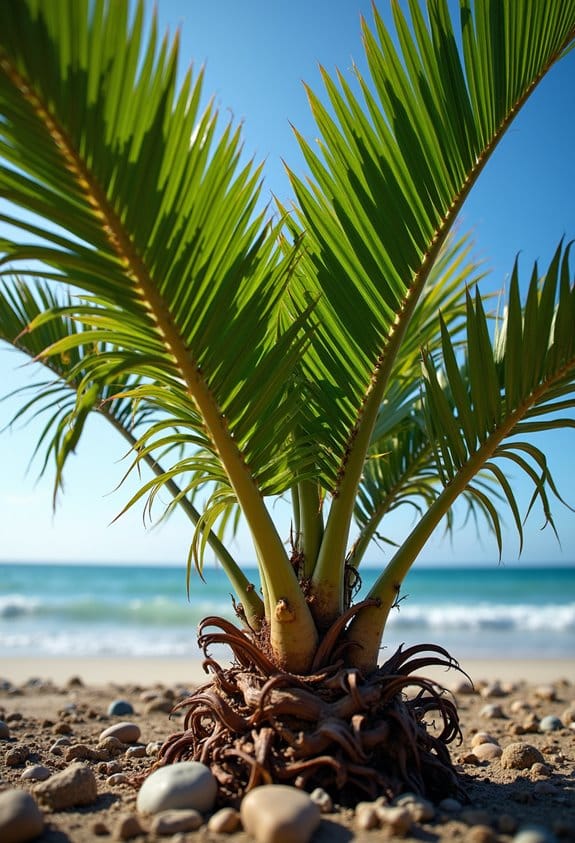
Morphological traits such as stem height, mid-leaf length, and fruit diameter directly influence how palm species provide ecosystem services like food, shelter, and materials for construction. Taller stems, often exceeding 15 meters, allow palms to dominate forest layers, offering habitat complexity to numerous species. Mid-leaf lengths ranging 50–120 centimeters create shaded microhabitats, supporting diverse understory communities in biodiversity hotspots such as the northwestern Amazon. Larger fruit diameters, typically above 5 centimeters, enhance food availability for wildlife and human use, increasing economic value. These morphological differences enable palms to adapt and flourish in floodplains and moist tropical zones, maximizing ecosystem services. Understanding such traits is crucial for conservation planning, as they predict palms’ resilience to climate fluctuations and habitat variations, ensuring continuous support for forest functionality and species diversity. Additionally, selecting palms with durable UV-resistant traits can help maintain their ecological roles under changing environmental conditions.
Traditional Knowledge and Cultural Importance

Although palms serve numerous ecological functions, their cultural importance is equally profound, as communities across northwestern South America document over 1,656 uses for 120 palm species. Traditional knowledge facilitates the identification and management of these diverse uses, especially among Amerindian groups in the northwestern Amazon basin, where palms hold exceptional cultural significance. These trees function as cultural keystone species, deeply woven into the social practices and rituals of forest-dependent populations, embodying crucial aspects of their cultural heritage. Geographic variations shape distinctive regional uses despite a limited number of critical species recognized across communities. Effective conservation depends on integrating this traditional knowledge with scientific management, ensuring sustainable use while preserving the cultural heritage intrinsically linked to palms. Such synergy supports both biodiversity and essential cultural identities within subtropical and tropical forest zones. Additionally, the popularity of faux coconut palm trees indoors highlights modern society’s desire to connect with tropical environments, albeit through artificial means that require minimal maintenance.
Palms’ Role in Soil Stabilization and Moisture Retention
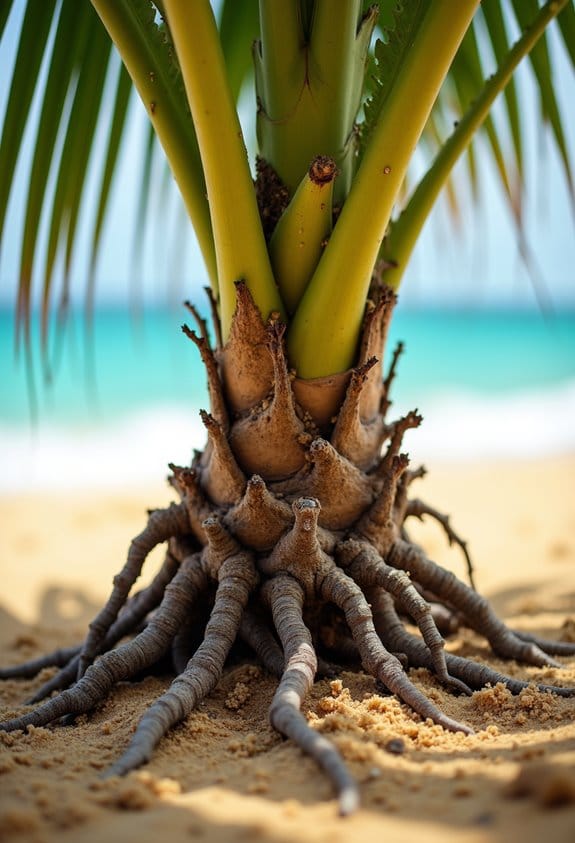
When palm trees develop their extensive root systems, they firmly anchor the soil across subtropical and tropical zones, reducing wind erosion rates by up to 40% in vulnerable areas. This soil stabilization prevents desertification, maintaining essential nutrient levels within the top 30 centimeters of earth, vital in arid environments. Palm root architecture holds soil structure intact, improving moisture retention by limiting surface evaporation, especially under canopy coverage that shades soils from direct sunlight exceeding 35°C. Soils beneath palm groves retain 15-20% more water compared to deforested regions, supporting surrounding flora resilience. The ecological role of palms extends to protecting agricultural lands from erosion, preserving soil integrity fundamental for cultivation. Loss of these trees accelerates degradation, underlining palms’ indispensable contribution to sustaining soil health and moisture in fragile ecosystems. Selecting palm species with high weather resistance ratings ensures their survival and continued ecological benefits in coastal environments prone to harsh weather conditions.
Recommended Products

Natural sisal fibers are used to make this everyday rug

COMPLETE PALM TREE FOOD: Lutz Palm Tree Manganese Spikes offer a balanced tree fertilizer spike formula tailored for palms and ferns. With essential nutrients like manganese (20%), magnesium (6%), sulfur (16%), and nitrogen (4%), these plant food spikes combat common deficiencies and promote lush growth in your garden, making them an ideal choice for enriching your tree spikes fertilizer routine.

Finally Available On Amazon! You Asked And We Listened, So The Most Popular Fertilizer For Palms Is Now On Amazon.
Contributions to Biodiversity and Habitat Creation
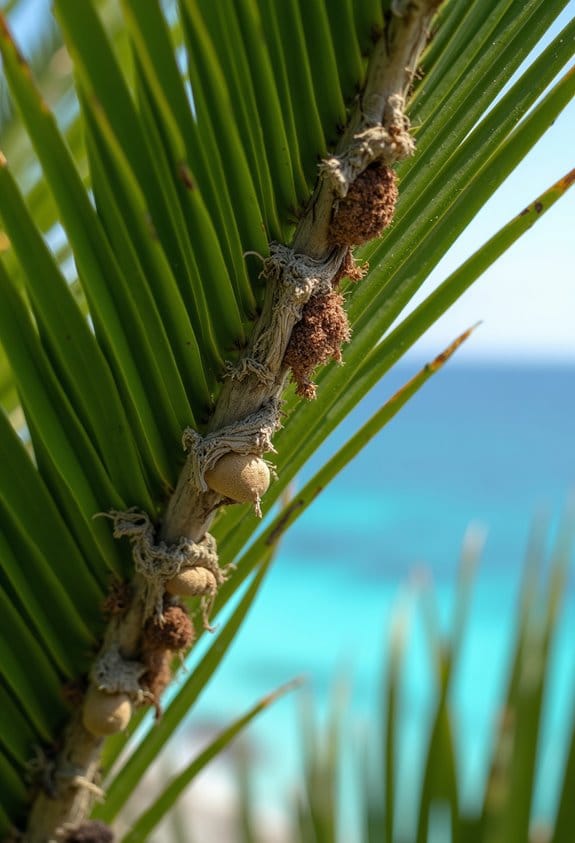
In tropical and subtropical ecosystems, palm trees greatly enhance biodiversity by providing critical habitats and abundant food sources for numerous species, from insects to birds. Numerous palm species act as keystone components, sustaining complex plant and animal communities by creating stable microhabitats. Palm groves exhibit remarkably higher biodiversity levels, hosting diverse flora and fauna reliant on their structure and resources. The deep root systems of palms prevent soil erosion, stabilizing ecosystems and allowing other species to flourish in coexistence. Additionally, palm transpiration increases local humidity, fostering conditions suitable for varied vegetation and animal life. These combined effects demonstrate how palms considerably contribute to maintaining ecological balance and enhancing biodiversity within their natural environments, affirming their indispensable role in ecosystem functionality and habitat creation. Moreover, using sustainable fabric choices for outdoor palm-themed decor helps preserve these natural environments by reducing chemical usage and supporting eco-friendly practices.
Recommended Products

MEXICAN THATCH ROOF RUNNER ROLLS: Mexican Thatch is a great option for tropical Tiki bar decor, DIY duck blind project, or upgrading your backyard, garden, or any outdoor space to a Hawaiian theme.

Instantly Lush & Lifelike Paradise: Enjoy the vibrant, full look of mature tropics year-round! Features a single realistic coconut trunks and abundant fronds with countless detailed leaves boasting authentic palm texture. Arrives ready to shape for a perfectly natural silhouette.

Machine washable for ease of cleaning. Can also be spot cleaned; vacuumed; swept off; or hosed off. You’ll’ save time and energy keeping your new indoor-outdoor rug fresh and clean
Regional Variations in Palm Uses and Ecosystem Benefits
Palm species display pronounced regional differences in their ecological roles and human applications, influenced strongly by morphological traits and environmental contexts. In northwestern South America, 120 palm species provide 1656 documented uses, mainly concentrated in the Amazon floodplains where local communities depend on palms for food and construction. These palms offer crucial ecosystem services such as soil stabilization, habitat creation, and nutrient cycling. Traditional knowledge among Amerindian populations guarantees efficient management of these resources, enhancing both biodiversity and economic sustainability. As cultural keystone species, palms support diverse ecological functions while meeting specific human needs varying by region. Recognizing these regional variations in palm species’ uses and benefits is imperative for understanding how local communities interact sustainably with their environments, maximizing ecosystem service availability within distinct tropical zones. In recognition of the importance of palms, artificial palm trees with UV-protected materials are increasingly used in commercial settings to replicate these ecological aesthetics while providing durable décor options.
Conservation Strategies for Sustainable Palm Management
Although palms thrive across diverse tropical zones, conserving their populations requires targeted strategies that prioritize habitats offering considerable ecosystem services. Conservation strategies for sustainable palm management emphasize protecting areas where palms contribute considerably to biodiversity and ecosystem health. Integrating traditional knowledge with scientific research enhances cultivation’s sustainability and cultural preservation. Certification schemes for responsible palm oil production reduce environmental harm, promoting stewardship and supporting local economies. Adaptive management adjusts to changing land uses and industrial threats, safeguarding both palms and adjacent ecosystems. Collaboration between conservationists and communities addresses palm health issues while fostering long-term biocultural conservation. These practical approaches guarantee that palms continue to sustain forest-dependent livelihoods while maintaining ecological balance within tropical ecosystems. Additionally, the use of UV-resistant materials in artificial palms exemplifies how sustainability and durability can be balanced in eco-friendly plant substitutes.
Frequently Asked Questions
How Do Palms Affect Local Climate and Weather Patterns?
Palms influence local climate and weather patterns primarily through palm transpiration effects, which contribute to local temperature regulation. Their presence can create subtle microclimate formation, moderating heat and humidity levels in surrounding environments.
What Is the Impact of Palm Cultivation on Carbon Sequestration?
Palm cultivation influences carbon sequestration by integrating carbon storage strategies, yet its effectiveness depends on sustainable farming practices. Economic trade-offs often arise, balancing increased carbon storage against potential environmental and social costs linked to palm agriculture expansion.
Can Palms Be Used in Urban Green Spaces for Ecological Benefits?
Palms can revolutionize urban green spaces, dramatically boosting urban biodiversity enhancement through strategic palm selection strategies. Their presence ignites vibrant community engagement initiatives, transforming mundane cityscapes into thriving, ecologically rich habitats benefiting both nature and inhabitants alike.
How Do Palm Pests Influence Ecosystem Health?
Palm pests disrupt ecological balance by damaging plants and facilitating disease spread. Effective pest control is essential to maintain ecosystem health, preventing declines in palm populations and preserving biodiversity within affected natural habitats.
What Role Do Palms Play in Supporting Pollinator Species?
Like a silent orchestra conductor, palms coordinate flowering patterns that orchestrate pollinator benefits by providing nectar and shelter. Their structural complexity enriches habitat diversity, supporting diverse pollinators and sustaining broader ecological networks essential for ecosystem resilience.