As an Amazon Associate, we earn from qualifying purchases. Some links on this site are affiliate links at no extra cost to you. Our recommendations are based on thorough research and editorial judgment.

Water Conservation Strategies for Tropical Gardens

Water conservation in tropical gardens thrives with early morning watering between 5 am and 9 am, at 60°F to 75°F, minimizing evaporation. Using drip irrigation spaced 12 to 18 inches apart guarantees efficient water delivery, while mulching with 2 to 4 inches of organic material reduces evaporation by up to 30%. Selecting drought-tolerant and native plants cuts water use by half. Incorporating rain barrels collects over 600 gallons per inch of rain on 1,000 sq ft roofs. For enhanced moisture control and ecosystem health, more strategies await.
Key Takeaways
- Water tropical gardens early morning (5–9 am) to reduce evaporation and maximize moisture absorption.
- Use drip irrigation with proper spacing to target water efficiently and reduce waste.
- Apply a 2-4 inch organic mulch layer to retain soil moisture and suppress weeds.
- Select drought-tolerant and native plants to lower irrigation needs and promote biodiversity.
- Harvest rainwater using barrels and maintain gutters to supplement irrigation sustainably.
Optimal Timing for Watering
Although watering schedules may vary by plant type, tropical gardens benefit most from early morning irrigation between 5 am and 9 am, when temperatures range from approximately 60°F to 75°F, minimizing water loss due to evaporation. This ideal timing allows more water to directly reach plant roots, promoting effective water use. Mid-day watering, when temperatures soar above 80°F, leads to increased evaporation, wasting water and reducing soil moisture. Evening watering is sometimes acceptable, as cooler temperatures limit evaporation, but may risk fungal issues if foliage stays wet overnight. Automated irrigation systems programmed for early hours enhance consistent watering practices that reduce water waste. Prioritizing such timing in tropical garden care not only conserves water but supports stronger root development and healthier plants throughout the growing season. Using self-watering hanging planters can further optimize water use by providing built-in reservoirs that reduce the need for frequent watering.
Efficient Irrigation Techniques
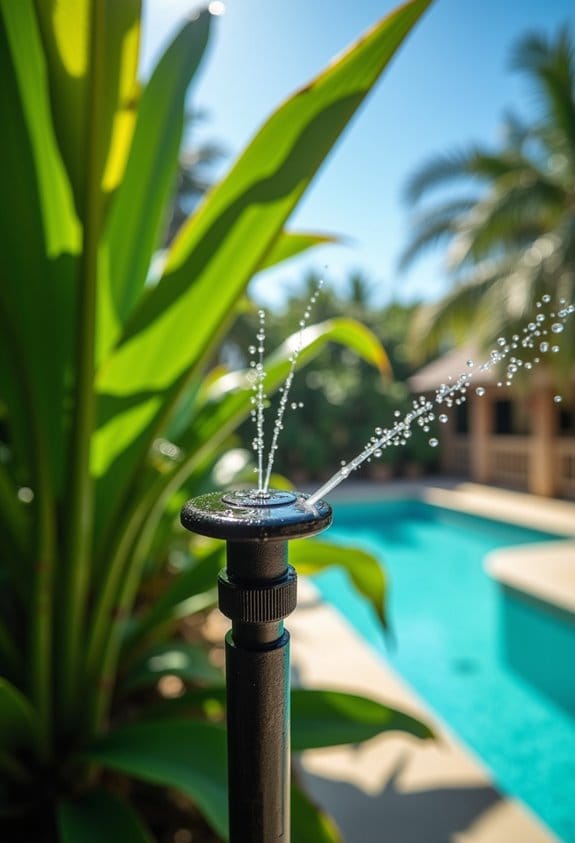
Efficient irrigation techniques begin with selecting systems that deliver water precisely to plant roots, such as drip irrigation lines spaced 12 to 18 inches apart. This method improves water management by reducing the amount lost to evaporation or runoff. Positioning sprinklers accurately guarantees only garden zones receive water, preventing wastage on driveways or sidewalks. Incorporating rain barrels to collect rainwater supplements irrigation needs, lowering dependence on municipal sources. Monitoring soil moisture with meters allows gardeners to adjust schedules and avoid overwatering, promoting healthier plants while conserving water. Watering tropical gardens during cooler morning hours between 5 am and 9 am further maximizes moisture absorption, minimizing evaporation losses caused by daytime heat. Selecting plants with low maintenance needs, such as UV-resistant artificial palm trees, can further conserve water in tropical garden designs.
Recommended Products

Standard 3/4" Garden Hose Thread Connections
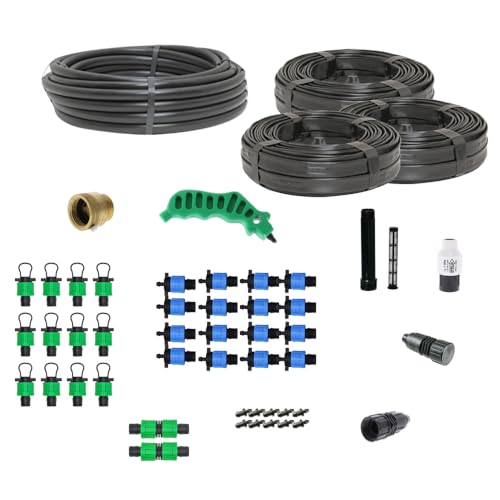
Utilizes 5/8" Drip Tape for Straight Row Gardens

Standard 3/4" Garden Hose Thread Connections
Benefits of Mulching
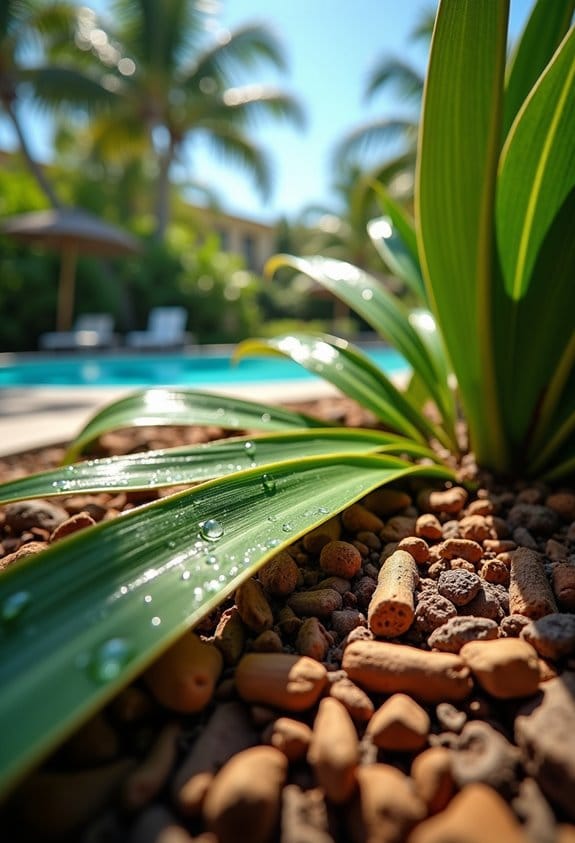
Mulching provides a critical method for conserving water in tropical gardens by drastically reducing soil moisture loss. Applying a 2-4 inch thick layer of organic mulch, such as straw or wood chips, can lower evaporation rates by up to 30%, helping gardens save water in hot climates. This practice retains soil moisture efficiently, lessening the need for frequent watering in zones where temperatures regularly exceed 85°F. Mulch also suppresses weed growth, which reduces water competition among plants and promotes healthier root systems. Over time, decomposing organic mulch improves soil structure and supports beneficial microorganisms, further enhancing water conservation. These combined effects create a more resilient garden ecosystem, making mulching an essential strategy for maintaining tropical plants with ideal soil moisture and effective water use. Additionally, weather-resistant finishes on outdoor garden elements help maintain efficient water use and durability in harsh climates.
Recommended Products

BULK MULCH FOR LARGE PROJECTS: Pallet contains 80 bags of Scotts Nature Scapes Color Enhanced Mulch Deep Forest Brown; each 1.5 cu. ft. bag covers 6 sq. ft. when applied in a 3-inch layer

ORGANIC MULCH: With this Miracle-Gro Organic All Natural Mulch bulk pallet, you can cover your biggest landscaping and gardening projects
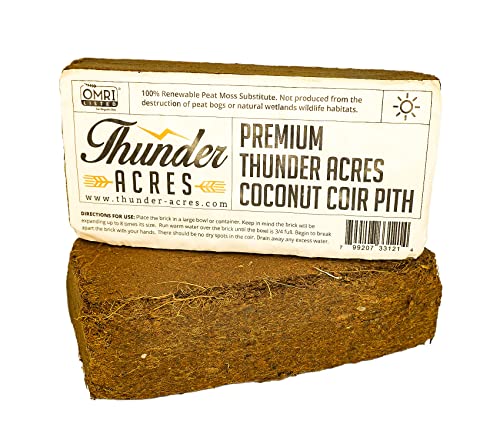
Coco Coir Brick for Organic Use and Production
Selecting Drought-Tolerant and Native Plants
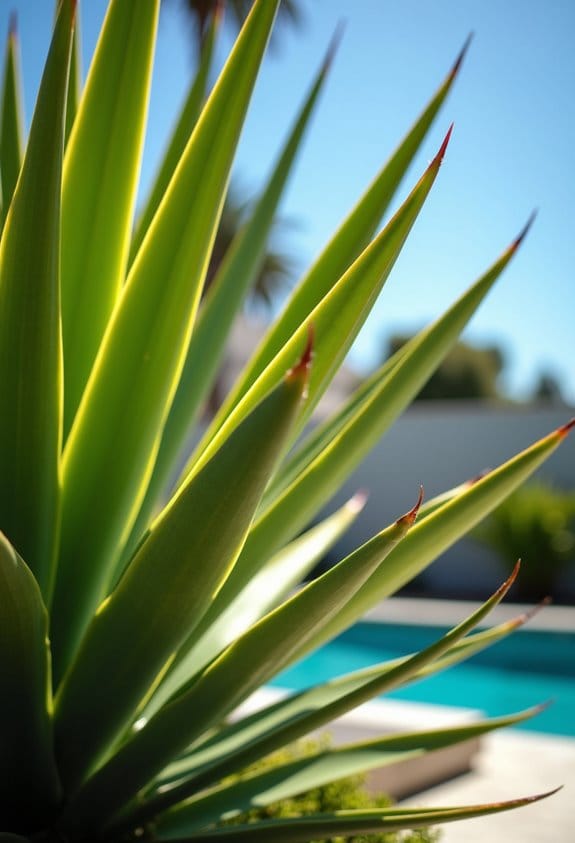
Selecting drought-tolerant and native plants greatly enhances water conservation in tropical gardens by reducing irrigation needs once established, particularly in zones with frequent temperatures above 85°F. Drought-tolerant species such as succulents, aster, and lantana typically require minimal water after their initial growth phase, cutting water use considerably. Native plants, adapted to local soil and climate, demand less supplemental irrigation while promoting biodiversity. Incorporating these plants stabilizes the garden’s ecosystem and reduces dependency on high-water vegetation. Replacing conventional, thirsty plants with drought-tolerant varieties can decrease water consumption by up to 50%, making them a sustainable choice. Consulting resources from organizations like The Conservation Foundation helps identify appropriate native plants tailored to tropical zones, contributing to efficient water use and sustainable garden health with flourishing color and pollinator support. Additionally, choosing garden elements made from eco-friendly materials further supports environmental sustainability efforts.
Recommended Products
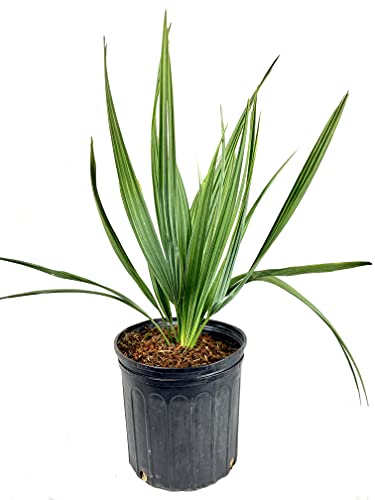
The bluestem palmetto has a trunk that, in Florida, rarely emerges from the ground and rarely produces side shoots. Sabal minor is reported to have reached 18 feet tall in Texas.

COLORFUL BLOOMS: Enjoy months of continuous color with 16 vibrant perennial flowers. Includes 4 Brown-Eyed Susan, 4 Golden Alexanders, 4 Smooth Penstemon, and 4 Great Blue Lobelia. Their bright yellow, purple, and blue blooms create a stunning display in full-sun gardens and damp sunny areas across US Zones 4–8.
![Greenwood Nursery: Live Perennial Plants - Nana Mouse Ear Tickseed + Coreopsis Auriculata - [Qty: 10x Pint Pots] - (Click for Other Available Plants/Quantities)](https://m.media-amazon.com/images/I/61psee5Z4JL._SL500_.jpg)
🌿 [INFO1] - Nana Coreopsis Mouse Ear. A low growing wildflower that is native to the southern US. Small mounds of dark green foliage sets the stage for the bright yellow perennial plant flowers from early spring to summer.
Rainwater Harvesting Methods
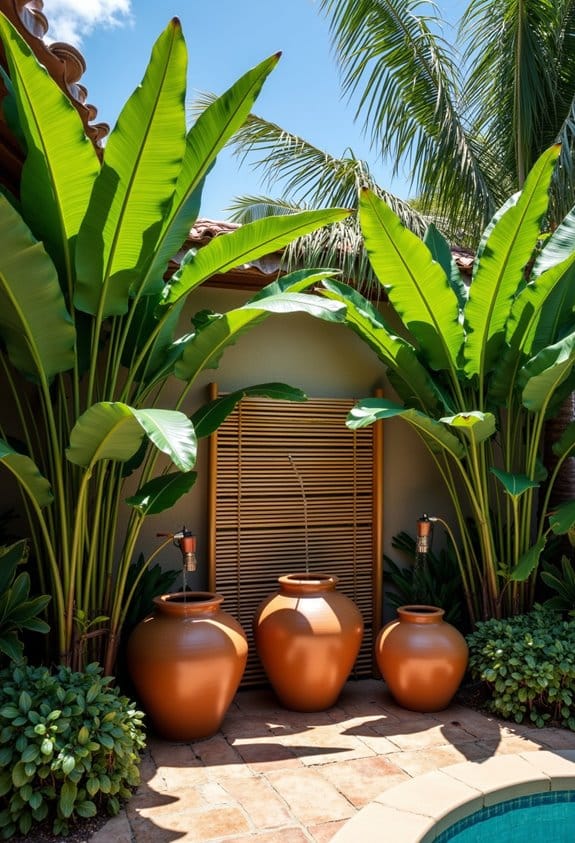
Rainwater harvesting is a practical technique that captures precipitation from rooftops and funnels it into storage containers, such as rain barrels or large tanks, for garden irrigation. Installing rain barrels beneath downspouts can store rainwater efficiently, with one inch of rain on a 1,000-square-foot roof generating over 600 gallons of water. First-flush diverters enhance system effectiveness by preventing the initial runoff, which often contains debris, from contaminating stored water. Regular maintenance, including cleaning gutters and tanks, is essential to maximize the quality and longevity of harvested water. Employing these methods reduces dependence on municipal supplies and supports conservation efforts in tropical regions. By accurately calculating roof area and rainfall, gardeners can estimate amounts of water to store rainwater adequately for seasonal needs. This approach is a practical step toward sustainable garden management. Additionally, using solar-powered options for irrigation systems can increase energy efficiency and sustainability in tropical gardens.
Recommended Products

Ensure a backup water supply for your home using the 4 faux wood rain barrels to collect rainwater from the gutter, made of durable plastic that resists weather and UV damage for an ideal addition to your backyard
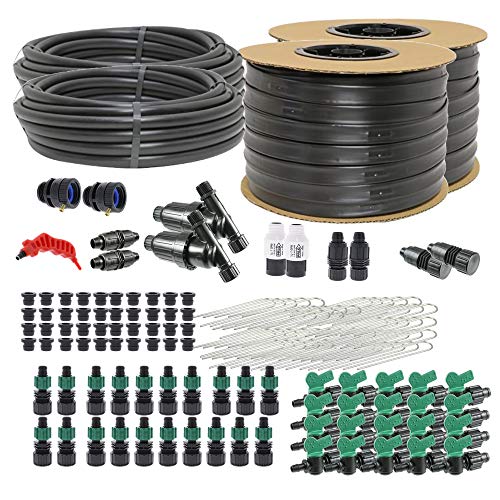
Timer Compatible : Yes; Rain Barrel Compatible : Yes; Expandable : Yes; Average Assembly Time : 60 + min.; Operating Pressure : 10-15 PSI; Maximum Flow Capacity : 480 GPH;

50-gallon Rain Saver: Includes 2 substantial 50-gallon rain barrels to ensure a backup water supply for your home using the faux slate rain barrels to collect rainwater from the gutter; Unique slate rock texture adds flare to your rain harvesting
Monitoring and Managing Soil Moisture
Although tropical gardens may thrive in humid environments, accurately monitoring and managing soil moisture remains essential for plant health and water conservation. Soil moisture levels—dry, moist, or wet—determine appropriate irrigation schedules, as tropical plants often require tailored watering based on location, light exposure, and container type. Utilizing a moisture meter provides precise readings that prevent over- or under-watering, ensuring each plant receives ideal hydration. Gardeners should also observe soil color and texture changes to validate moisture status in situ. Since soil composition directly affects how much water a field holds, knowing the soil’s capacity aids efficient irrigation. Regular monitoring, informed by plant labels indicating specific water needs, supports sustainable water use while maintaining vigorous tropical growth and minimizing water waste. Choosing plants with low maintenance qualities can further enhance water conservation efforts in tropical garden landscaping.
Recommended Products
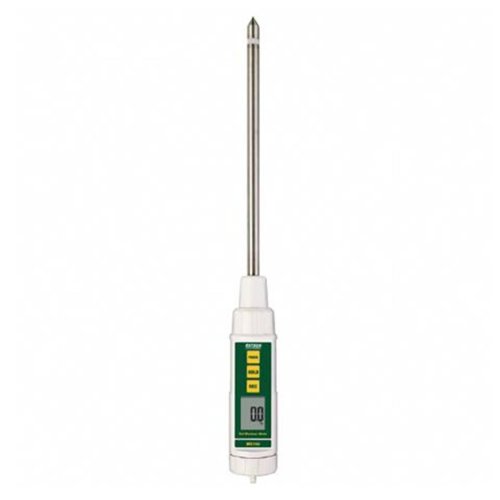
Reliable Soil Moisture Measurement - Take the guesswork out of plant care. The Extech MO750 provides precise soil moisture readings with its durable 8" stainless steel probe, helping you monitor conditions deep beneath the surface.

【Compact & Built to Last 7-in-1 Weather Station】: Ecowitt Wittboy weather station includes Wi-Fi Hub and 7-in-1 outdoor weather sensor. The integrated outdoor weather sensor collects accurate temperature, humidity, wind direction and speed, light and UV levels as well as rainfall data and transmit them to the wittboy Wi-Fi hub. The live data can be viewed on WS View Plus or Ecowitt APP after Wi-Fi configuration.

[Highly Accurate Dielectric Sensor Probe ] This meter uses a highly accurate dielectric based sensor, and is insensitive to soil salts, fertilizers and soil pH. It has a range of 0 to 100% VWC. It is does not use a galvanometric type sensor that cheap moisture meters use, which are wildly affected by salts and soil pH.
Frequently Asked Questions
What Are the 5 R’s of Water Conservation?
The 5 R’s of water conservation are Reduce, Reuse, Recycle, Repair, and Restore—because who wouldn’t want to fix leaks, embrace rainwater harvesting, implement greywater recycling, and use mulching techniques to save every precious drop unexpectedly wasted?
What Are the 5 Methods of Conservation of Water?
The five methods of water conservation include drip irrigation for efficient watering, rain barrels to collect runoff, mulch application to retain soil moisture, fixing leaks promptly, and practicing mindful water use to minimize waste and promote sustainability.
How Can We Conserve Water When Gardening?
Water can be conserved in gardening by harvesting rainwater to reduce reliance on external sources, planting drought resistant plants that require less water, and maintaining soil moisture through mulching and efficient watering techniques to minimize evaporation.
What Is a Strategy for Water-Efficient Landscaping?
A strategy for water-efficient landscaping involves using drought resistant plants, applying mulch to retain soil moisture, and implementing rainwater harvesting systems. These methods collectively reduce water usage and support sustainable garden maintenance.